
Insights & Updates
Working steps of carbonated drink filling machine
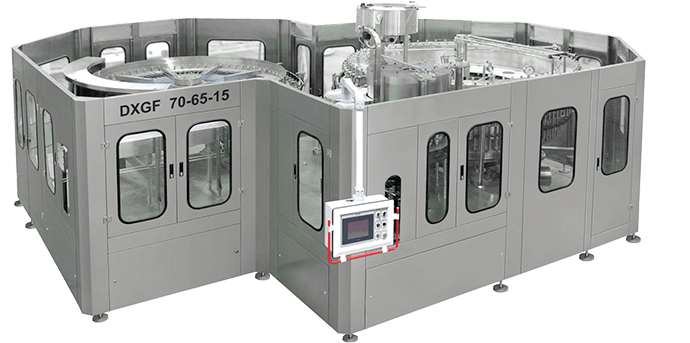
The carbonated drink filling machine is an essential equipment for the beverage industry. It plays a crucial role in filling and sealing carbonated drinks in bottles or cans. This article will discuss the working steps of a carbonated drink filling machine, providing insights into the process and highlighting its importance in the production of carbonated beverages.
Step 1: Bottle/Cans Feeding
The first step in the operation of a carbonated drink filling machine is the bottle/cans feeding. Empty bottles or cans are placed on a conveyor belt, which moves the containers towards the filling area. The conveyor system ensures a continuous flow of containers, reducing downtime and increasing efficiency. Proper alignment of the bottles is crucial to ensure accurate filling and avoid spills or leaks.
Step 2: Carbonation and Filling
Once the bottles/cans are properly positioned, the carbonation process takes place. The carbonated drink filling machine injects carbon dioxide (CO2) into the liquid, creating the characteristic fizziness of carbonated beverages. The filling process follows, where the carbonated drink is dispensed into the bottles or cans. The machine ensures precise filling levels to maintain consistency and prevent overfilling or underfilling. Sensors and control systems monitor the filling process, ensuring accuracy and minimizing product wastage.
Step 3: Sealing and Capping
After the bottles/cans are filled with the carbonated drink, the sealing and capping process takes place. Different types of closures are used, including crown caps for bottles and lids for cans. The carbonated drink filling machine applies the appropriate sealing mechanism to securely close the containers. This step is crucial to preserve the carbonation and prevent any leakage or contamination during storage or transportation.
Step 4: Labeling and Packaging
Once the bottles/cans are sealed and capped, they move towards the labeling and packaging section of the carbonated drink filling machine. Labels with product information, branding, and logos are applied to the containers using an automated labeling system. The labeled bottles/cans are then arranged in an organized manner, ready for packaging. Packaging options include cartons, trays, or shrink wraps, depending on the specific requirements of the beverage company.
Conclusion
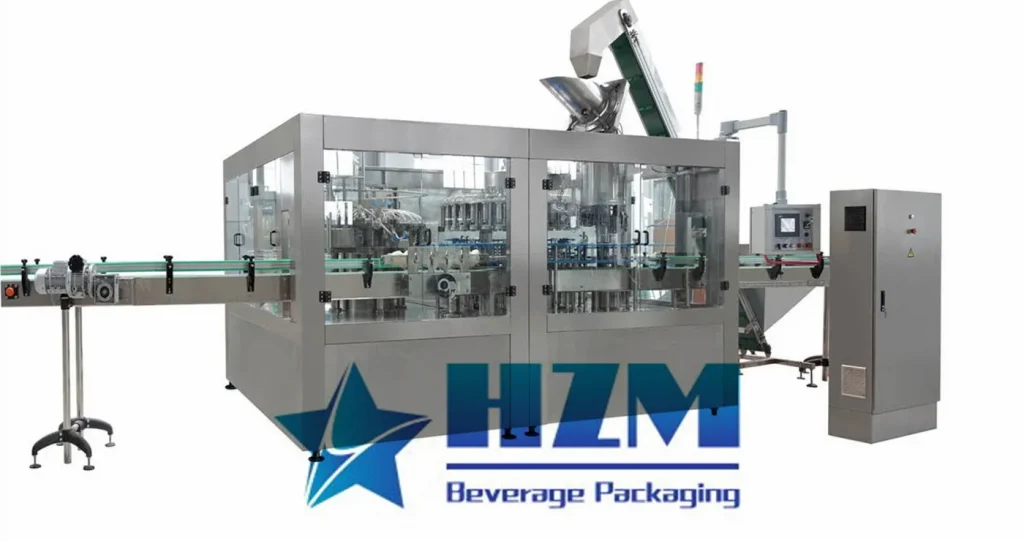
In conclusion, the working steps of a carbonated drink filling machine involve bottle/cans feeding, carbonation and filling, sealing and capping, and labeling and packaging. Each step is crucial to ensure the quality, consistency, and safety of carbonated beverages. The automation and precision offered by these machines significantly enhance the efficiency and productivity of the beverage industry. Understanding the working steps of a carbonated drink filling machine provides insights into the complex process behind the production of carbonated drinks and the importance of modern machinery in meeting consumer demands.
Talk to our engineering team
Need help planning your packaging line?
Share your product, bottle and capacity requirements for a practical equipment recommendation.
Equipment
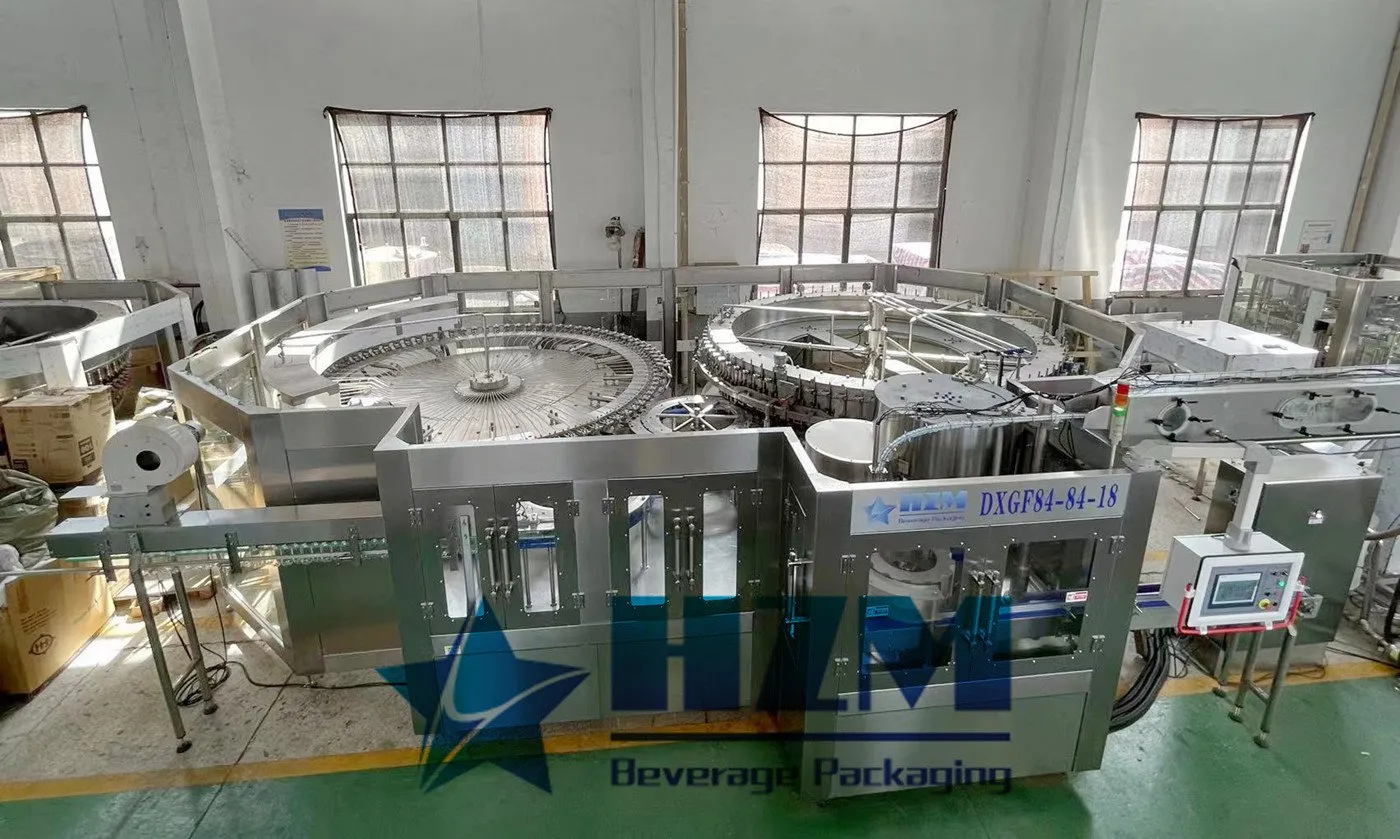
Carbonated Drinks Filling Machine
This Carbonated Drinks Filling Machine is configured for carbonated soft drinks, soda water and other sparkling beverages at 4,000BPH–36,000BPH; final scope follows the approved…
Learn more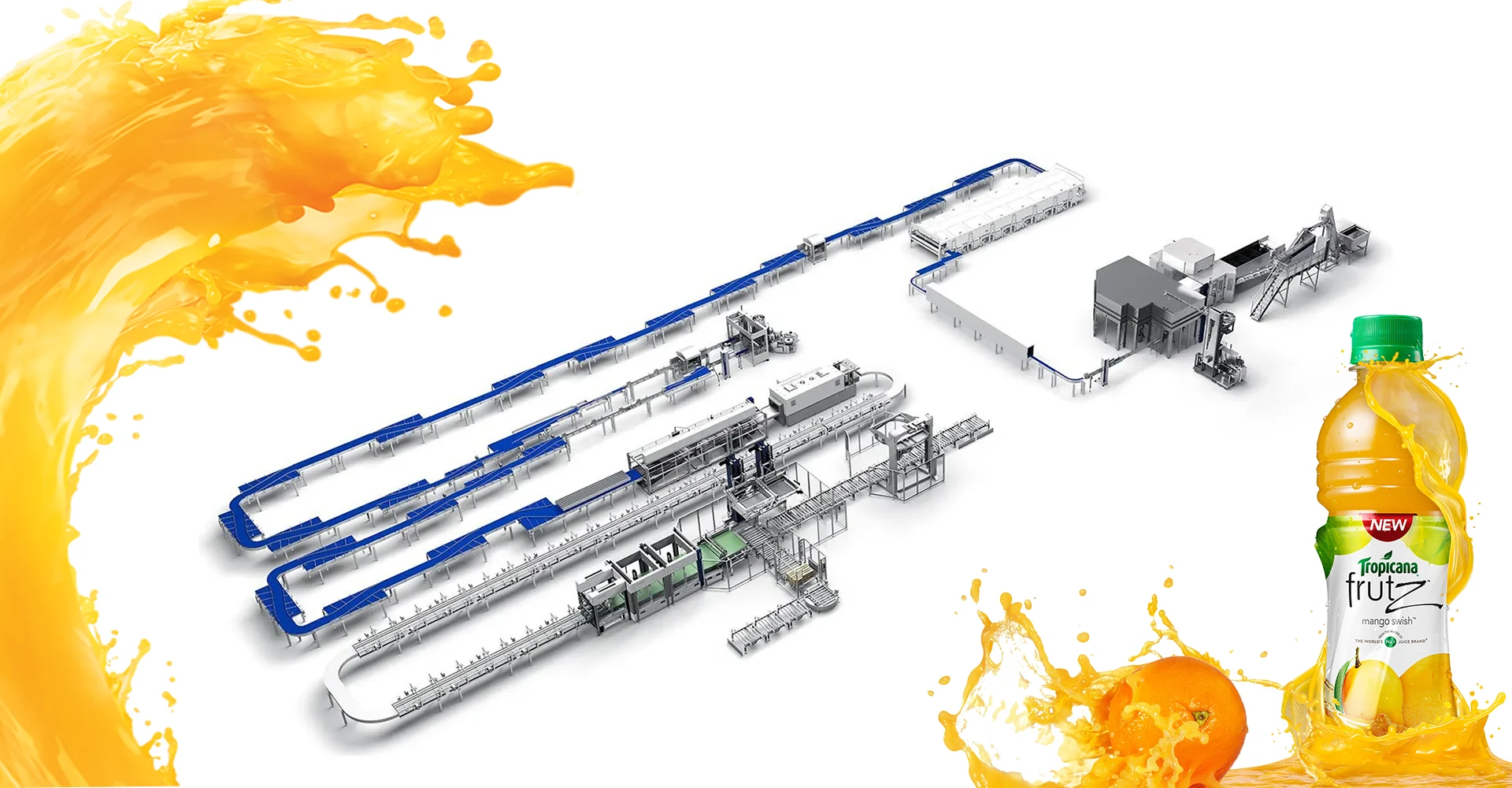
Equipment
Beverage Filling Machine & Turnkey Filling Line for Juice, Soft Drinks and Cans
This Beverage Filling Machine & Turnkey Filling Line for Juice is configured for juice, tea, carbonated soft drinks, energy drinks, water and beer at…
Learn more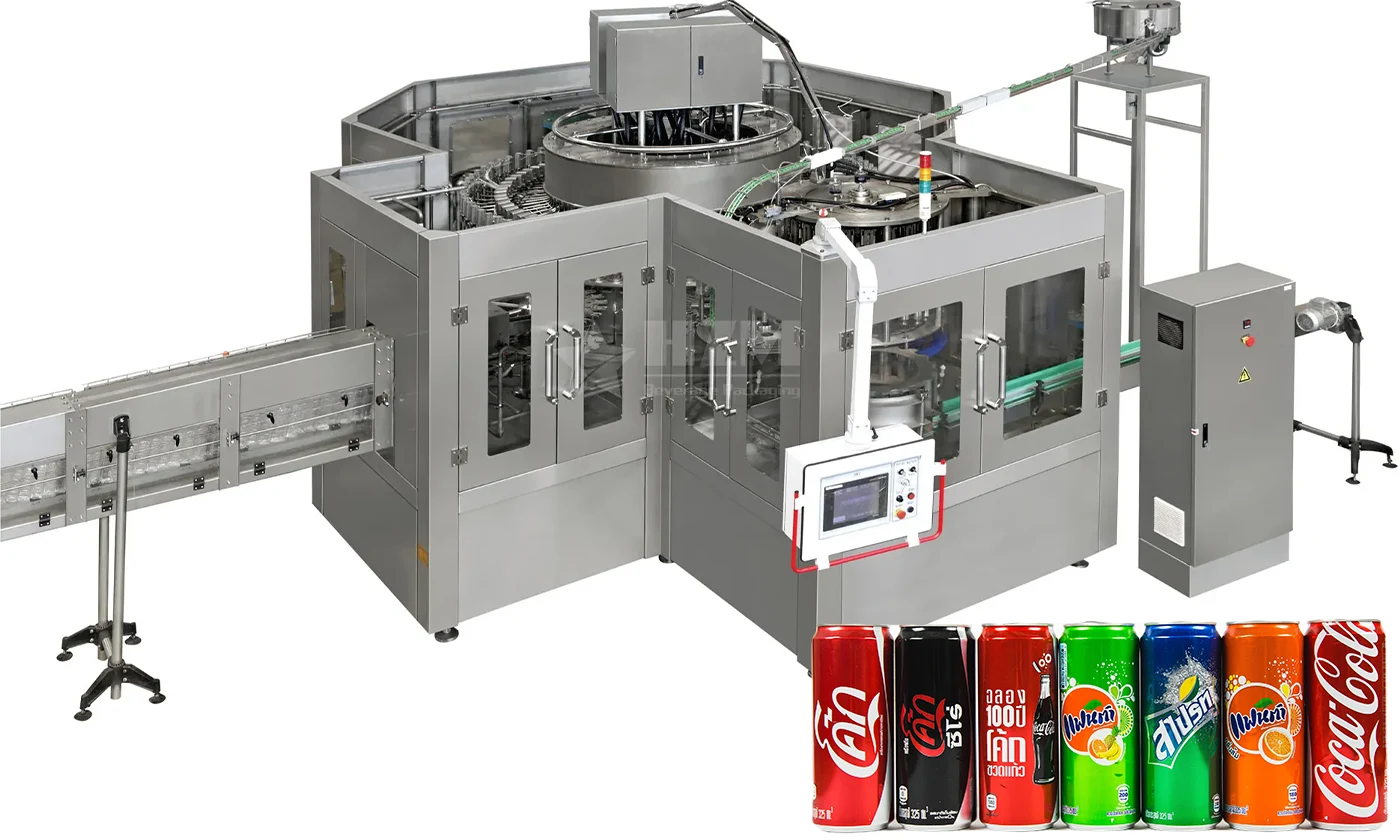
Equipment
Beverage Can Packaging machine
This Beverage Can Packaging machine is configured for carbonated drinks, Beer, Energy drink, Canned Beef, Chili sauce etc at 5000BPH–36000BPH; final scope follows the…
Learn more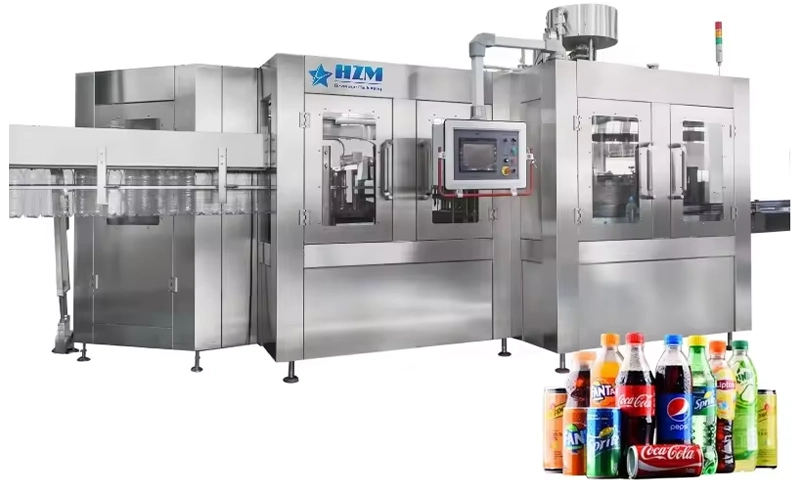
Equipment
Carbonated Soft Drink Filling Machine
This Carbonated Soft Drink Filling Machine is configured for carbonated soft drinks, soda water and other sparkling beverages at 4000BPH–28000BPH; final scope follows the…
Learn more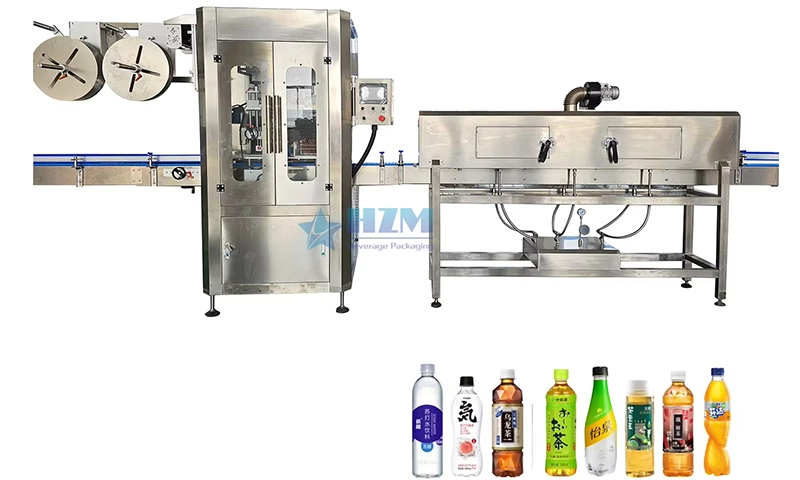
2026-08-28
Sleeve Labels Wrinkle After the Shrink Tunnel
Determine whether the sleeve was straight before entering the tunnel. Then check film shrink curve, tunnel-zone temperature, airflow or steam distribution, bottle moisture, conveyor speed and container geometry. Follow this practical fault-isolation, repair and prevention guide for bottling-line operators and maintenance teams.
Learn more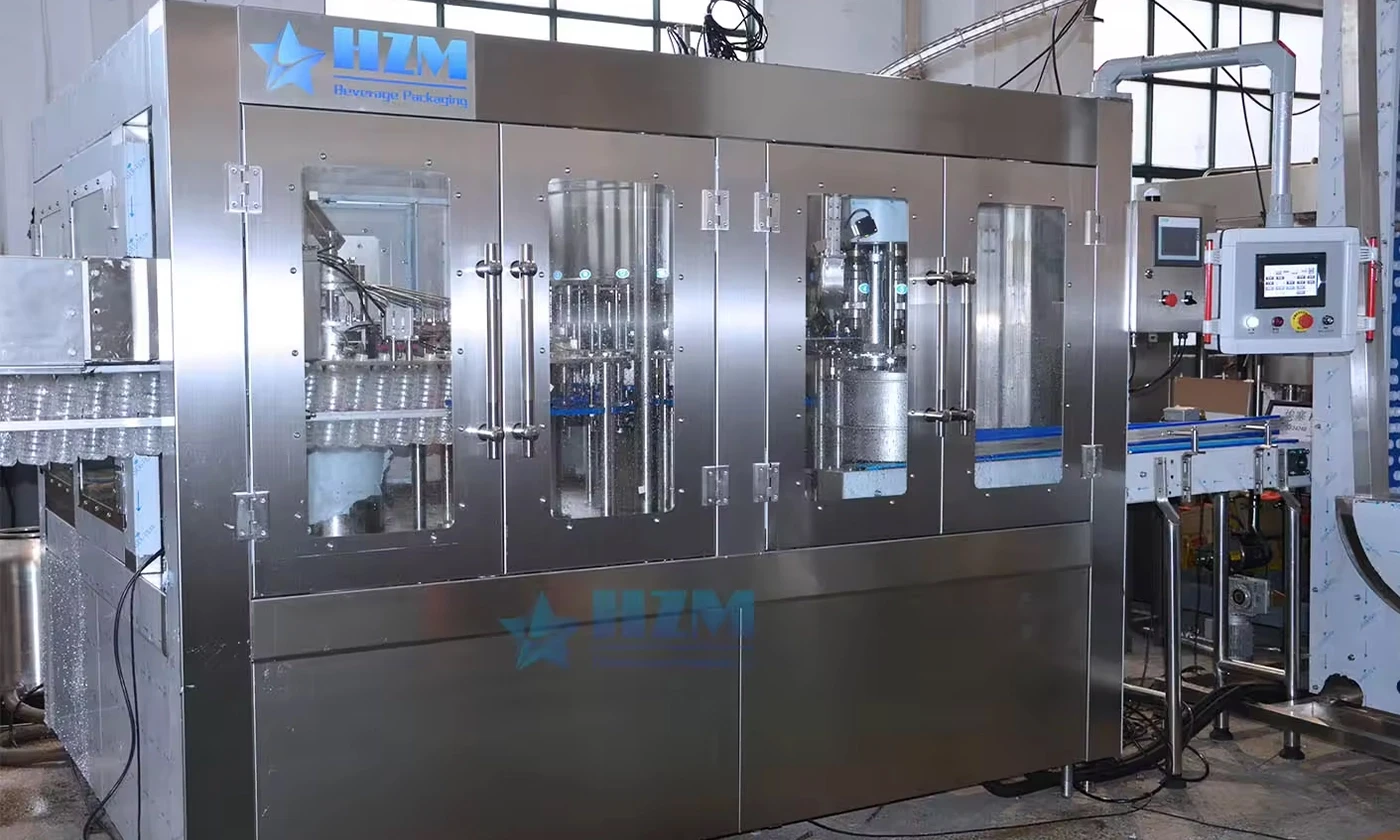
2026-08-23
Bottle Rinser Has Low Spray Pressure: Causes and Repair Steps
Check whether the loss affects the entire rinser or only several nozzles. System-wide loss points to supply, pump, filter or valve problems; a local pattern points to blocked nozzles, damaged tubing or a misaligned bottle. Follow this practical fault-isolation, repair and prevention guide for bottling-line operators and maintenance teams.
Learn more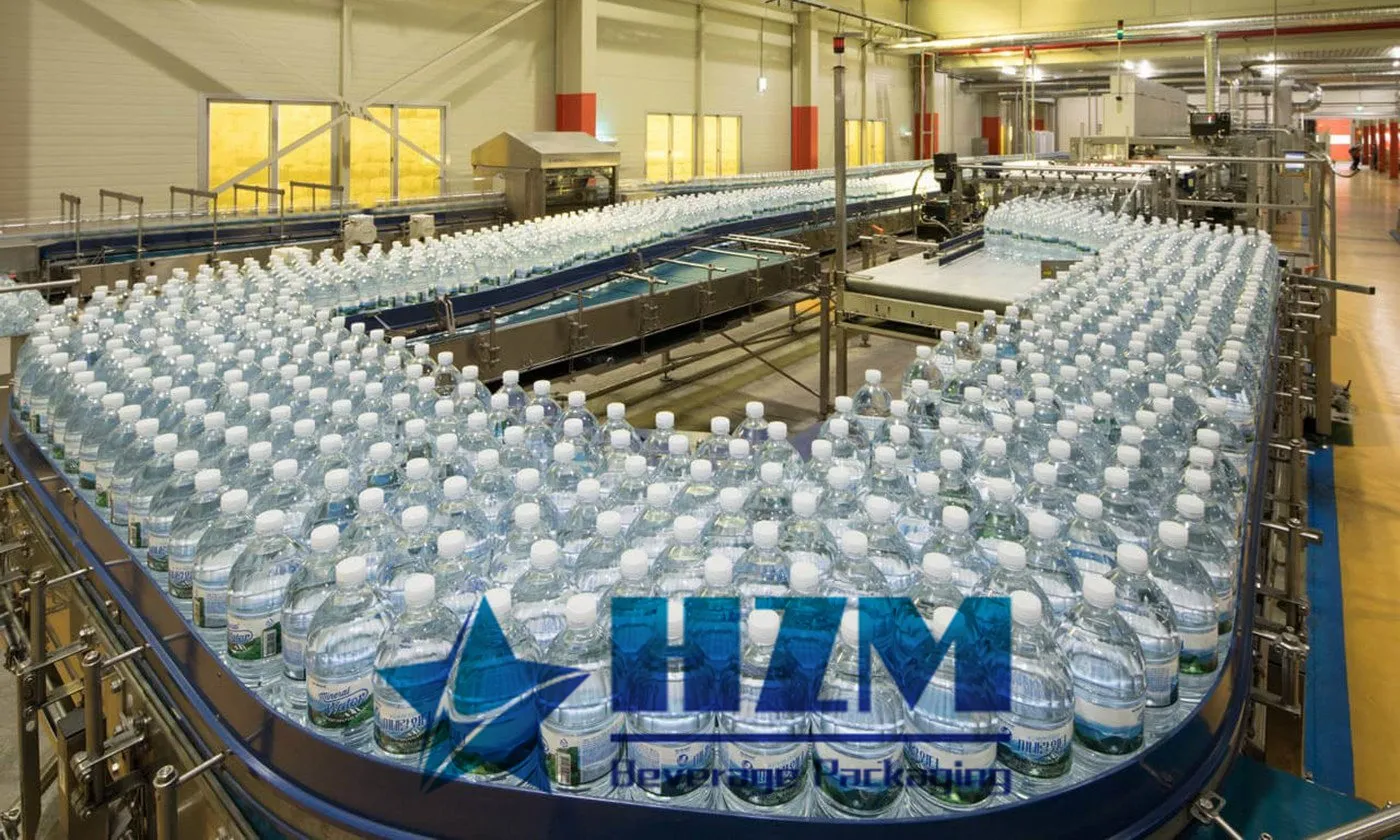
2026-08-20
Bottle Conveyor Jams at the Same Location Every Shift
Mark the first contact point and inspect guide transitions, chain condition, dead plates, speed change, bottle dimensions, lubrication and upstream accumulation. The pile-up often occurs downstream of the actual interference. Follow this practical fault-isolation, repair and prevention guide for bottling-line operators and maintenance teams.
Learn more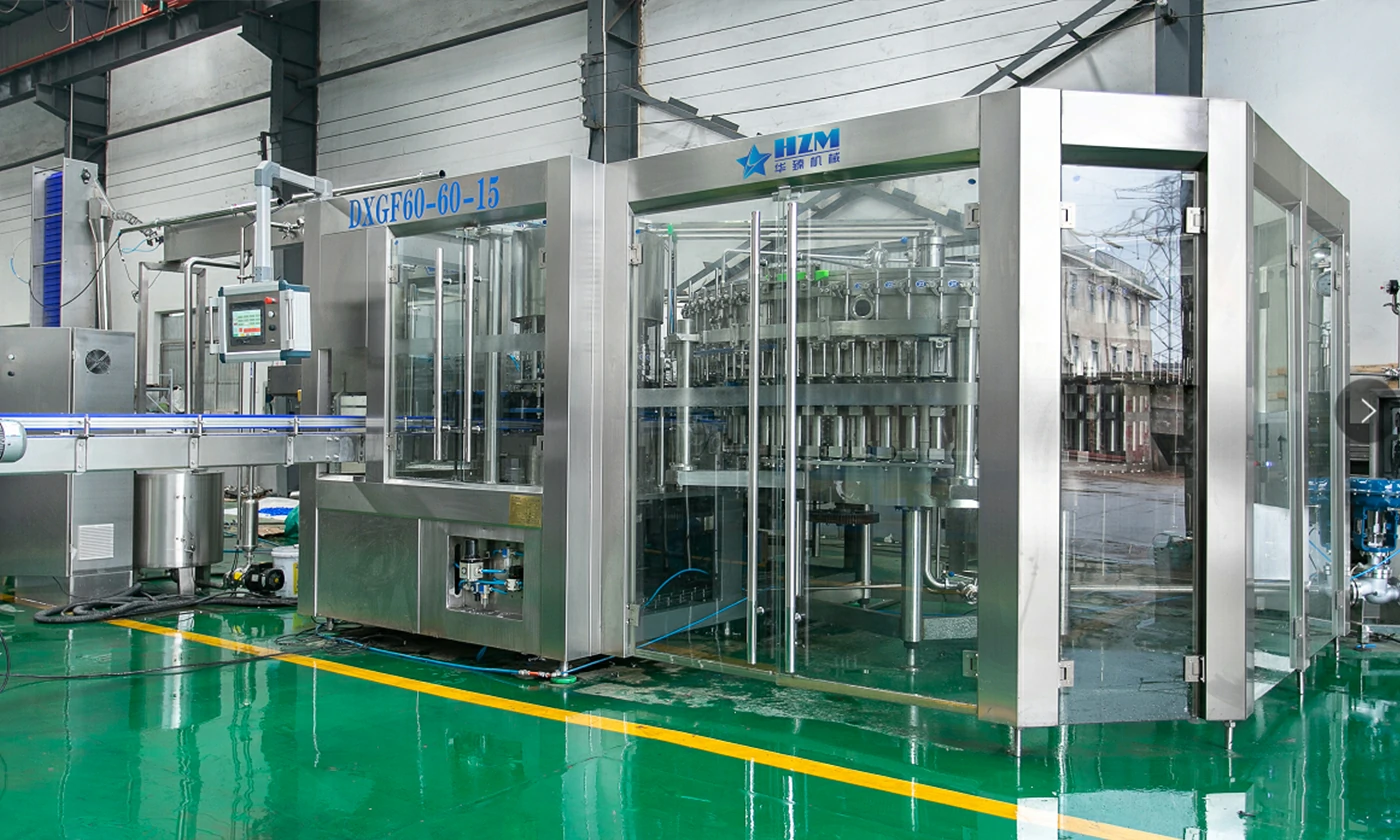
2026-08-16
Glass Bottle Fill Levels Vary by Valve: How to Isolate the Fault
Map the defect by filling valve and bottle lot. Verify bottle internal-volume variation, lift and seal condition, vent-tube depth, valve cleanliness, tank level and product pressure before altering the global fill-height setting. Follow this practical fault-isolation, repair and prevention guide for bottling-line operators and maintenance teams.
Learn more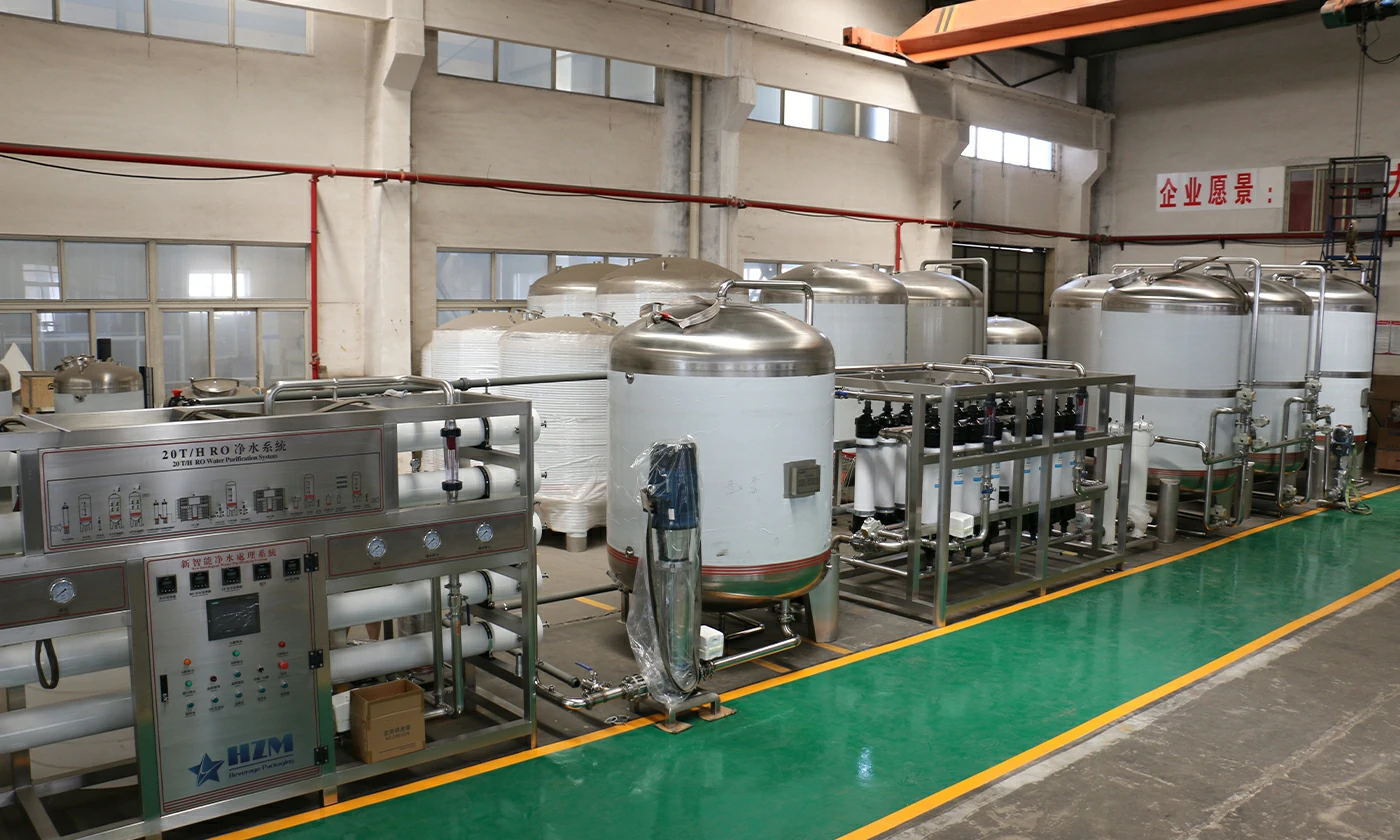
2026-08-12
FAT and SAT Checklist for a Turnkey Beverage Filling Line
Define factory and site acceptance tests for speed, quality, changeover, utilities, documents, safety, training and final line performance.
Learn more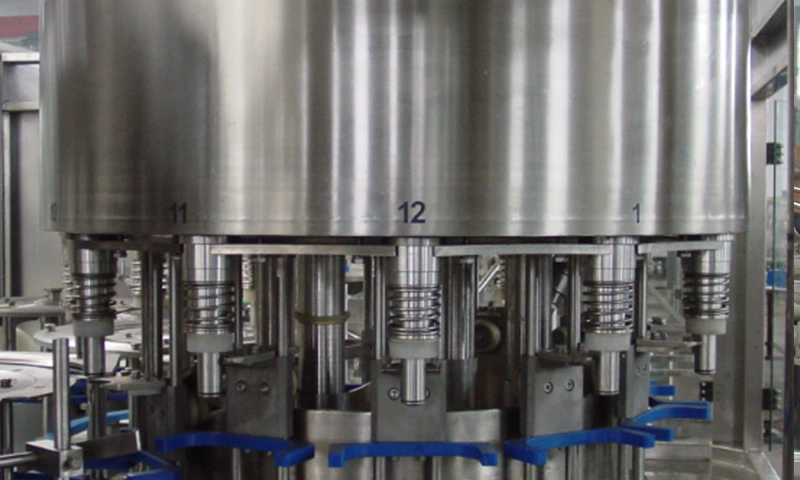
2026-08-11
Filling Machine Spare Parts: Build a Risk-Based Inventory and PM Plan
Classify critical filling-line spares by failure impact, lead time and wear rate, then connect inventory with preventive maintenance and usage records.
Learn more