
Insights & Updates
What is the role of carbon dioxide in soft drinks?
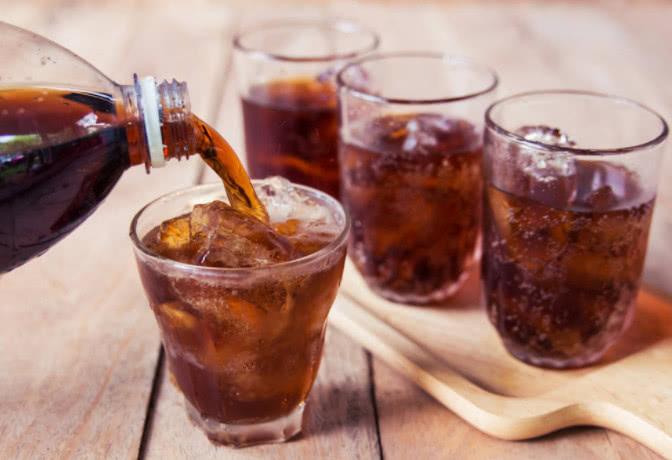
Carbon dioxide is an important component of carbonated beverages and a defining characteristic of such drinks. The role of carbon dioxide in carbonated beverages includes the following:
- Provides a cooling sensation by removing heat from the body: When people consume carbonated beverages, the carbon dioxide in the drink undergoes decomposition into carbon dioxide and water due to heating and a decrease in pressure. As the carbon dioxide escapes from the body, it takes away heat, giving a refreshing sensation. Therefore, carbonated beverages containing carbon dioxide have a cooling effect, especially during the summer, helping to relieve heat.
- Generates a distinct flavor: Carbon dioxide can interact with other ingredients in the beverage to create a unique flavor profile. As carbon dioxide escapes from the beverage, it carries away aromatic compounds, enhancing the flavor characteristics.
- Inhibits the growth and reproduction of microorganisms, extending shelf life: Carbon dioxide in the beverage alters the environmental conditions for the normal growth and reproduction of microorganisms, creating an oxygen-deficient environment that inhibits their growth. It is generally believed that a gas content of 3.5 to 4 times or more can completely inhibit microbial growth and even cause their death, thereby extending the shelf life of the beverage.
Overall, carbon dioxide plays a vital role in soft drinks by providing a cooling sensation, contributing to distinctive flavors, and acting as a natural preservative to inhibit microbial growth, thus extending the shelf life of the product.
Talk to our engineering team
Need help planning your packaging line?
Share your product, bottle and capacity requirements for a practical equipment recommendation.
Equipment
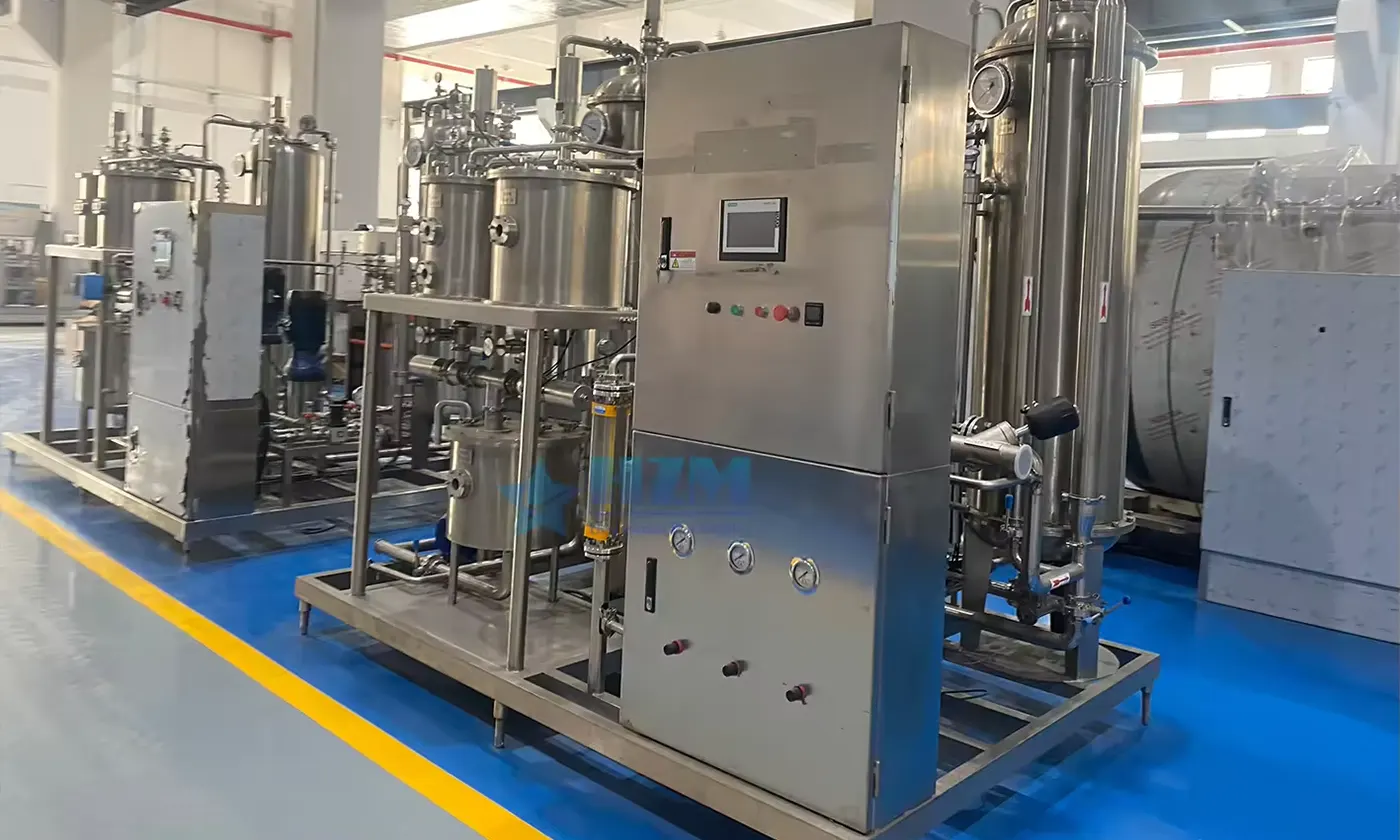
Carbonated Drink Co2 Mixer Machine
This Carbonated Drink Co2 Mixer Machine is configured for carbonated soft drinks, soda water and other sparkling beverages; final scope follows the approved process,…
Learn more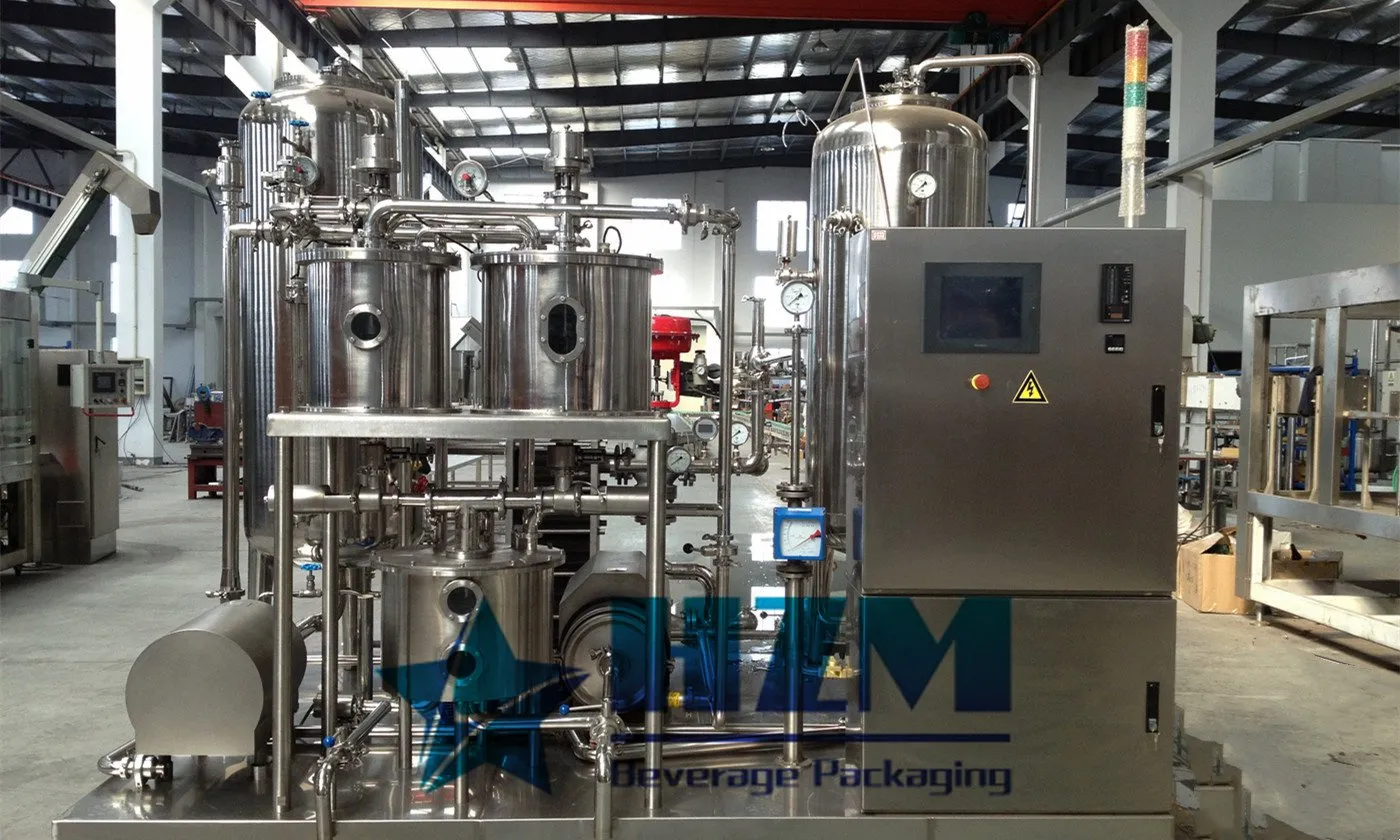
Equipment
CO2 Saturator | Co2 mixer machine
This CO2 Saturator | Co2 mixer machine is configured for carbonated soft drinks, soda water and other sparkling beverages; final scope follows the approved…
Learn more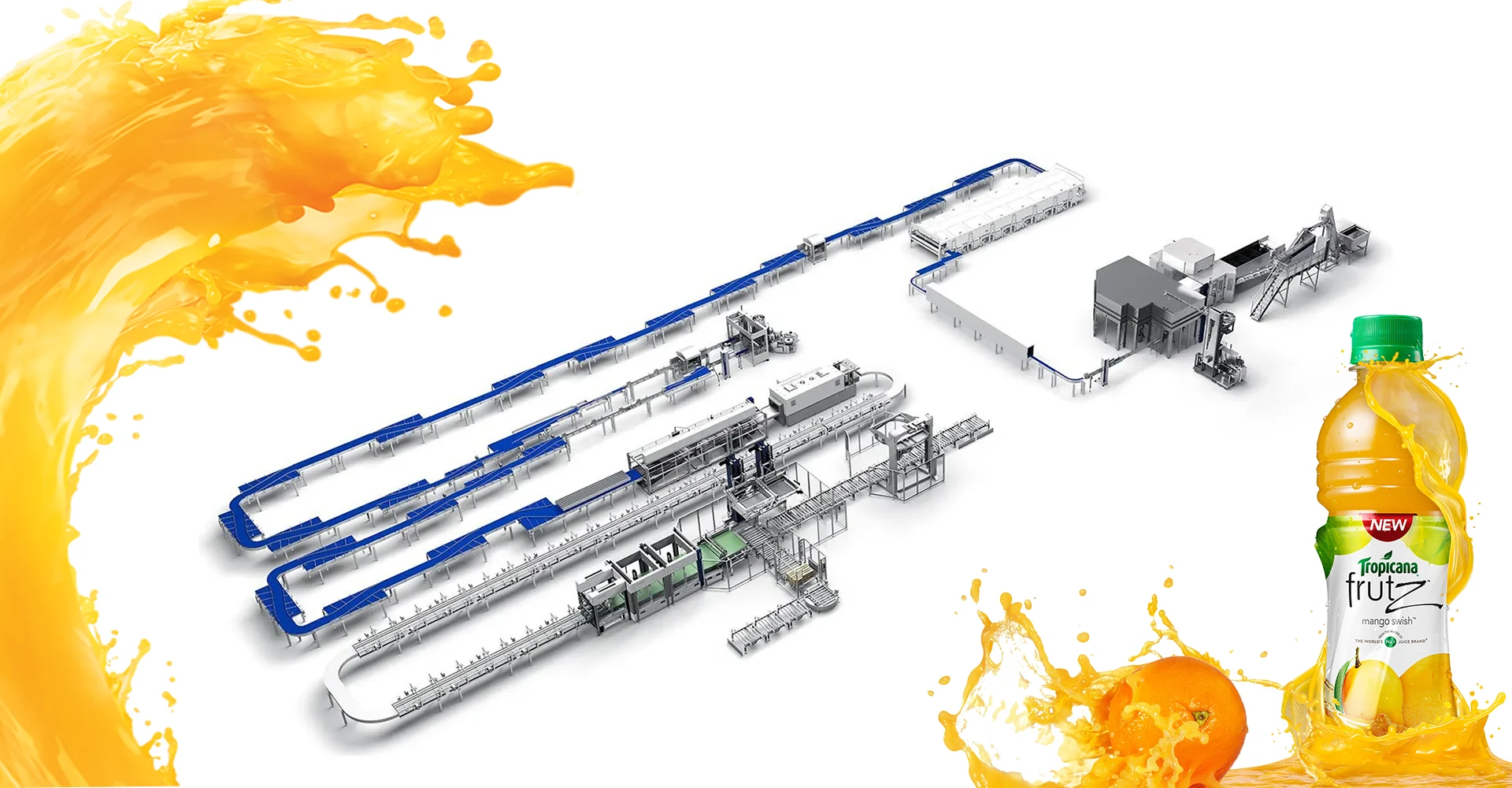
Equipment
Beverage Filling Machine & Turnkey Filling Line for Juice, Soft Drinks and Cans
This Beverage Filling Machine & Turnkey Filling Line for Juice is configured for juice, tea, carbonated soft drinks, energy drinks, water and beer at…
Learn more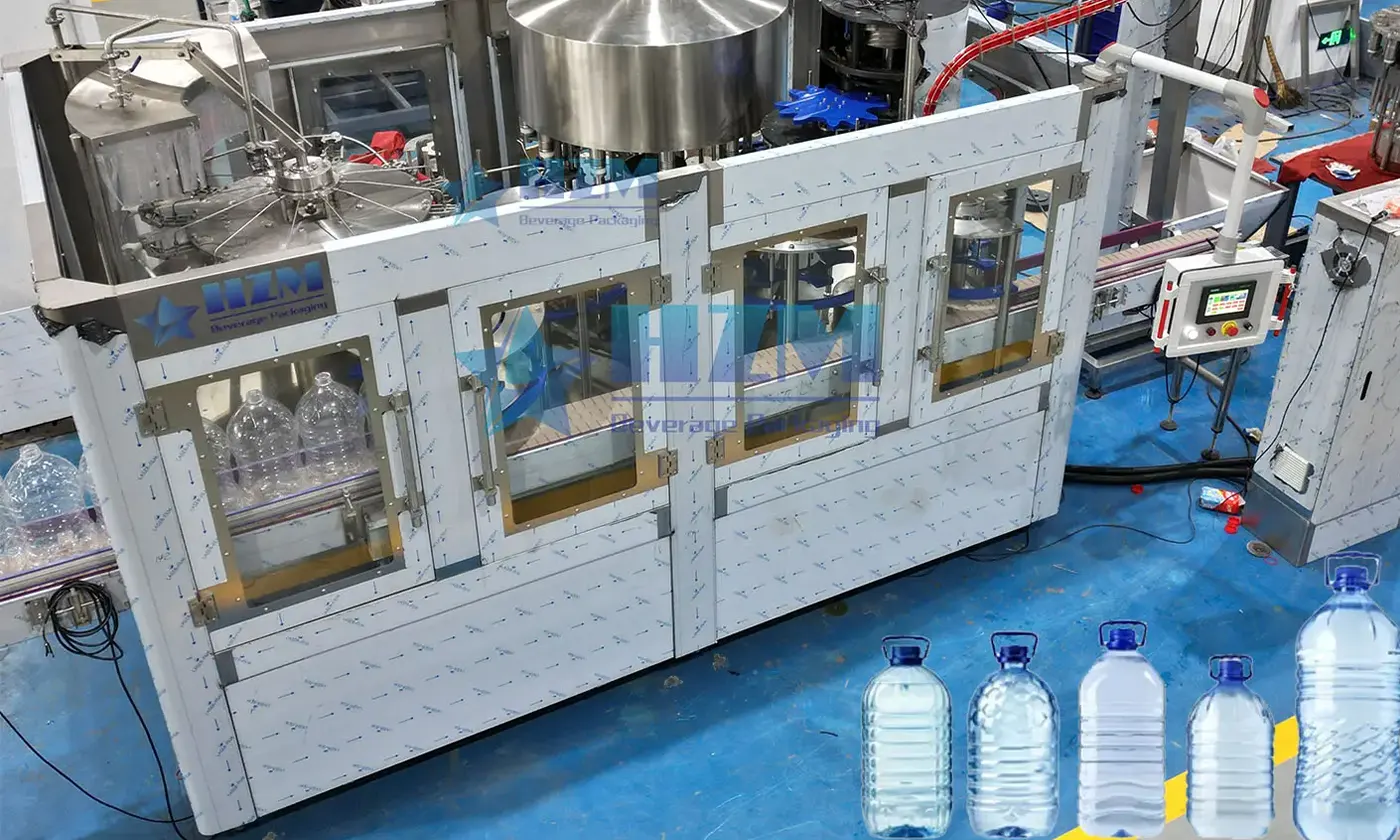
Equipment
Bottled Water Filling Machine & Turnkey Water Bottling Line
This Bottled Water Filling Machine & Turnkey Bottling Line is configured for purified water, mineral water and still drinking water at 5,000–42,000 bottles/hour; final…
Learn more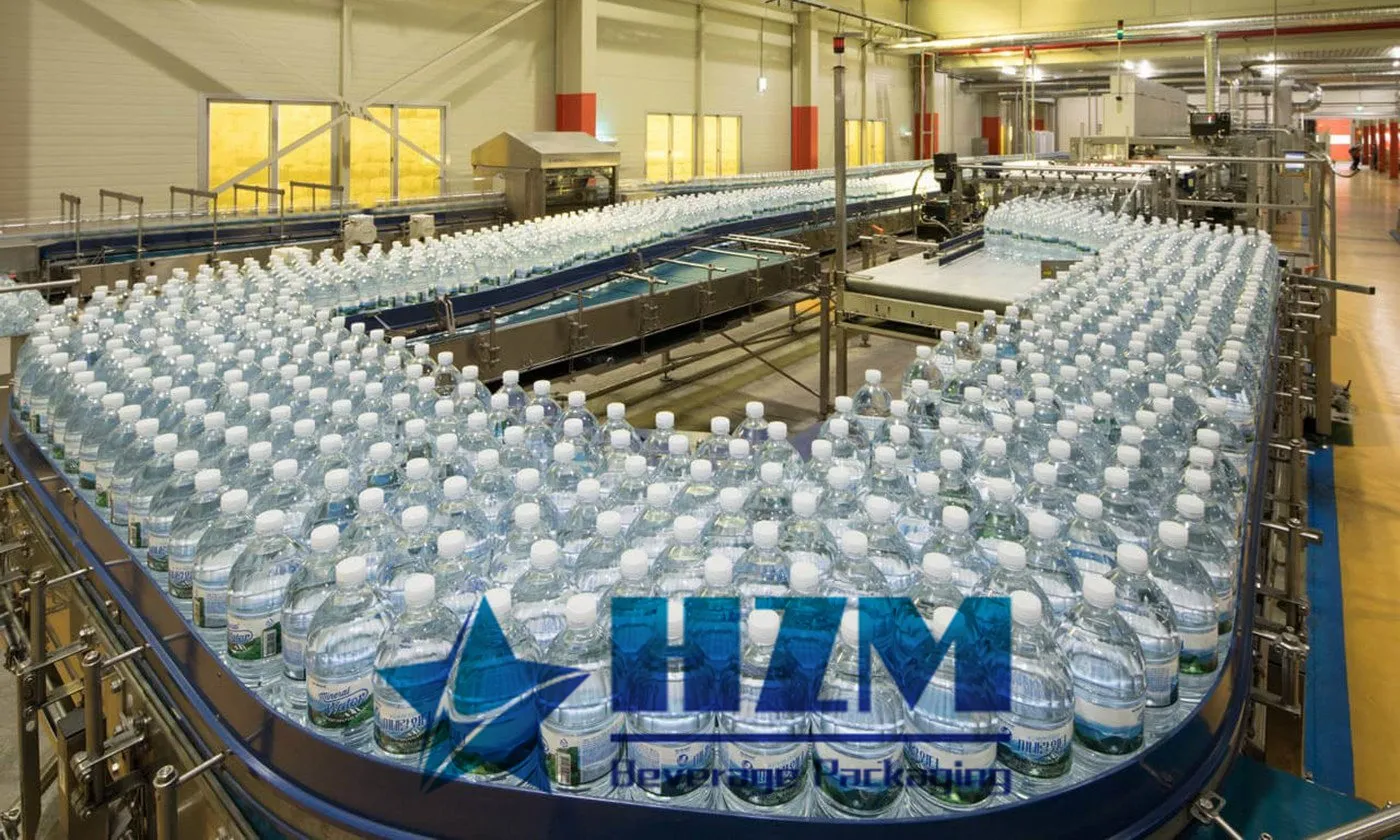
2026-08-20
Bottle Conveyor Jams at the Same Location Every Shift
Mark the first contact point and inspect guide transitions, chain condition, dead plates, speed change, bottle dimensions, lubrication and upstream accumulation. The pile-up often occurs downstream of the actual interference. Follow this practical fault-isolation, repair and prevention guide for bottling-line operators and maintenance teams.
Learn more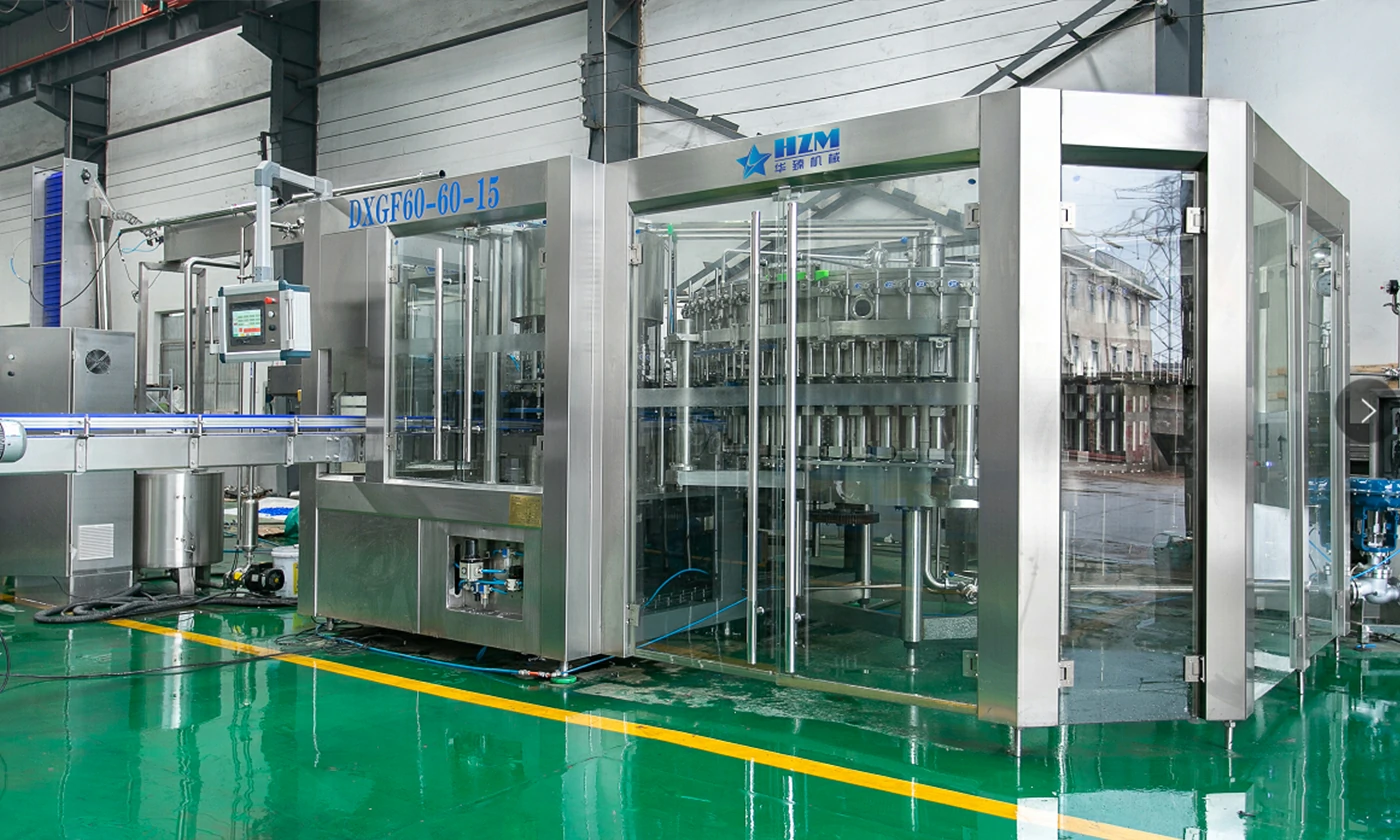
2026-08-16
Glass Bottle Fill Levels Vary by Valve: How to Isolate the Fault
Map the defect by filling valve and bottle lot. Verify bottle internal-volume variation, lift and seal condition, vent-tube depth, valve cleanliness, tank level and product pressure before altering the global fill-height setting. Follow this practical fault-isolation, repair and prevention guide for bottling-line operators and maintenance teams.
Learn more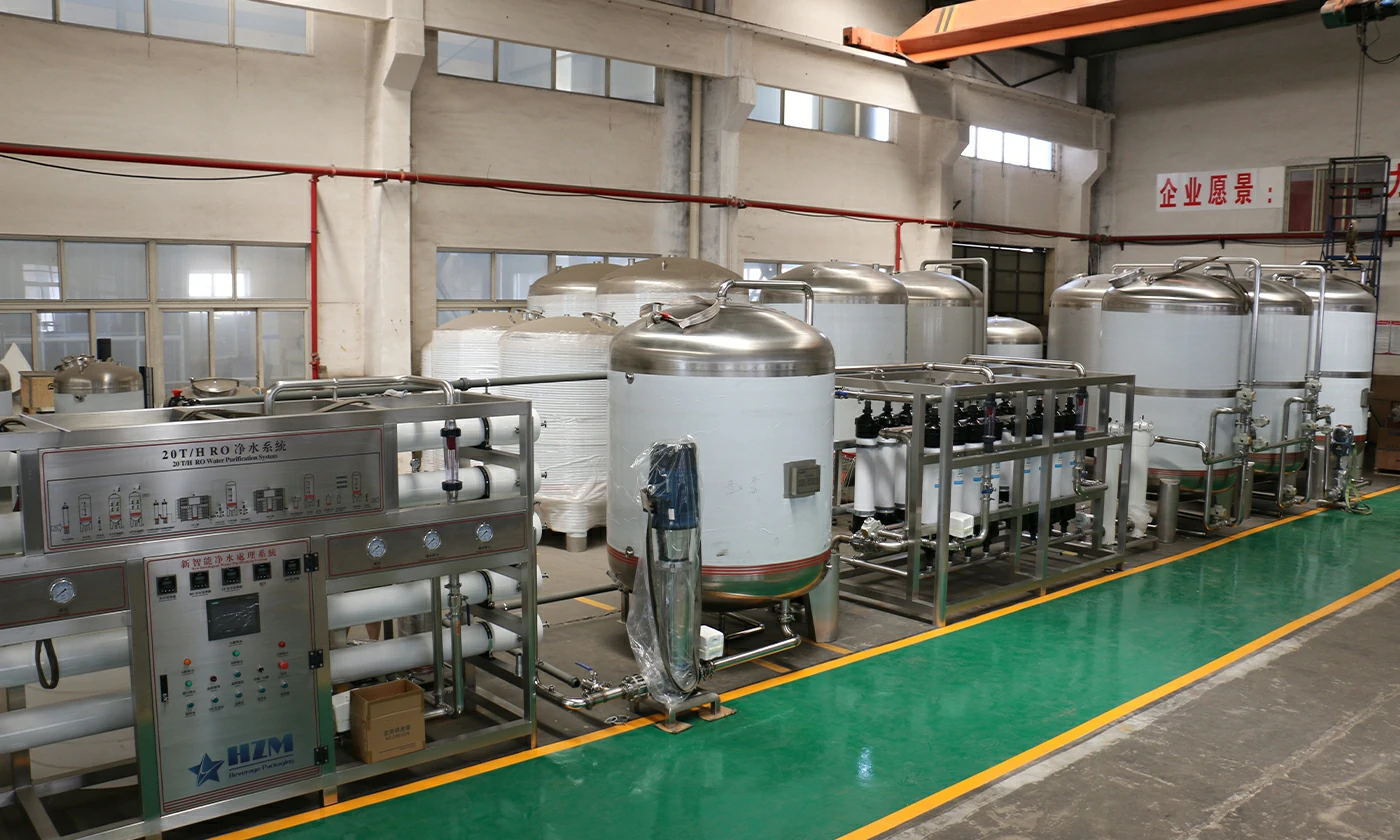
2026-08-12
FAT and SAT Checklist for a Turnkey Beverage Filling Line
Define factory and site acceptance tests for speed, quality, changeover, utilities, documents, safety, training and final line performance.
Learn more
2026-08-11
Filling Machine Spare Parts: Build a Risk-Based Inventory and PM Plan
Classify critical filling-line spares by failure impact, lead time and wear rate, then connect inventory with preventive maintenance and usage records.
Learn more2026-08-10
Beverage Plant Utilities Checklist Before Equipment Installation
Prepare electricity, compressed air, water, steam, cooling, drains, floor loads, ventilation and access before a beverage line arrives.
Learn more
2026-08-09
Can Double-Seam Quality: A Buyer and Operator Inspection Checklist
Protect canned beverage quality with correct end handling, seamer setup, teardown measurements, defect trending and maintenance controls.
Learn more