
Insights & Updates
Mineral Water Plant Setup Guide: Treatment, Bottling and Factory Planning
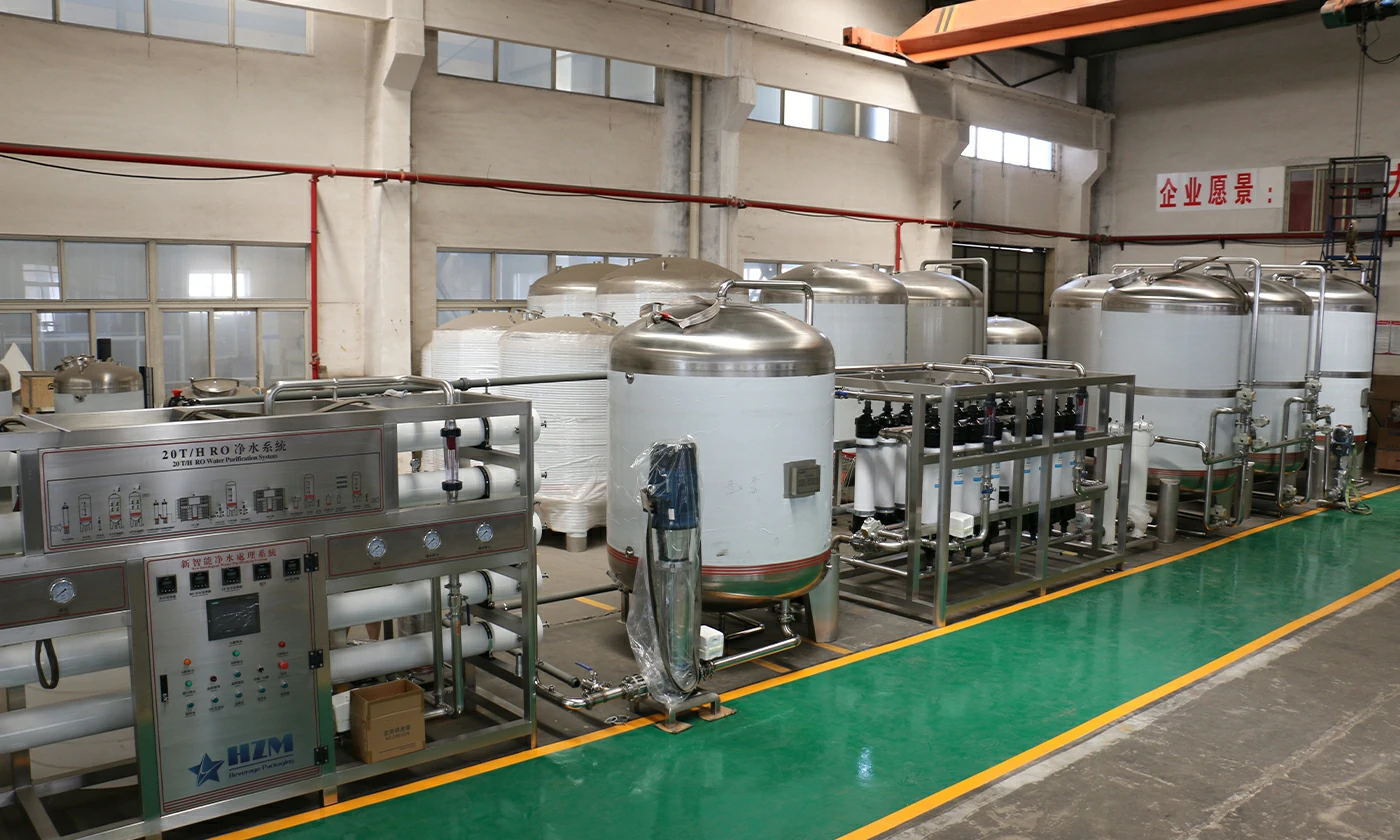
Setting up a mineral water plant is a process-and-packaging project, not the purchase of one machine. The water source, finished-water target, bottle format, daily sales plan, utilities and local compliance requirements must be converted into one balanced design before HZM Machinery can confirm equipment and price.
Key planning decisions
- Use a recent raw-water laboratory report to select treatment stages.
- Calculate net saleable output instead of relying only on filler nameplate speed.
- Define bottle making, filling, labeling, packing and pallet handling as one scope.
- Reserve hygienic zoning, drainage, maintenance access and future expansion space.
Start with raw-water analysis and the finished-water target
A treatment proposal should begin with representative source-water data. Test parameters normally include turbidity, hardness, alkalinity, conductivity or TDS, iron, manganese, silica and microbiological indicators. Seasonal variation matters: one sample taken in favorable conditions may not represent the design case.
The product-water specification and intended mineral profile then determine whether the plant needs multimedia filtration, activated carbon, softening, cartridge filtration, ultrafiltration, reverse osmosis, nanofiltration, UV, ozone or a controlled blending step. A broad claim that one process is universally superior is not enough. Recovery, concentrate disposal, cleaning access, dosing control and laboratory verification should be included in the engineering discussion.
Convert the sales plan into net line capacity
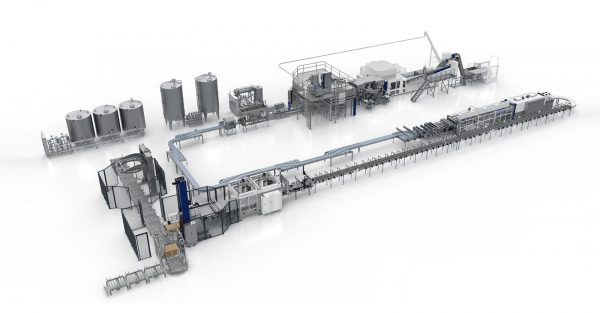
State the required bottles per day for each SKU, operating shifts, planned cleaning, changeover frequency and expected line efficiency. The filler, blow molder, labeler and packer must be balanced to the same saleable-output target. Buffering and short-stop recovery are also important because the slowest or least reliable interface determines actual production.
- Bottle drawings, neck finish, preform and cap specifications
- Required net output by bottle size
- Label type and secondary-pack arrangement
- Pallet pattern and warehouse handling method
- Planned future formats or capacity expansion
Define the complete plant boundary
Review the Industrial RO Drinking Water Treatment Plant for treatment scope and the Bottled Water Filling Machine and Turnkey Water Bottling Line for packaging equipment. The Water Filling Production Line shows how the main stages connect. Actual HZM projects such as the 36,000 BPH Pure Water Bottling Line for Gold Water Ethiopia provide useful context, but a new proposal still requires current samples, layout and user requirements.
| Design input | Engineering effect | Buyer document |
|---|---|---|
| Raw and product water | Treatment route, recovery, dosing and monitoring | Laboratory report and target specification |
| Demand by SKU | Net line speed, buffers and operating schedule | Daily output plan and bottle list |
| Factory conditions | Layout, utilities, drainage and access | Dimensioned drawing and utility data |
RFQ and acceptance checklist
- Define treatment capacity as net product water at the design temperature, not only nominal membrane flow.
- Mark ownership of tanks, piping, laboratory instruments, compressors, chillers, conveyors and packaging equipment.
- Agree FAT products and packaging materials, test duration, efficiency calculation, reject definition and recorded results.
- Confirm installation, commissioning, training, manuals, spare parts and local responsibilities.
Frequently asked questions
Can equipment be selected without a raw-water report?
Only a preliminary concept can be discussed. Final membrane, pretreatment, dosing and cleaning design should use representative laboratory data and the required finished-water specification.
How much space should a mineral water plant reserve?
Space depends on treatment, storage, bottle making, filling, packing, warehouse flow and hygiene zoning. A dimensioned building plan is needed before a reliable layout is issued.
Is rated filler speed equal to daily output?
No. Changeovers, cleaning, material supply, rejects and downstream stops reduce saleable production. Acceptance should define the efficiency basis and test conditions.
Plan your mineral water project with HZM
Send the raw-water report, bottle formats, output plan and factory drawing for a project-specific proposal. Get Quotes And Specifications
Talk to our engineering team
Need help planning your packaging line?
Share your product, bottle and capacity requirements for a practical equipment recommendation.
Equipment
Industrial RO Drinking Water Treatment Plant – Reverse Osmosis Equipment for Beverage & Bottled Water
This Industrial RO Drinking Water Treatment Plant is configured for process and product water for bottled-water and beverage plants at 1000L/H; final scope follows…
Learn more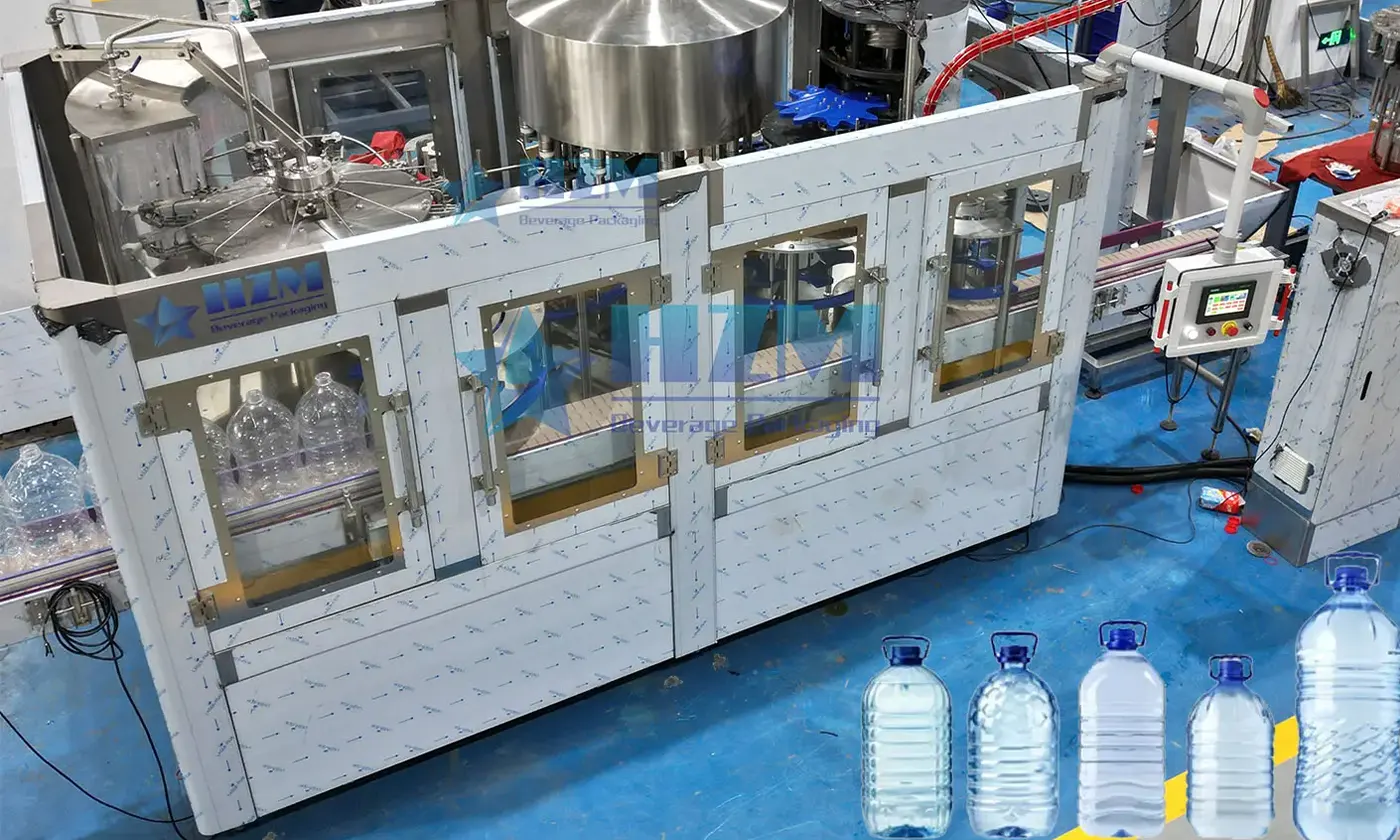
Equipment
Bottled Water Filling Machine & Turnkey Water Bottling Line
This Bottled Water Filling Machine & Turnkey Bottling Line is configured for purified water, mineral water and still drinking water at 5,000–42,000 bottles/hour; final…
Learn more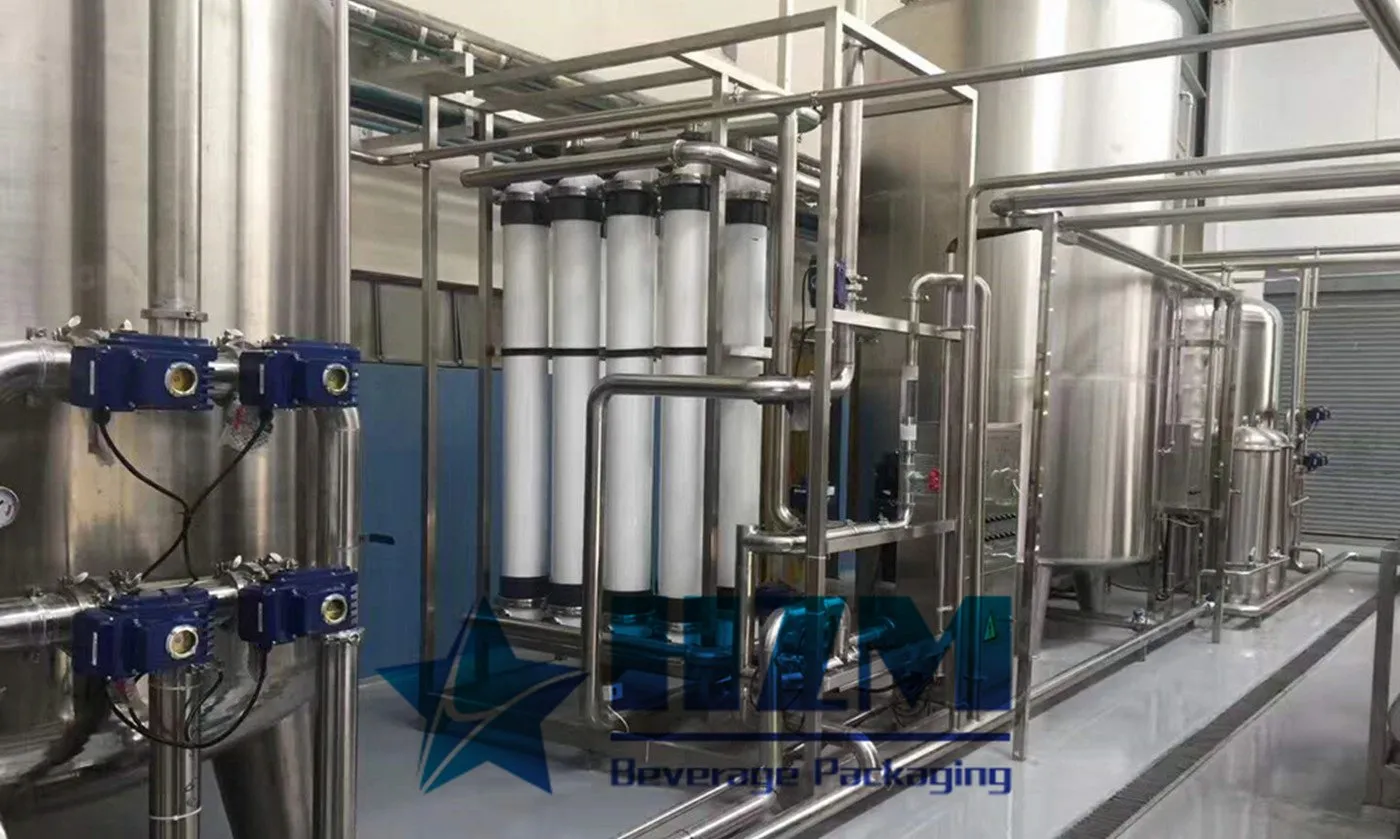
Equipment
Industrial Drinking Water Treatment System
This Industrial Drinking Water Treatment System is configured for process and product water for bottled-water and beverage plants; final scope follows the approved process,…
Learn more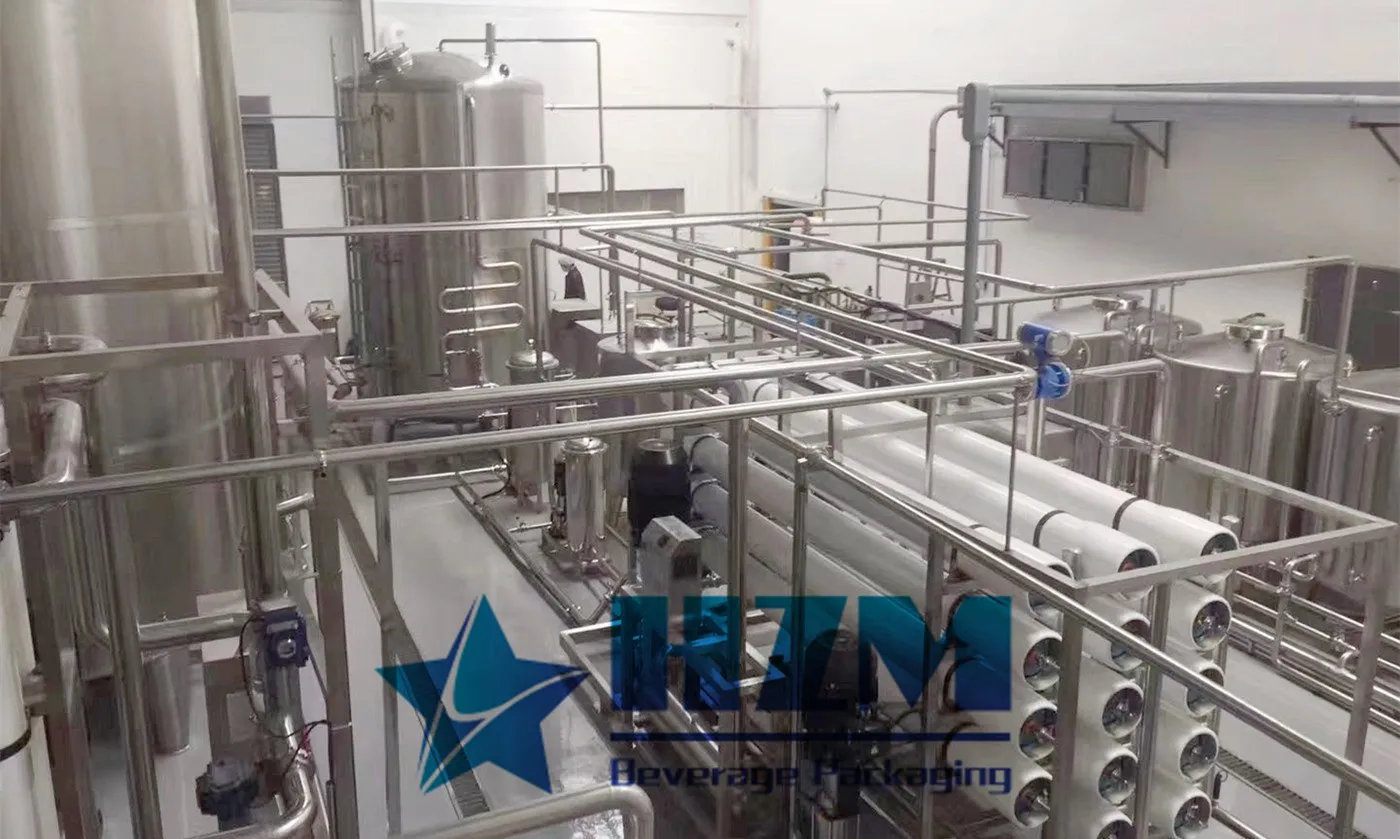
Equipment
Water Treatment Machine Purification System
This Water Treatment Machine Purification System is configured for process and product water for bottled-water and beverage plants; final scope follows the approved process,…
Learn more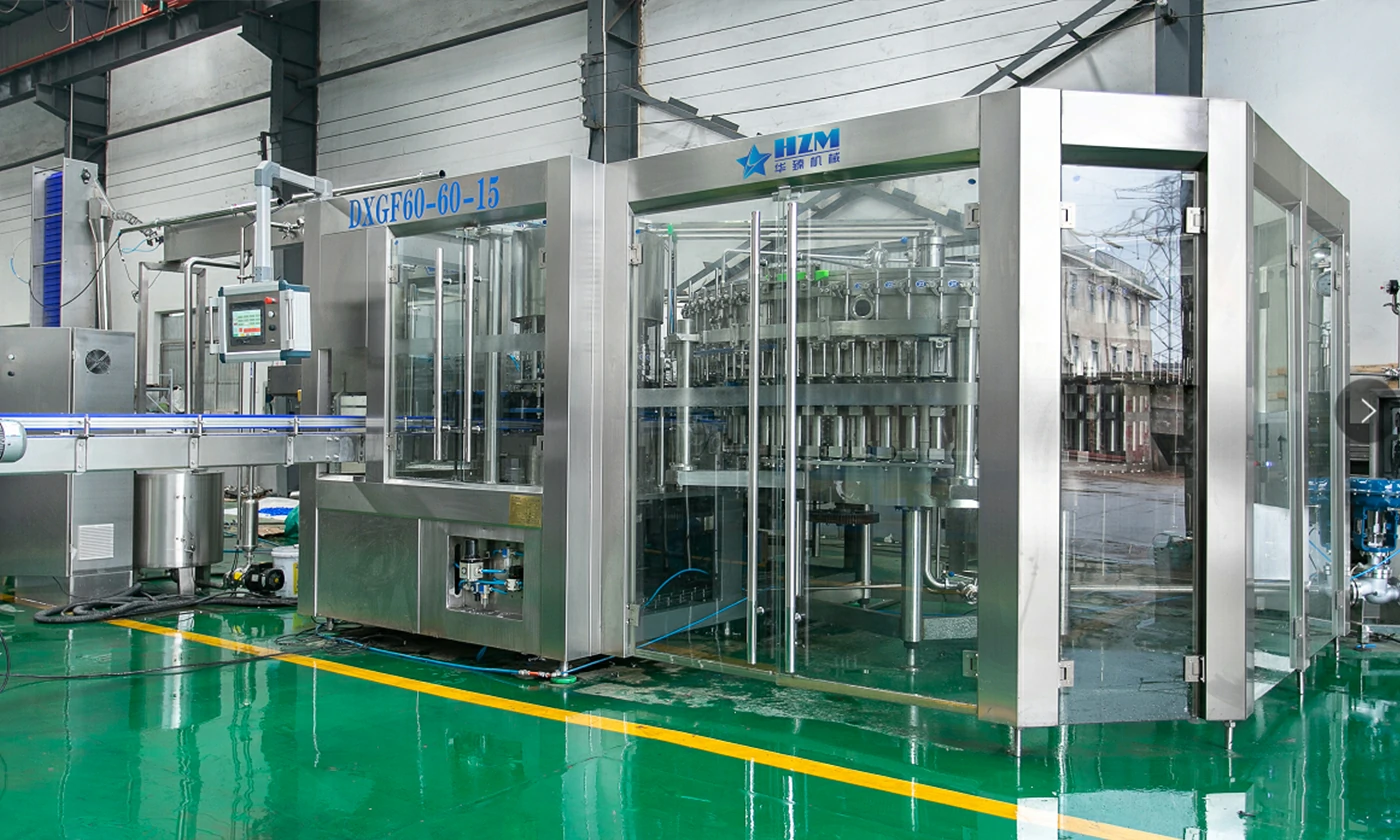
2026-08-16
Glass Bottle Fill Levels Vary by Valve: How to Isolate the Fault
Map the defect by filling valve and bottle lot. Verify bottle internal-volume variation, lift and seal condition, vent-tube depth, valve cleanliness, tank level and product pressure before altering the global fill-height setting. Follow this practical fault-isolation, repair and prevention guide for bottling-line operators and maintenance teams.
Learn more2026-08-12
FAT and SAT Checklist for a Turnkey Beverage Filling Line
Define factory and site acceptance tests for speed, quality, changeover, utilities, documents, safety, training and final line performance.
Learn more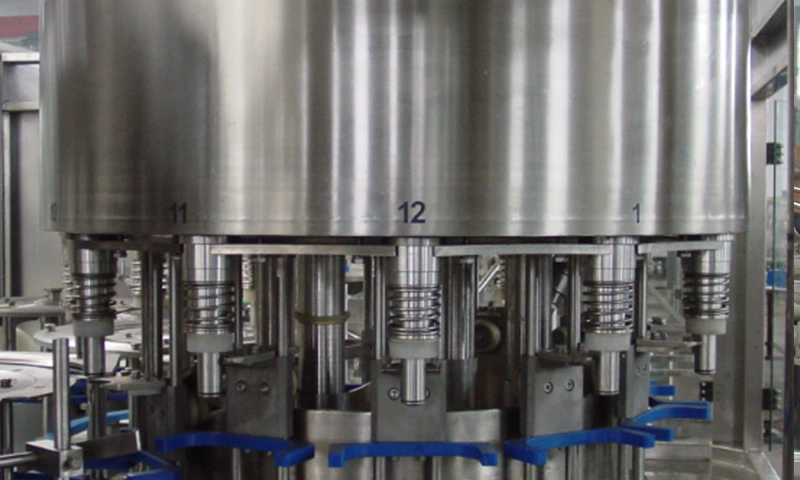
2026-08-11
Filling Machine Spare Parts: Build a Risk-Based Inventory and PM Plan
Classify critical filling-line spares by failure impact, lead time and wear rate, then connect inventory with preventive maintenance and usage records.
Learn more
2026-08-10
Beverage Plant Utilities Checklist Before Equipment Installation
Prepare electricity, compressed air, water, steam, cooling, drains, floor loads, ventilation and access before a beverage line arrives.
Learn more
2026-08-09
Can Double-Seam Quality: A Buyer and Operator Inspection Checklist
Protect canned beverage quality with correct end handling, seamer setup, teardown measurements, defect trending and maintenance controls.
Learn more
2026-08-08
Servo Piston Filling for Sauces: Nozzle, Particle Size and Accuracy Checklist
Specify a servo piston filler for ketchup, mayonnaise, soy sauce and particulate products by viscosity, particle size, nozzle, hopper, cleaning and accuracy.
Learn more