
Insights & Updates
Milk Filling Machine Installation Checklist: Utilities, Hygiene and Commissioning
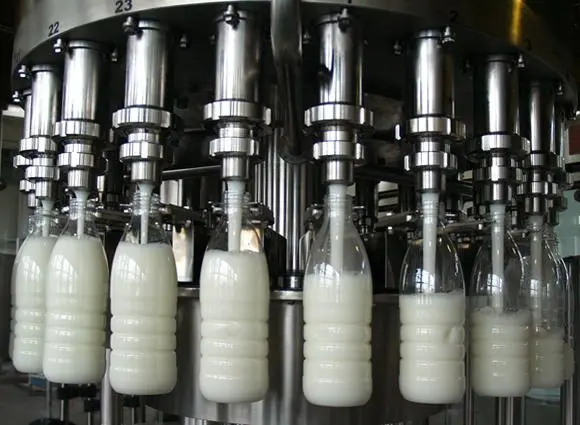
Most installation delays are not caused by the filler itself. They come from missing utilities, poorly positioned drains, late changes to the bottle or cap, pipework that cannot be cleaned properly, or an unclear division of responsibility between the machine supplier and the factory.
Milk and dairy beverages add another level of risk because they are microbiologically sensitive. The filling machine cannot compensate for an unsuitable heat-treatment process, contaminated packaging, or weak temperature control. Installation should therefore be planned as part of the complete process—from product preparation to filled-pack storage—not as a stand-alone mechanical job.
Important: process temperatures, hold times, sanitation procedures, and shelf-life controls must be validated for the actual formulation, package, distribution method, and applicable food-safety regulations. Generic settings are not a substitute for a qualified process design.
1. Freeze the product and package specification before delivery
A machine cannot be installed correctly against a moving target. Confirm the product viscosity, presence of pulp or particles, filling temperature, required shelf life, container material, bottle dimensions, neck finish, cap, label, and target output. If several formats will run, list each one and identify the most frequent changeover.
Send production-grade samples to the equipment supplier. A drawing is useful, but real bottles and caps expose tolerance, stiffness, and handling issues that drawings often miss.
2. Plan hygienic zoning and personnel flow
Separate raw-material, processing, filling, and finished-product movements so people, packaging, waste, and maintenance traffic do not cross the cleanest area unnecessarily. The filling room should be easy to clean, with controlled access and sufficient space to remove guards, service valves, and replace change parts.
Avoid placing the filler directly beside dusty carton handling or an open drain. If a clean enclosure, filtered air, cap sanitation, or aseptic system is required, define its boundaries and environmental monitoring plan before utilities and walls are finalized.
3. Check the floor, drainage and service clearances
- Verify floor loading against the machine and product weight, not only the empty shipping weight.
- Confirm floor level and the allowable method for leveling or anchoring the frame.
- Provide a cleanable, slip-resistant surface with falls that do not cause the machine to sit unevenly.
- Position drains where cleaning water can flow without crossing electrical cabinets or creating standing water.
- Reserve access for door opening, component removal, lubrication, inspection, and emergency egress.
Mark the machine footprint, conveyor centerline, operator position, service side, and maintenance envelope on the floor before equipment arrives. This simple layout review prevents many last-minute moves.
4. Verify every utility at the point of connection
| Utility | What to confirm | Common installation problem |
|---|---|---|
| Electrical supply | Voltage, phase, frequency, available load, protective devices, and grounding | Correct voltage on paper but unstable supply or undersized cable |
| Compressed air | Pressure, flow, dryness, filtration, and connection size | Adequate static pressure but insufficient flow during peak demand |
| Product and cleaning media | Flow, pressure, temperature, material, valve type, and hygienic connection | Dead legs, wrong gasket material, or pipes that cannot drain |
| Water | Quality and quantity for rinsing, cleaning, cooling, and utilities | Assuming one water specification is suitable for every use |
| Drain and exhaust | Capacity, backflow prevention, route, and cleanability | Drain too small for cleaning discharge or positioned under controls |
Measure utilities while other major equipment is running. A compressor or transformer may appear adequate during an empty-factory check and fall short during production.
5. Install hygienic piping that can be cleaned and drained
Product piping should be supported independently rather than hanging its weight on the filler connection. Use suitable sanitary fittings, seals, valves, and slopes. Minimize dead ends and confirm that the cleaning circuit reaches the filler, buffer tank, valves, and return path at the required flow conditions.
Before connecting the filler, flush and inspect new pipework so welding debris, oil, or construction dust cannot enter the machine. Identify product, cleaning, water, air, and return lines clearly to reduce connection errors during maintenance.
6. Integrate upstream and downstream equipment as one line
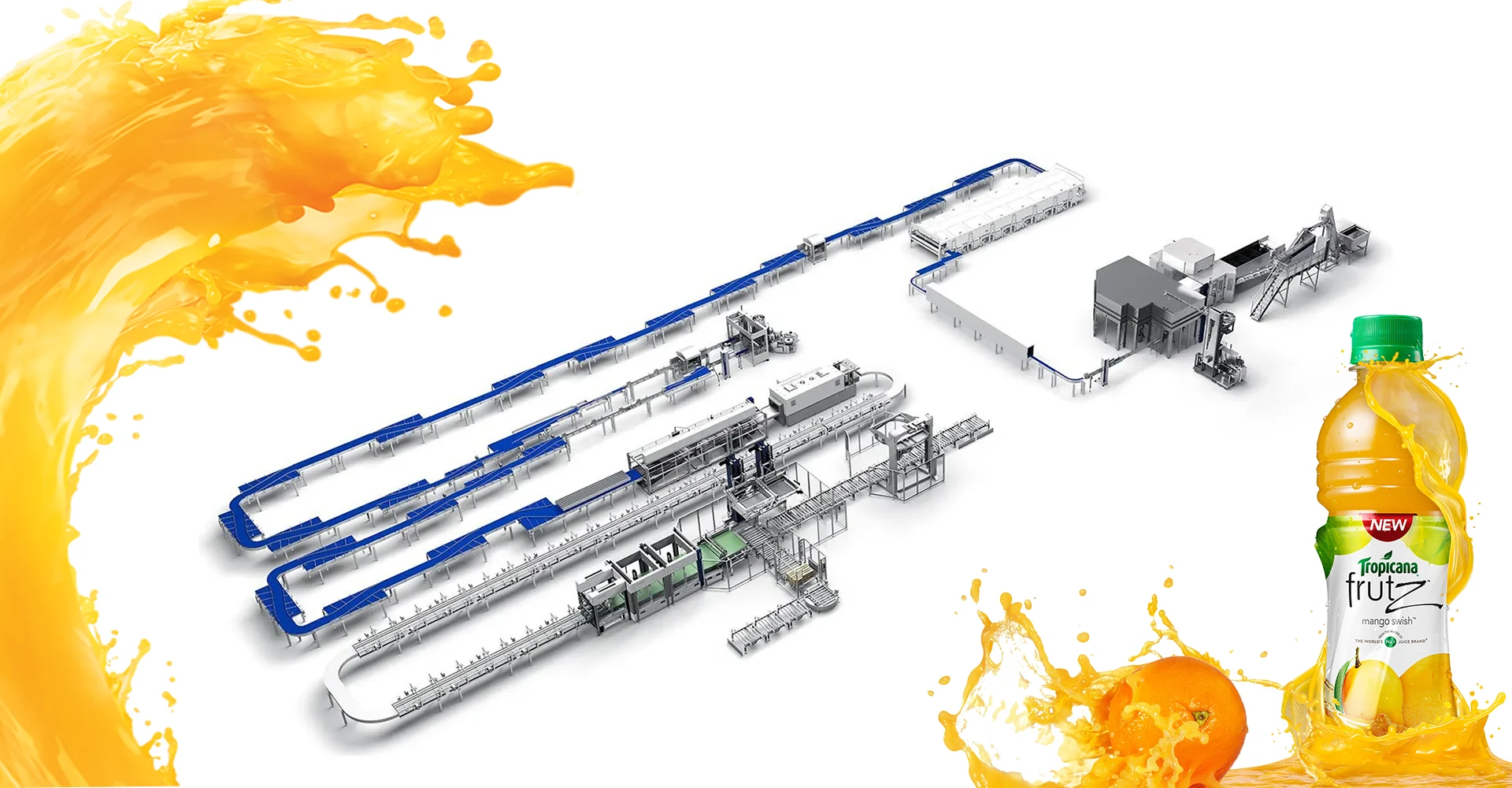
Confirm product-buffer level control, start/stop logic, conveyor speeds, bottle accumulation, cap supply, coding, labeling, and packing signals. Each supplier should know which panel provides the master line command and what happens when a downstream machine stops.
For bottled dairy beverages, temperature control and time outside the validated process window need special attention. The plan should define how product is diverted, recovered, or disposed of after a prolonged stop.
7. Complete electrical and machine-safety checks
Use a qualified electrician to verify protective earth, cable sizing, phase sequence, cabinet protection, emergency-stop circuits, guard interlocks, and lockout points. Keep washdown hoses away from components not rated for direct spray. Pneumatic and hydraulic energy should have clearly identified isolation and safe depressurization procedures.
8. Commission in controlled stages
- Documentation review: manuals, drawings, part lists, certificates, and software backups.
- Mechanical inspection: shipping damage, fasteners, lubrication, guards, alignment, and conveyor transfer.
- Dry run: motor direction, sensors, actuators, alarms, interlocks, and emergency stops.
- Water trial: leaks, flow paths, filling sequence, drainage, and initial container handling.
- Cleaning verification: agreed cleaning circuit, chemical compatibility, and drainability.
- Product trial: actual product, bottles, caps, and normal operating temperature.
- Sustained run: good output, rejects, stops, fill variation, cap quality, and line balance.
- Handover: operator and maintenance training, spare parts, open-issue list, and acceptance record.
Acceptance criteria to agree in writing
Define how output, filling accuracy, product loss, closure quality, changeover time, cleaning, and safety will be tested. “Machine runs normally” is not an acceptance criterion. State the product, container, sampling method, test duration, utilities, and allowable results.
Five installation mistakes that are expensive to correct
- Ordering the filler before the product and shelf-life process are confirmed.
- Designing the room around the machine footprint without maintenance clearance.
- Using process piping with poor drainability or unsuitable connections.
- Testing only at low speed and accepting the line without a sustained run.
- Training operators but not the technicians who will diagnose faults and maintain hygienic parts.
HZM Machinery can configure beverage filling equipment and line interfaces around the specified bottle, product, output, and factory conditions. For milk or other low-acid dairy products, the complete processing and hygiene concept must be reviewed and validated for the intended shelf life.
Information to send the supplier before installation
Provide the factory layout, floor and drain plan, utility data, product specification, bottle and cap samples, packaging drawings, target speed, cleaning method, local electrical code, delivery access, lifting plan, and the names of the people responsible for civil work, utilities, process piping, electrical work, and commissioning. Clear ownership is one of the best ways to keep the installation on schedule.
Talk to our engineering team
Need help planning your packaging line?
Share your product, bottle and capacity requirements for a practical equipment recommendation.
Equipment
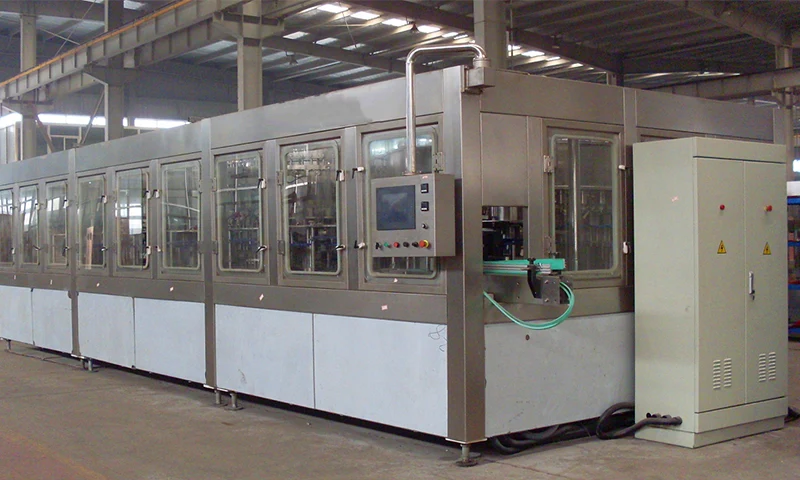
Mono-block Filling Machine 3 in 1
This Mono-block Filling Machine 3 in 1 is configured for mineral Water, Beverage, juice, beer; final scope follows the approved process, package and plant…
Learn moreEquipment
Beverage Filling Machine & Turnkey Filling Line for Juice, Soft Drinks and Cans
This Beverage Filling Machine & Turnkey Filling Line for Juice is configured for juice, tea, carbonated soft drinks, energy drinks, water and beer at…
Learn more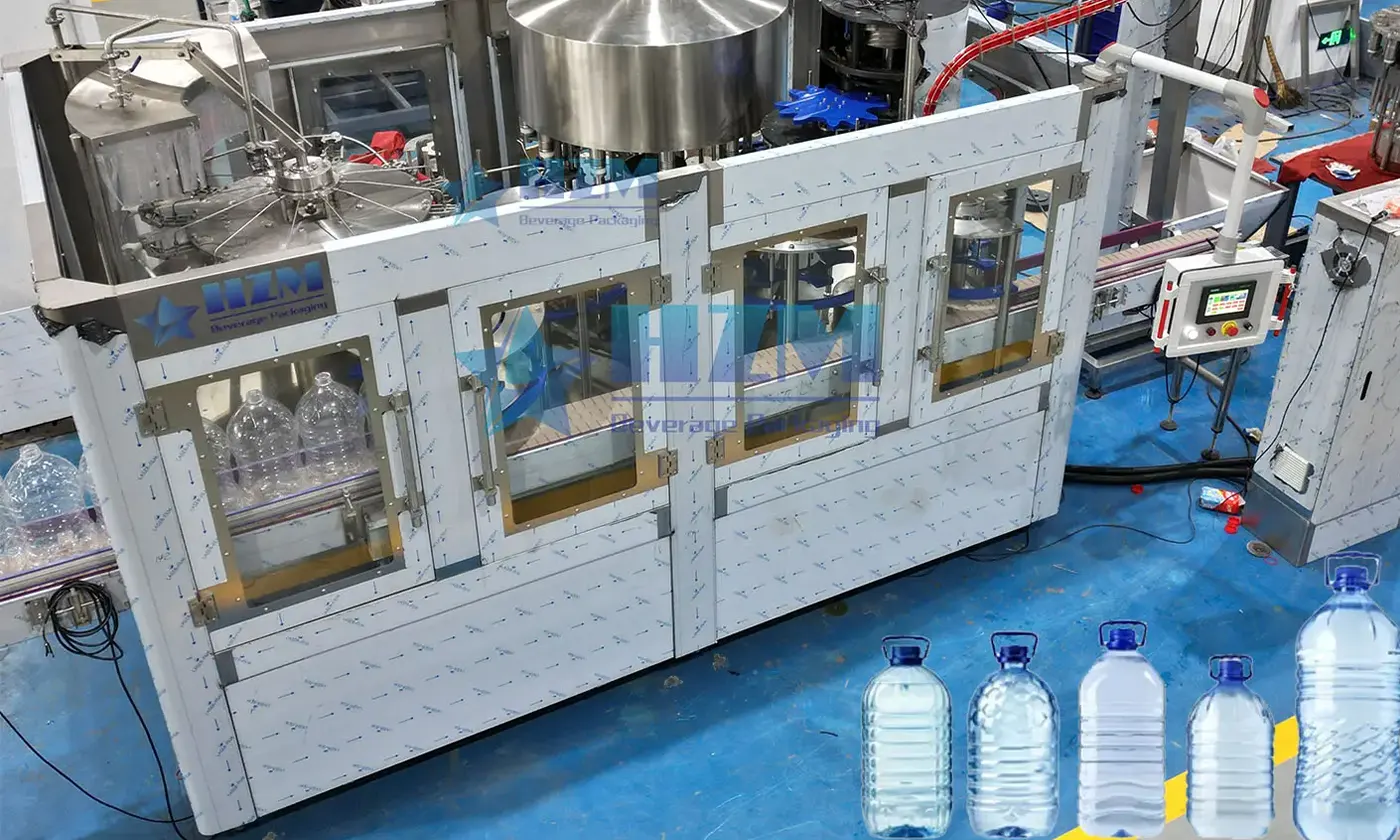
Equipment
Bottled Water Filling Machine & Turnkey Water Bottling Line
This Bottled Water Filling Machine & Turnkey Bottling Line is configured for purified water, mineral water and still drinking water at 5,000–42,000 bottles/hour; final…
Learn more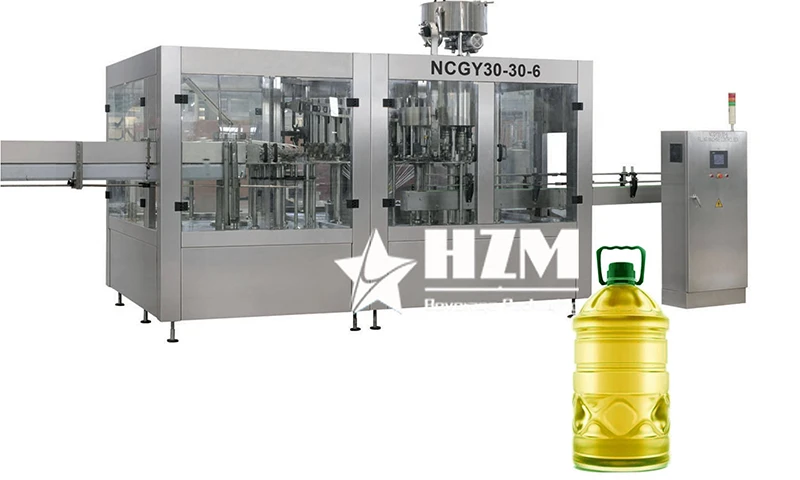
Equipment
2-in-1 Monoblock Edible Cooking Oil Filling and Capping Machine
This 2-in-1 Monoblock Edible Cooking Oil Filling and Capping is configured for edible oil or lubricant specified for the filling project at 960–2880 BPH;…
Learn more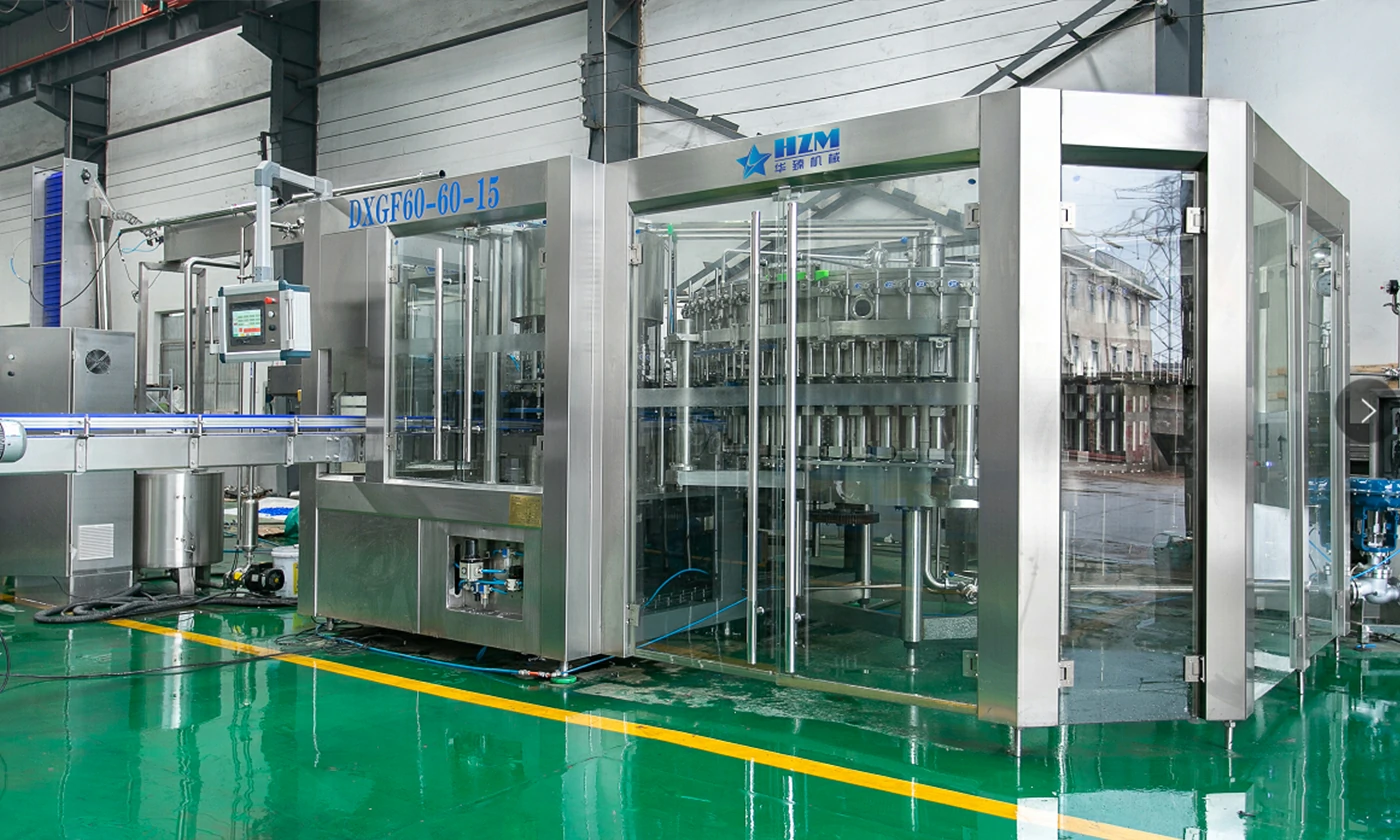
2026-08-16
Glass Bottle Fill Levels Vary by Valve: How to Isolate the Fault
Map the defect by filling valve and bottle lot. Verify bottle internal-volume variation, lift and seal condition, vent-tube depth, valve cleanliness, tank level and product pressure before altering the global fill-height setting. Follow this practical fault-isolation, repair and prevention guide for bottling-line operators and maintenance teams.
Learn more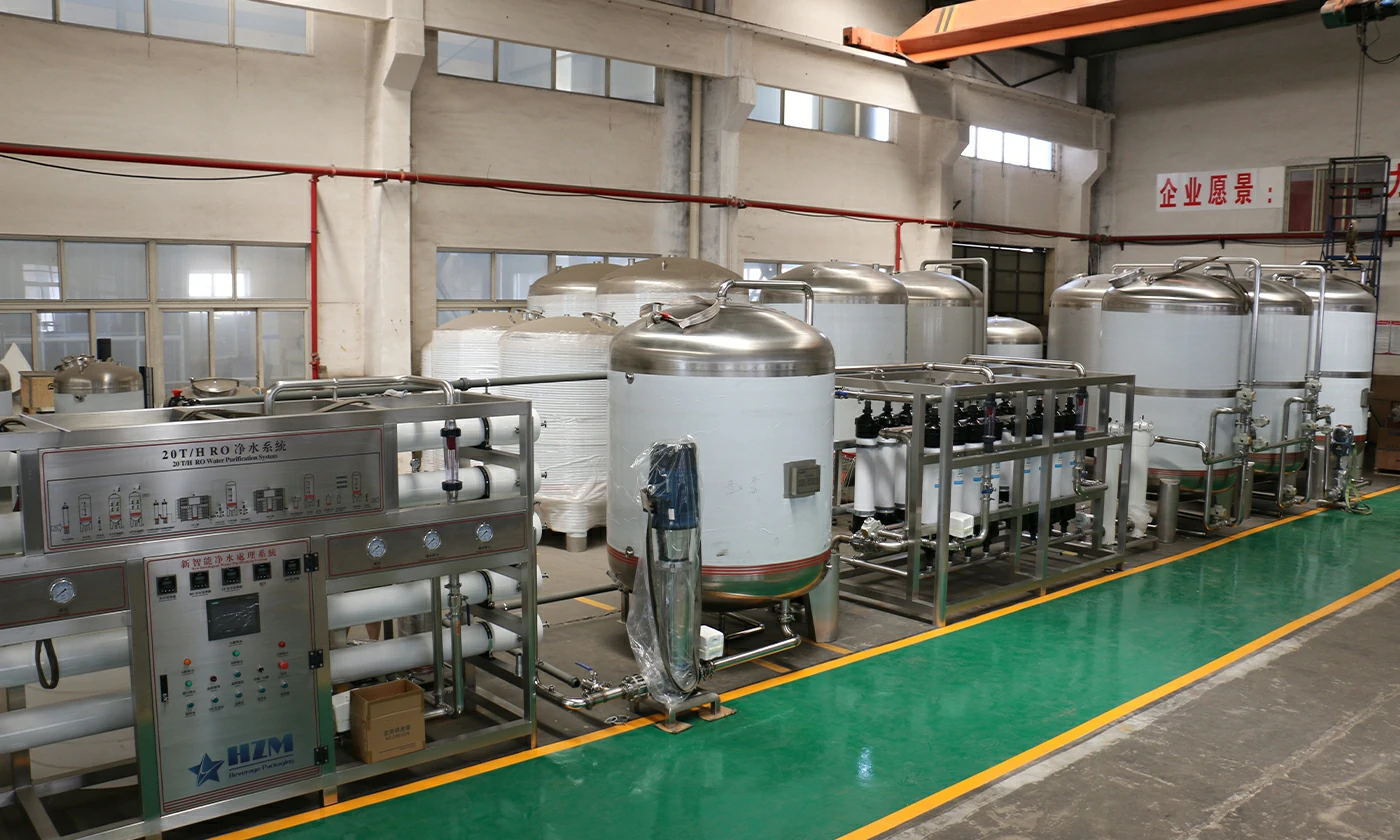
2026-08-12
FAT and SAT Checklist for a Turnkey Beverage Filling Line
Define factory and site acceptance tests for speed, quality, changeover, utilities, documents, safety, training and final line performance.
Learn more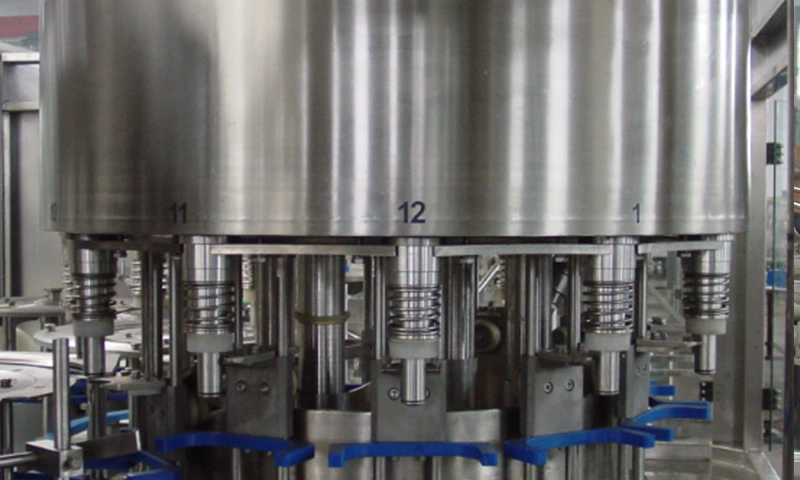
2026-08-11
Filling Machine Spare Parts: Build a Risk-Based Inventory and PM Plan
Classify critical filling-line spares by failure impact, lead time and wear rate, then connect inventory with preventive maintenance and usage records.
Learn more2026-08-10
Beverage Plant Utilities Checklist Before Equipment Installation
Prepare electricity, compressed air, water, steam, cooling, drains, floor loads, ventilation and access before a beverage line arrives.
Learn more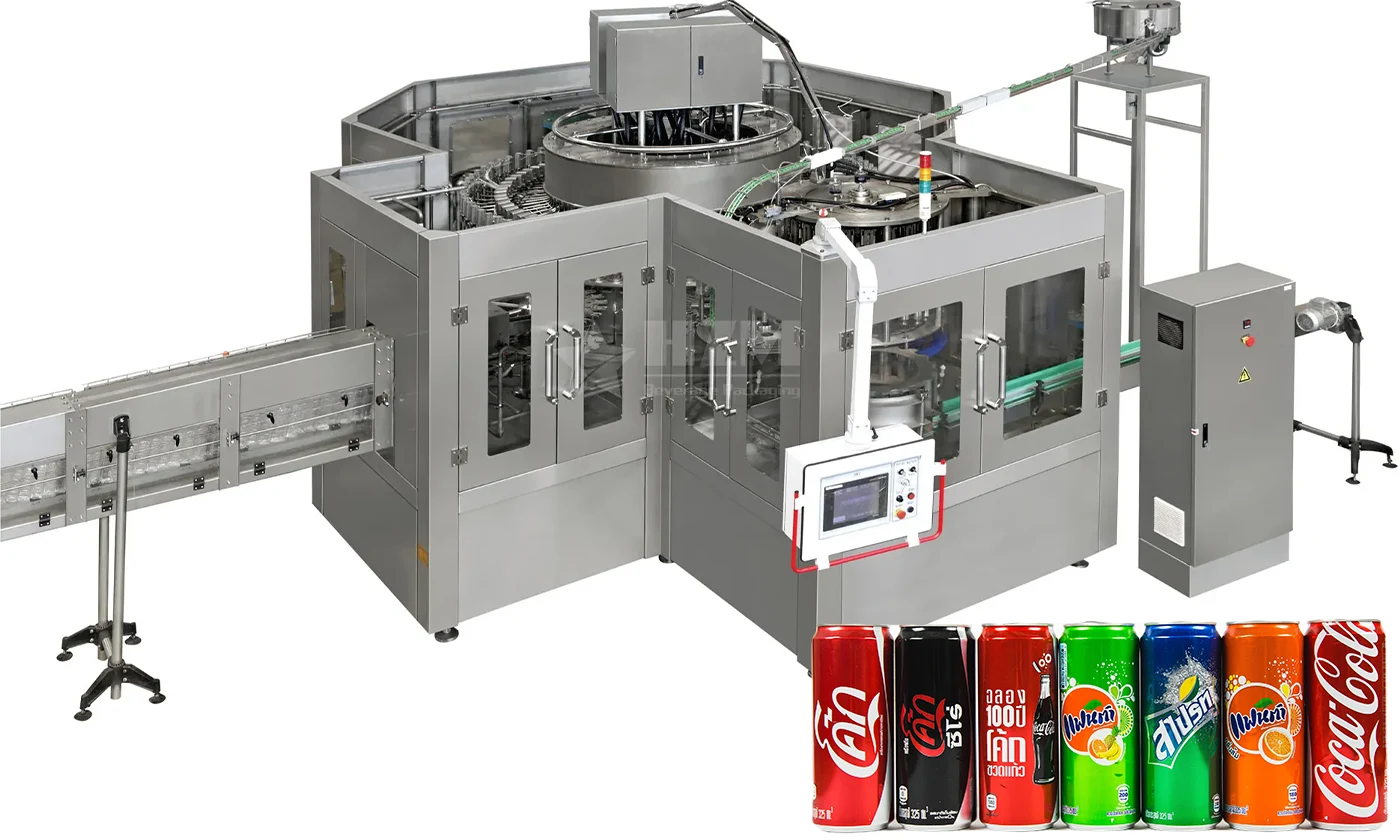
2026-08-09
Can Double-Seam Quality: A Buyer and Operator Inspection Checklist
Protect canned beverage quality with correct end handling, seamer setup, teardown measurements, defect trending and maintenance controls.
Learn more
2026-08-08
Servo Piston Filling for Sauces: Nozzle, Particle Size and Accuracy Checklist
Specify a servo piston filler for ketchup, mayonnaise, soy sauce and particulate products by viscosity, particle size, nozzle, hopper, cleaning and accuracy.
Learn more