
Insights & Updates
What are the Common Troubleshooting Methods for Automatic Palletizing Machines?
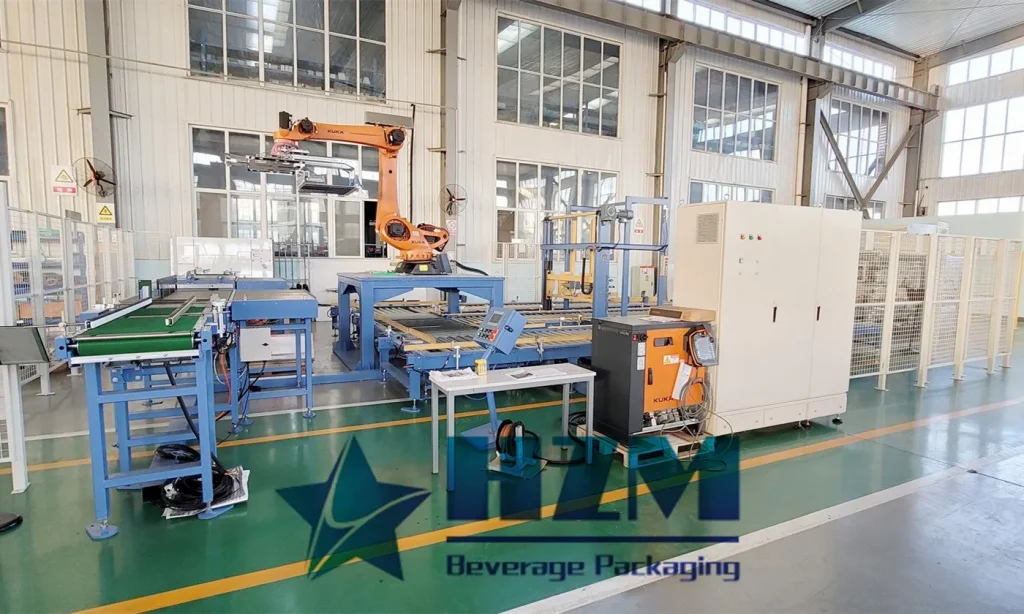
Automatic palletizing machines offer advantages in organized and fast stacking, and are widely used in various industries. After long-term use, it’s inevitable that automatic palletizing machines may encounter some issues. To help customers identify common problems, what are the troubleshooting methods for common issues with automatic palletizing machines?
chine home Home /Packaging machine /Automatic Palletizing Machine
Abnormal Electronic Valve in the Automatic Palletizing Machine
If the electronic valve in the automatic palletizing machine malfunctions, start by pressing the emergency button for an immediate shutdown. Confirm that the equipment has stopped, and then proceed with an inspection and appropriate troubleshooting. If necessary, disconnect the power supply to the automatic palletizing machine to prevent accidental startup.
No Signal from the Magnetic Ring Switch on the Cylinder After Activation
The cause of this issue might be that the magnetic ring switch is not in the correct position or the piston rod is not fully extended or retracted. For the first scenario, adjust the magnetic ring switch to make the indicator light up before securing it. If the problem is caused by the second scenario, adjust the cylinder cushion to ensure that the piston rod is fully extended or retracted.
No Signal from the Photoelectric Switch After the Automatic Palletizing Machine is in Position
In this case, you can check if the transmitter and receiver ends of the opposite photoelectric switch are aligned correctly, if the retroreflective photoelectric switch is aligned with the retroreflector, if the proximity between the through-beam photoelectric switch and the observed object is appropriate, if there are any foreign objects obstructing the photoelectric switch, and if the connection wires are loose.
Talk to our engineering team
Need help planning your packaging line?
Share your product, bottle and capacity requirements for a practical equipment recommendation.
Equipment
Automatic Palletizing Machine
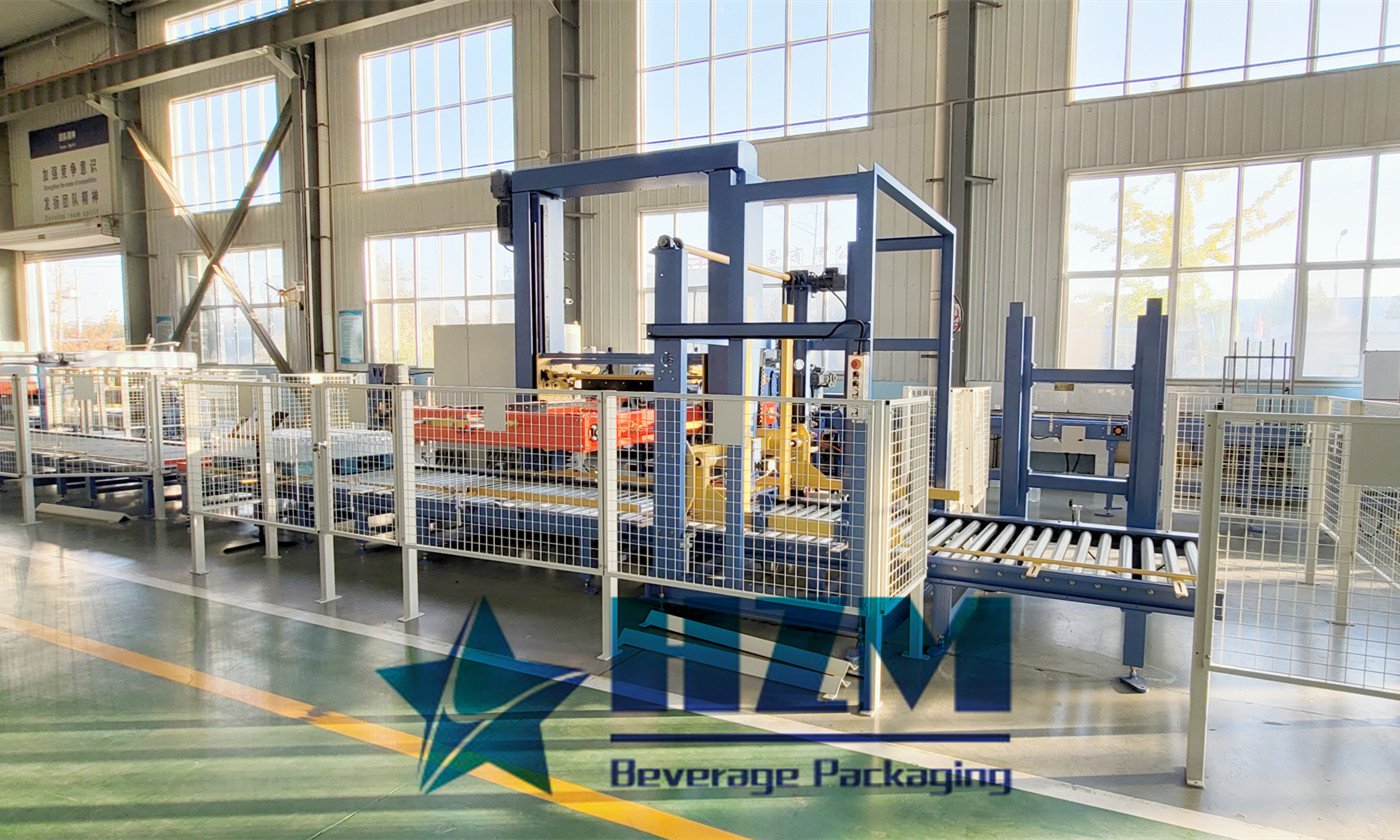
This Automatic Palletizing Machine is configured for secondary packaging and end-of-line handling for bottled or canned products; final scope follows the approved process, package…
Learn more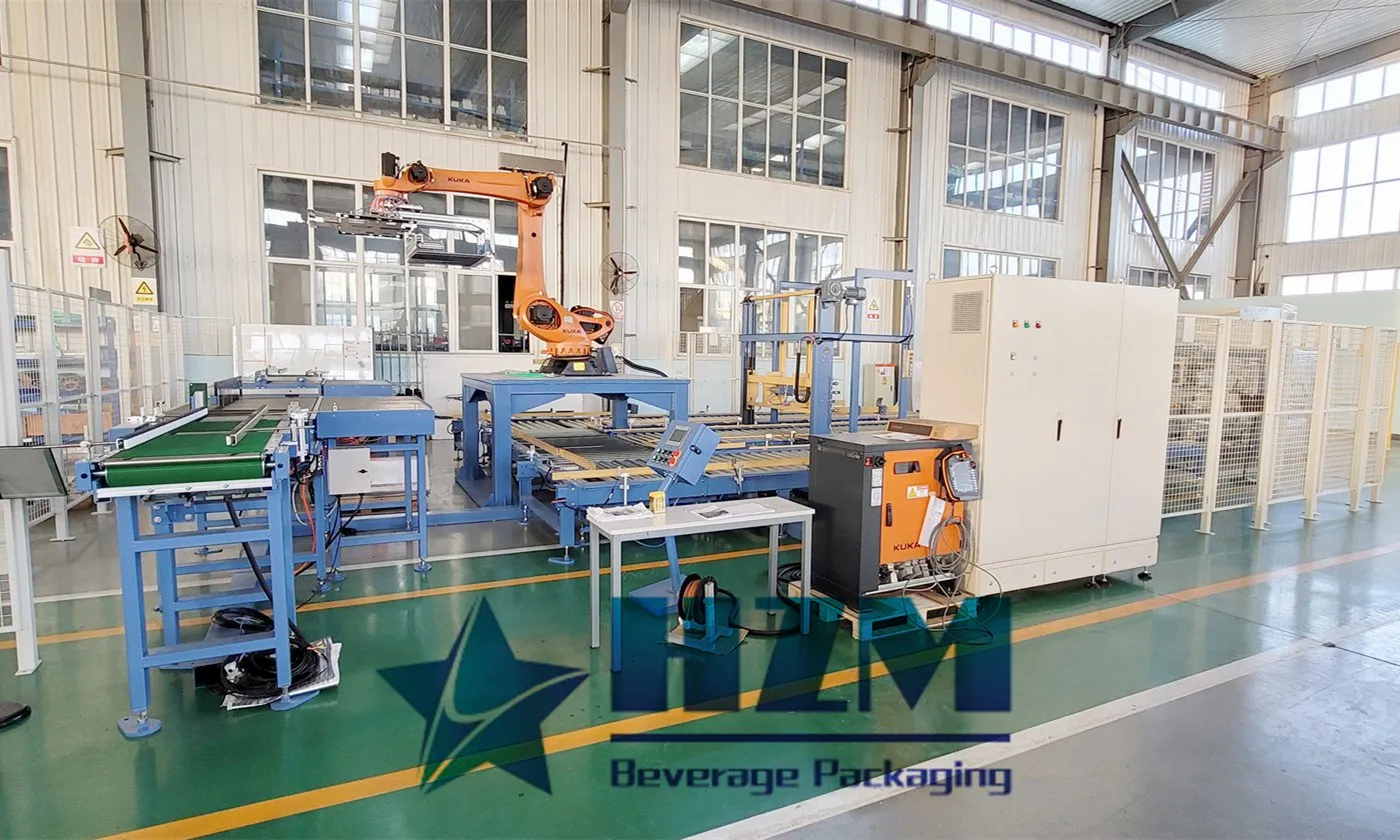
Equipment
Automatic Robot Palletizing System
This Automatic Robot Palletizing System is configured for secondary packaging and end-of-line handling for bottled or canned products; final scope follows the approved process,…
Learn more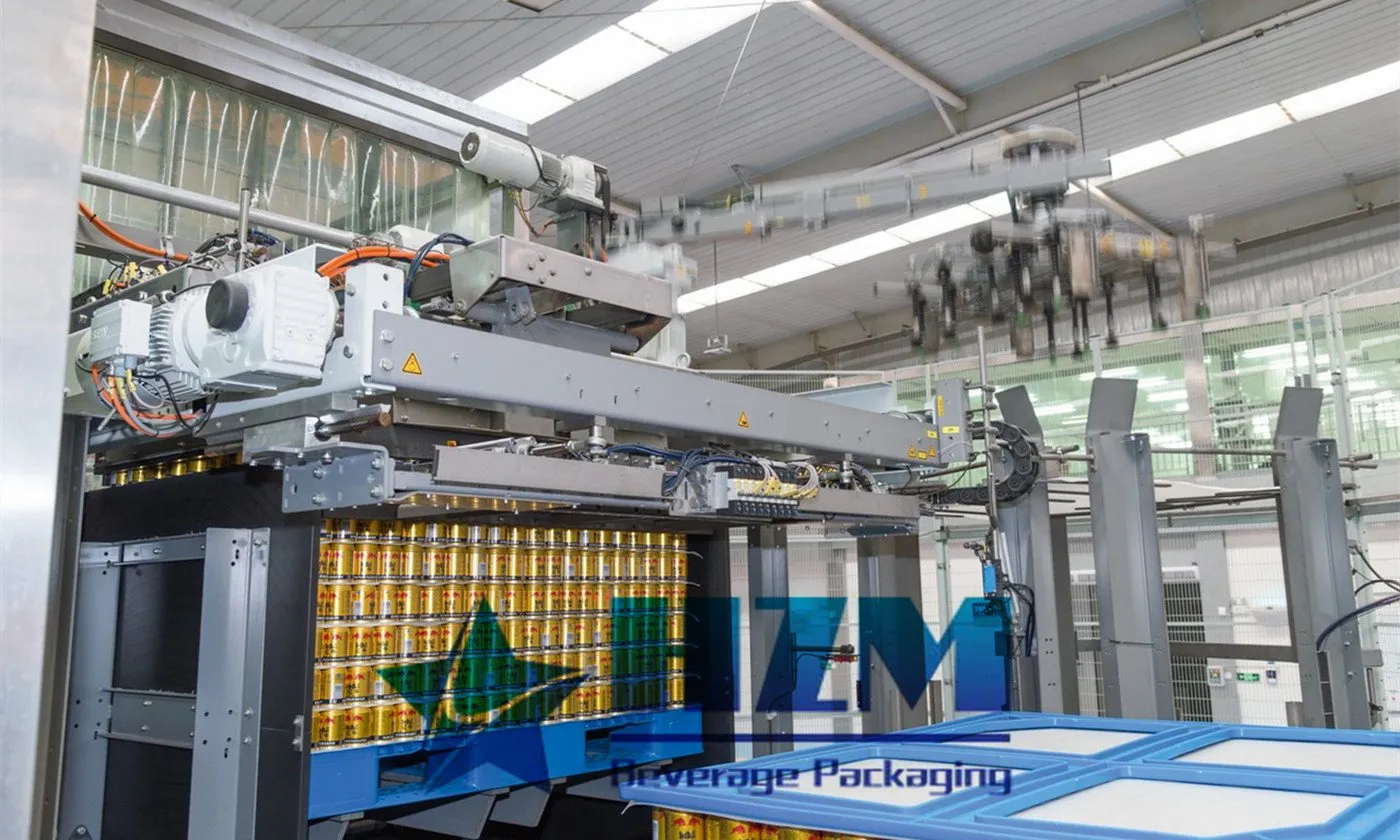
Equipment
Automatic De-palletizer
This Automatic De-palletizer is configured for secondary packaging and end-of-line handling for bottled or canned products; final scope follows the approved process, package and…
Learn more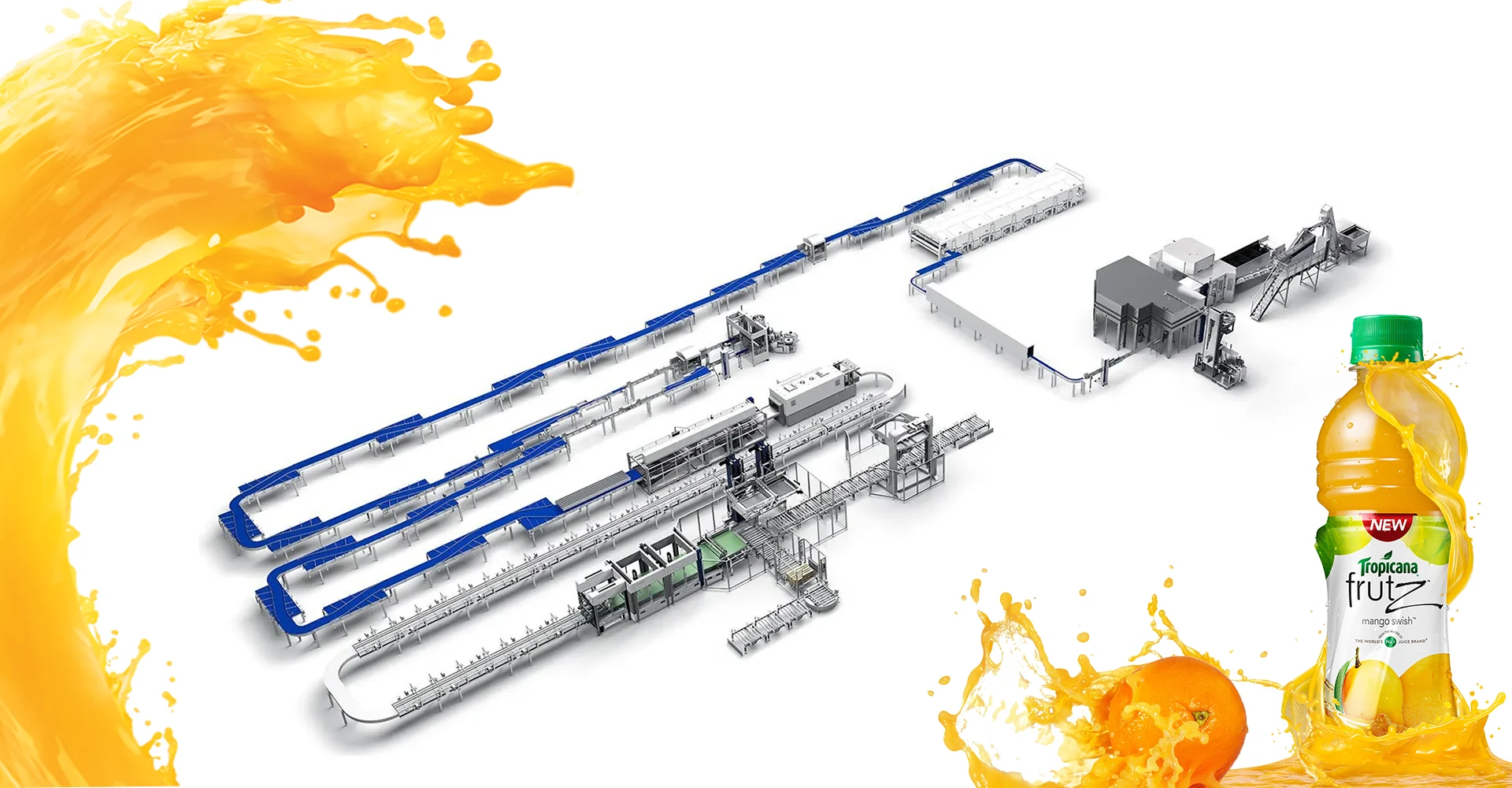
Equipment
Beverage Filling Machine & Turnkey Filling Line for Juice, Soft Drinks and Cans
This Beverage Filling Machine & Turnkey Filling Line for Juice is configured for juice, tea, carbonated soft drinks, energy drinks, water and beer at…
Learn more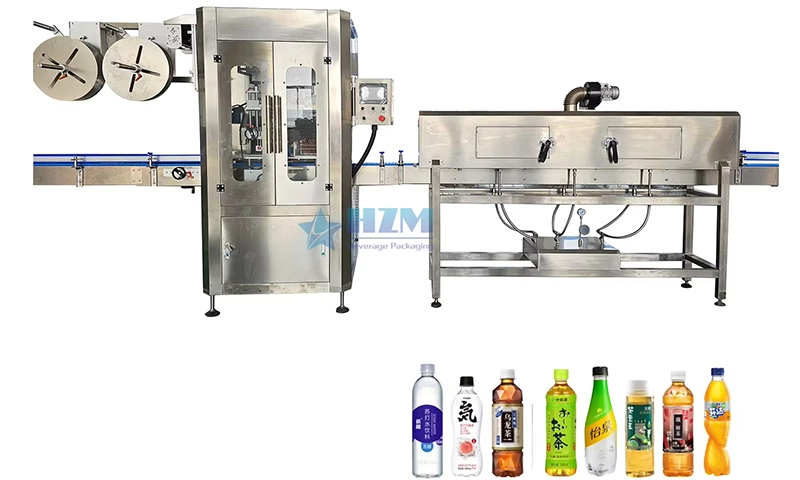
2026-08-28
Sleeve Labels Wrinkle After the Shrink Tunnel
Determine whether the sleeve was straight before entering the tunnel. Then check film shrink curve, tunnel-zone temperature, airflow or steam distribution, bottle moisture, conveyor speed and container geometry. Follow this practical fault-isolation, repair and prevention guide for bottling-line operators and maintenance teams.
Learn more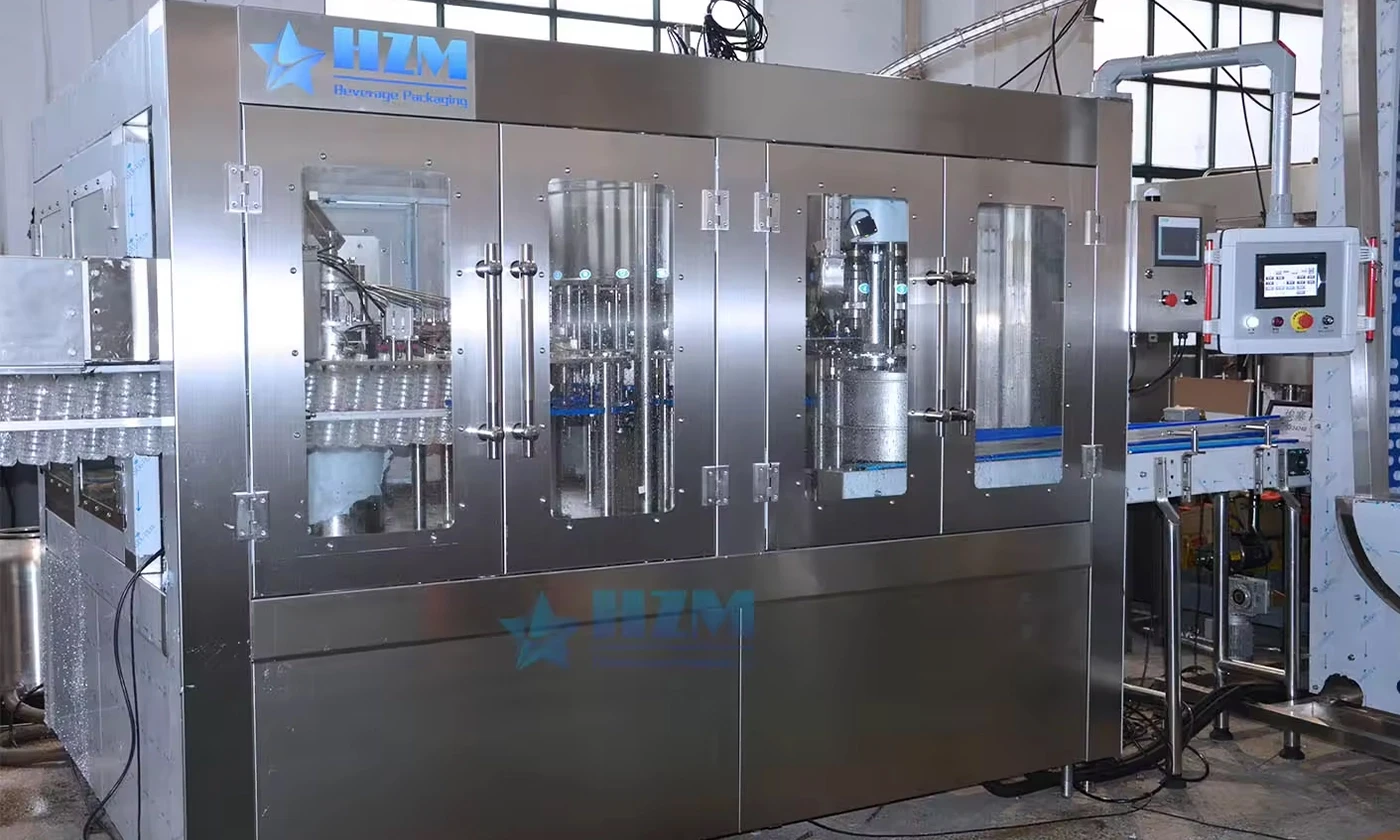
2026-08-23
Bottle Rinser Has Low Spray Pressure: Causes and Repair Steps
Check whether the loss affects the entire rinser or only several nozzles. System-wide loss points to supply, pump, filter or valve problems; a local pattern points to blocked nozzles, damaged tubing or a misaligned bottle. Follow this practical fault-isolation, repair and prevention guide for bottling-line operators and maintenance teams.
Learn more
2026-08-20
Bottle Conveyor Jams at the Same Location Every Shift
Mark the first contact point and inspect guide transitions, chain condition, dead plates, speed change, bottle dimensions, lubrication and upstream accumulation. The pile-up often occurs downstream of the actual interference. Follow this practical fault-isolation, repair and prevention guide for bottling-line operators and maintenance teams.
Learn more
2026-08-16
Glass Bottle Fill Levels Vary by Valve: How to Isolate the Fault
Map the defect by filling valve and bottle lot. Verify bottle internal-volume variation, lift and seal condition, vent-tube depth, valve cleanliness, tank level and product pressure before altering the global fill-height setting. Follow this practical fault-isolation, repair and prevention guide for bottling-line operators and maintenance teams.
Learn more
2026-08-12
FAT and SAT Checklist for a Turnkey Beverage Filling Line
Define factory and site acceptance tests for speed, quality, changeover, utilities, documents, safety, training and final line performance.
Learn more
2026-08-11
Filling Machine Spare Parts: Build a Risk-Based Inventory and PM Plan
Classify critical filling-line spares by failure impact, lead time and wear rate, then connect inventory with preventive maintenance and usage records.
Learn more