
Insights & Updates
Design, Installation, Commissioning, Production, and Maintenance of a Water Bottle Filling Line
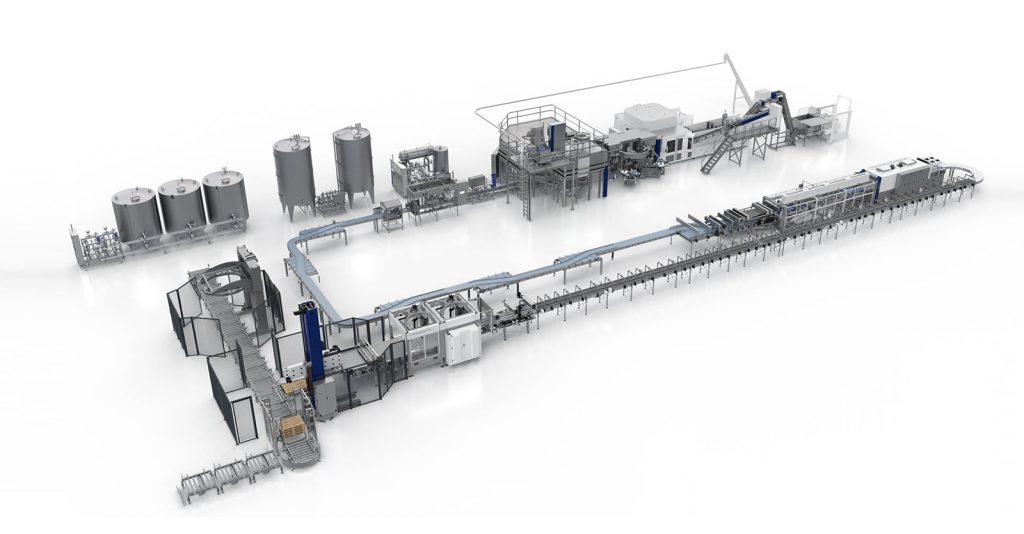
The design, installation, commissioning, production, and maintenance of a water bottle filling line typically involve the following steps and considerations:
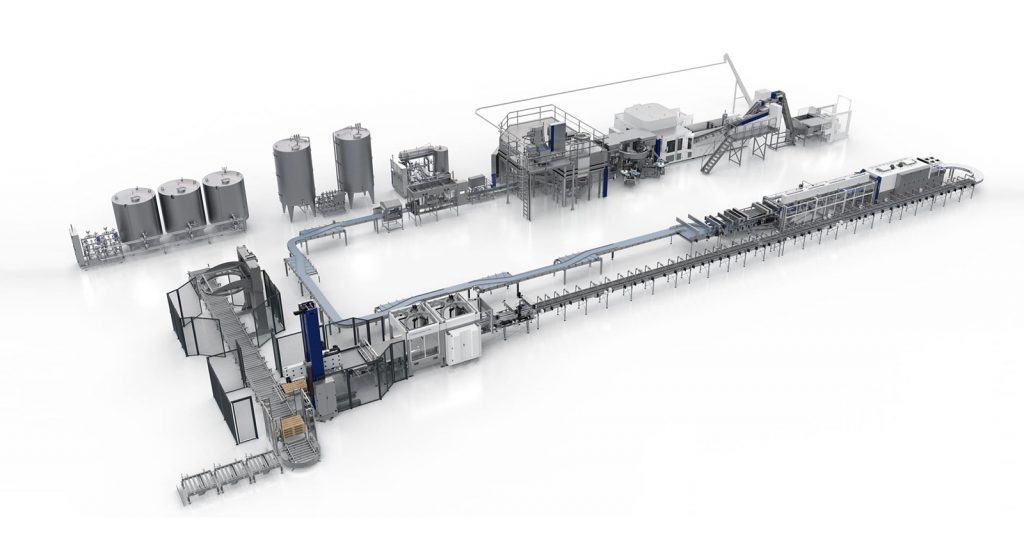
Design Phase:
- Requirement Analysis: Understand the customer’s needs and requirements, including production capacity, bottle specifications, filling volumes, etc.
- Process Design: Determine the workflow of the production line, including bottle feeding, cleaning, filling, sealing, packaging, etc.
- Equipment Selection and Layout: Choose appropriate equipment and machines and determine their layout and sequence on the production line.
- Control System Design: Design the automation control system of the production line, including sensors, actuators, PLCs, etc., to ensure accuracy and stability of operations.
Installation Phase:
- Equipment Procurement: Purchase suitable equipment and machines based on the design requirements.
- Equipment Placement: Install the equipment in designated positions according to the factory’s layout, ensuring reasonable spacing and connections between the devices.
- Electrical Wiring: Carry out electrical wiring and connections to ensure proper power supply and communication for the equipment.
- Pipeline Connection: Connect water sources, air sources, and other necessary pipelines based on the process flow to ensure fluid supply and discharge.
Commissioning Phase:
- Parameter Settings: Configure equipment parameters according to filling requirements, such as filling volume, filling speed, sealing force, etc.
- Operational Testing: Run the equipment and perform functional tests for each step to ensure proper operation according to the design requirements.
- Troubleshooting: Detect and resolve any potential issues and malfunctions during the commissioning process to ensure equipment stability and reliability.
Production Phase:
- Operator Training: Provide training to operators to familiarize them with the operational procedures, equipment usage, and troubleshooting.
- Production Planning: Develop production schedules and ensure the production line operates according to the plan, meeting output and quality requirements.
- Process Monitoring: Monitor the production line’s performance, including equipment status, production efficiency, and product quality, and make timely adjustments and optimizations.
Maintenance Phase:
- Preventive Maintenance: Establish a regular inspection and maintenance plan for the equipment, including cleaning, lubrication, and replacement of worn-out components, to prevent failures and extend equipment lifespan.
- Fault Repair: Promptly diagnose and repair equipment failures to minimize production line downtime and losses.
- Data Analysis: Collect and analyze production data to optimize production efficiency and quality, and improve the overall performance of the production line.
Please note that specific design, installation, commissioning, production, and maintenance steps may vary depending on the type of water bottle filling line and manufacturer. The provided steps serve as general guidelines and should be adjusted and supplemented based on specific circumstances.
Talk to our engineering team
Need help planning your packaging line?
Share your product, bottle and capacity requirements for a practical equipment recommendation.
Equipment
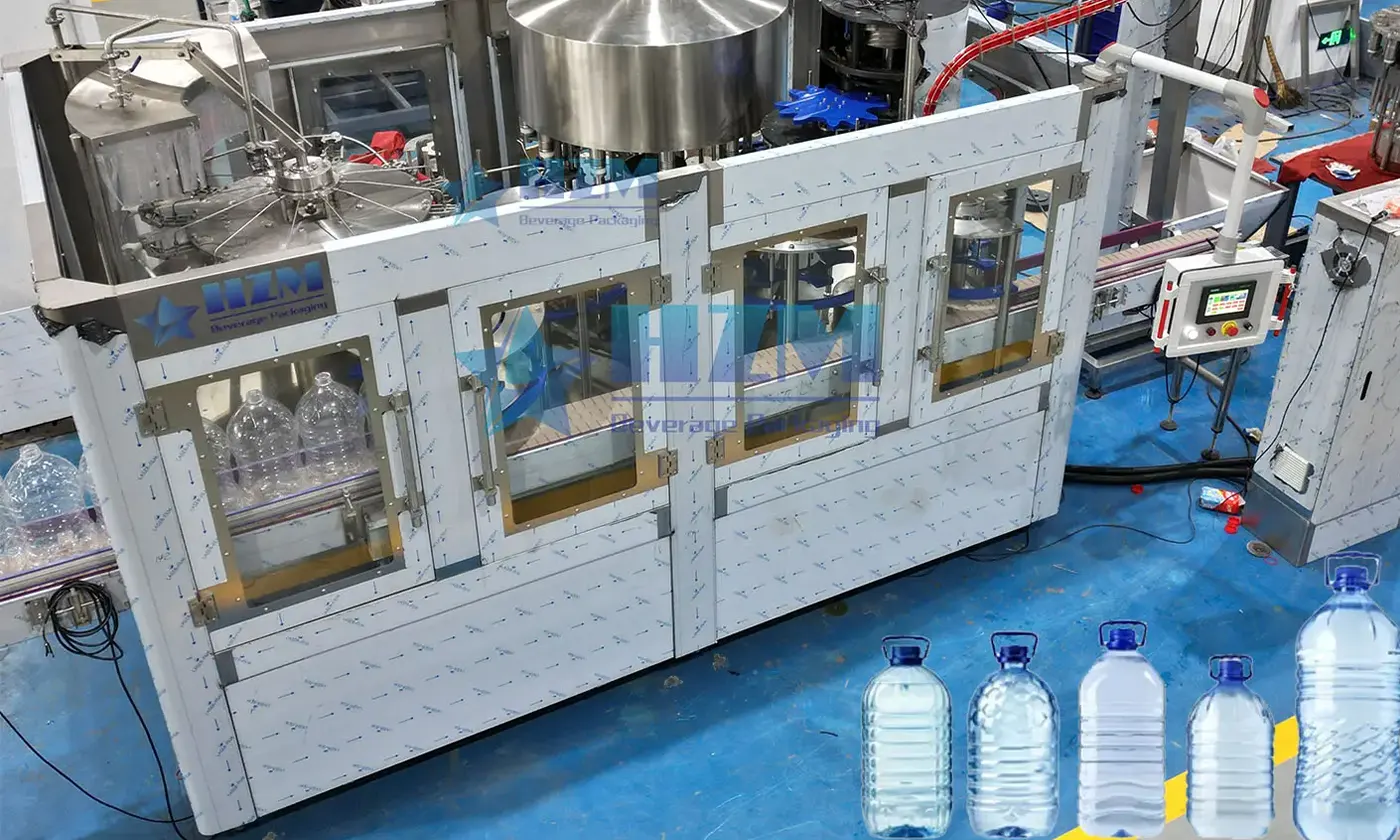
Automatic Pure Water Bottling Filling Machine
This Automatic Pure Water Bottling Filling Machine is configured for mineral water, Pure Water, still drinks at 5,000–18,000 BPH; final scope follows the approved…
Learn more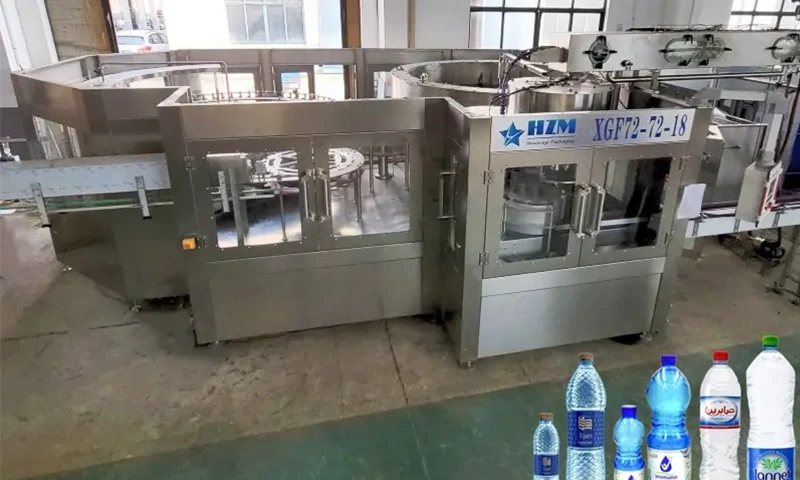
Equipment
3-In-1 Water Bottle Filling Machine
This 3-In-1 Water Bottle Filling Machine is configured for purified water, mineral water and still drinking water; final scope follows the approved process, package…
Learn more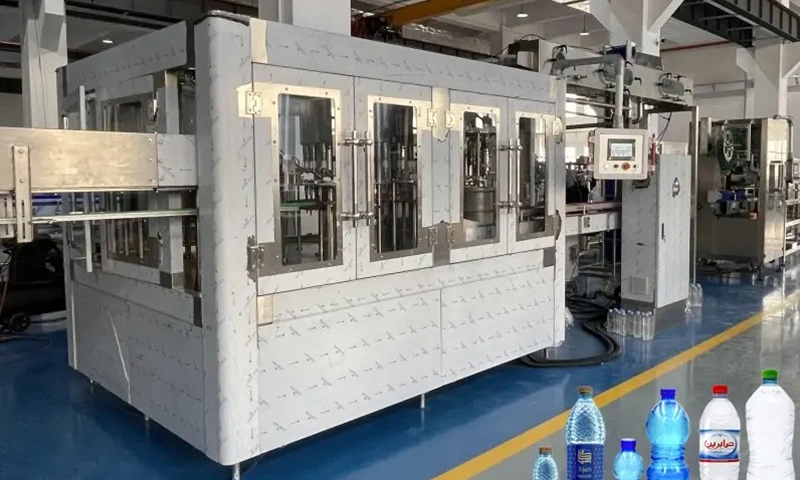
Equipment
Automatic Mineral Water Bottle Filling Machine
This Automatic Mineral Water Bottle Filling Machine is configured for purified water, mineral water and still drinking water; final scope follows the approved process,…
Learn more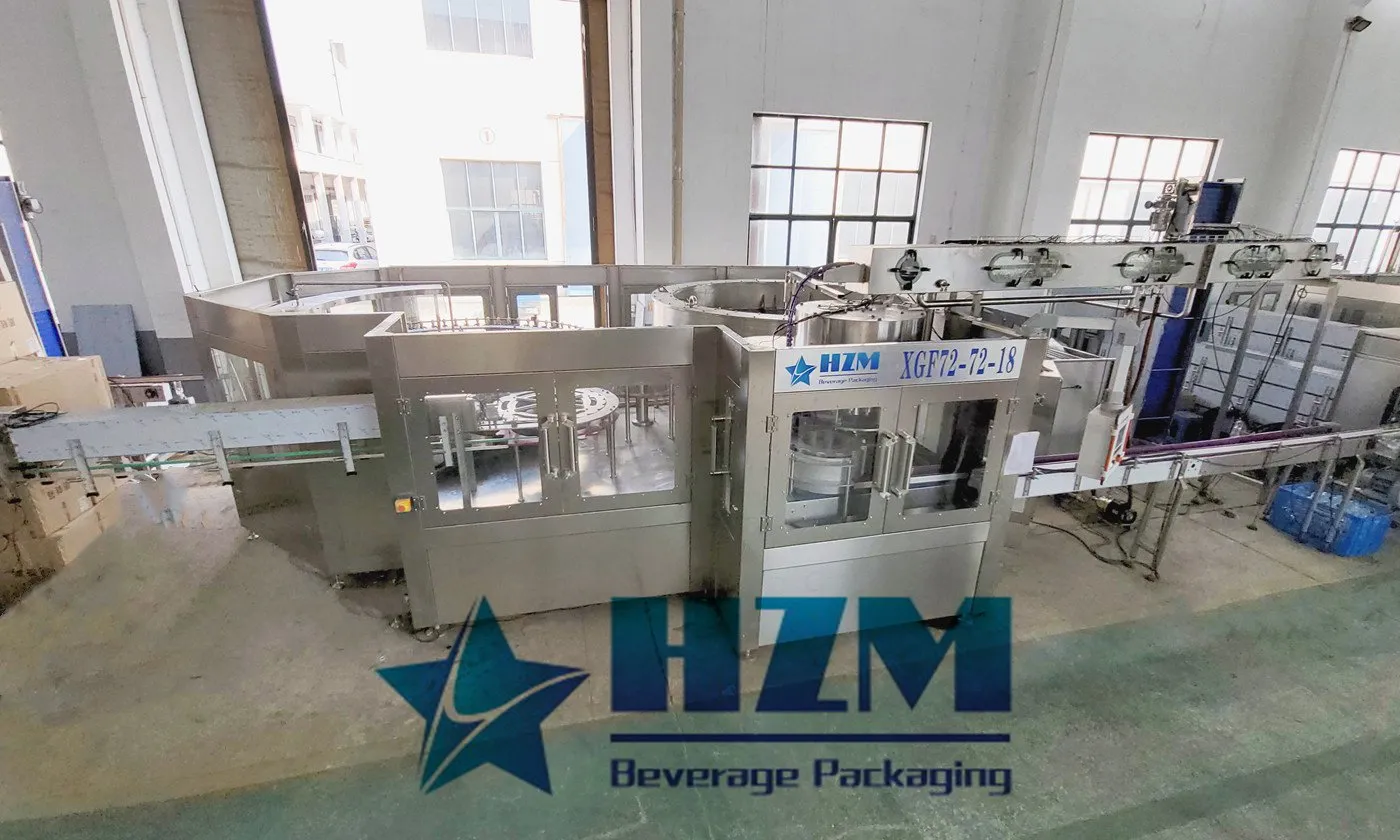
Equipment
Automatic Water Bottle Filling Machine
This Automatic Water Bottle Filling Machine is configured for purified water, mineral water and still drinking water at 5000BPH–42000BPH; final scope follows the approved…
Learn more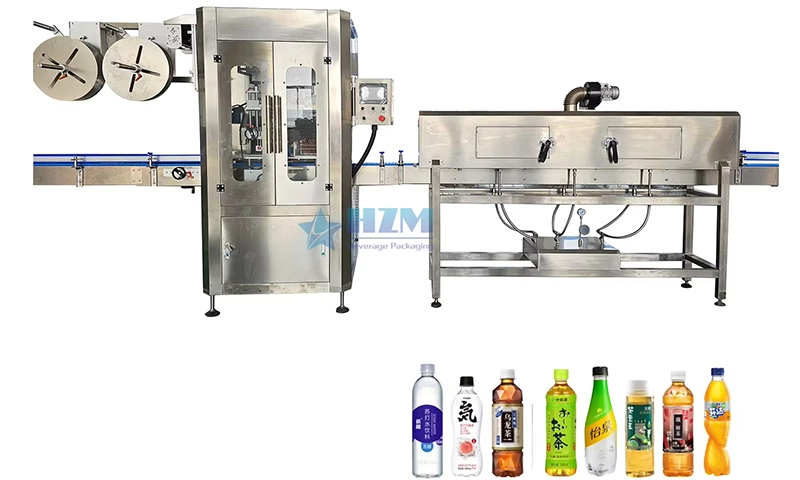
2026-08-28
Sleeve Labels Wrinkle After the Shrink Tunnel
Determine whether the sleeve was straight before entering the tunnel. Then check film shrink curve, tunnel-zone temperature, airflow or steam distribution, bottle moisture, conveyor speed and container geometry. Follow this practical fault-isolation, repair and prevention guide for bottling-line operators and maintenance teams.
Learn more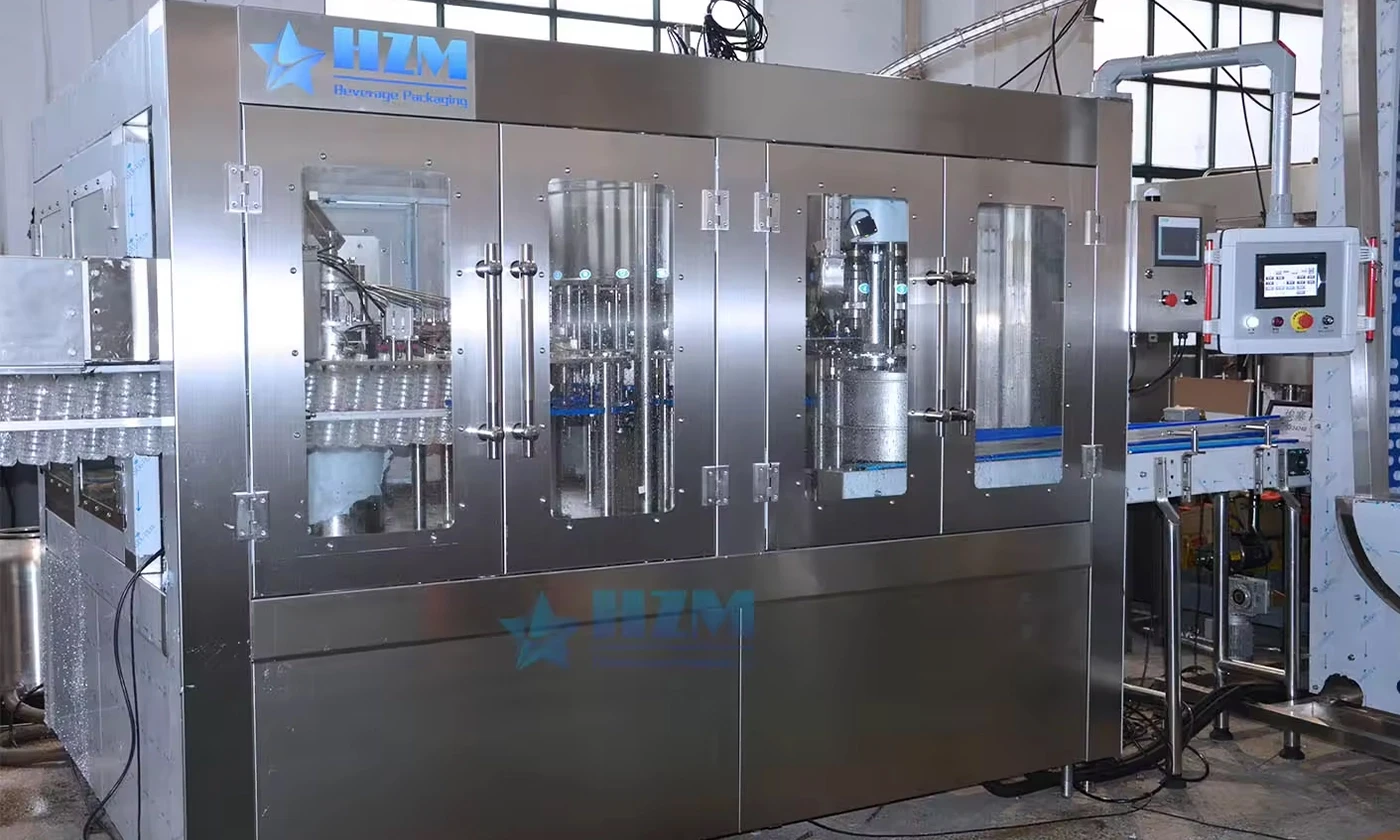
2026-08-23
Bottle Rinser Has Low Spray Pressure: Causes and Repair Steps
Check whether the loss affects the entire rinser or only several nozzles. System-wide loss points to supply, pump, filter or valve problems; a local pattern points to blocked nozzles, damaged tubing or a misaligned bottle. Follow this practical fault-isolation, repair and prevention guide for bottling-line operators and maintenance teams.
Learn more
2026-08-20
Bottle Conveyor Jams at the Same Location Every Shift
Mark the first contact point and inspect guide transitions, chain condition, dead plates, speed change, bottle dimensions, lubrication and upstream accumulation. The pile-up often occurs downstream of the actual interference. Follow this practical fault-isolation, repair and prevention guide for bottling-line operators and maintenance teams.
Learn more
2026-08-16
Glass Bottle Fill Levels Vary by Valve: How to Isolate the Fault
Map the defect by filling valve and bottle lot. Verify bottle internal-volume variation, lift and seal condition, vent-tube depth, valve cleanliness, tank level and product pressure before altering the global fill-height setting. Follow this practical fault-isolation, repair and prevention guide for bottling-line operators and maintenance teams.
Learn more
2026-08-12
FAT and SAT Checklist for a Turnkey Beverage Filling Line
Define factory and site acceptance tests for speed, quality, changeover, utilities, documents, safety, training and final line performance.
Learn more
2026-08-11
Filling Machine Spare Parts: Build a Risk-Based Inventory and PM Plan
Classify critical filling-line spares by failure impact, lead time and wear rate, then connect inventory with preventive maintenance and usage records.
Learn more