
Insights & Updates
Three-in-One Filling Machine Perfectly Integrating Filling, Capping, and Labeling
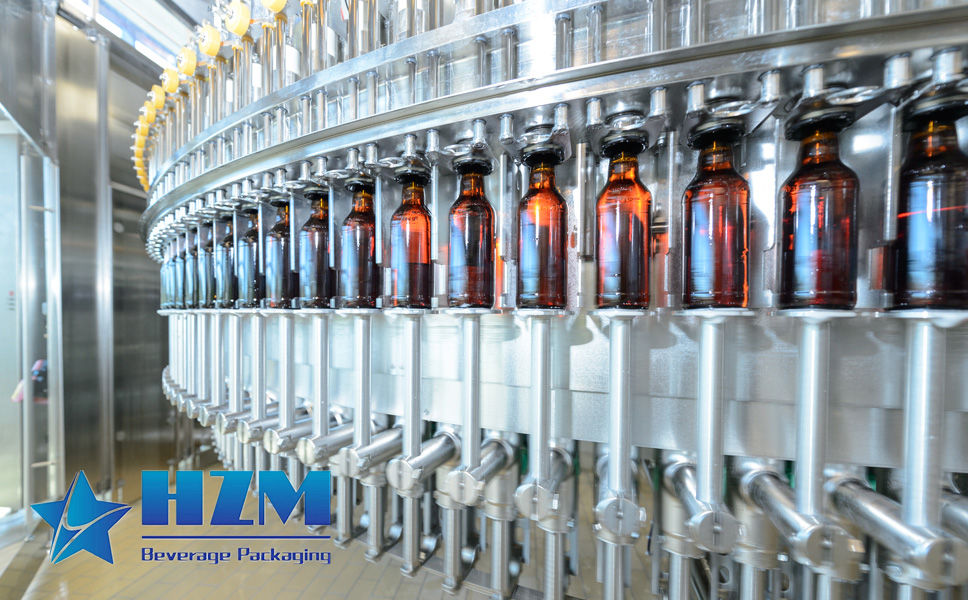
In modern manufacturing, the application of automated equipment is becoming increasingly widespread, providing efficient and precise production solutions for various industries. Particularly in the liquid filling field, the three-in-one filling machine has become a powerful assistant in industries such as beverages, juices, mineral water, and alcohol. Whether it’s glass bottles or PET plastic bottles, this advanced equipment can handle them all.
In traditional production lines, the processes of filling, capping, and labeling are separate operations, resulting in low efficiency and potential coordination issues, thereby increasing production costs. The emergence of fully automatic three-in-one filling, capping, and labeling machines has fundamentally changed this situation. By combining filling, capping, and labeling into one, this advanced equipment achieves a highly efficient and seamless production process through its sophisticated control system, greatly enhancing production efficiency.
Compared to regular filling machines, the most significant difference in the three-in-one filling machine lies in its integration of capping and labeling functions. After the filling process is completed, the equipment can automatically cap the bottles, ensuring tightness and hygiene. Subsequently, the labeling module comes into operation, accurately placing labels on the bottles, thus achieving an integrated production flow. Traditional filling machines are only responsible for liquid filling, with subsequent steps requiring manual intervention, which is not only time-consuming but also prone to errors.
The standout feature of the three-in-one filling machine is its high level of intelligence and automation. Advanced sensors and control systems continuously monitor each step of the production process, guaranteeing stability and consistency. Additionally, this equipment possesses the capability to rapidly adjust to different production specifications; with simple settings, it can accommodate the production needs of various bottle sizes, significantly enhancing production line flexibility.
In conclusion, the advent of fully automatic three-in-one filling, capping, and labeling machines has brought about revolutionary changes in industries such as beverages, juices, mineral water, and alcohol. Not only do they boost production efficiency and reduce costs, but they also ensure product quality and hygiene standards. With the continuous advancement of technology, it is believed that such cutting-edge equipment will exhibit enormous potential for application in more fields, empowering businesses to achieve even more remarkable production performance.
Talk to our engineering team
Need help planning your packaging line?
Share your product, bottle and capacity requirements for a practical equipment recommendation.
Equipment
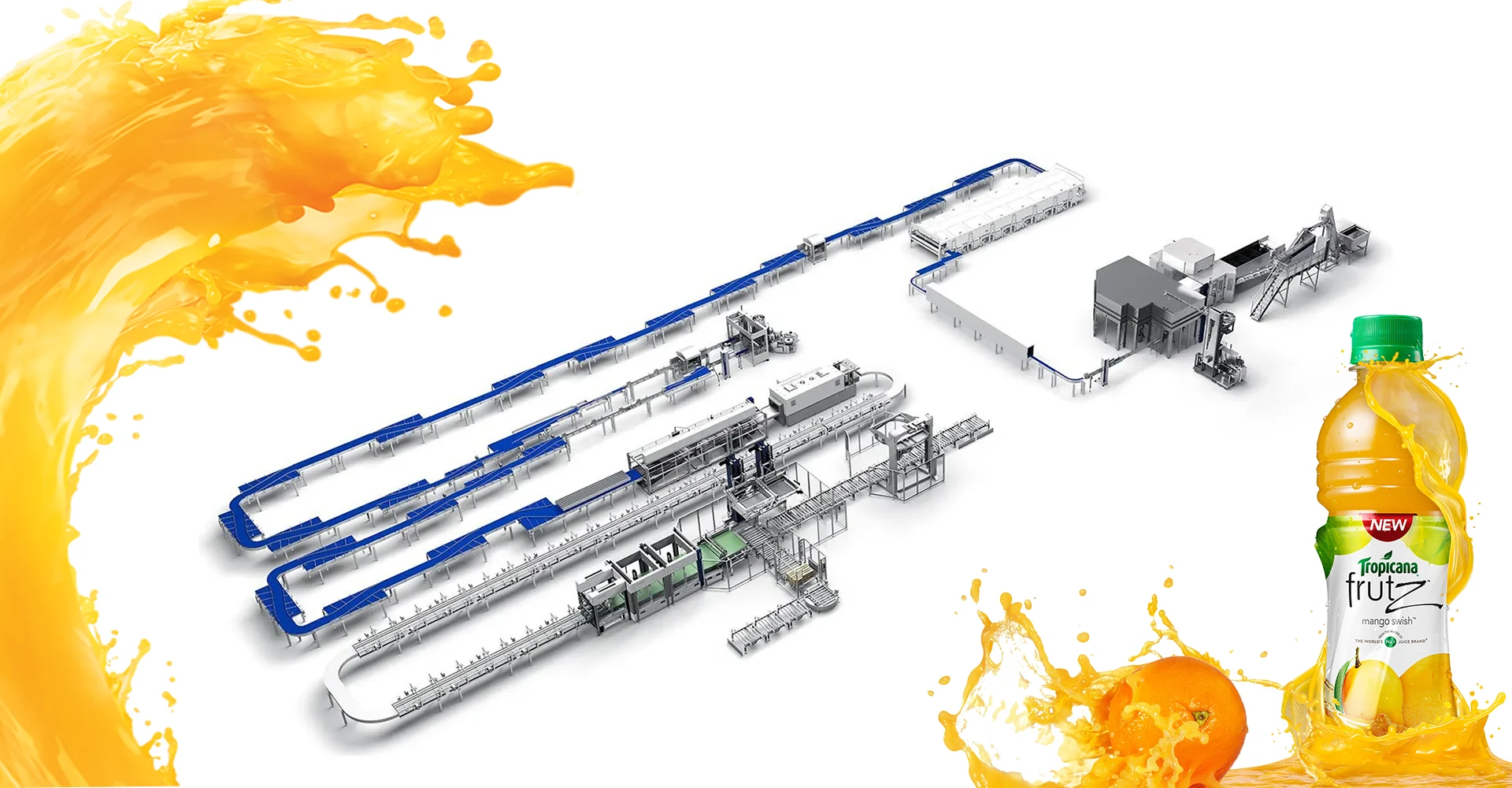
Beverage Filling Machine & Turnkey Filling Line for Juice, Soft Drinks and Cans
This Beverage Filling Machine & Turnkey Filling Line for Juice is configured for juice, tea, carbonated soft drinks, energy drinks, water and beer at…
Learn more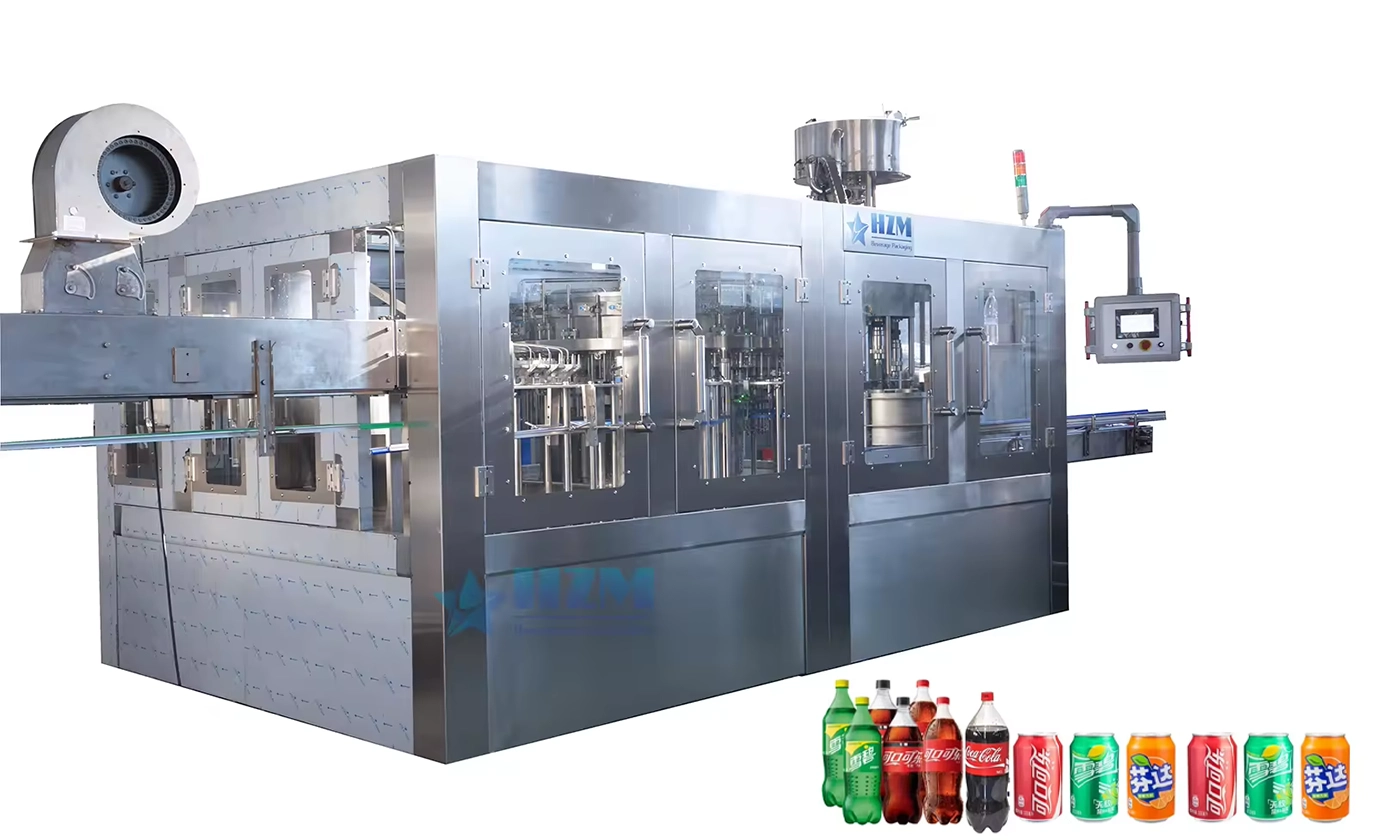
Equipment
Mono-block Isobaric Filling Machine
This Mono-block Isobaric Filling Machine is configured for carbonated Drinks, Cola, Sparkling Water, Sparkling Wine, Soft Drinks at 12,000–15,000 BPH; final scope follows the…
Learn more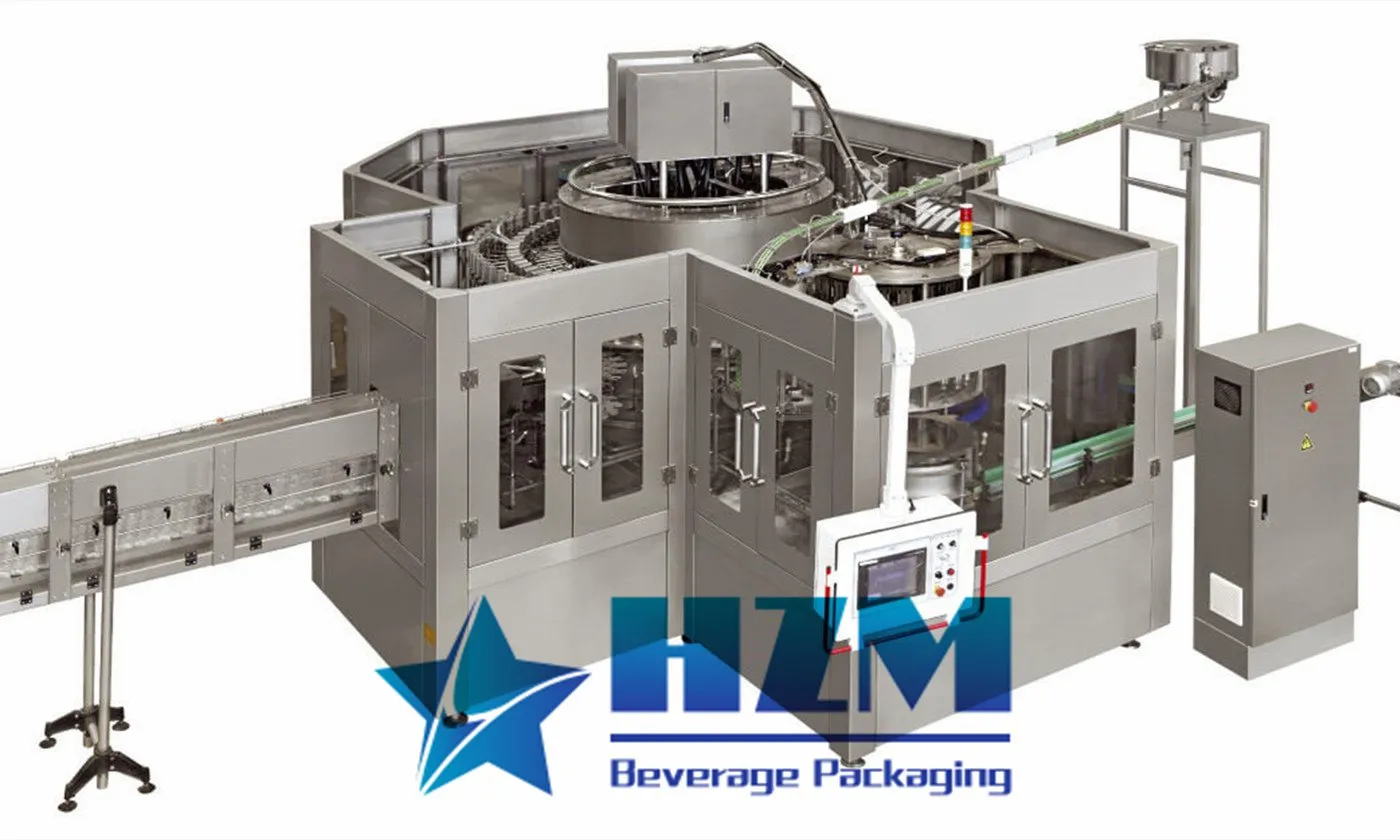
Equipment
Edible Oil Filling Machine
This Edible Oil Filling Machine is configured for edible oil or lubricant specified for the filling project at 2,000BPH–20,000BPH; final scope follows the approved…
Learn more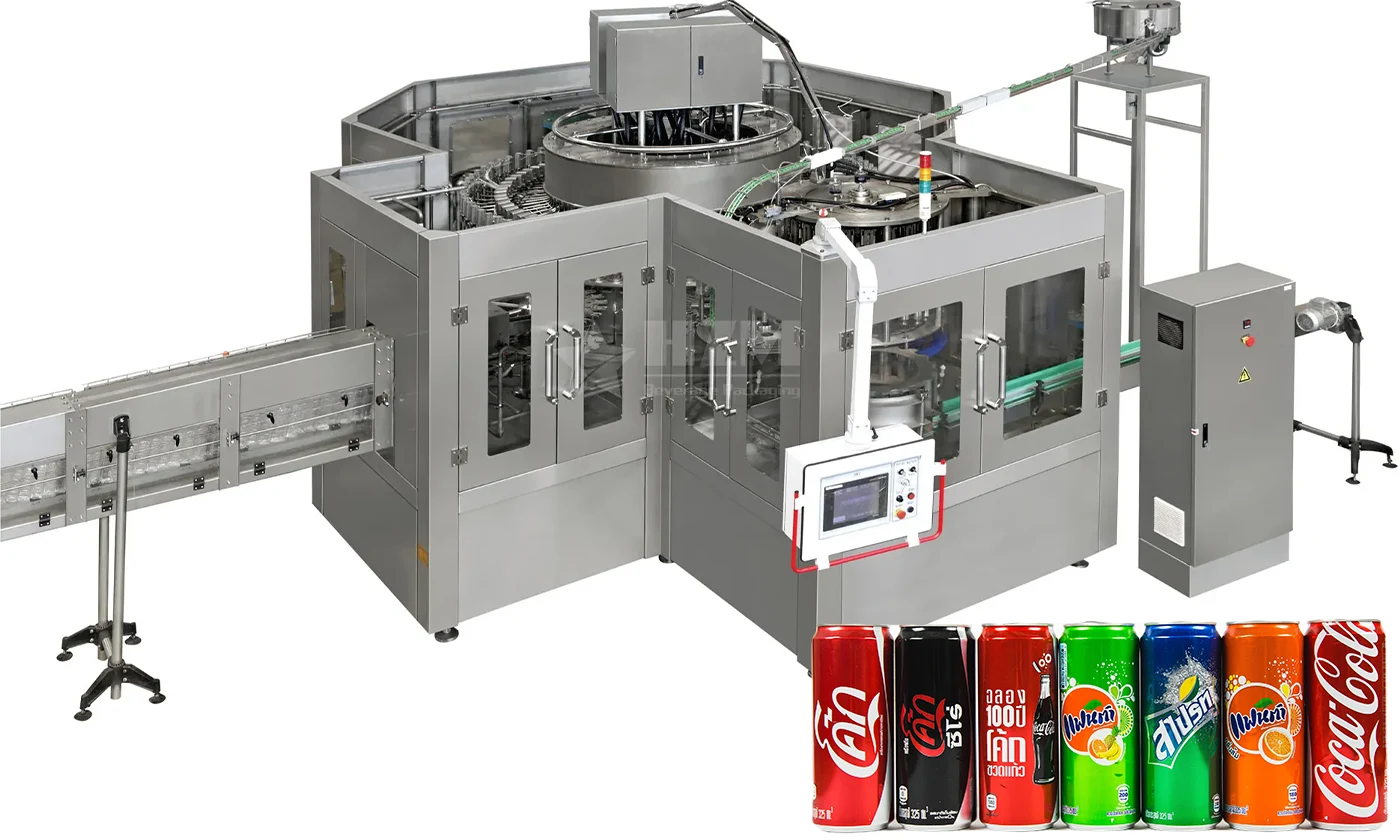
Equipment
Beverage Can Packaging machine
This Beverage Can Packaging machine is configured for carbonated drinks, Beer, Energy drink, Canned Beef, Chili sauce etc at 5000BPH–36000BPH; final scope follows the…
Learn more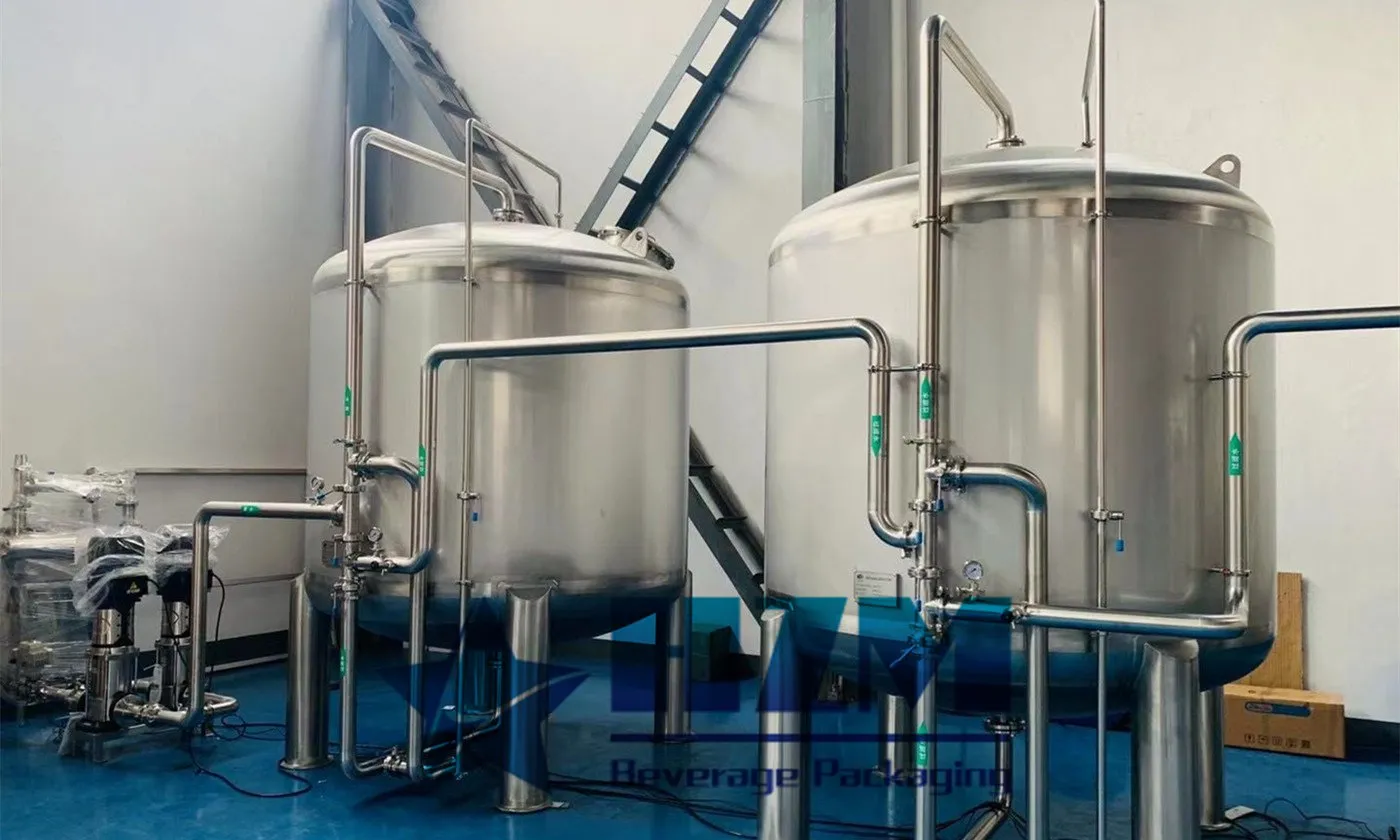
2026-09-04
RO Differential Pressure Keeps Rising: Fouling Location Matters
Locate the stage where pressure loss is increasing and relate it to normalized flow and salt passage. A first-stage rise often points to particulate or biological fouling; a later-stage rise can indicate scale, but feed analysis is required. Follow this practical fault-isolation, repair and prevention guide for bottling-line operators and maintenance teams.
Learn more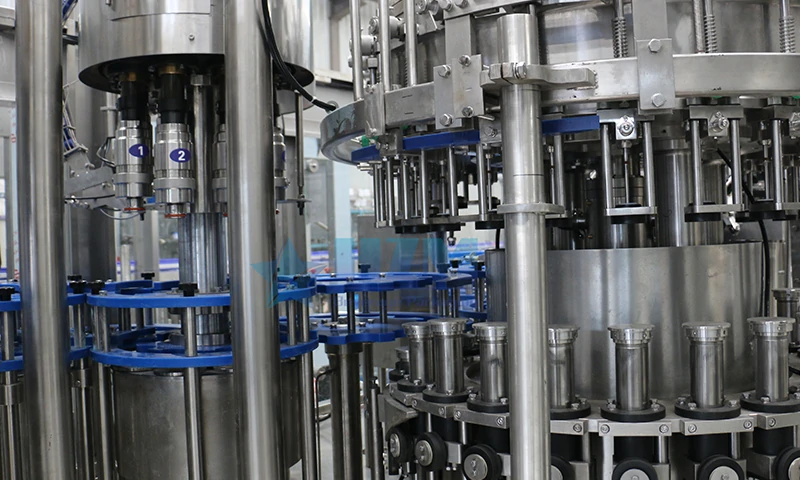
2026-09-02
Custom Plastic and Hardware Components Used in Beverage Packaging Machinery
Learn how plastic injection molded parts and custom hardware components are selected, manufactured and inspected for beverage filling and packaging machinery.
Learn more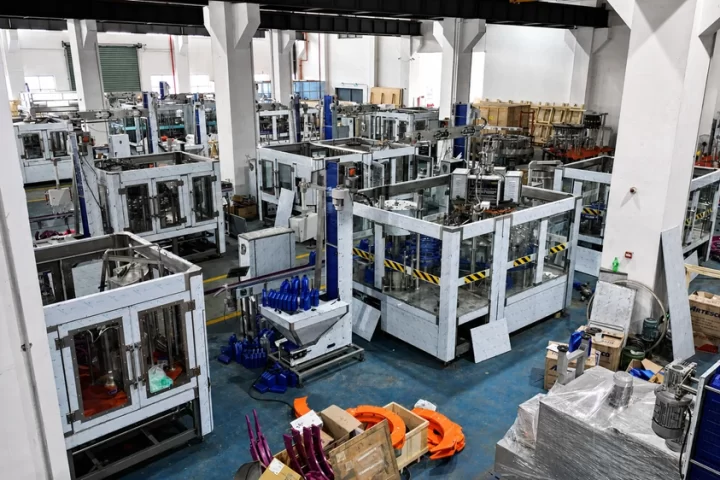
2026-09-02
How to Plan Safe Access for Beverage Production Line Installation and Maintenance
Practical guidance on planning operating platforms, walkways and temporary access for beverage production line installation, inspection, cleaning and maintenance.
Learn more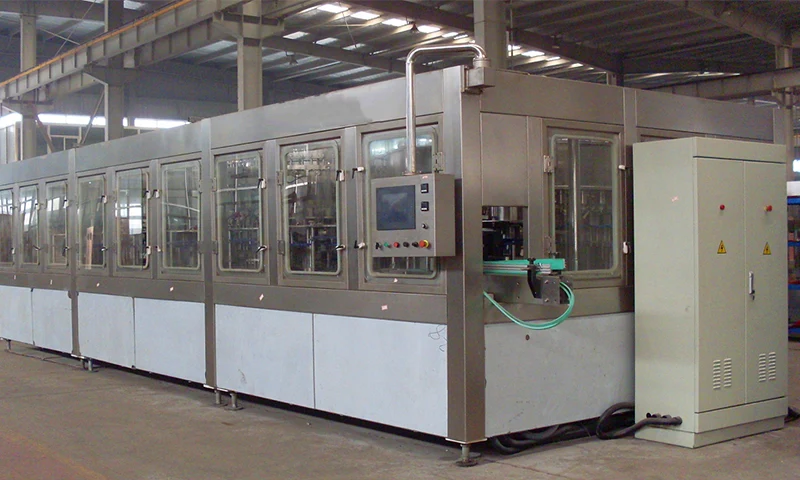
2026-09-02
Why Do Filling Valves Drip After the Bottle Leaves?
Dripping usually comes from contamination on the valve seat, worn or swollen seals, trapped pressure, incorrect closing timing or product viscosity outside the setup window. Identify whether the leak follows one valve or the entire filler. Follow this practical fault-isolation, repair and prevention guide for bottling-line operators and maintenance teams.
Learn more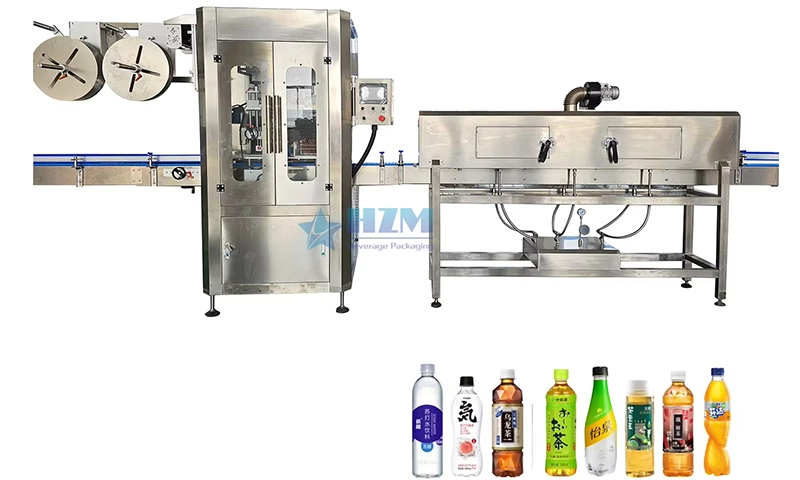
2026-08-28
Sleeve Labels Wrinkle After the Shrink Tunnel
Determine whether the sleeve was straight before entering the tunnel. Then check film shrink curve, tunnel-zone temperature, airflow or steam distribution, bottle moisture, conveyor speed and container geometry. Follow this practical fault-isolation, repair and prevention guide for bottling-line operators and maintenance teams.
Learn more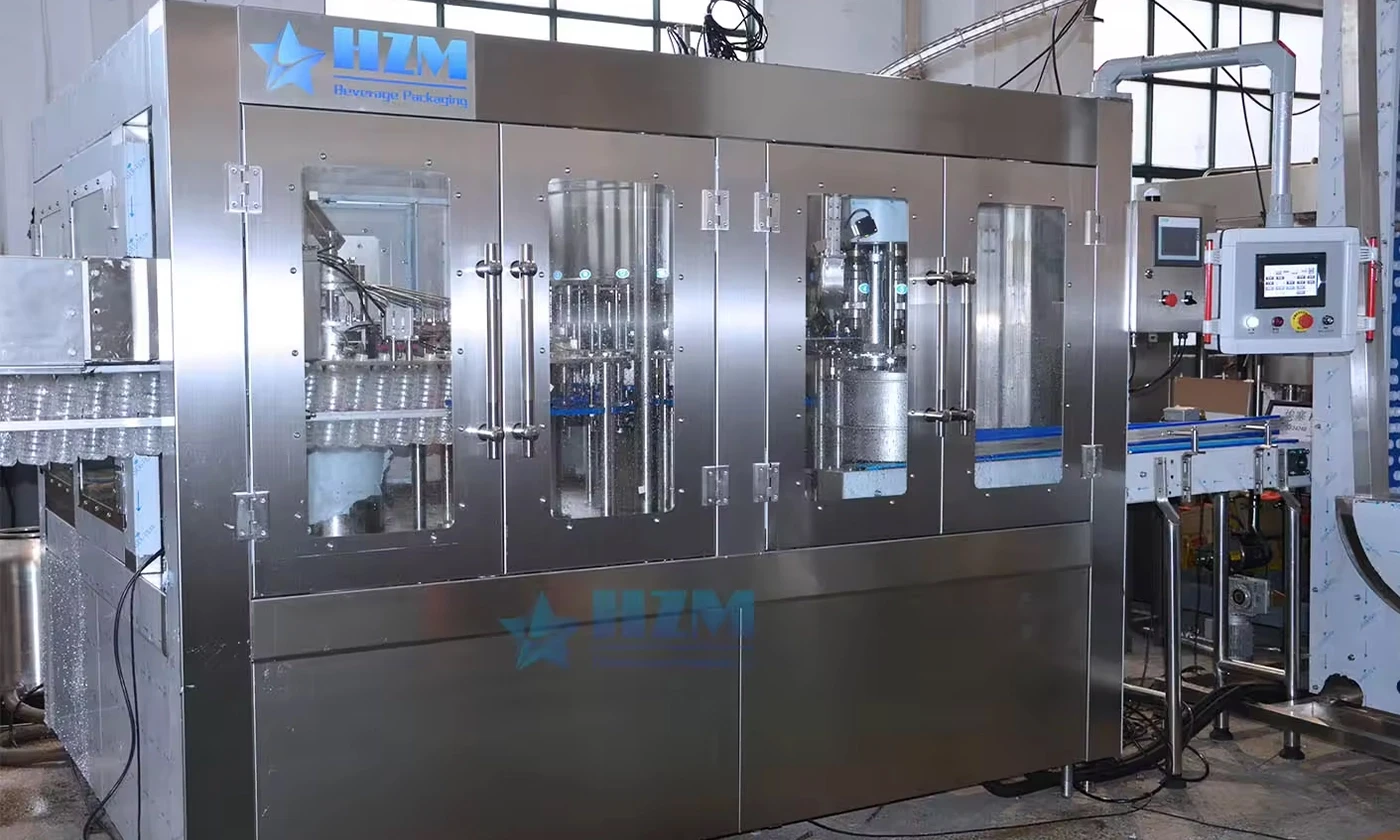
2026-08-23
Bottle Rinser Has Low Spray Pressure: Causes and Repair Steps
Check whether the loss affects the entire rinser or only several nozzles. System-wide loss points to supply, pump, filter or valve problems; a local pattern points to blocked nozzles, damaged tubing or a misaligned bottle. Follow this practical fault-isolation, repair and prevention guide for bottling-line operators and maintenance teams.
Learn more