
Insights & Updates
Technical characteristics of reverse osmosis
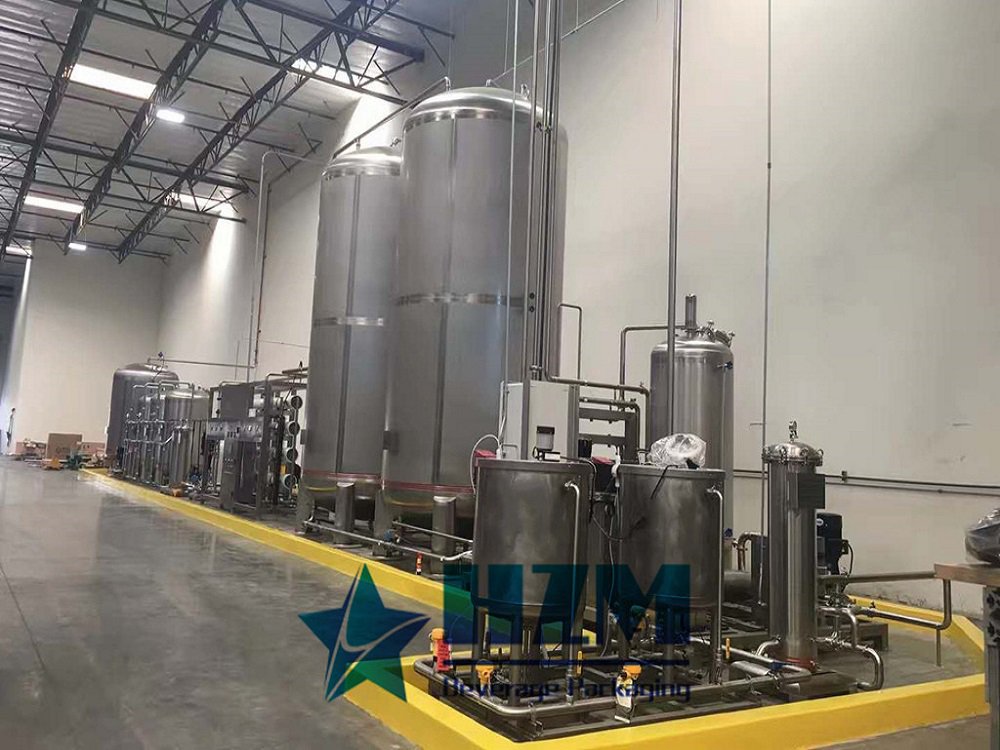
Technical characteristics of reverse osmosis:
1. Reverse osmosis is the desalination and desalination of salt water using a physical method without phase change at room temperature. The desalination rate of ultra-thin composite membrane elements can reach more than 99.5%, and it can remove colloids, organic matter, bacteria, viruses, etc. in the water at the same time
2. Imported reverse osmosis membrane is adopted, with high desalination rate, long service life and low operating cost;
3. The automatic pretreatment system is adopted to realize unmanned operation;
4. Imported Grundfos booster pump, high efficiency, low noise, stable and reliable;
5. Online water quality monitoring and control, real-time monitoring of water quality changes to ensure water quality safety;
6. Fully automatic electronic control program, and optional touch screen operation, easy to use;
7. Inpidualized design in line with local water quality to meet the needs in all aspects.
8. The equipment occupies a small area and the space required is also small.
9. The reverse osmosis device has a high degree of automation, and the workload of operation and maintenance and equipment maintenance is small.
10. Water treatment only relies on water pressure as the driving force, and its energy consumption is the lowest among many treatment processes.
11. There is no need for a large amount of chemical agents and acid and alkali regeneration treatments, no chemical waste liquid discharge, and no environmental pollution.
12. Reverse osmosis can continuously run water production, the system is simple, the operation is convenient, and the product water quality is stable.
Talk to our engineering team
Need help planning your packaging line?
Share your product, bottle and capacity requirements for a practical equipment recommendation.
Equipment
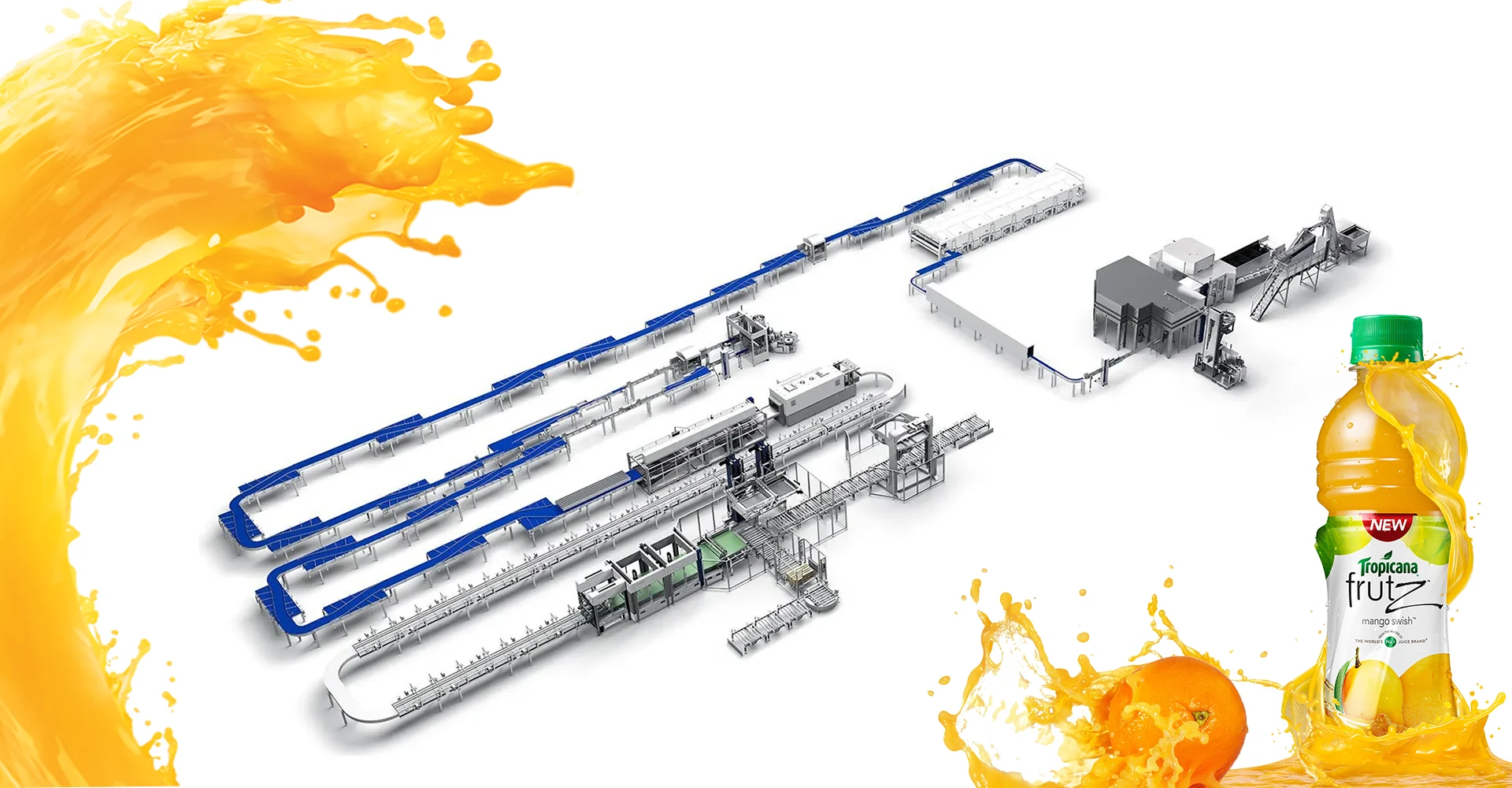
Beverage Filling Machine & Turnkey Filling Line for Juice, Soft Drinks and Cans
This Beverage Filling Machine & Turnkey Filling Line for Juice is configured for juice, tea, carbonated soft drinks, energy drinks, water and beer at…
Learn more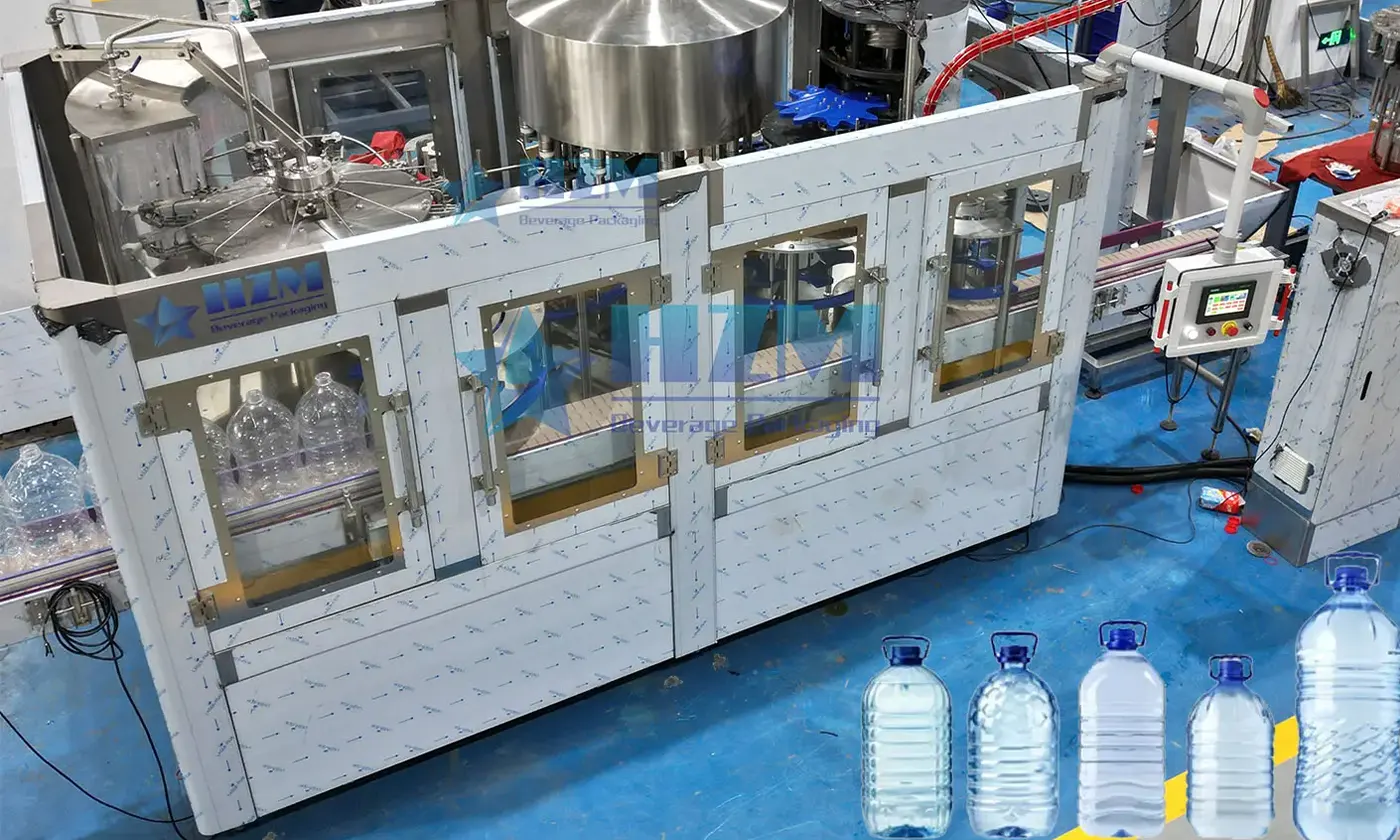
Equipment
Bottled Water Filling Machine & Turnkey Water Bottling Line
This Bottled Water Filling Machine & Turnkey Bottling Line is configured for purified water, mineral water and still drinking water at 5,000–42,000 bottles/hour; final…
Learn more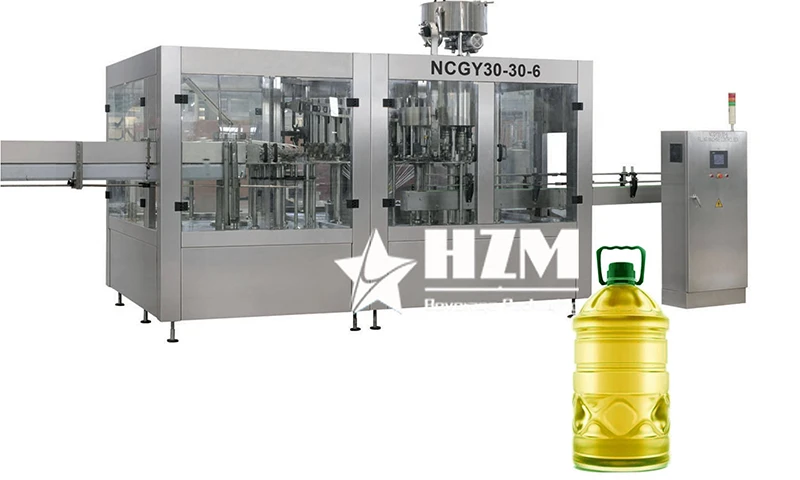
Equipment
2-in-1 Monoblock Edible Cooking Oil Filling and Capping Machine
This 2-in-1 Monoblock Edible Cooking Oil Filling and Capping is configured for edible oil or lubricant specified for the filling project at 960–2880 BPH;…
Learn more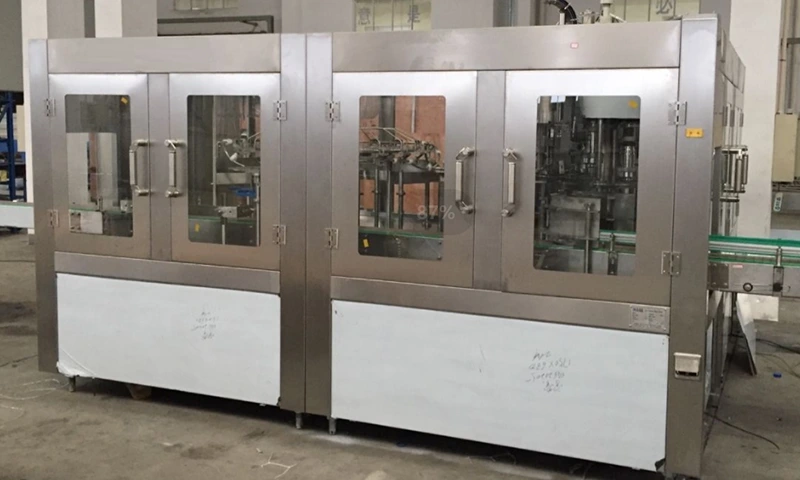
Equipment
10L Water Filling Machine 1200BPH – Automatic Washing Filling Capping Machine
This 10L Water Filling Machine 1200BPH is configured for mineral Water / Purified Water / Large Bottle Water at 1100–1200 Bottles Per Hour; final…
Learn more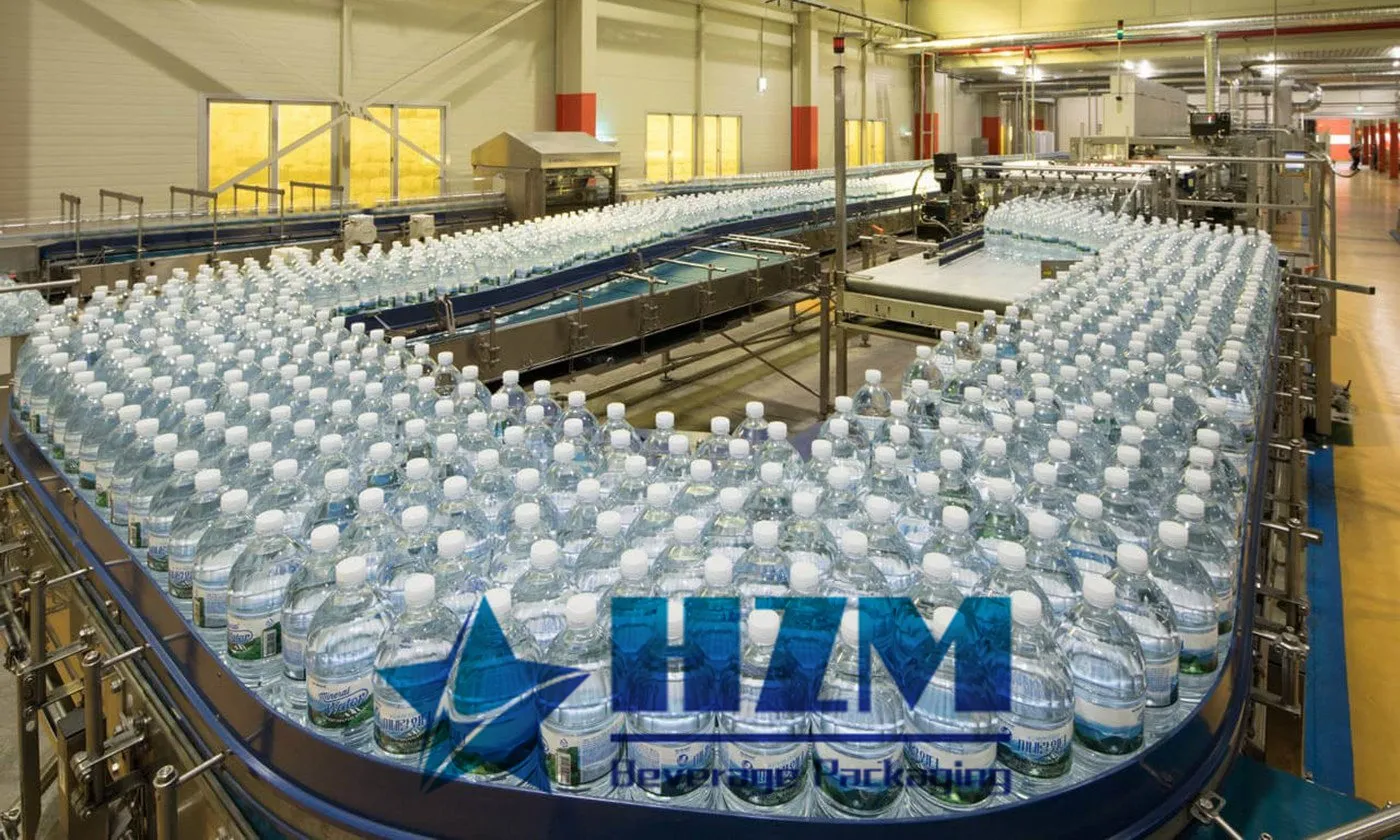
2026-08-20
Bottle Conveyor Jams at the Same Location Every Shift
Mark the first contact point and inspect guide transitions, chain condition, dead plates, speed change, bottle dimensions, lubrication and upstream accumulation. The pile-up often occurs downstream of the actual interference. Follow this practical fault-isolation, repair and prevention guide for bottling-line operators and maintenance teams.
Learn more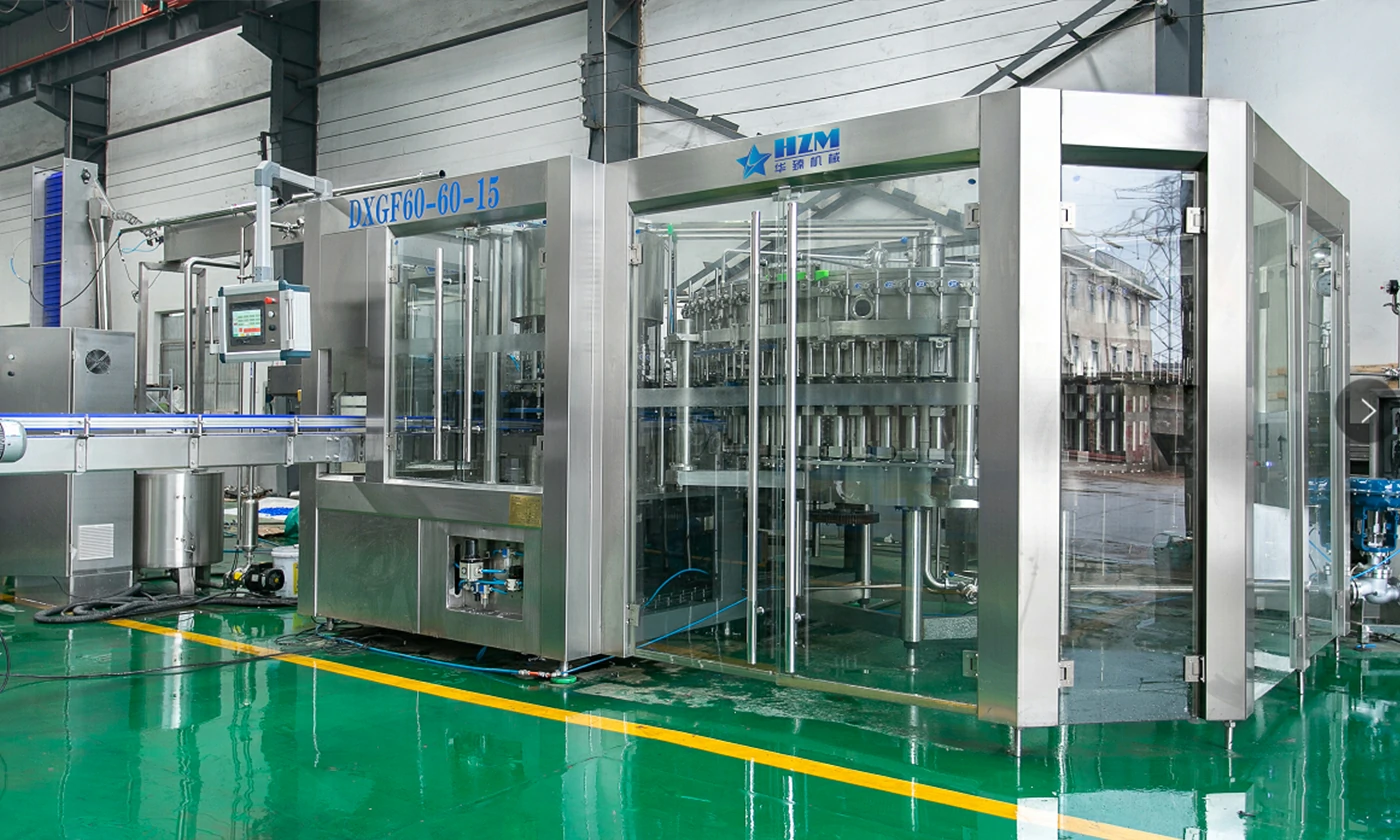
2026-08-16
Glass Bottle Fill Levels Vary by Valve: How to Isolate the Fault
Map the defect by filling valve and bottle lot. Verify bottle internal-volume variation, lift and seal condition, vent-tube depth, valve cleanliness, tank level and product pressure before altering the global fill-height setting. Follow this practical fault-isolation, repair and prevention guide for bottling-line operators and maintenance teams.
Learn more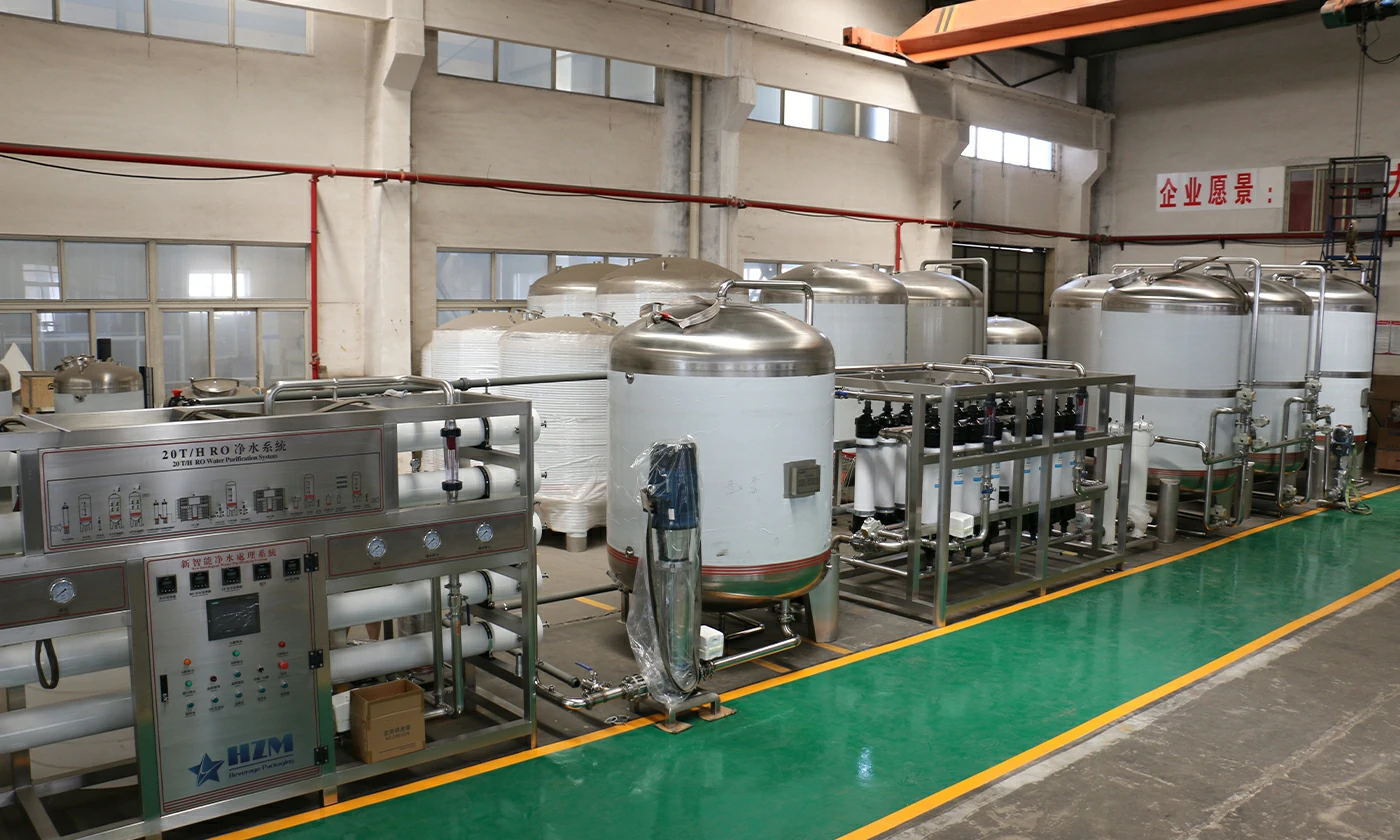
2026-08-12
FAT and SAT Checklist for a Turnkey Beverage Filling Line
Define factory and site acceptance tests for speed, quality, changeover, utilities, documents, safety, training and final line performance.
Learn more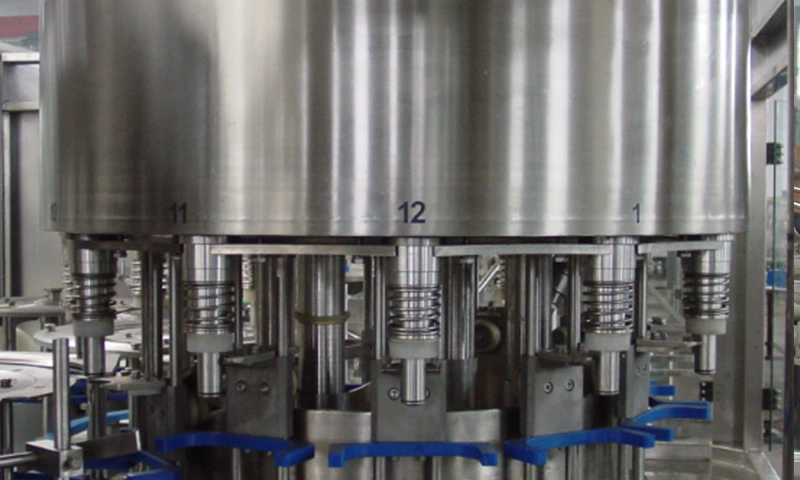
2026-08-11
Filling Machine Spare Parts: Build a Risk-Based Inventory and PM Plan
Classify critical filling-line spares by failure impact, lead time and wear rate, then connect inventory with preventive maintenance and usage records.
Learn more2026-08-10
Beverage Plant Utilities Checklist Before Equipment Installation
Prepare electricity, compressed air, water, steam, cooling, drains, floor loads, ventilation and access before a beverage line arrives.
Learn more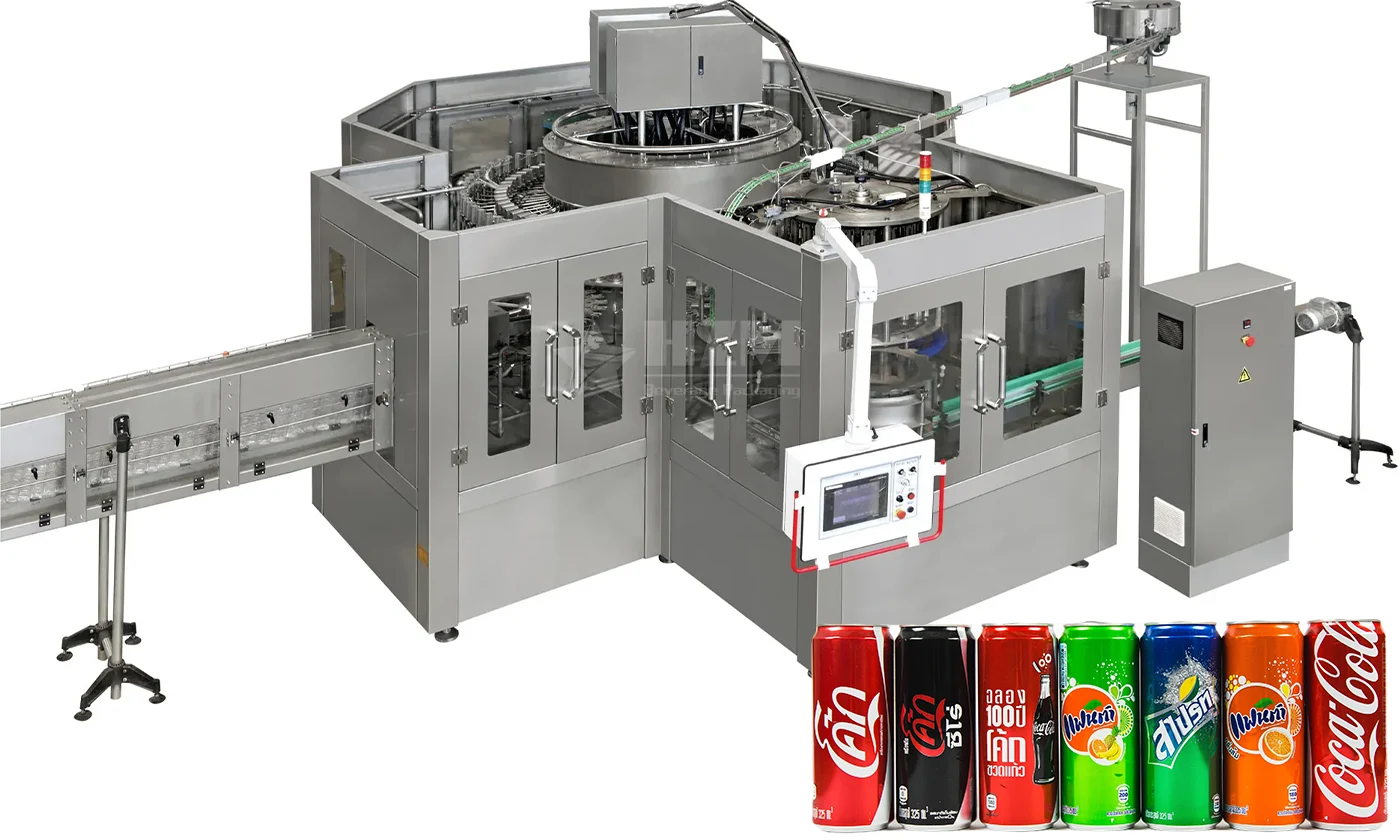
2026-08-09
Can Double-Seam Quality: A Buyer and Operator Inspection Checklist
Protect canned beverage quality with correct end handling, seamer setup, teardown measurements, defect trending and maintenance controls.
Learn more