
Insights & Updates
Sparkling Water Filling Machine Guide: Process, Selection and Troubleshooting
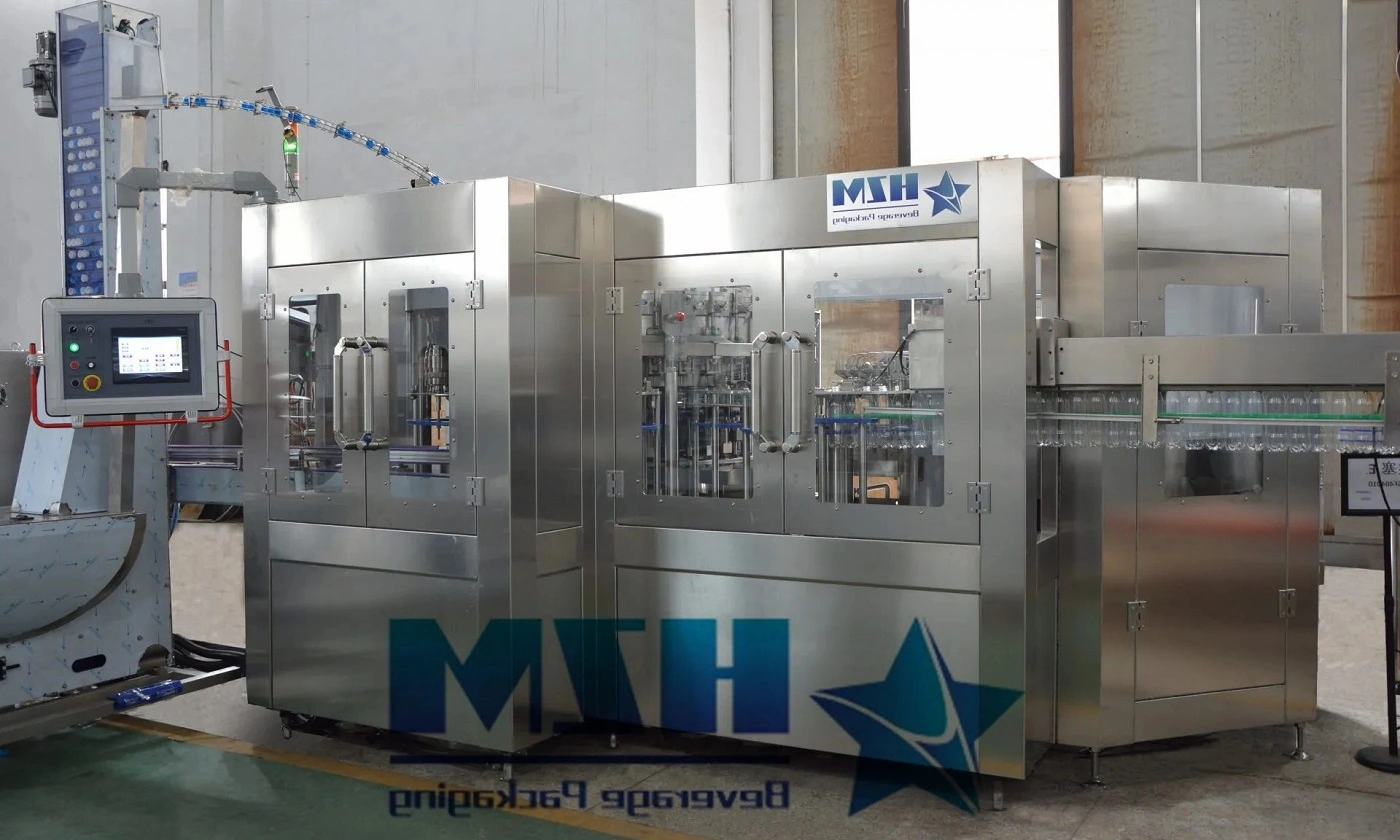
Sparkling water looks like a simple product, but it exposes weaknesses in temperature control, carbonation and filling very quickly. If the water is too warm or the bottle loses pressure too fast, CO2 escapes as foam. The result is low fill, inconsistent taste and sticky, wet conveyors even though the filler is running at its rated speed.
A sparkling water filling machine should therefore be selected as part of a cold, pressurized process from the carbonator to the sealed bottle.
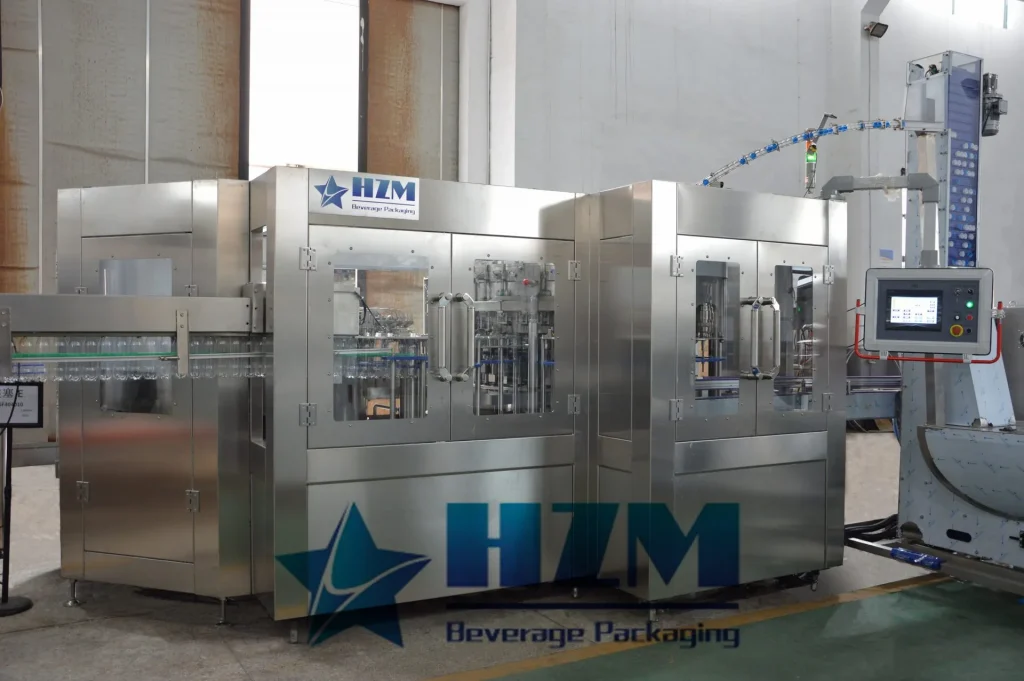
Typical sparkling water process
- Raw water is treated to the required mineral and microbiological specification.
- Treated water is chilled and, where needed, deaerated.
- Food-grade CO2 is dissolved under controlled pressure.
- The carbonated water travels through a pressurized buffer and pipe to the filler.
- Bottles are rinsed or otherwise treated, filled under counter pressure and capped immediately.
- Finished bottles are inspected, labeled, coded and packed.
Flavored sparkling water may add syrup dosing, ingredient preparation and additional cleaning requirements. Define whether flavor is blended before carbonation or dosed by another validated method.
How counter-pressure filling protects carbonation
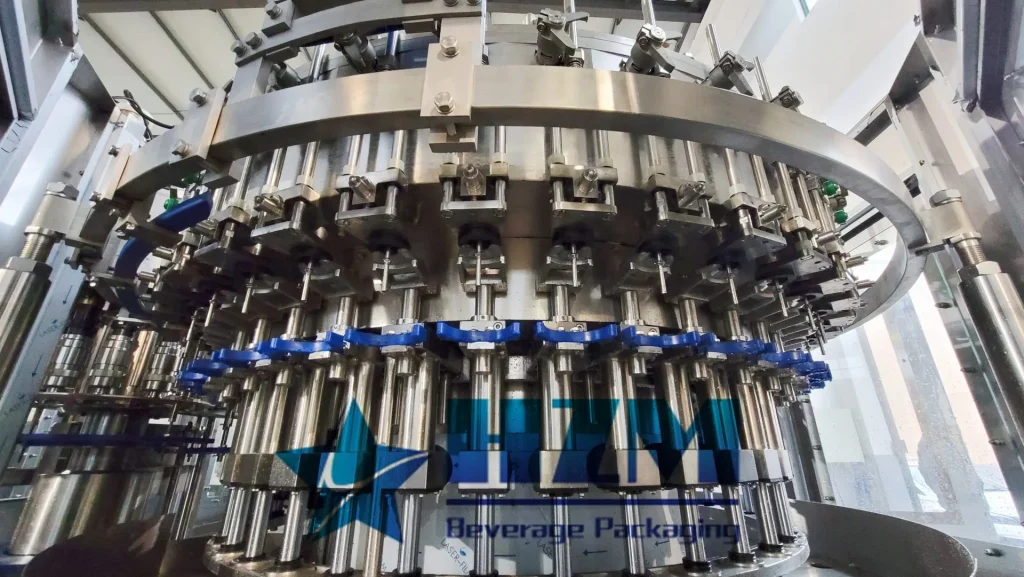
The bottle first seals against the valve. CO2 or sterile gas raises bottle pressure close to the product-bowl pressure. The liquid valve then opens and product flows while displaced gas returns through the valve. At the end, a controlled snift releases pressure before the bottle leaves for capping.
Cold product, a sound bottle seal and slow enough pressure release are essential. Raising pressure alone will not cure warm product or a damaged valve seal.
PET bottle, glass bottle or can?
| Package | Advantages | Machine points to verify |
|---|---|---|
| PET bottle | Lightweight and widely available | Pressure-rated bottle, neck handling and cap seal |
| Glass bottle | Strong premium presentation and gas barrier | Bottle washing, base handling, breakage control and inspection |
| Can | Good light barrier and compact distribution | Can rinse, foam control, lid handling and seamer validation |
The package should be tested at the intended carbonation level and distribution temperature. Lightweighting a PET bottle without checking pressure performance can create paneling, base deformation or stress cracking.
Capacity planning
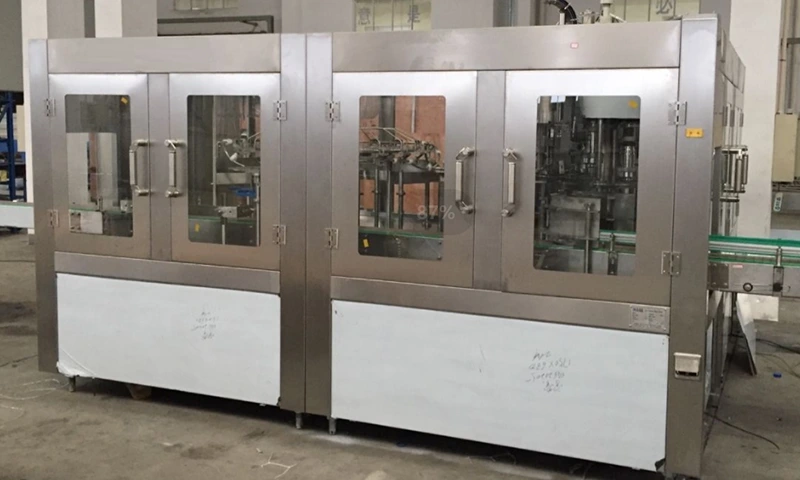
State the required good bottles per hour for each size. A 330 ml bottle and a 1.5 liter bottle may have different guaranteed speeds on the same filler. Include the minimum speed used for short runs and changeovers.
The carbonator, chiller and CO2 supply must cover the filler demand with reserve. Downstream labelers and packers should also handle wet or chilled bottles. HZM’s carbonated beverage filling line shows the wider equipment scope around the filler.
Specifications to include in an RFQ
- Product composition, mineral content and flavor details.
- Target CO2 volume and product filling temperature.
- Package drawings, cap or lid data and physical samples.
- Output required for every size and package.
- Available chilled-water, electrical, air and CO2 conditions.
- Required rinsing, cleaning and sanitation method.
- Label type, coding method and secondary packaging.
- Local food, pressure, electrical and safety standards.
Common operating problems
Foaming at every valve
Check water temperature, carbonation consistency, bowl pressure and snift settings. Confirm that the refrigeration system can hold temperature during a full-speed run. A pressure or temperature trend is more useful than repeated manual valve adjustments.
One valve repeatedly fills low
Inspect the bottle seal, valve gasket, vent path and level-control component for that position. Record fill data by valve to separate a local fault from a process-wide problem.
CO2 result changes through the shift
Trend inlet temperature, liquid flow, gas pressure, deaeration and filler speed. CO2 storage or vaporizer capacity can become a limitation during sustained high demand.
Leaking or hard-to-open caps
Check closure dimensions, capper-head height, applied torque, thread condition and bottle-neck damage. The cap and bottle should be treated as one validated package.
Cleaning and product safety
The product path, carbonator and filler require a validated CIP procedure. Verify time, temperature, concentration, flow and final rinse. Clean external splash zones, cap handling and rinser components using procedures suited to the plant’s hygiene plan.
Carbonation does not replace water treatment or sanitation. Microbiological control begins with source water and continues through the package.
Acceptance test
Use the intended water, bottle and cap. Run long enough for the chiller and carbonator to reach sustained load. Measure net output, carbonation, product temperature, fill quantity, cap torque, rejects and product loss. Demonstrate a planned stop and restart; some lines run well only until the first interruption.
The best sparkling water filler is not simply the fastest. It is the line that holds temperature, CO2, fill level and closure quality through normal production changes.
Talk to our engineering team
Need help planning your packaging line?
Share your product, bottle and capacity requirements for a practical equipment recommendation.
Equipment
10L Water Filling Machine 1200BPH – Automatic Washing Filling Capping Machine
This 10L Water Filling Machine 1200BPH is configured for mineral Water / Purified Water / Large Bottle Water at 1100–1200 Bottles Per Hour; final…
Learn more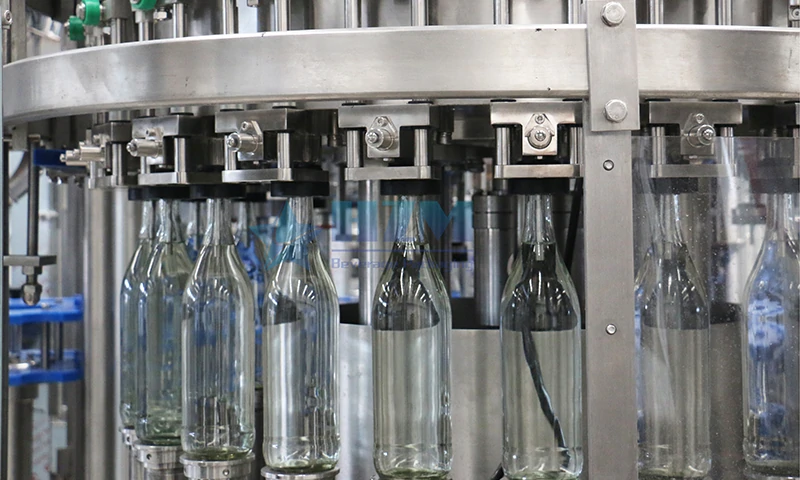
Equipment
Glass Bottle CSD & Water Drinks Filling Machine
This Glass Bottle CSD & Water Drinks Filling Machine is configured for carbonated soft drinks, soda water and other sparkling beverages at 4000BPH–6000 BPH;…
Learn more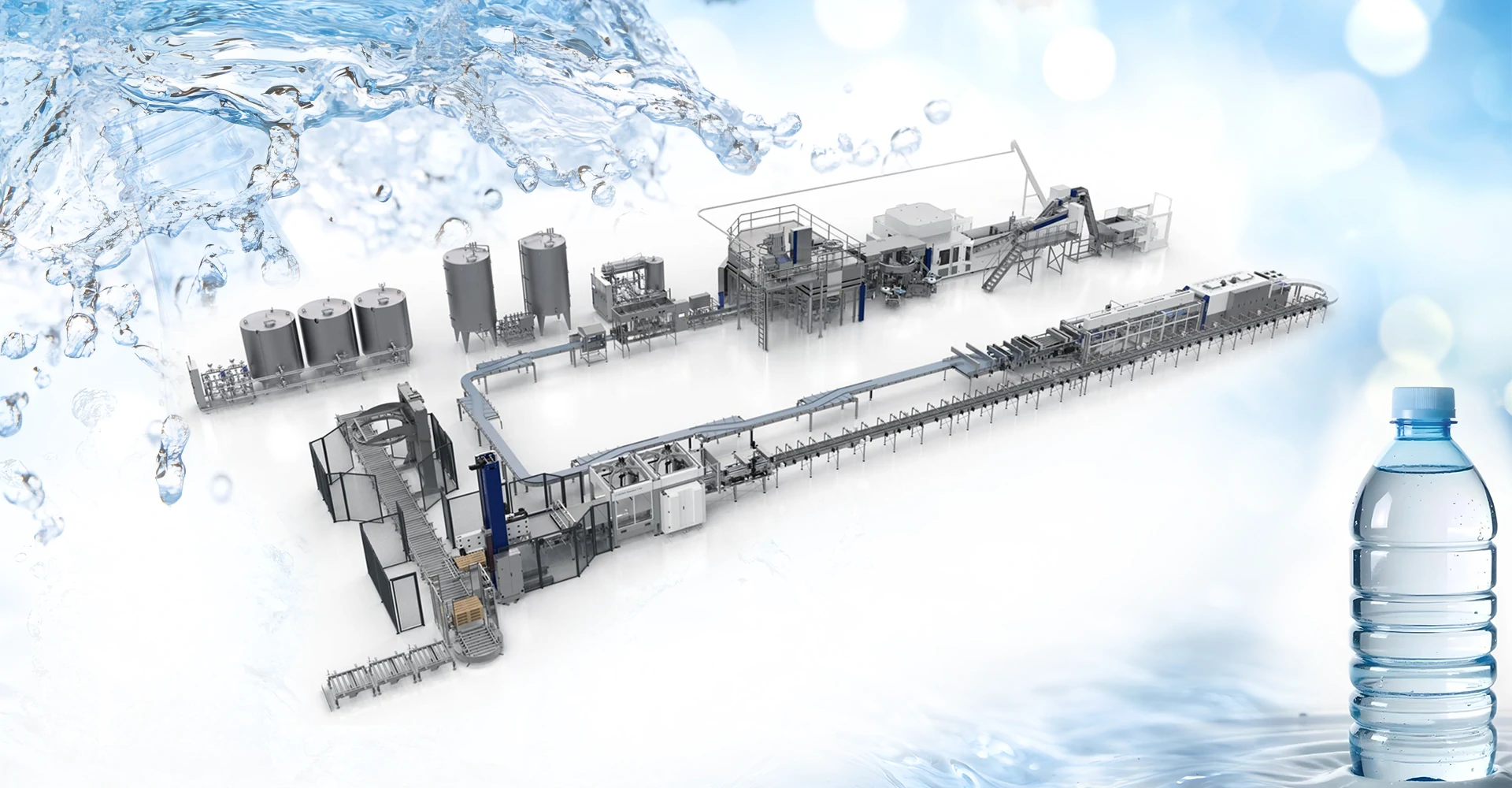
Equipment
Drinking water production line – Bottled Water Filling Machine Manufacturer
This Drinking water production line is configured for suitable for water, juice, milk, beer, and other beverages at 5000–18000 BPH; final scope follows the…
Learn more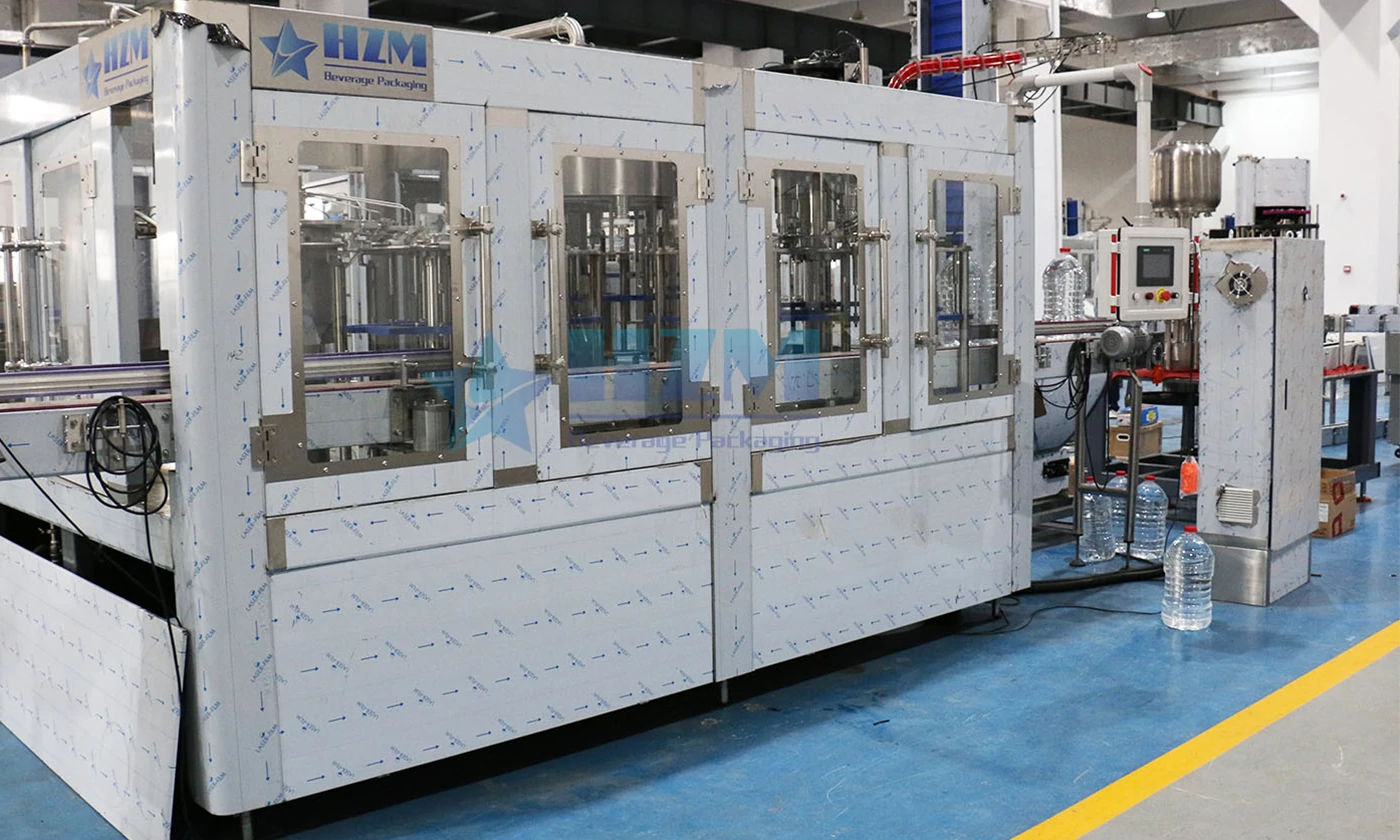
Equipment
5L-10L Large Bottle Drinking Water production line
This 5L-10L Large Bottle Drinking Water production line is configured for purified water, mineral water and still drinking water at 1400BPH; final scope follows…
Learn more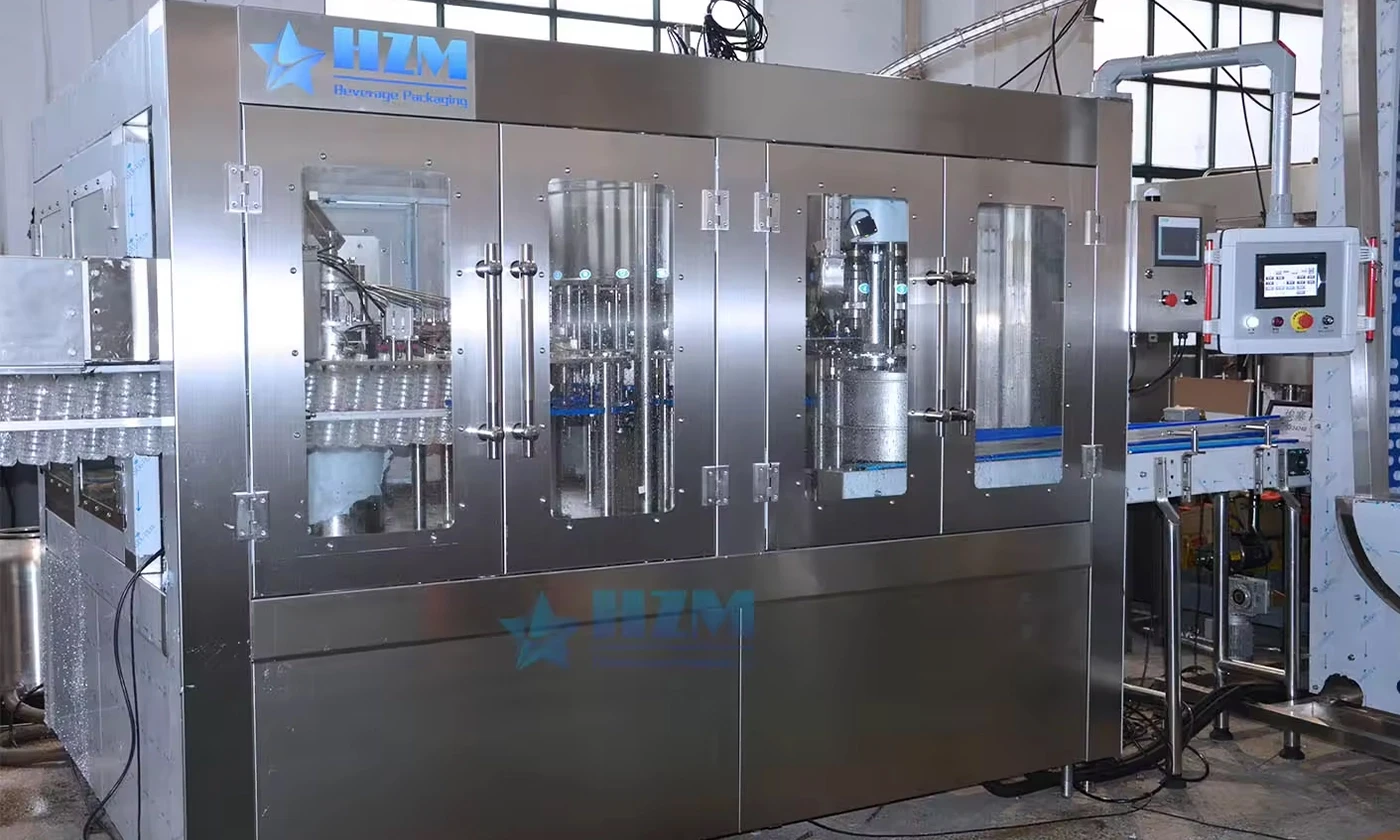
2026-08-23
Bottle Rinser Has Low Spray Pressure: Causes and Repair Steps
Check whether the loss affects the entire rinser or only several nozzles. System-wide loss points to supply, pump, filter or valve problems; a local pattern points to blocked nozzles, damaged tubing or a misaligned bottle. Follow this practical fault-isolation, repair and prevention guide for bottling-line operators and maintenance teams.
Learn more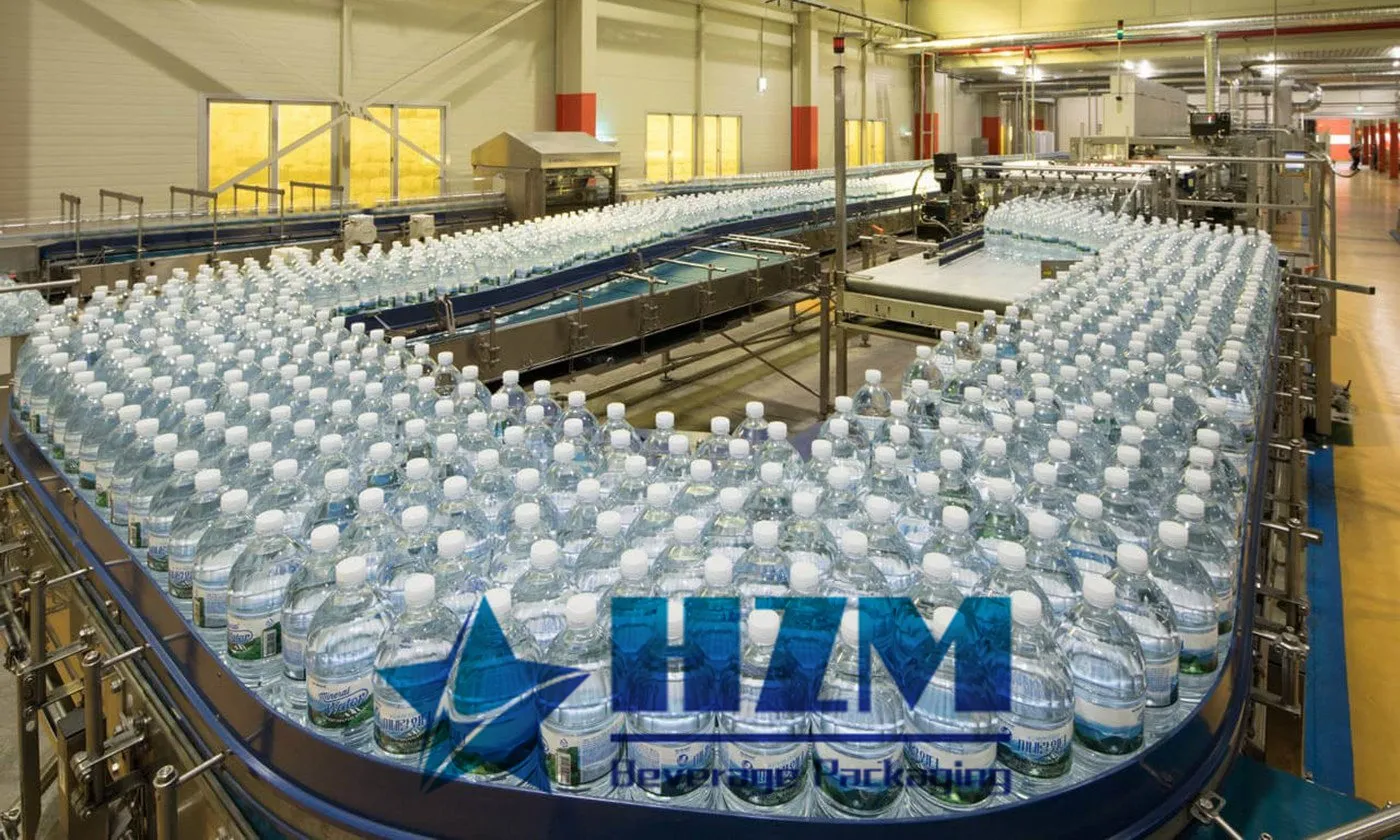
2026-08-20
Bottle Conveyor Jams at the Same Location Every Shift
Mark the first contact point and inspect guide transitions, chain condition, dead plates, speed change, bottle dimensions, lubrication and upstream accumulation. The pile-up often occurs downstream of the actual interference. Follow this practical fault-isolation, repair and prevention guide for bottling-line operators and maintenance teams.
Learn more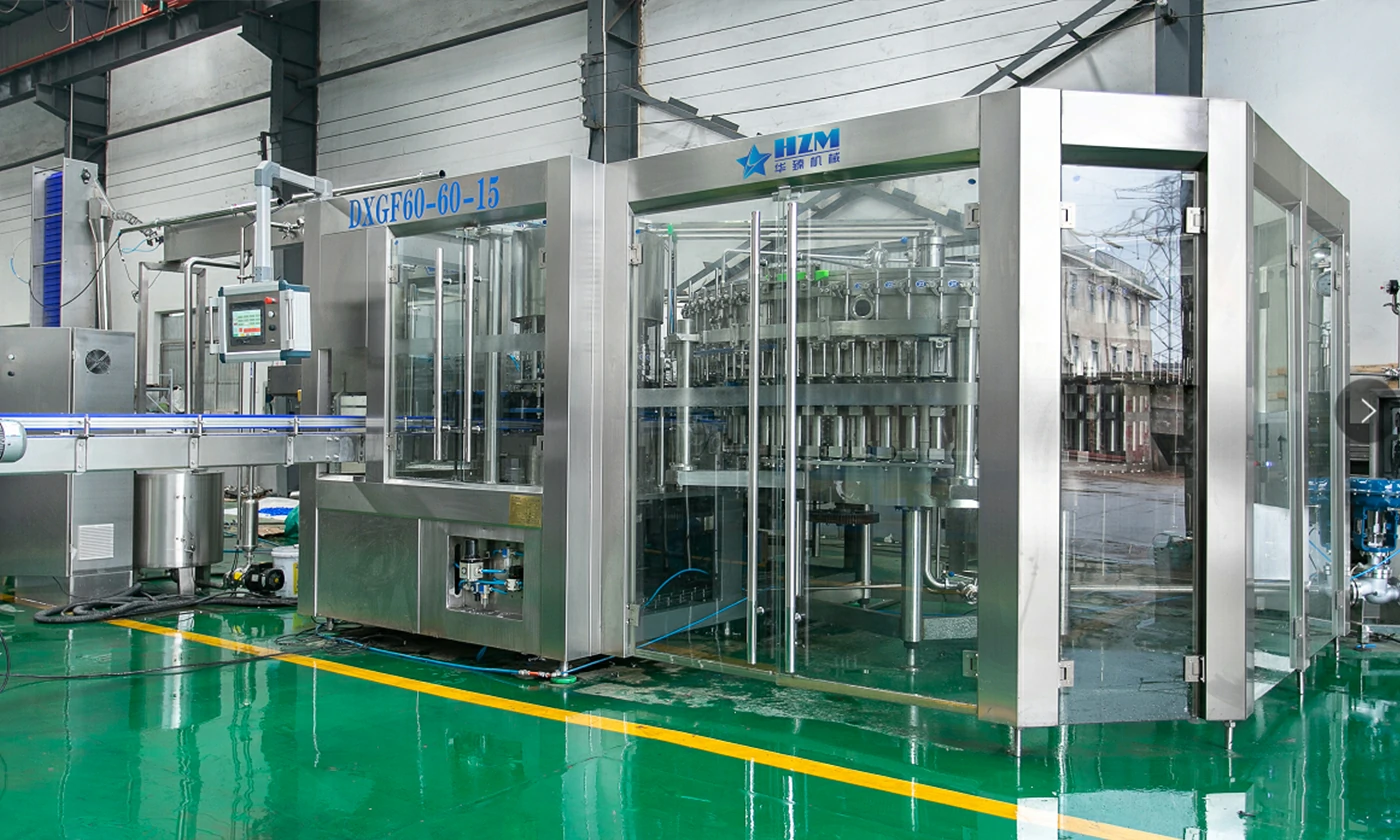
2026-08-16
Glass Bottle Fill Levels Vary by Valve: How to Isolate the Fault
Map the defect by filling valve and bottle lot. Verify bottle internal-volume variation, lift and seal condition, vent-tube depth, valve cleanliness, tank level and product pressure before altering the global fill-height setting. Follow this practical fault-isolation, repair and prevention guide for bottling-line operators and maintenance teams.
Learn more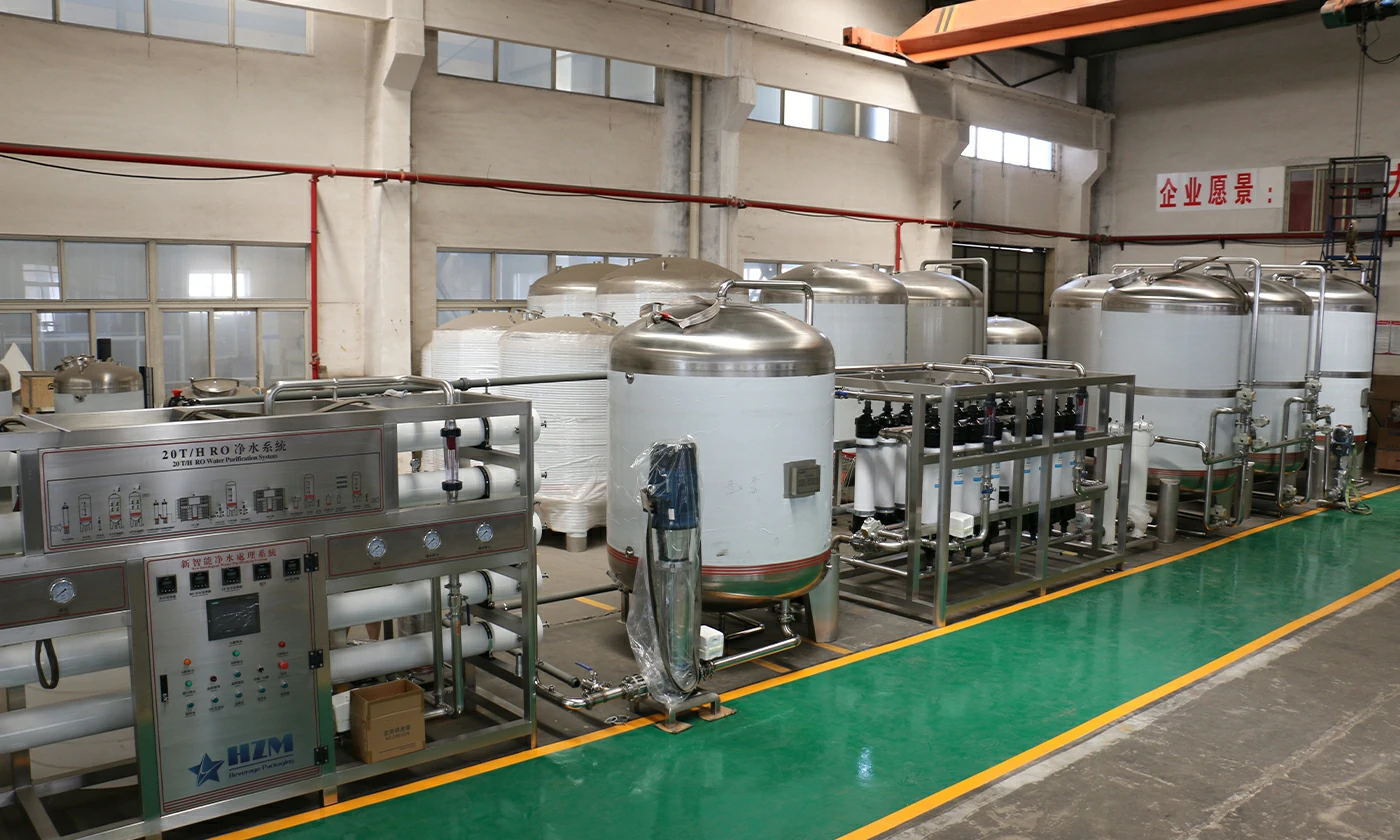
2026-08-12
FAT and SAT Checklist for a Turnkey Beverage Filling Line
Define factory and site acceptance tests for speed, quality, changeover, utilities, documents, safety, training and final line performance.
Learn more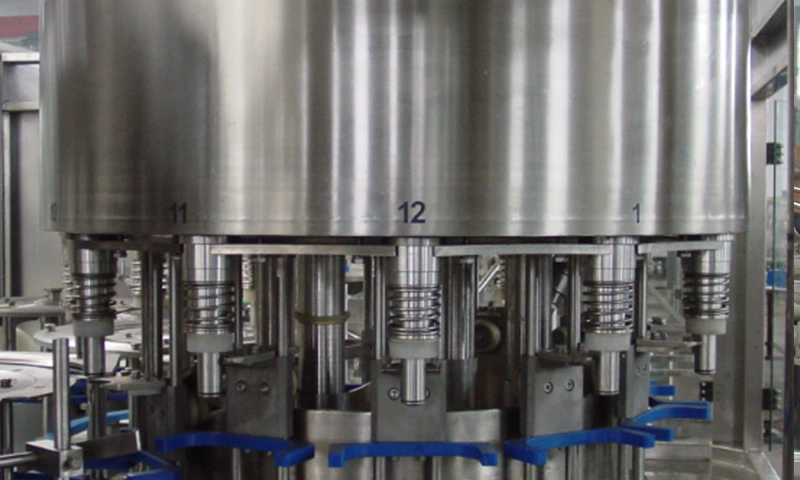
2026-08-11
Filling Machine Spare Parts: Build a Risk-Based Inventory and PM Plan
Classify critical filling-line spares by failure impact, lead time and wear rate, then connect inventory with preventive maintenance and usage records.
Learn more
2026-08-10
Beverage Plant Utilities Checklist Before Equipment Installation
Prepare electricity, compressed air, water, steam, cooling, drains, floor loads, ventilation and access before a beverage line arrives.
Learn more