
Maintaining Juice Processing, Filling and Cleaning Equipment
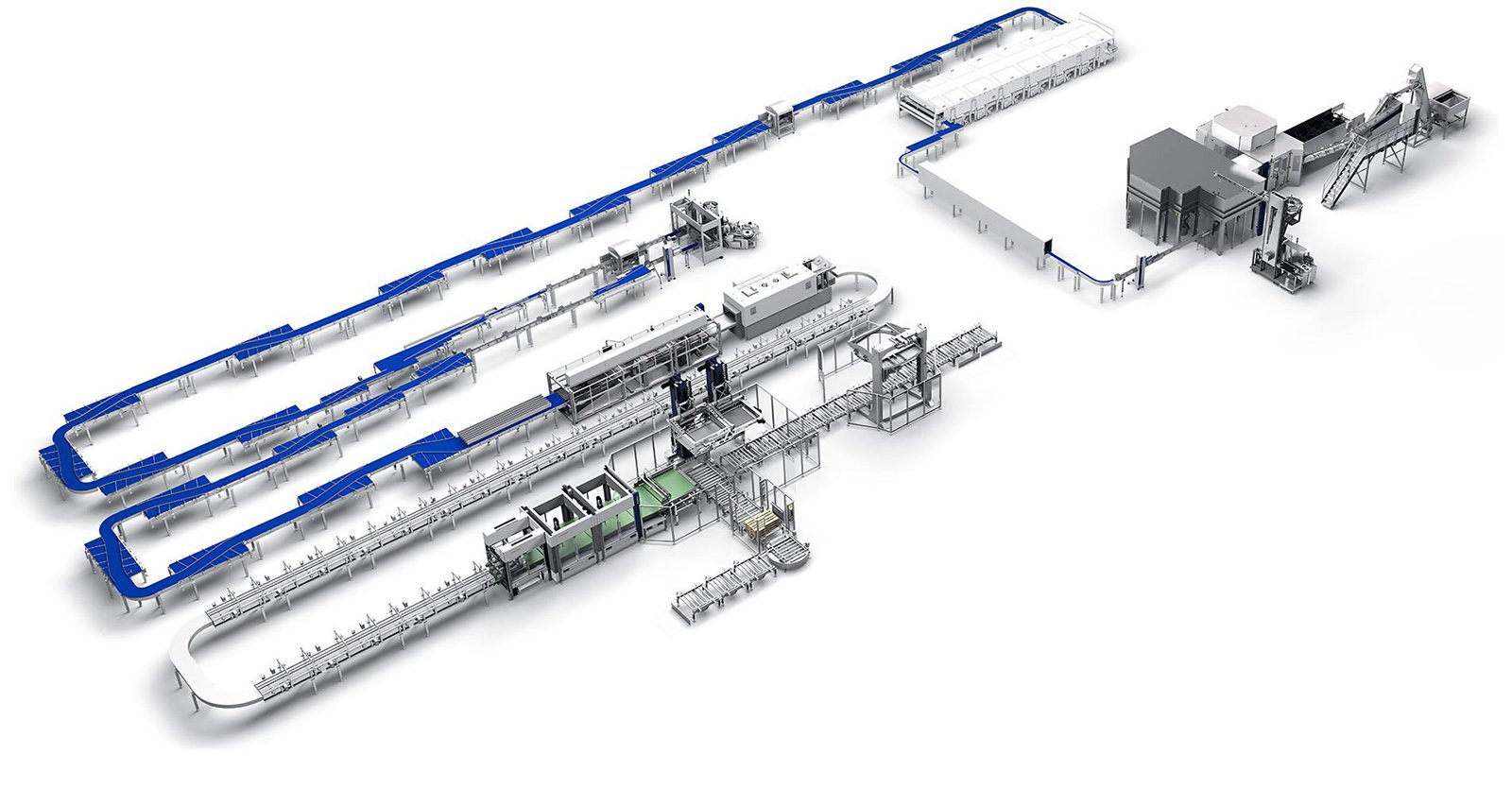
Fruit and vegetable juice production equipment requires more than routine lubrication and occasional cleaning. Pulp and fiber can accumulate in filters, pumps and filling valves. Sugar-containing residues can remain in tanks and pipelines, while worn seals, inaccurate temperature sensors or unstable process flow can affect both equipment performance and finished-product quality.
A maintenance program should address these risks before they cause an unplanned shutdown or a product-quality deviation.
For a typical juice production line, maintenance covers raw material preparation, mixing and transfer, thermal processing, filling, capping, cleaning-in-place (CIP) and conveying equipment. The exact tasks depend on the juice formulation and the installed machinery.
Use the checks below to assign operator observations, planned technical work and return-to-service verification. Machine-specific service intervals, operating limits and cleaning conditions must come from the equipment manuals and the plant’s approved food-safety procedures.
1. Daily Checks Before Starting the Juice Production Line
The first inspection should take place before raw materials or finished beverages enter the equipment.
Start by reviewing the previous shift’s maintenance records. An unresolved filling valve leak, repeated pump alarm or incomplete CIP cycle should be addressed before production resumes.
Mechanical and Electrical Inspection
Walk along the production line and visually inspect the equipment for:
- Product leakage around pumps, valves, pipe connections and tank outlets.
- Damaged or displaced guards and protective covers.
- Loose or visibly damaged conveyor components.
- Unusual deposits around mechanical seals.
- Damage to accessible electrical cables, connectors or sensor housings.
- Abnormal pressure or temperature indications on equipment in a safe standby condition.
Confirm that required emergency stops, guards, interlocks and safety devices are present and ready for their approved functional checks.
Do not reach into machinery, remove guards or open electrical enclosures during routine operating inspections.
If an inspection requires exposure to moving equipment, electrical energy, pressurized lines, stored mechanical energy or hot surfaces, authorized personnel must first follow the site’s isolation and lockout/tagout procedures.
Verify Equipment Readiness
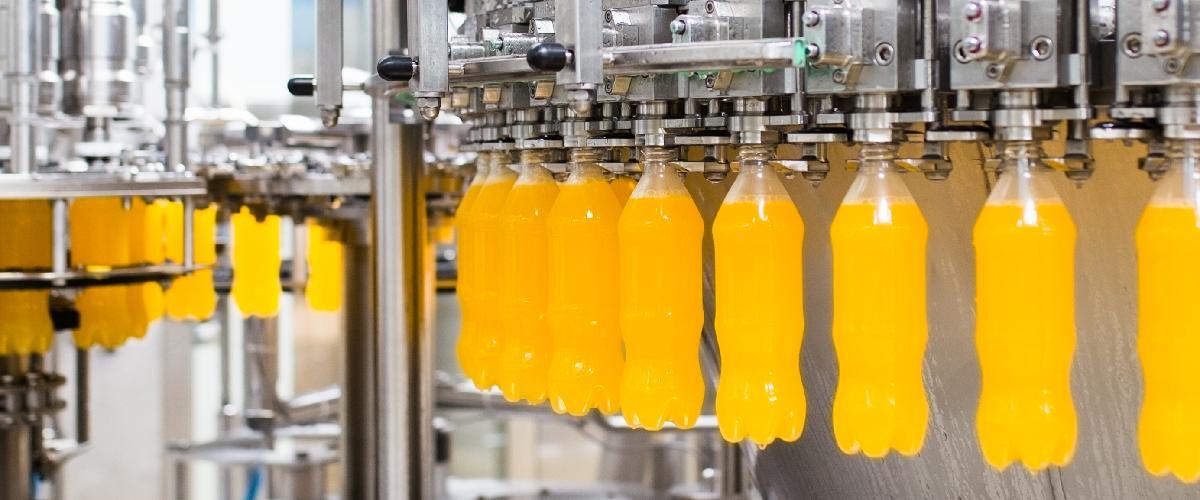
Before admitting product, review the conditions that affect startup.
| Equipment area | Pre-start inspection | Expected result |
|---|---|---|
| Mixing and holding tanks | Check cleaning-release status, connections and visible seal condition | Equipment is released for the intended product |
| Transfer pumps | Check leakage, lubrication/service status and approved startup conditions | Pump is ready for operation |
| Product filters | Confirm correct element or screen installation and integrity | Filter matches the production specification |
| Thermal processing equipment | Check instrument status and approved process settings | Required controls are ready for verification |
| Filling and capping machine | Inspect accessible product-contact parts and change parts | Correct bottle and closure setup |
| Conveyors | Check guides, transfers and visible obstructions | Clear bottle path and installed guards |
| CIP system | Review the previous cleaning cycle and release records | Required cleaning and verification completed |
This checklist establishes equipment readiness. It does not replace the product-specific startup inspection or food-safety release procedure.
2. Maintain Fruit Washing, Crushing and Juice Extraction Equipment
For plants processing fresh fruit or vegetables, the maintenance program begins before the juice reaches the mixing system.
Raw produce can introduce soil, stems, peel fragments, seeds and other materials that increase wear or obstruct processing equipment.
Production lines using purchased juice concentrate may not include these preparation stages.
Washing and Sorting Equipment
Inspect accessible spray nozzles, strainers, drains, transport surfaces and water-supply connections.
Blocked spray nozzles can produce uneven washing coverage. A strainer loaded with debris can restrict circulation and alter washing performance.
The washing-water system should be operated and monitored according to the plant’s approved water-quality and sanitation requirements.
Cleaning the washing machine does not, by itself, demonstrate that fruit or vegetables are microbiologically safe.
Crushers, Pulpers and Extractors
Crushing and extraction equipment can experience wear on cutting, screening and conveying components.
A suitable inspection includes:
- Inspecting accessible screens, blades and other wearing components after safe isolation.
- Checking for trapped seeds, peel and fiber in the approved cleaning areas.
- Comparing vibration, noise and operating load with established normal conditions.
- Checking the condition of specified bearings, seals and drive components.
- Replacing damaged parts with components compatible with the machine and product-contact requirements.
A gradual increase in motor load may indicate material accumulation, increased mechanical resistance or a change in raw material characteristics.
Do not assume that the motor or bearing is defective without inspecting the process conditions.
After reassembly, verify the position of guards and the condition of relevant product-contact areas before restarting.
3. Inspect Mixing Tanks, Pumps and Product Filters
Once juice enters the preparation system, maintenance priorities shift toward product consistency, controlled transfer and cleanability.
HZM Machinery’s beverage processing equipment range includes mixing, homogenization, deaeration and thermal-processing operations for selected beverage applications.
For these systems, three areas deserve particular attention.
Mixing Tank Agitators
Inspect agitator operation for unusual sound, vibration or inconsistent mixing behavior.
During scheduled shutdowns, authorized technicians should check the drive, shaft seals, fastening components and other service points identified in the equipment manual.
For products containing pulp or suspended ingredients, changes in circulation or agitation may affect batch uniformity.
If the mixing performance changes, compare relevant operating data and product samples before adjusting the agitator speed.
An increase in speed may not solve a problem caused by an incorrect mixing sequence or damaged impeller.
Product Transfer Pumps
Product transfer pumps should be monitored for leakage, unstable discharge pressure, abnormal vibration and changes in operating sound.
For positive-displacement pumps, operating conditions must remain compatible with the pump design and pressure protection arrangement.
Do not operate a positive-displacement pump against a blocked discharge unless its design and protective system expressly permit the condition.
For centrifugal pumps, loss of prime, inlet restrictions or inappropriate operating conditions can also damage the equipment.
Mechanical seal condition should be assessed during authorized maintenance, using the approved isolation and depressurization procedure.
Filters and Strainers
Juices containing pulp, fiber or other suspended solids can increase the load on filtration equipment.
A rising pressure differential across a filter can indicate increasing resistance, but the result must be evaluated at a comparable flow rate, temperature and product condition.
When a filter requires service, isolate and depressurize it before opening the housing.
Inspect the element or screen for damage, incorrect seating and residue accumulation.
Replacement parts must match the required filtration duty. Installing a finer filter without evaluating product characteristics may increase pressure loss or unintentionally remove desired product components.
4. Maintain Pasteurization and Heat-Treatment Equipment
Thermal processing equipment requires special attention because it may form part of the juice plant’s validated food-safety process.
Depending on the product and processing method, the system may include heat exchangers, holding sections, temperature instruments, flow-control equipment, valves and heating or cooling utilities.
Maintenance must preserve the conditions required by the approved process.
Check Temperature and Flow Measurements
Operators should monitor the measurements identified in the production and food-safety procedures.
These may include:
- Product temperature at the specified measurement points.
- Product flow rate or approved timing-pump conditions.
- Heating and cooling utility conditions.
- Pressure differences where they are relevant to equipment integrity or process control.
- Alarm, recording and product-diversion functions.
Temperature displays should not be treated as correct indefinitely.
Calibrate or verify measurement instruments using approved procedures, reference equipment and intervals appropriate to their function.
For a continuous process, changes in pump speed or flow can affect product residence time.
Therefore, modifying a pump, frequency inverter, holding section or related control setting may require an assessment of the validated processing conditions.
Check Heat-Exchanger Condition
Juice deposits and other process residues can reduce heat-transfer performance or increase hydraulic resistance.
Useful indicators include changes in pressure drop, heating performance, utility demand and the frequency of cleaning-related alarms.
The appropriate response depends on the type of heat exchanger and the nature of the deposits.
A damaged plate gasket, leaking connection or compromised heat-exchanger surface may create a different risk from ordinary fouling.
Where heat-exchanger integrity is important to prevent cross-contamination, follow the approved inspection and testing procedures.
What If the Pasteurization Temperature Drops?
Do not simply increase the setpoint and continue production without evaluating the affected product.
If a critical process condition is not met, apply the plant’s approved deviation procedure, including product diversion or segregation where required.
The affected production period must be determined from validated process limits and reliable records.
Quality and authorized process personnel should decide whether the product can be reprocessed, released or must be rejected.
A mechanical repair does not automatically make previously processed juice acceptable.
5. Regular Maintenance of Juice Filling and Capping Machines
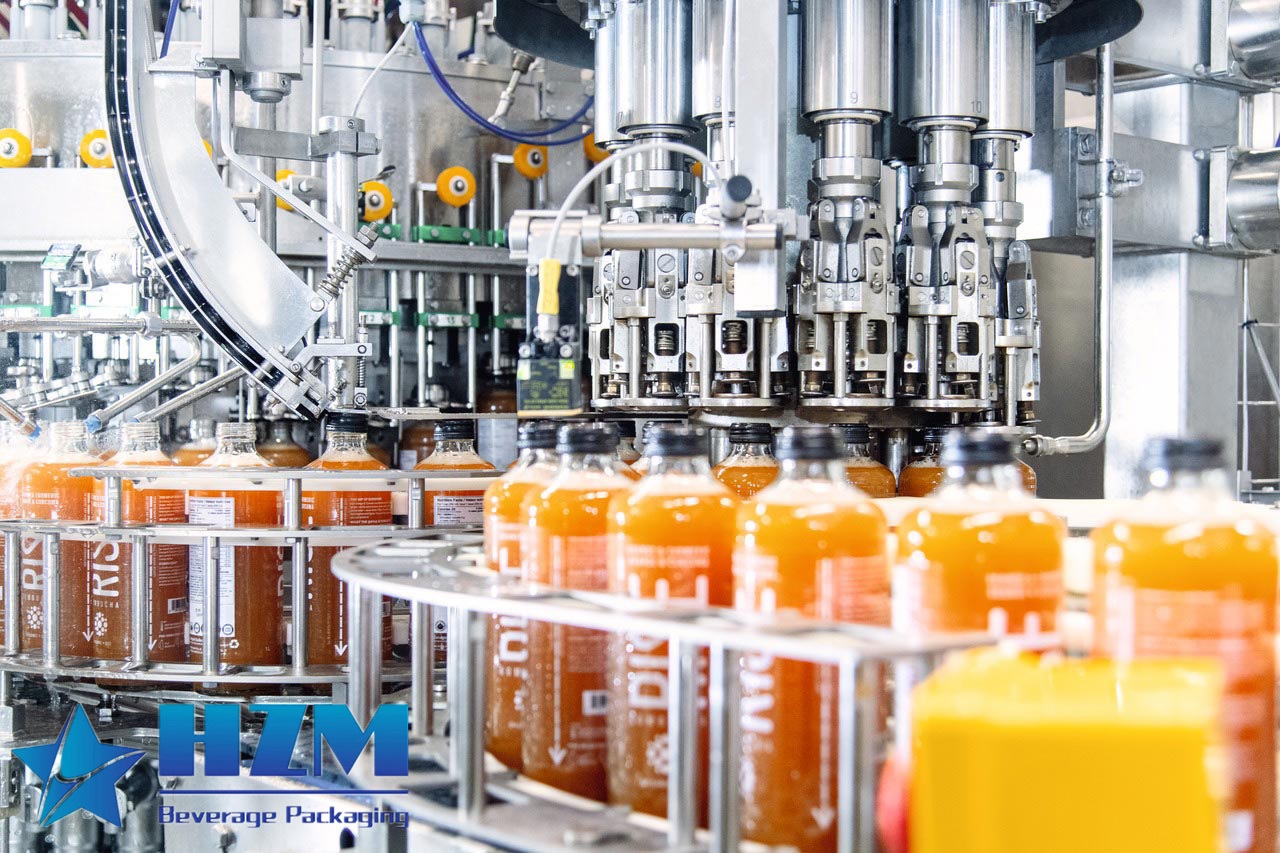
Juice filling equipment combines moving mechanical components with product-contact valves, seals and container-handling parts.
The maintenance procedure should reflect the actual filling method, bottle material and beverage characteristics.
Inspect Filling Valves and Nozzles
During operation, monitor filling accuracy, leakage, splashing and repeatability.
For pulp-containing products, additional attention may be necessary where fruit particles pass through dosing valves or product passages.
Inspect accessible product paths during approved cleaning or scheduled maintenance for:
- Residue that could obstruct product movement.
- Worn or damaged valve seals.
- Incorrectly fitted product-contact components.
- Signs of leakage around valve connections.
- Damage that could affect bottle positioning or filling accuracy.
Do not remove a filling nozzle, seal or valve component while the equipment is pressurized or capable of unexpected movement.
HZM’s Juice Pulp Filling Machine illustrates a configuration with separate pulp and liquid dosing functions.
For such equipment, the liquid filling path and pulp dosing mechanism may require different inspection and cleaning arrangements.
A maintenance procedure developed for a clear-juice filler should not automatically be applied to a pulp dosing system.
Inspect Bottle Handling Components
Bottle guides, transfer stars, grippers and other change parts should be checked for wear, misalignment and damage.
Repeated bottle scuffing, tipping or unstable transfer may indicate an equipment adjustment problem, an incorrect format part or a container variation.
The cause should be identified before changing multiple settings.
Check Capping Performance
Inspect cap feeding, cap positioning and closure application using the actual bottle and cap specification.
Closure verification may include application torque or other tests appropriate to the closure design.
A single generic torque value should not be used for all caps.
The acceptance limits must be established for the specific closure, container and product conditions.
6. CIP Cleaning and Maintenance: What Must Be Verified?
Cleaning-in-place removes product residues from suitable internal equipment surfaces without routine dismantling of the entire processing circuit.
For a juice line, CIP may serve mixing tanks, transfer piping, pumps, heat exchangers and compatible filling equipment.
HZM Machinery offers CIP systems with configurations that include cleaning solution tanks, heating arrangements, control equipment and single or multiple cleaning circuits.
However, a completed CIP cycle does not automatically prove that every product-contact surface has been cleaned effectively.
The cleaning program must be appropriate to the installed system and its product residues.
Review the Approved Cleaning Sequence
A documented cleaning procedure may include product drain-down, preliminary rinsing, detergent circulation, intermediate rinsing and additional cleaning or sanitation stages where required.
The sequence depends on the equipment, juice formulation and approved cleaning program.
Products containing pulp, stabilizers or other ingredients may leave residues different from those of clear juice.
Cleaning conditions should not be copied from an unrelated beverage process without assessing the actual soil and material compatibility.
Check the Main CIP Variables
| CIP variable | Maintenance concern | Verification method |
|---|---|---|
| Cleaning solution flow | Insufficient circulation or cleaning coverage | Review flow measurement and approved circuit conditions |
| Temperature | Inadequate heating or inaccurate measurement | Check recorded conditions and instrument verification |
| Chemical concentration | Incorrect dosing, dilution or measurement | Use the approved measurement procedure |
| Contact time | Interrupted or incomplete cleaning stage | Review sequence and recorded cycle duration |
| Valve routing | Incorrect or incomplete circuit coverage | Verify approved valve sequence and path |
| Return condition | Residues, trapped liquid or unexpected contamination | Apply the documented endpoint and release checks |
No universal cleaning temperature, detergent concentration or cycle duration should be used across all fruit and vegetable juice systems.
These limits depend on residue characteristics, cleaning chemicals, equipment materials and the verified cleaning procedure.
Inspect CIP Equipment Itself
During scheduled servicing, check solution tanks, dosing systems, pumps, valve actuators, seals, instruments and accessible piping connections.
Blocked spray devices or incorrect tank-cleaning coverage may leave residues even when the CIP skid reaches its intended temperature and concentration.
Maintenance records should distinguish between a completed programmed cycle and verified cleaning effectiveness.
Where the food-safety plan requires it, release checks may include visual inspection, chemical-residue checks, microbiological verification or other validated methods.
Do not shorten an approved cleaning sequence simply to reduce changeover time.
7. Build a Maintenance Schedule Around Actual Equipment Conditions
Maintenance should combine routine operator inspections with scheduled technical servicing.
The example below can be used as a starting structure. It is not an official HZM service schedule and does not replace the manufacturer’s component-specific maintenance instructions.
| Maintenance timing | Suggested tasks | Responsible function |
|---|---|---|
| Before production | Review cleaning release, leaks, guards, alarms and instrument status | Production / Quality |
| During each shift | Monitor pump behavior, filter pressure drop, filling quality, heat-treatment controls and conveyor condition | Operators |
| After an approved production run or changeover | Complete required cleaning, inspect accessible product-contact areas and document release | Sanitation / Quality |
| Planned maintenance window | Inspect seals, drives, bearings, hoses, valve actuators and selected electrical components | Maintenance |
| At the approved calibration interval | Verify temperature, pressure, flow and other relevant instruments | Instrumentation / Quality |
| After significant repairs | Recheck function, hygiene, safety devices and affected process parameters | Maintenance / Quality |
The correct service interval for a particular component depends on operating hours, equipment construction, product exposure, inspection history and the manufacturer’s instructions.
For example, seals exposed to repeated cleaning cycles may follow a different replacement plan from conveyor bearings.
Rather than replacing all parts on the same calendar date, use component history and condition monitoring to identify which parts require more frequent attention.
Use Equipment Records to Improve the Schedule
A pump with repeated leakage or a filter that requires unusually frequent replacement should be investigated.
Simply shortening the replacement interval may hide the actual problem.
Compare the affected equipment with its operating history, recent recipe changes, cleaning conditions and previous repairs.
This helps separate expected component wear from unsuitable operating conditions or recurring process faults.
8. Record Maintenance Results, Not Just Completed Tasks
A checklist marked “completed” provides limited value if it does not record what was observed.
Maintenance records should make it possible to identify changes before a machine fails.
For example, a pump inspection record might include vibration observations, seal leakage, operating pressure, maintenance actions and the person performing the inspection.
A useful record structure is:
| Record field | Example of information to capture |
|---|---|
| Equipment identification | Machine type, model or asset number |
| Date and operating condition | Time, product and relevant operating state |
| Inspection item | Seal condition, filter pressure differential or temperature instrument |
| Result | Actual reading or specific observation |
| Reference | Approved equipment limit or historical baseline |
| Corrective action | Cleaning, adjustment, part replacement or further investigation |
| Verification | Test result following the work |
| Authorization | Person responsible for returning equipment to service |
Measurements should be compared with the manufacturer’s approved limits or an established normal baseline.
A visible change from the baseline can justify further inspection even before a machine reaches a shutdown condition.
The record should also identify recurring problems. Repeated alarms that are cleared without a documented cause are not evidence of a successful repair.
9. Safe Shutdown, Repair and Restart Procedures
Maintenance work can introduce new hazards if equipment is restarted without appropriate checks.
Before opening processing equipment or removing guards, authorized personnel must isolate the relevant energy sources according to the plant’s procedures.
The required controls may cover electrical, pneumatic, hydraulic, mechanical and thermal energy.
Hot liquids, pressurized piping and residual cleaning chemicals must also be addressed.
After Maintenance, Verify the Equipment Before Production
A practical return-to-service sequence includes:
- Confirm that the repair is complete and all tools, temporary fittings and unnecessary materials have been removed.
- Verify that guards, seals, clamps, instruments and safety devices are correctly restored.
- Complete the required cleaning or sanitation after any intervention affecting product-contact areas.
- Perform approved functional checks, including relevant alarms and protective functions.
- Confirm that affected process settings and instrument readings meet the established requirements.
- Carry out production-quality checks using the actual beverage and container where required.
- Document the results and obtain the necessary maintenance, production and quality authorization.
If the repair affects a validated food-safety process, qualified personnel must determine whether additional verification or revalidation is necessary.
Product made during troubleshooting or abnormal processing conditions should remain under the site’s product-control procedure until a release decision has been made.
Restarting the machine successfully is not the same as verifying that the product is safe and meets specification.
10. When Should Maintenance Be Escalated?
Some faults should not be addressed through repeated adjustments during normal production.
Escalate the issue when there is evidence of:
- Failure of a safety device or protective interlock.
- Loss of an established critical processing condition.
- Unexplained product leakage into an area where contamination could occur.
- Repeated seal failures or abnormal pump vibration.
- Suspected cross-contamination from cleaning chemicals or utility fluids.
- Failure to complete or verify the required cleaning procedure.
- Persistent filling defects after approved routine adjustments.
- Damage to pressure-containing equipment or other safety-critical components.
The relevant equipment should remain out of service when continued operation would present an uncontrolled hazard.
When technical support is required, provide the equipment model, serial number, observed fault, alarm history, operating conditions, photographs and relevant maintenance records.
This information helps the equipment supplier or service engineer determine the next diagnostic steps without relying on assumptions.
Turn a recurring fault into a corrective action
For a repeated filling-valve leak, record the valve position, product, operating temperature and time since the last seal replacement. Compare the removed seal and installation condition with the approved part specification. After correction, test the affected valve and neighboring valves under the same conditions, then review the next production run for recurrence.
Need help planning your packaging line?
Share your product, bottle and capacity requirements for a practical equipment recommendation.
PET Bottle Juice Beverage Filling Machine
PET bottle juice filling with automatic rinsing and capping, for juice, tea and still beverages.
Learn more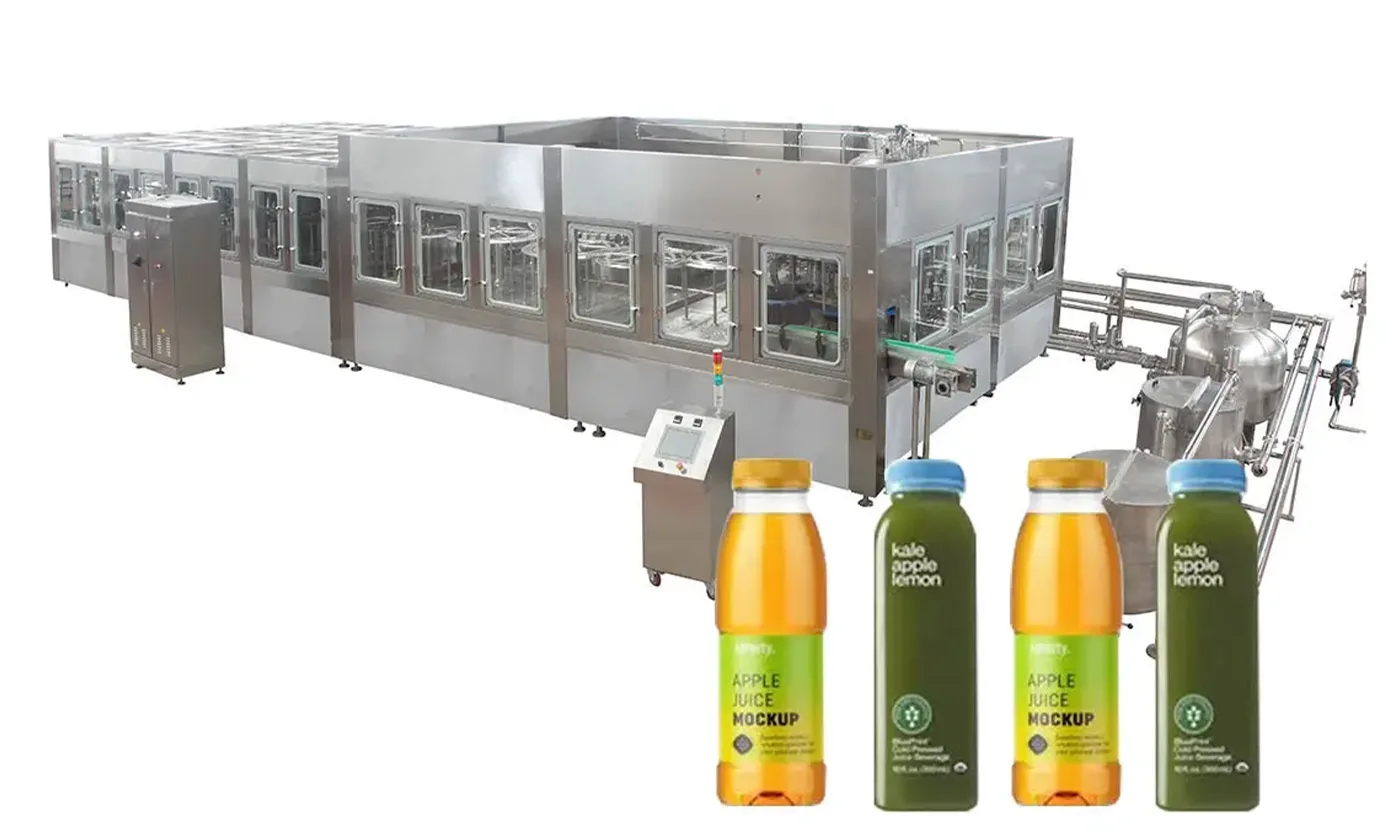
Bottled Juice Packaging Machine
Bottled juice filling equipment with rinsing and capping, from 6,000 to 18,000 bottles/hour at 500 ml.
Learn more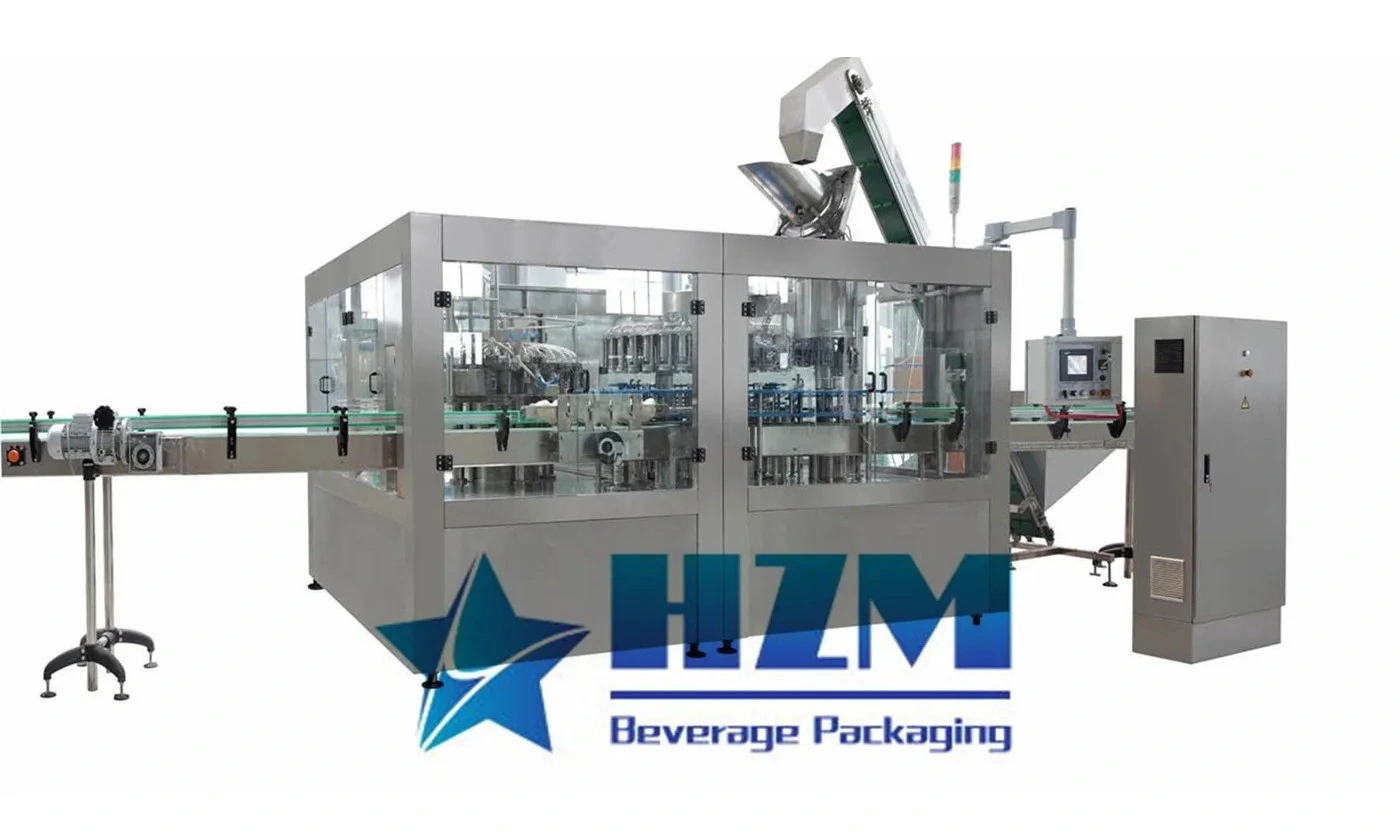
Glass Bottle Juice Beverage Filling Machine
Glass bottle juice filling with rinsing and capping, for juice, tea and other still beverages.
Learn more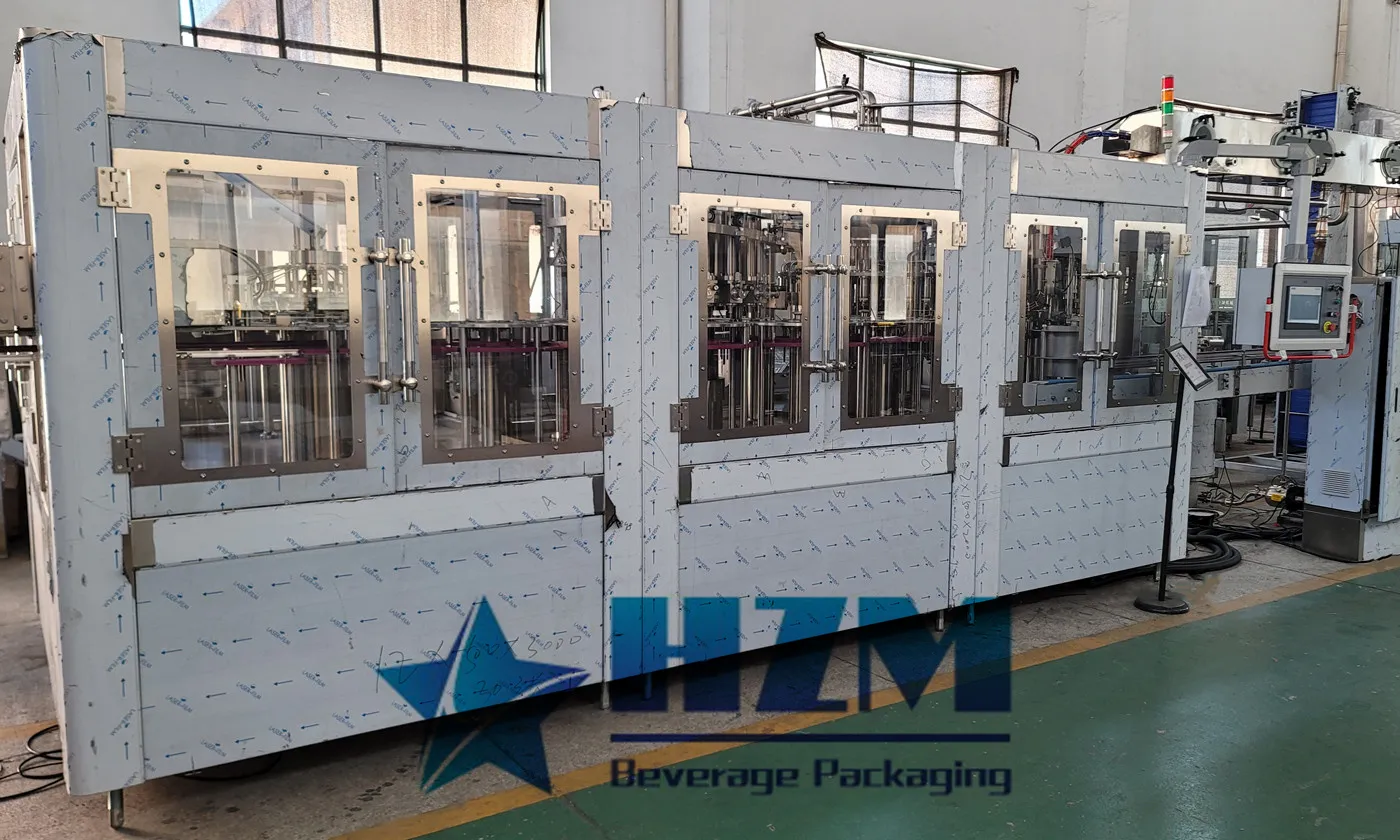
Automatic Pulp Juice Filling Machine
Pulp juice filling with separate pulp and liquid dosing, bottle rinsing and capping for beverages containing fruit particles.
Learn more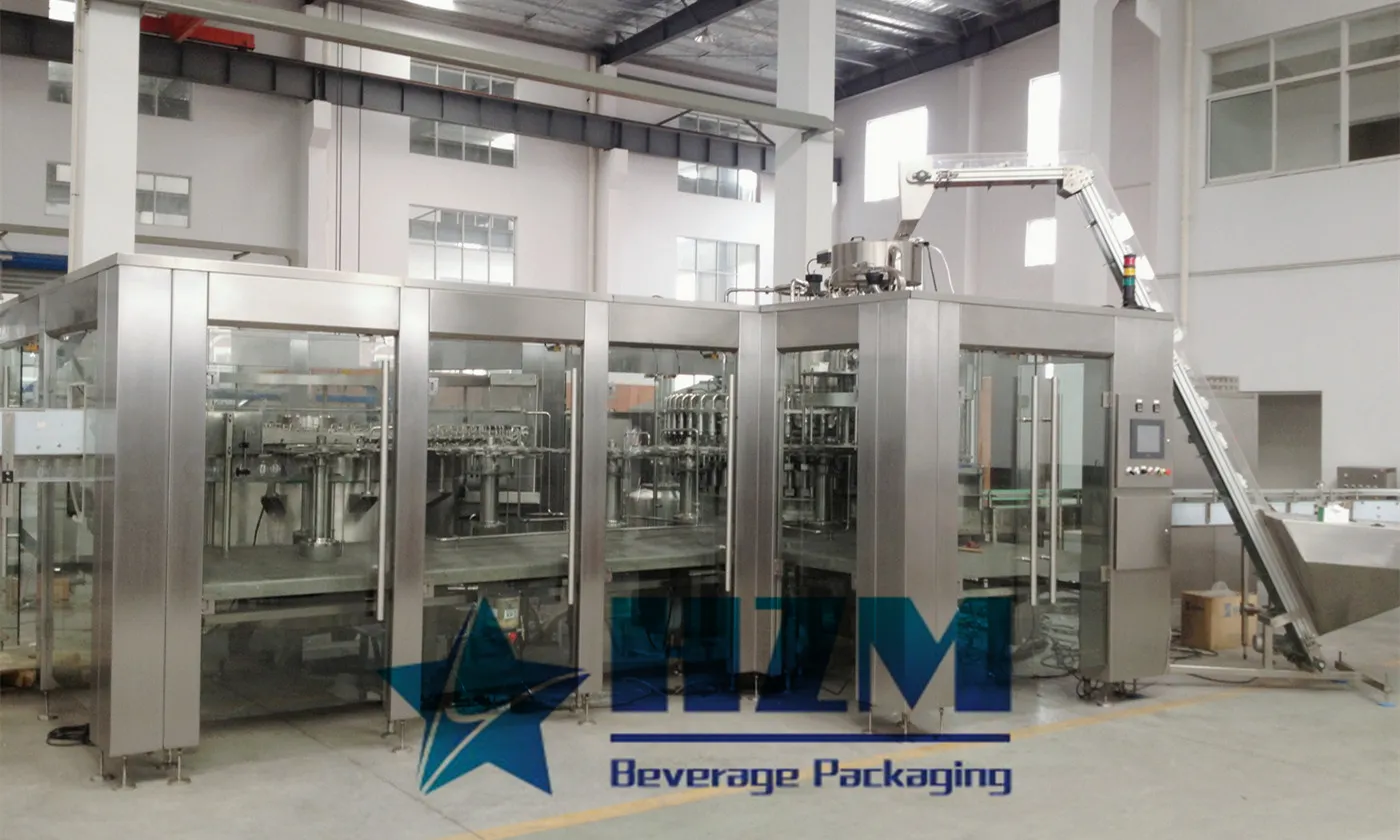
PET Bottle juice Beverage Hot Filling Machine
Hot filling for juice and tea in heat-compatible PET bottles, with automatic rinsing, filling and capping.
Learn more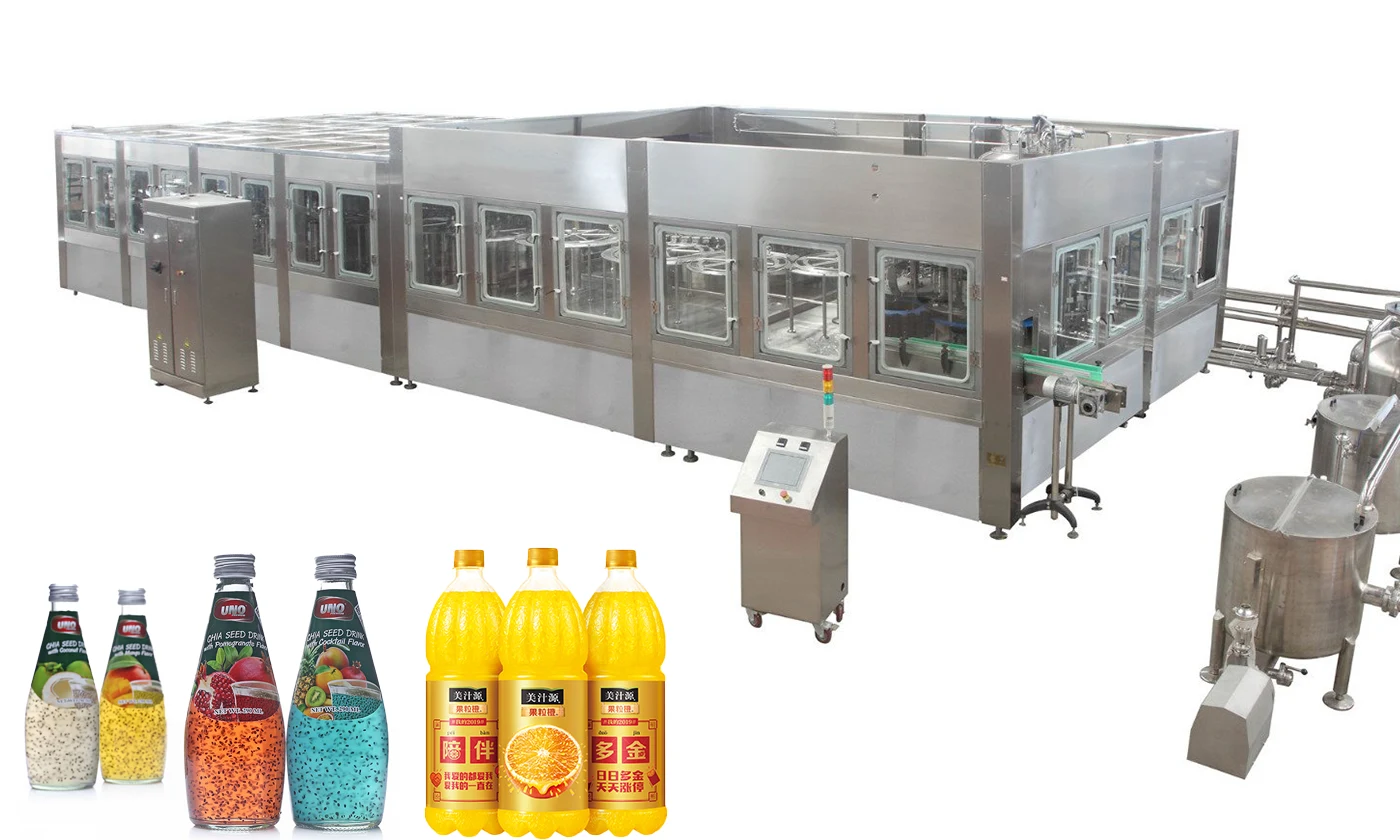
juice Pulp Filling Machine 4 in 1
RXGGF16-16-5 pulp juice filling with separate pulp and liquid dosing, rinsing and capping at 5,000 bottles/hour for 250 ml bottles.
Learn more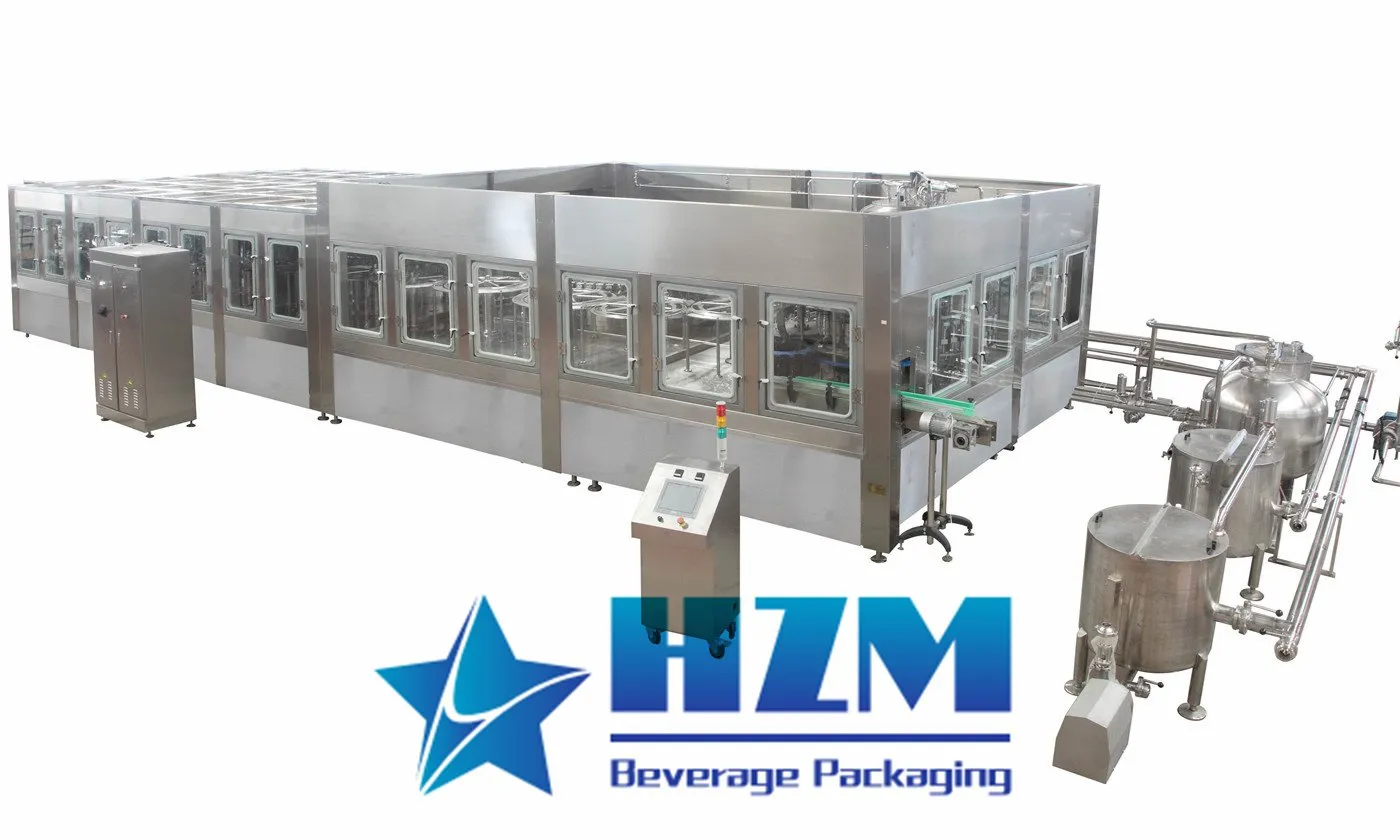
Moderate Temperature Juice Filling Machine
Moderate-temperature juice filling with automatic bottle rinsing and capping, with XXGF models from 6,000 to 24,000 bottles/hour at 500 ml.
Learn more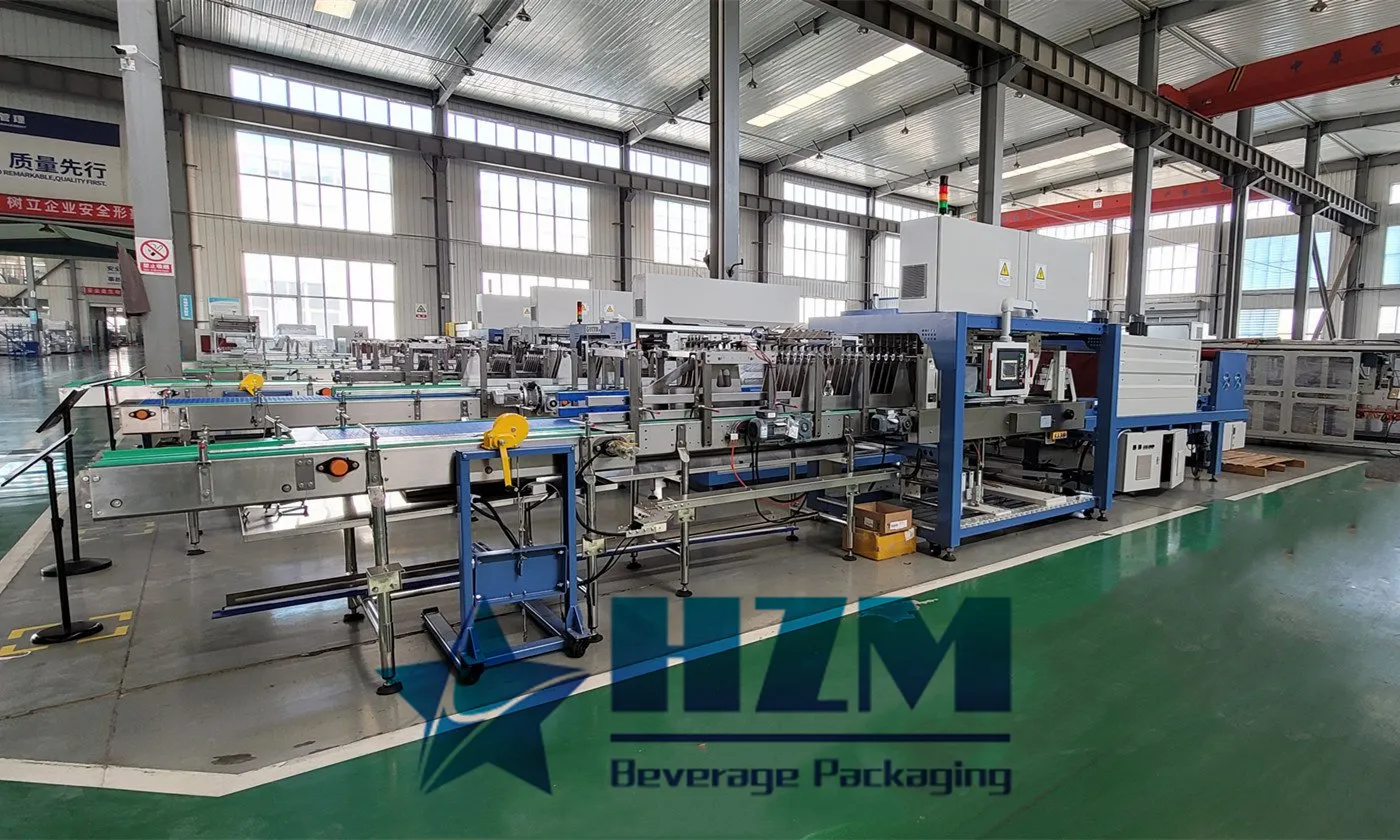
Automatic Beverage Packaging Machines – Juice, Soda & Soft Drinks
HZM beverage packaging equipment connects juice, soda and soft drink filling with labelling, coding and secondary packaging.
Learn more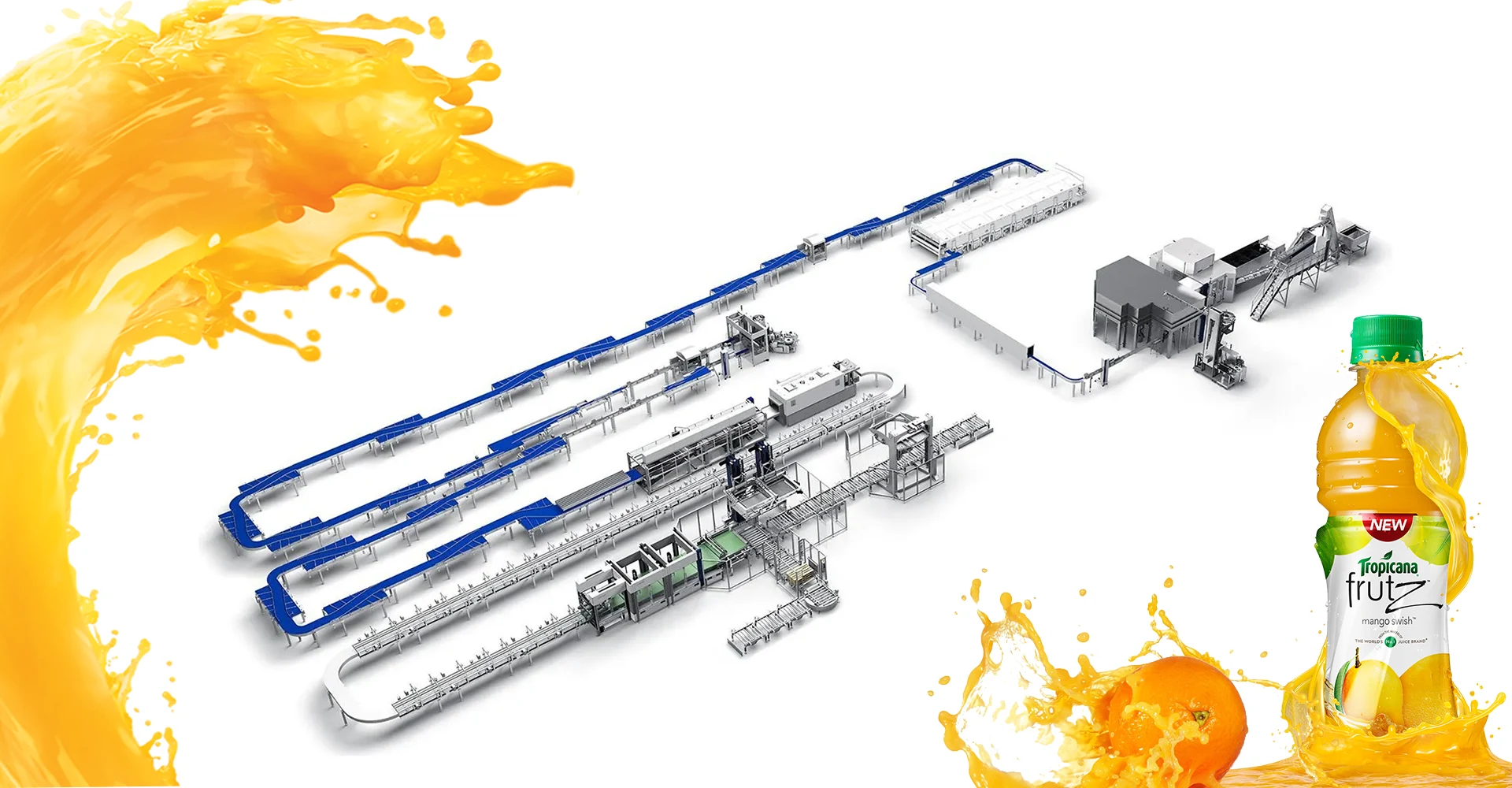
Beverage Filling Machine & Turnkey Filling Line for Juice, Soft Drinks and Cans
Beverage filling machines and turnkey lines for juice, soft drinks, water and beer in PET bottles, glass bottles or cans.
Learn moreCIP Cleaning for Juice Filling Machines: Process and System Selection
A practical guide to planning CIP cleaning for juice tanks, pipelines and filling machines, including circuit design, cycle control and verification.
Learn moreWhat a Juice Line Supplier Needs to Know About the Product
A juice filling enquiry should describe soluble solids, viscosity, pulp and the intended preservation route.
Learn more
How to Choose a Fruit Juice Beverage Production Line
As a complete set of process-oriented machinery and equipment, when ordering machinery and equipment, one must not rush into it. It is necessary to conduct relevant comparisons of the complete set of production line equipment. Some specific equipment configurations will directly affect the cost-effectiveness of the entire fruit juice production line machinery and equipment.
Learn moreJuice-Line CIP Coverage and Cleaning Validation
List the tanks, pipes, valves and filling paths included in each cleaning circuit.
Learn more
The Working Principle of Juice Filling Machine
Juice filling machine and ordinary water or carbonated beverage materials are significantly different in composition, filling methods and filling processes are also different. Therefore, the structure of juice filling machine is very different from that of ordinary water filling machine in terms of filling cylinder, filling valve and management system. Because the ingredients of the juice hot filling […]
Learn moreThe Application of Filling Machines in the Juice Beverage Industry
With the growing emphasis on healthy consumption, juice beverages have become increasingly popular in modern life. To meet market demands, juice beverage manufacturers employ advanced technologies and equipment, with filling machines playing a pivotal role in the juice beverage industry. This article focuses on the application and advantages of filling machines in the realm of juice beverages.
Learn more