
Insights & Updates
Bottled Water Production Line Cost: Equipment and Quotation Guide
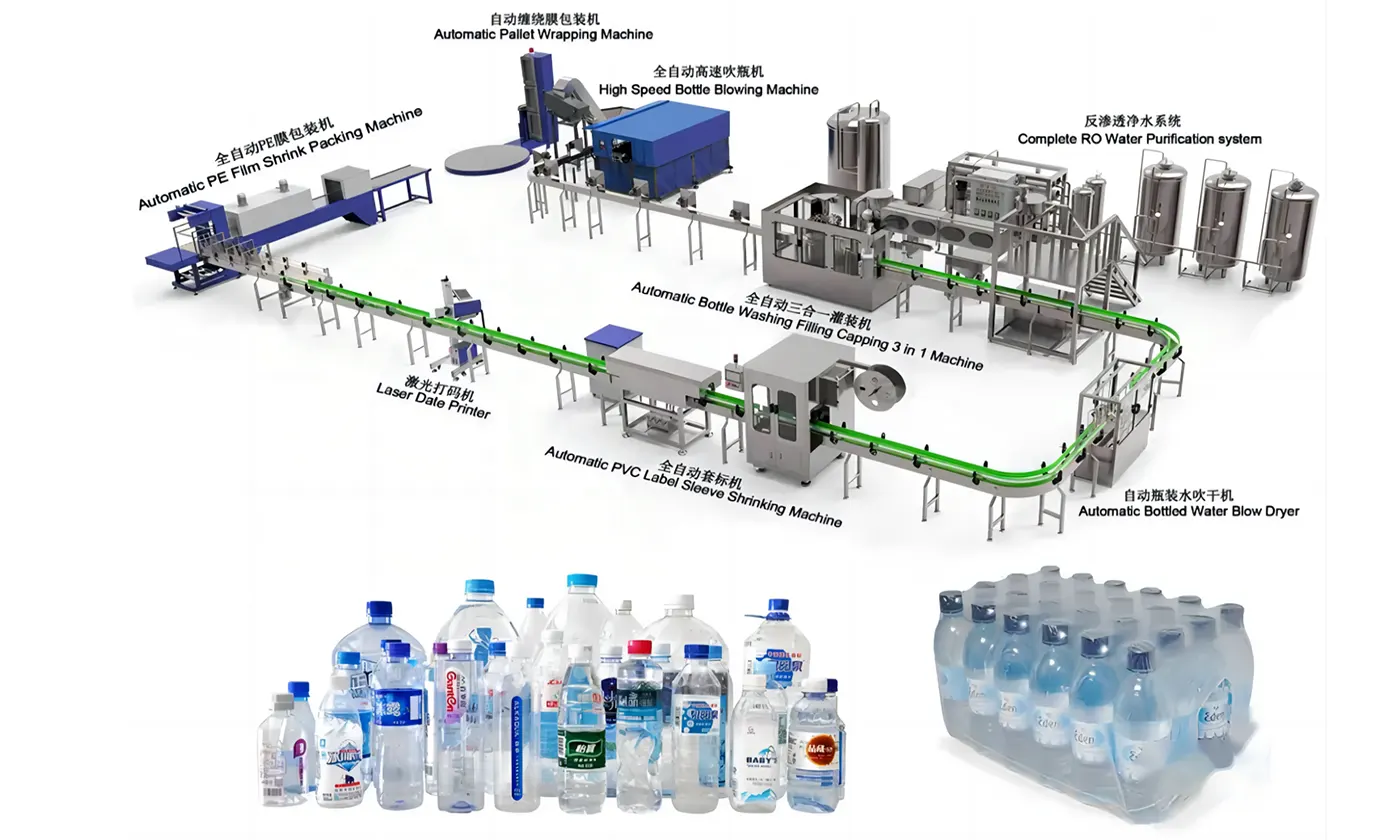
There is no reliable single price for a bottled water production line. Two quotations with the same headline capacity can have very different scopes: one may start with treated water and purchased bottles, while another includes raw-water treatment, bottle blowing, filling, labeling, packing, utilities, installation, and spare parts.
The costly mistake is not always choosing the higher-priced line. It is comparing incomplete quotations and discovering after the order that essential equipment, factory services, or commissioning work was excluded.
What equipment is normally included?
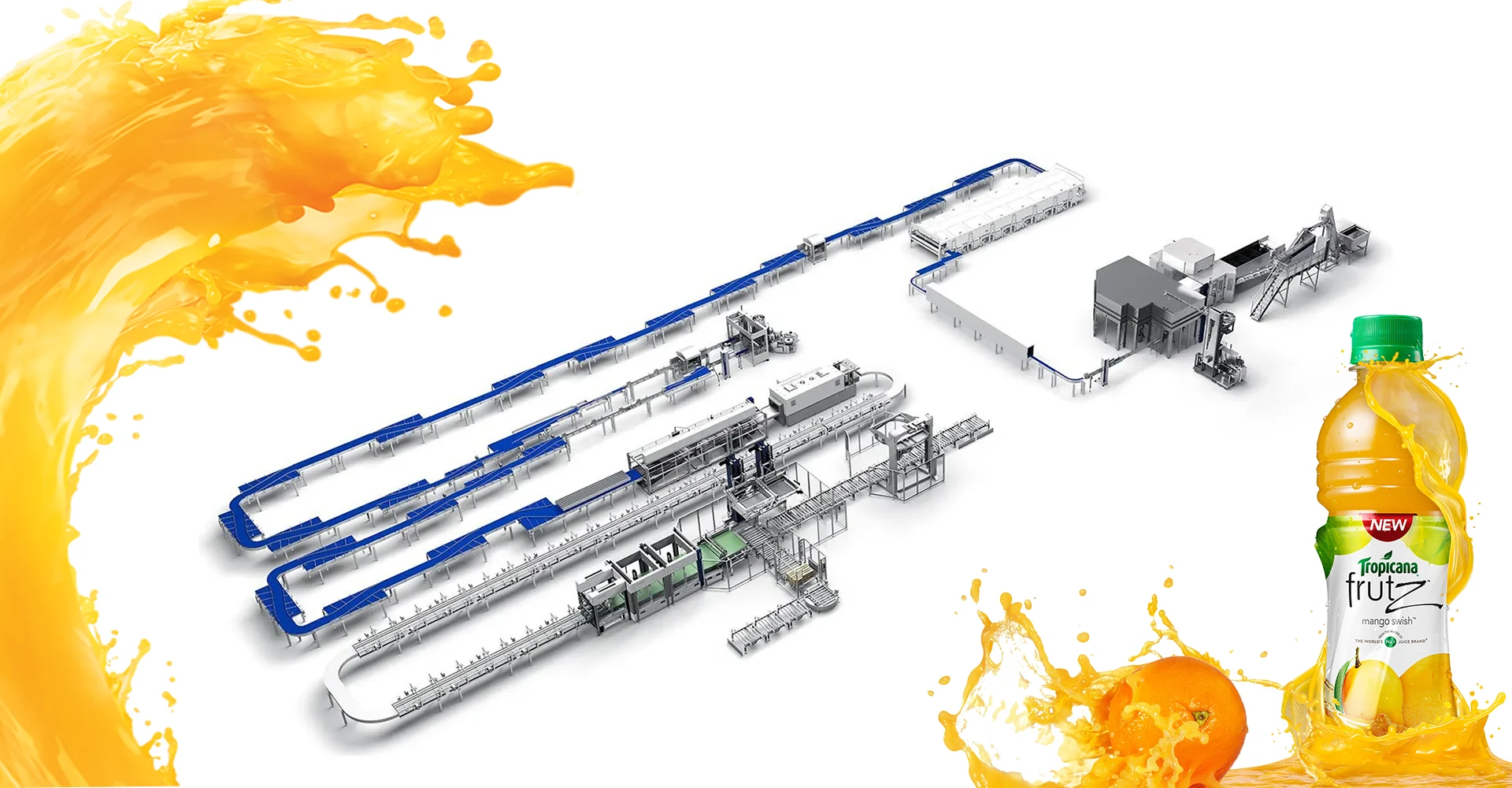
A complete bottled water project can include the following blocks. Not every factory needs every block, but every quotation should state where the supplier’s responsibility starts and ends.
| Line section | Typical equipment or work | Questions that affect cost |
|---|---|---|
| Raw-water treatment | Pumps, tanks, media filtration, softening or dosing, membranes, UV or ozone, and process controls | What is the water analysis, required product-water standard, recovery target, and hourly demand? |
| Bottle production | Preform handling, blow molding, high-pressure air system, molds, and bottle transfer | Will bottles be made in-house or purchased? What bottle sizes, weights, and neck finish are used? |
| Rinsing, filling and capping | Monoblock filler, cap handling, conveyors, guards, and controls | What is the sustained output for the defined bottle? What cap and filling method are required? |
| Labeling and coding | Sleeve, adhesive, or roll-fed labeling; date or batch coding; inspection | What label material, bottle shape, code position, and changeover range are needed? |
| Secondary packaging | Shrink wrapping, tray packing, cartoning, handle application, conveying, and palletizing | What pack pattern, film or carton, manual labor level, and warehouse interface are planned? |
| Factory utilities | Air compressors, dryers, chillers, electrical distribution, water tanks, drains, and ventilation | Which utilities already exist and what capacity is available under full plant load? |
| Project services | Layout, shipping, installation, commissioning, training, validation support, and spares | Who supplies labor, lifting, travel, accommodation, local materials, and permits? |
The six biggest cost drivers
1. Raw-water quality and treatment target
A price based on a generic reverse-osmosis system can be misleading. Borehole water, municipal water, surface water, and seawater require different pretreatment. Hardness, turbidity, iron, manganese, organic load, microbiology, salinity, temperature, and seasonal variation can affect system size and operating cost.
Provide a recent laboratory analysis and the required finished-water specification. Also calculate all water demands, including product, bottle rinsing, filter backwash, membrane cleaning, and sanitation.
2. Bottle size, design and whether bottles are blown in-house
A line for one 500 ml PET bottle is simpler than a line that changes between 330 ml, 1.5 L, and 5 L containers. Bottle weight, neck standard, diameter, height, stiffness, and label area affect the blower, air conveyor, filler, labeler, packer, and change parts.
In-house bottle blowing increases capital cost and utility demand but can reduce transport and empty-bottle storage. The decision should be made with local preform and bottle economics, not equipment price alone.
3. Required good-product output
Ask for sustained saleable output for a defined bottle and pack, not only the maximum speed of the filling machine. The slowest process, changeovers, material replenishment, and short stops all reduce real output. Buffer conveyors and line controls can improve stability but add space and cost.
4. Automation and labor strategy
Automatic cap feeding, inspection, case packing, palletizing, and production reporting can reduce labor and handling errors. In a market with higher labor cost or strict traceability, those features may have a short payback. In a smaller plant, staged automation can preserve capital for water quality, reliable filling, and service support.
5. Packaging materials and finished pack
Label type, film thickness, carton design, pack pattern, handle application, and pallet format affect both equipment and ongoing material cost. A low-cost machine that requires expensive consumables can increase total cost per bottle.
6. Local project conditions
Freight route, container loading, customs, installation access, floor strength, available power, air quality, ambient temperature, water discharge rules, and technical labor all affect the installed cost. Include these factors before the purchase order rather than treating them as site surprises.
Small, medium and high-output projects: how the scope changes
A small startup may purchase bottles, use a compact filling monoblock, apply simpler labeling and packing, and retain more manual handling. The main risk is buying equipment that cannot be upgraded or that produces inconsistent quality.
A medium-output plant often benefits from in-house blowing, more automatic packing, better accumulation, and stronger quality controls. Changeover time and line balance start to have a larger financial impact.
A high-output plant needs the complete system engineered around uptime. Redundant utility capacity, automated material handling, inspection, data collection, and planned maintenance can be more important than the nameplate speed of one machine.
Calculate total cost of ownership, not only purchase price
| Cost category | What to compare |
|---|---|
| Product and packaging loss | Overfill, bottle damage, cap and label rejects, film or carton waste |
| Utilities | Electricity, low- and high-pressure air, water, cooling, heating, and treatment chemicals |
| Labor | Operators, material handling, quality checks, cleaning, and maintenance |
| Changeovers and downtime | Time, tools, change parts, restart waste, and fault recovery |
| Maintenance | Wear parts, recommended spares, local availability, and service response |
| Quality risk | Monitoring, traceability, rework, product holds, and market complaints |
Request utility consumption and maintenance assumptions under the proposed operating condition. If one supplier includes a compressor, molds, change parts, and commissioning while another does not, normalize the scope before comparing the final numbers.
Information required for a useful quotation
- Country and installation city
- Raw-water laboratory analysis and required product-water standard
- Bottle volumes, drawings, samples, neck finish, and target bottle weight
- Cap, label, date code, secondary pack, and pallet format
- Required good-product output for each bottle size
- Operating hours per day and days per year
- Available electricity, compressed air, water, drainage, and factory space
- Desired automation level and current labor assumptions
- Required installation, training, spare parts, and after-sales scope
For an equipment overview, see HZM Machinery’s packaged drinking water production line guide and the bottled drinking water production line configuration. If the source-water treatment is a major part of the project, review the water purification system for bottling lines.
How to compare quotations fairly
- Create one equipment and responsibility checklist for every bidder.
- Confirm the same bottle, pack, speed, utility, and acceptance conditions.
- Separate optional items from equipment required to run the line.
- Compare warranties, documentation, software backup, training, and spare parts.
- Record all exclusions, especially freight, installation labor, travel, lifting, local piping, cables, and civil work.
- Use a total installed cost and an estimated cost per saleable bottle for the decision.
Frequently asked questions
Can a supplier quote from bottles per hour alone?
Only a rough equipment budget. A dependable proposal also needs water quality, bottle and cap specifications, label and pack format, utilities, automation level, and project-service scope.
Is a semi-automatic line always best for a startup?
No. It can reduce initial investment, but labor, handling, hygiene, and upgrade limits may make a compact automatic line more economical. Compare the complete operating model.
Should bottle blowing be included from the beginning?
It depends on local bottle supply, transport distance, storage space, volume, and access to preforms and technical support. Model both purchased-bottle and in-house-blowing scenarios.
Why do quotations for the same capacity vary so much?
Capacity may describe only one machine. Differences in water treatment, bottle blowing, component brands, automation, inspection, packing, utilities, spares, installation, and acceptance testing can create large price gaps.
Talk to our engineering team
Need help planning your packaging line?
Share your product, bottle and capacity requirements for a practical equipment recommendation.
Equipment
5L-10L Large Bottle Drinking Water production line
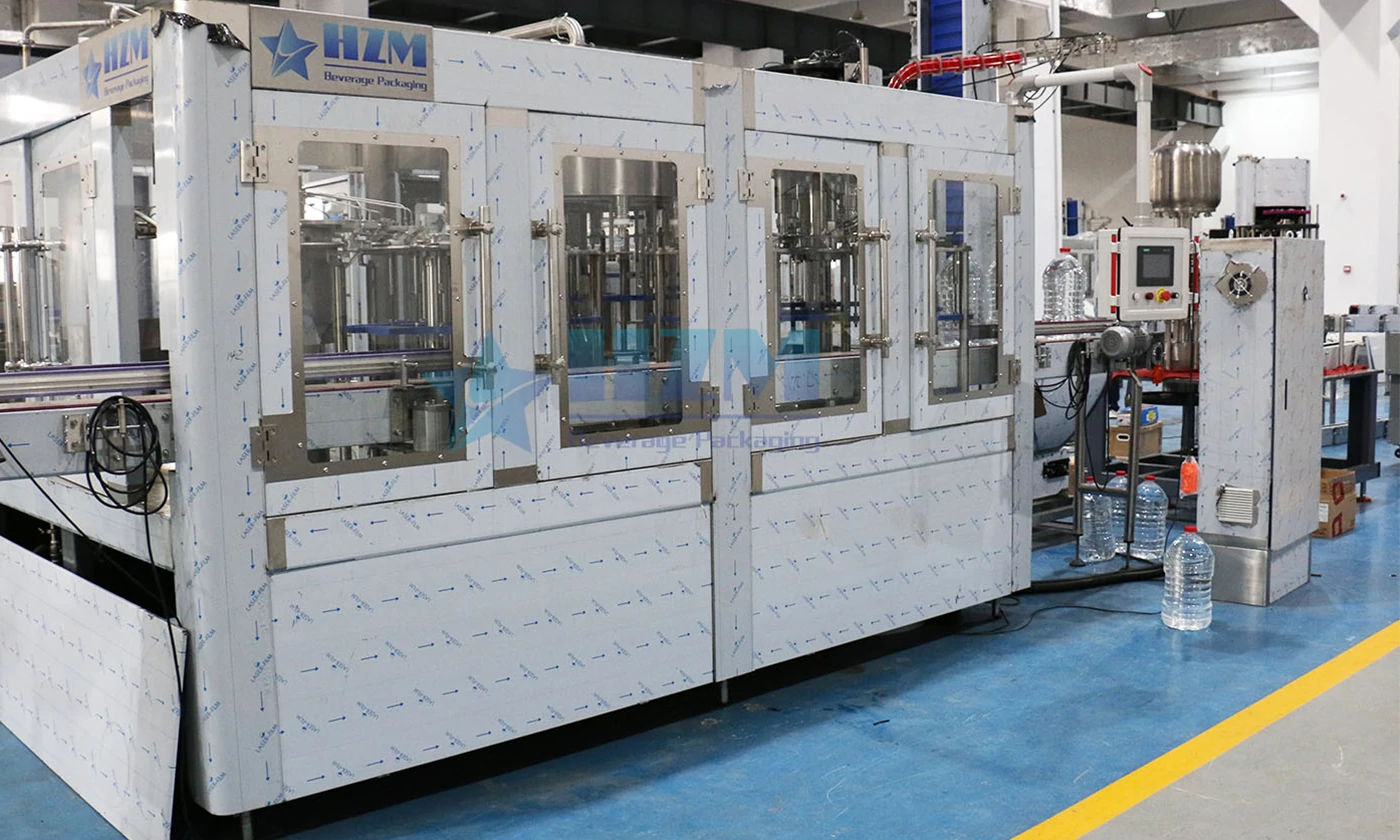
XGF12-12-4 rinsing, filling and capping for 5 L and 10 L water bottles, with stable outputs of 1,200 and 700 bottles/hour respectively.
Learn more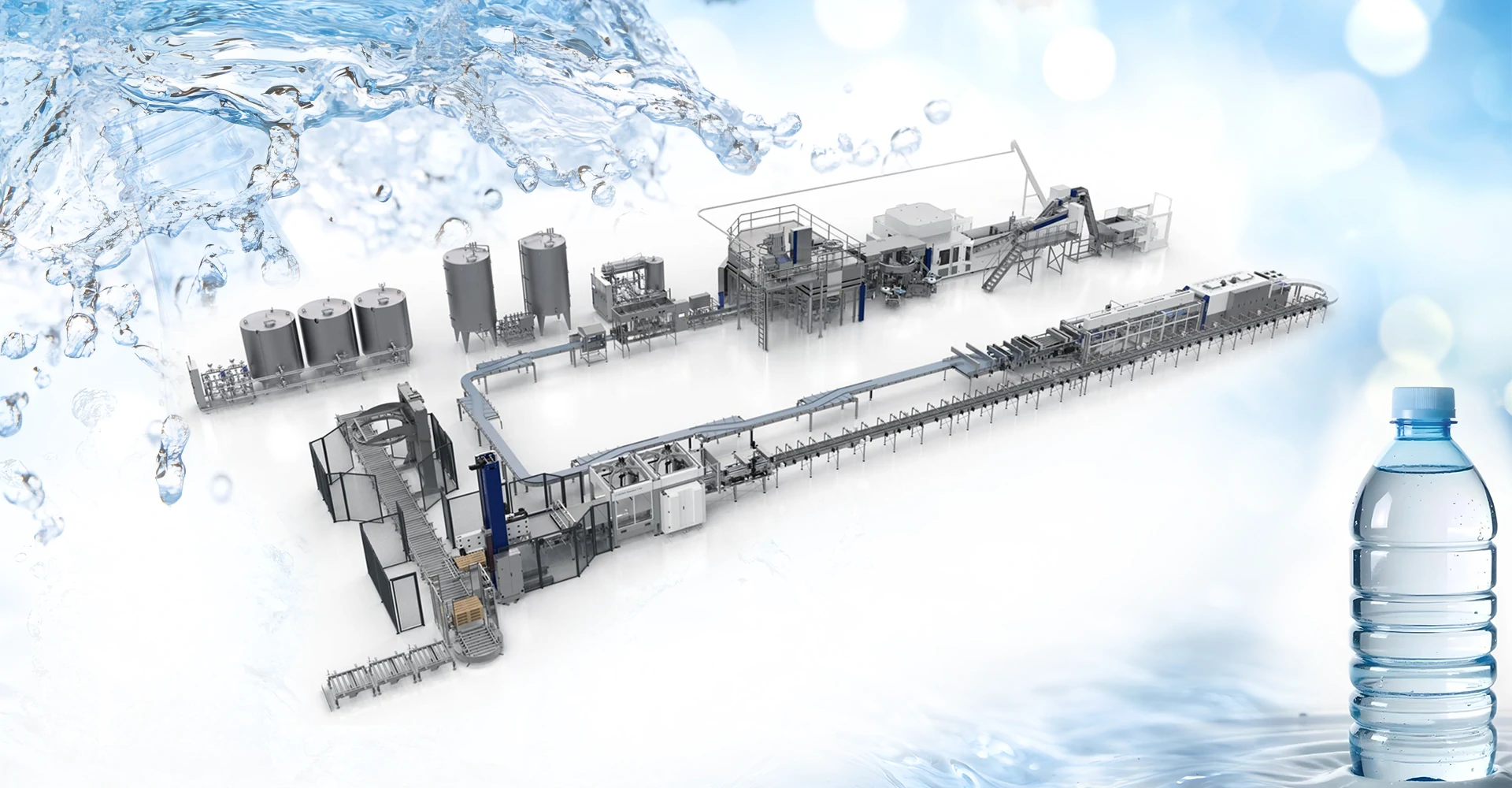
Equipment
Drinking water production line – Bottled Water Filling Machine Manufacturer
PET-bottled drinking-water production with automatic rinsing, filling and capping, plus water treatment and packaging equipment.
Learn more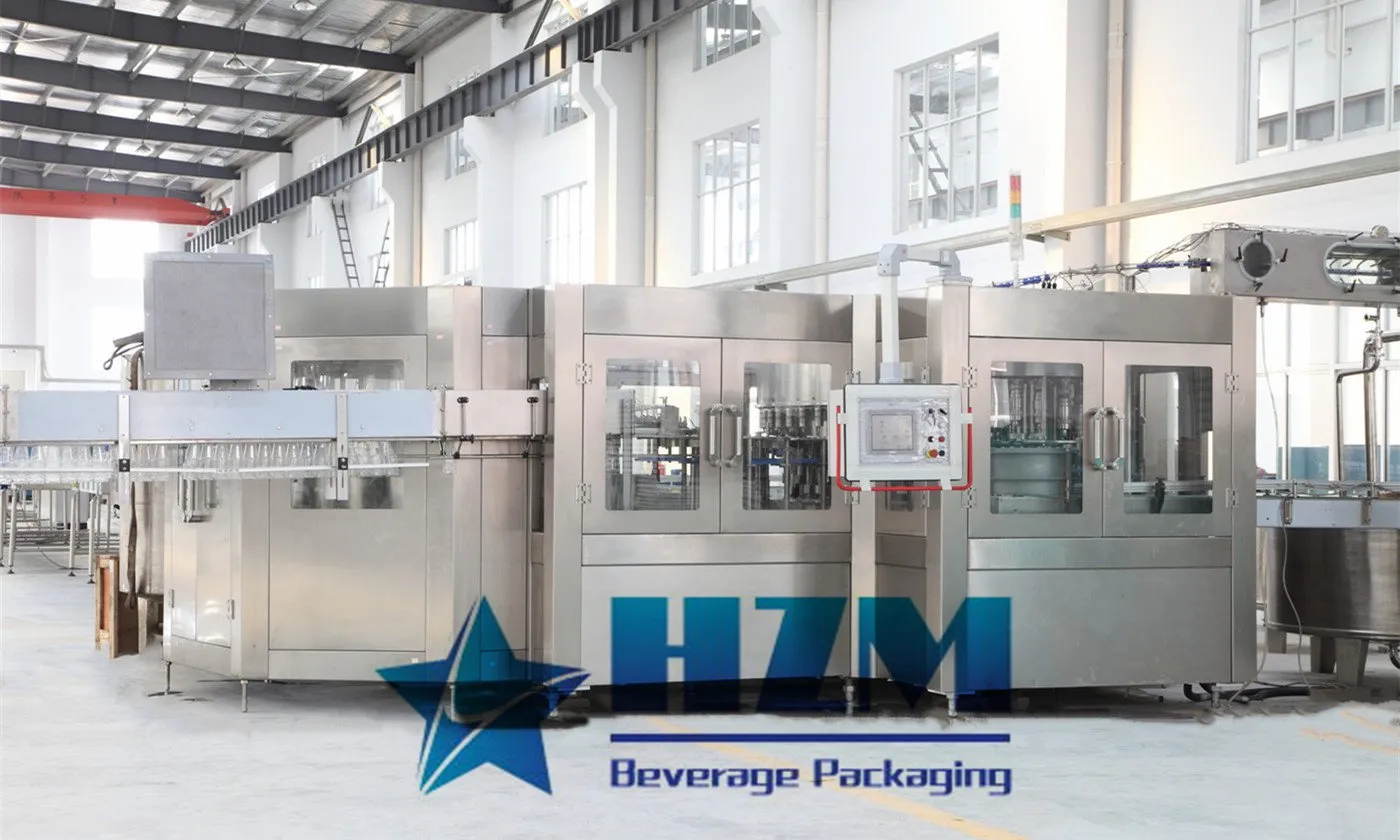
Equipment
PET Bottle Water Filling Machine
PET bottle water filling with automatic rinsing and capping, for purified water, mineral water and still drinking water.
Learn more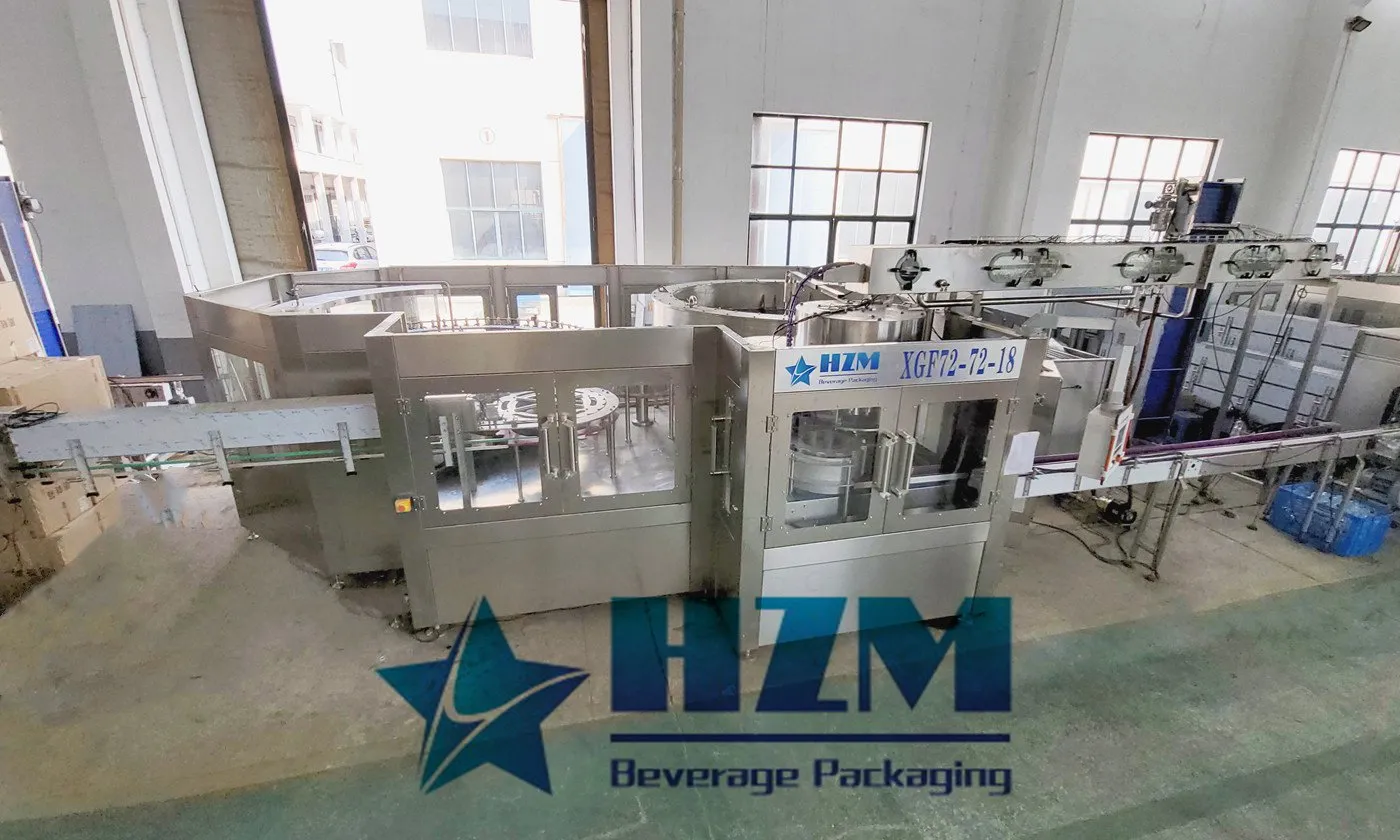
Equipment
Automatic Water Bottle Filling Machine
Automatic rinsing, filling and capping for purified and mineral water in PET bottles, with capacities of 5,000–42,000 bottles/hour at 500 ml.
Learn more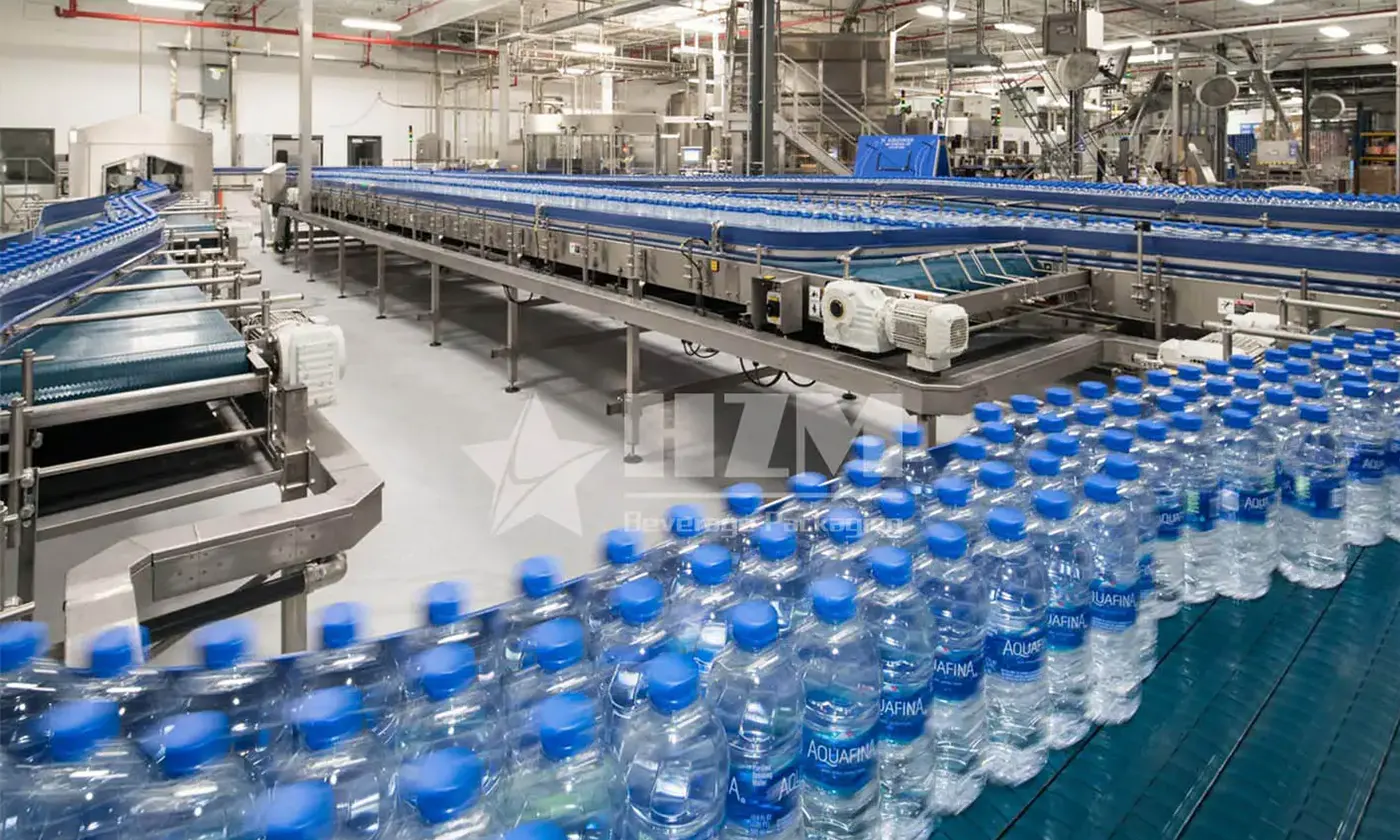
Equipment
Conveyor Belt For Bottle Water Production Line
This conveyor belt system moves bottles through a bottled-water production line, from empty-bottle feeding to filled-bottle labelling and packing.
Learn more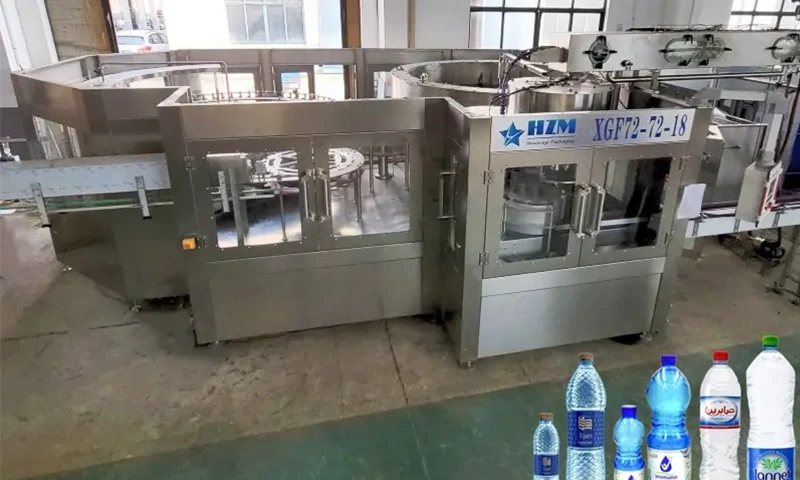
Equipment
3-In-1 Water Bottle Filling Machine
A 3-in-1 PET bottle rinsing, filling and capping machine for drinking water, from 5,000 to 18,000 bottles/hour at 500 ml.
Learn more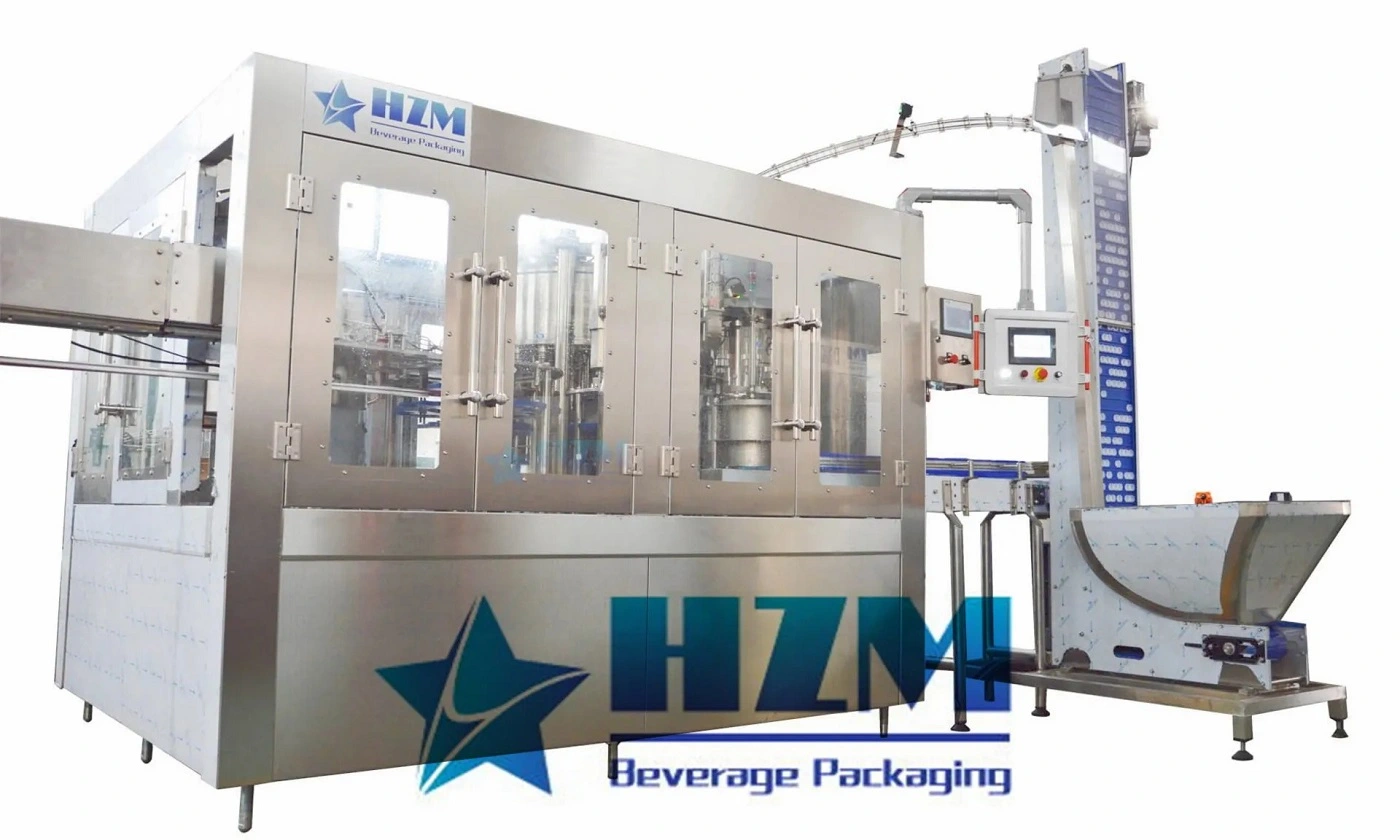
Equipment
Automatic Drinking Water Bottling Machine
Drinking-water bottling equipment with automatic rinsing, filling and capping, plus conveying, labelling and packing options.
Learn more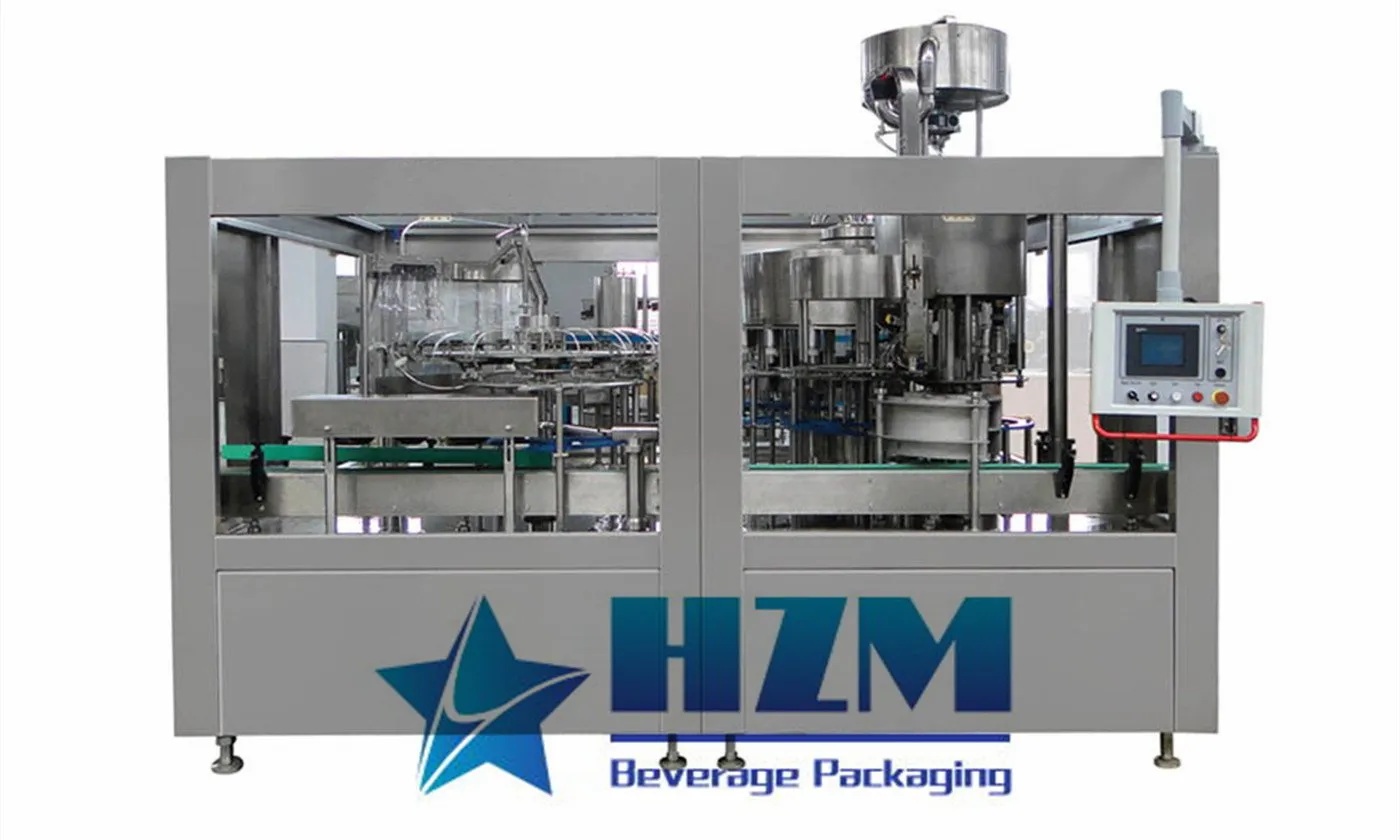
Equipment
3-10L Big PET Bottle Water Filling Machine
Large PET bottle water filling equipment for 3–10 L containers, combining rinsing, filling and capping.
Learn more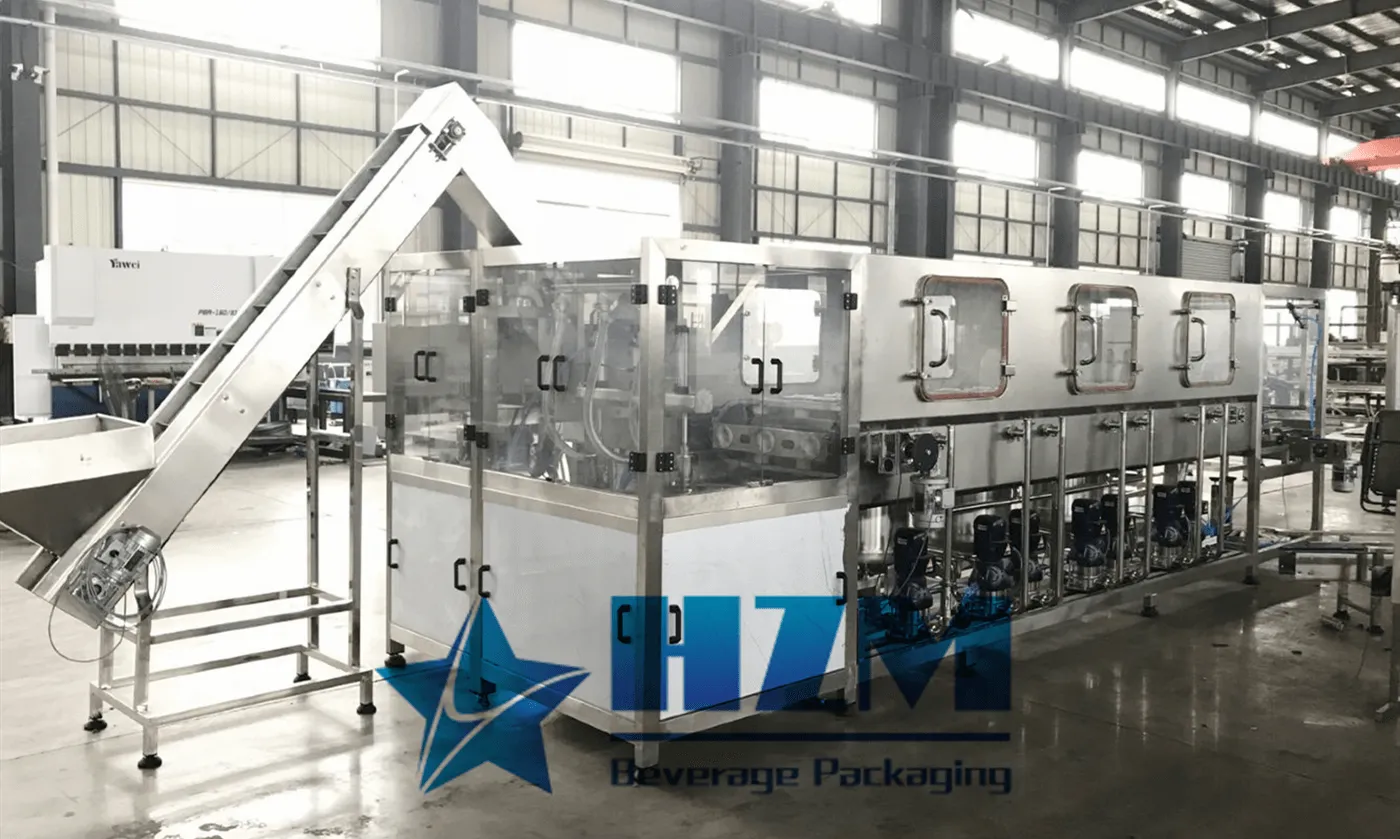
Equipment
3-5 Gallon Water Filling Line
Automatic washing, filling and capping for 3–5 gallon drinking-water jars, with QGF models from 120 to 900 jars/hour at 5 gallons.
Learn more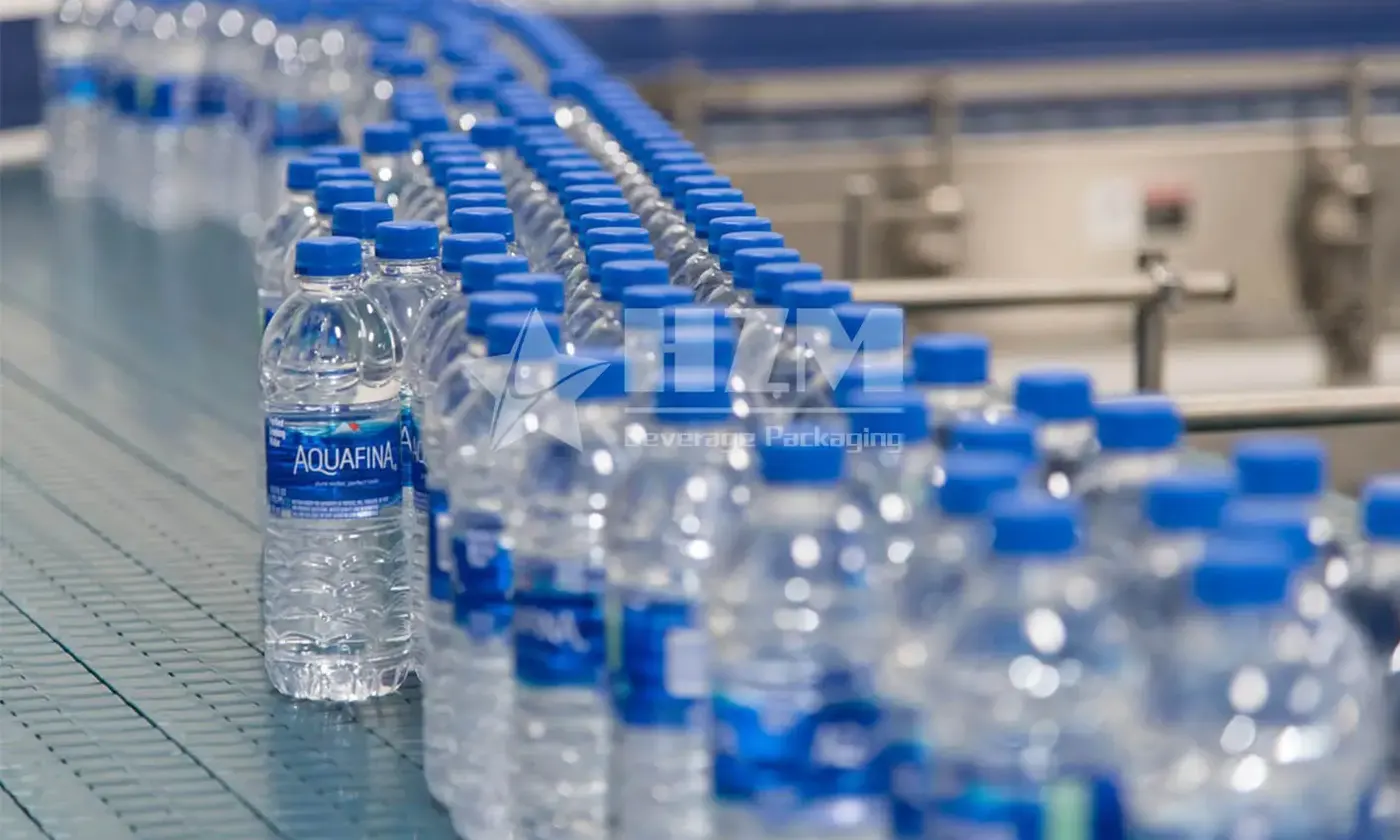
2023-12-17
How to Choose High-Quality Bottled Water and Beverage Production Equipment?
Prioritize equipment with strong technical performance, including considerations for product quality (appearance, taste, nutritional content adhering to national standards), production speed (hourly capacity, daily output), energy consumption (water, electricity, gas, raw materials, packaging costs, and labor), product diversity, and adaptability.
Learn more2023-12-15
How to Choose Bottled Water and Beverage Production Line Equipment
Choosing the right bottled water and beverage production equipment is a crucial factor in establishing a successful factory. Simultaneously, a detailed understanding of the production process, market dynamics, and strategic planning is essential for the success of any enterprise.
Learn more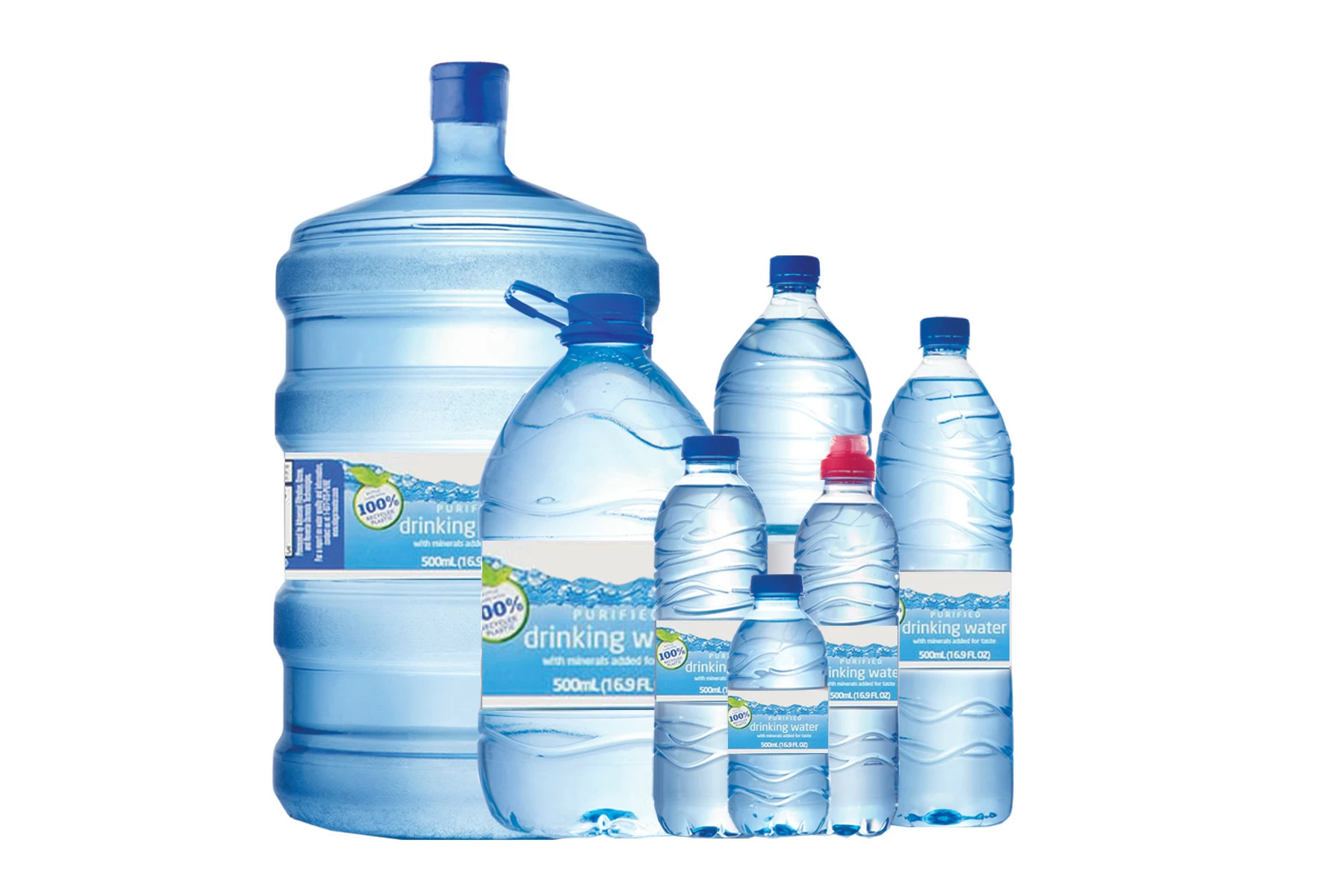
2023-11-21
Bottle Water Filling Machines and Production Line Equipment price
This article will delve into the price range of Bottle Water Filling Machines and the full set of production line equipment provided by HZM Machinery, providing you with a comprehensive understanding and reference.
Learn more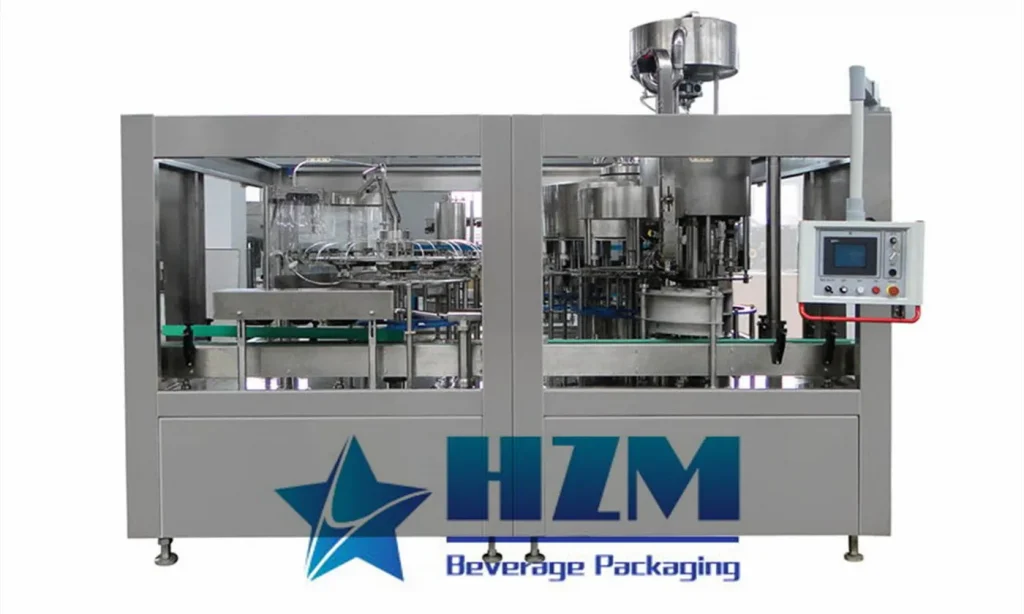
2023-06-27
What is the Working Principle of 3 in 1 Water Filling Machine?
Do you want to set up a unit where you will be manufacturing non-carbonated drinks and filling them into bottles? Now you must decide whether you want to get different machines with different functions like one for cleaning, filling and one for capping or you would like to get 3 in 1 water filling machine?
Learn more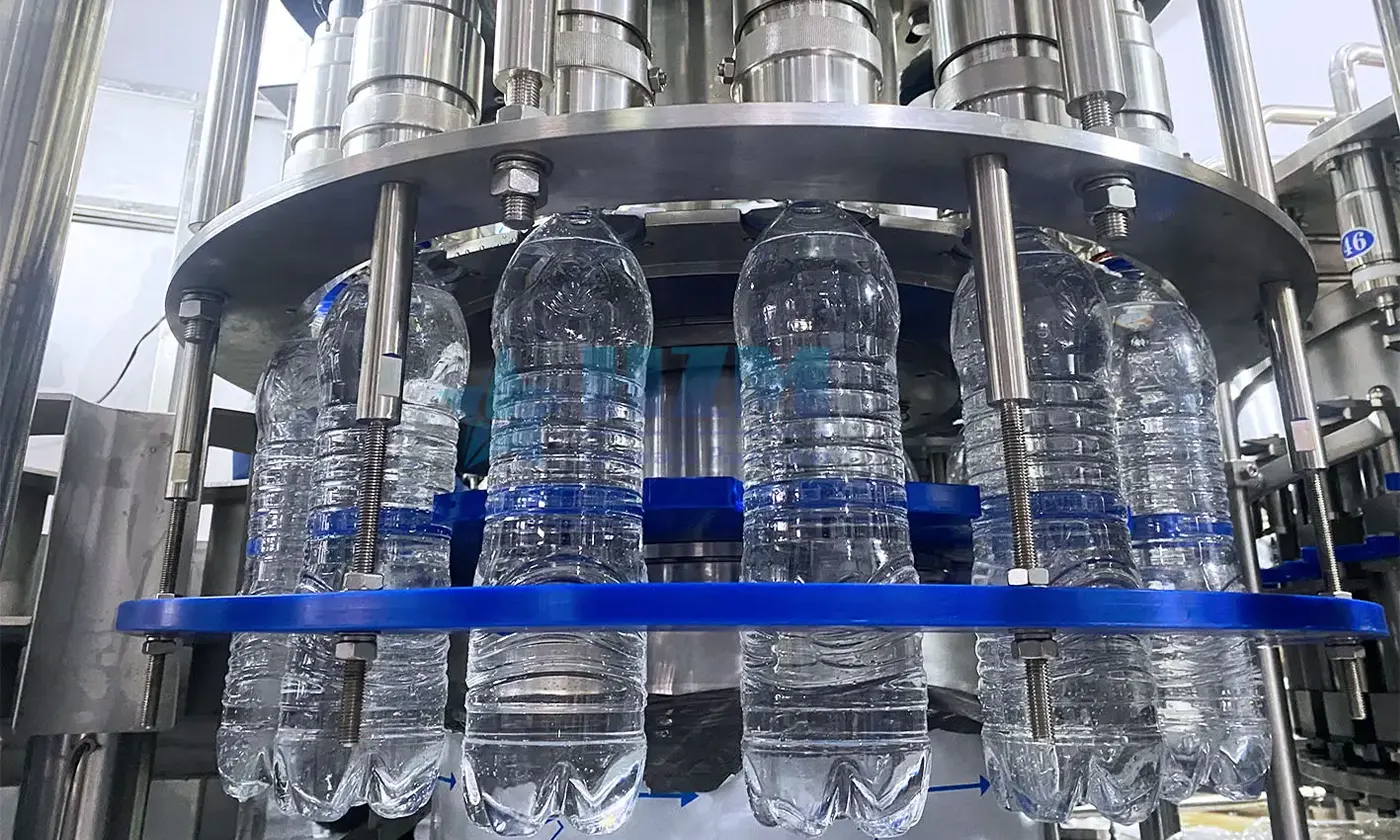
2023-12-24
Water Filling Machine for Sale
If you are interested in purchasing a water filling machine, please contact us today. We would be happy to discuss your needs and recommend the best machine for your application.
Learn more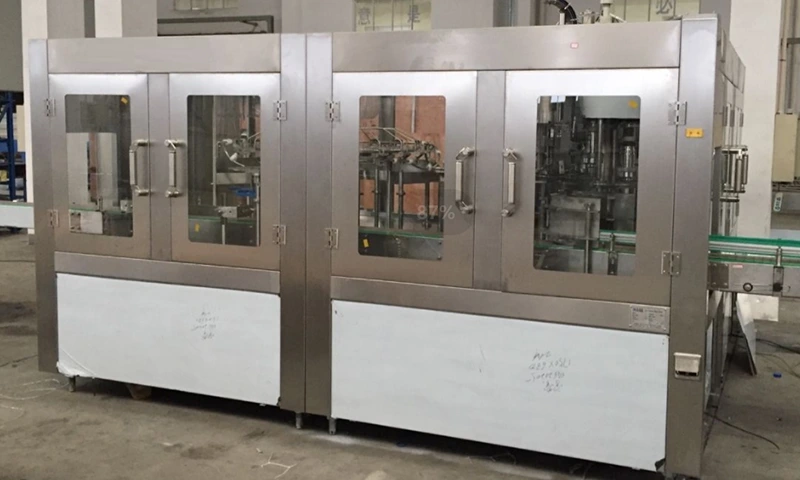
2026-03-20
How to Choose a 10L Water Filling Machine for Your Bottling Plant (1200BPH Solution)
Learn how to choose a 10L water filling machine for your bottling plant. Discover features, benefits, and complete 1200BPH water production solutions.
Learn more