
Insights & Updates
Practical Guide to Ensuring Electrical Safety in Filling Machines
Filling machines are common equipment in the light industry and are part of the packaging machinery industry. With different functions, these machines are widely used across various sectors of the light industry. Since the operation of filling machines relies on electricity, ensuring electrical safety is crucial for normal production and processing. Here are some precautions to ensure electrical safety in the daily operation of filling machines:
- Use the designated power supply specified for the filling machine.
- Always turn off the power before disassembling or cleaning the filling machine.
- The rear part of the filling machine contains electrical control components; avoid direct water flushing to prevent electrical hazards and damage to the control elements.
- Ensure proper grounding for the filling machine and use power sockets equipped with grounding wires to prevent electric shock.
- Even after turning off the power switch, some circuits in the filling machine may still carry voltage. When inspecting control circuits, always unplug the power cord.
- When not in use, promptly disconnect the power and air supply of the filling machine, perform equipment cleaning and lubrication to meet hygiene standards. Additionally, disassemble and clean relevant molds and store them safely.
- During filling operations, refrain from placing hands or other objects into the filling area to prevent potential hazards.
Electrical safety is fundamental knowledge for everyone. Given the frequent occurrence of safety incidents caused by improper electrical use, it’s essential to reinforce electrical safety measures in the daily operation of industrial equipment like filling machines.
Talk to our engineering team
Need help planning your packaging line?
Share your product, bottle and capacity requirements for a practical equipment recommendation.
Equipment
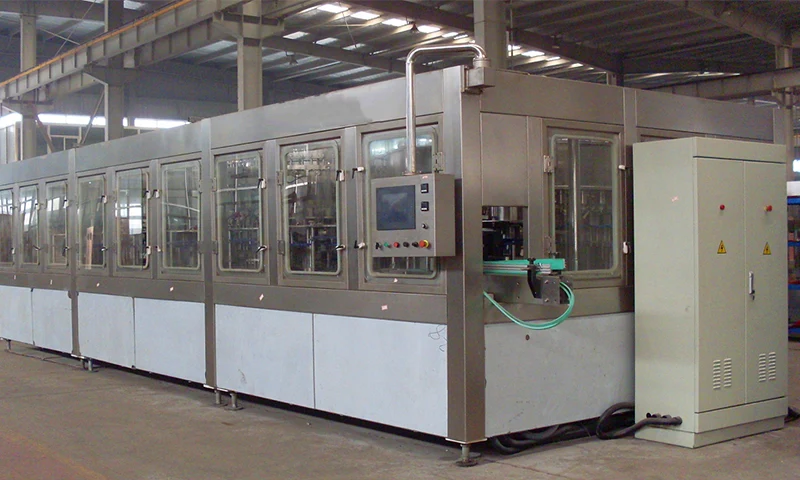
Mono-block Filling Machine 3 in 1
This Mono-block Filling Machine 3 in 1 is configured for mineral Water, Beverage, juice, beer; final scope follows the approved process, package and plant…
Learn more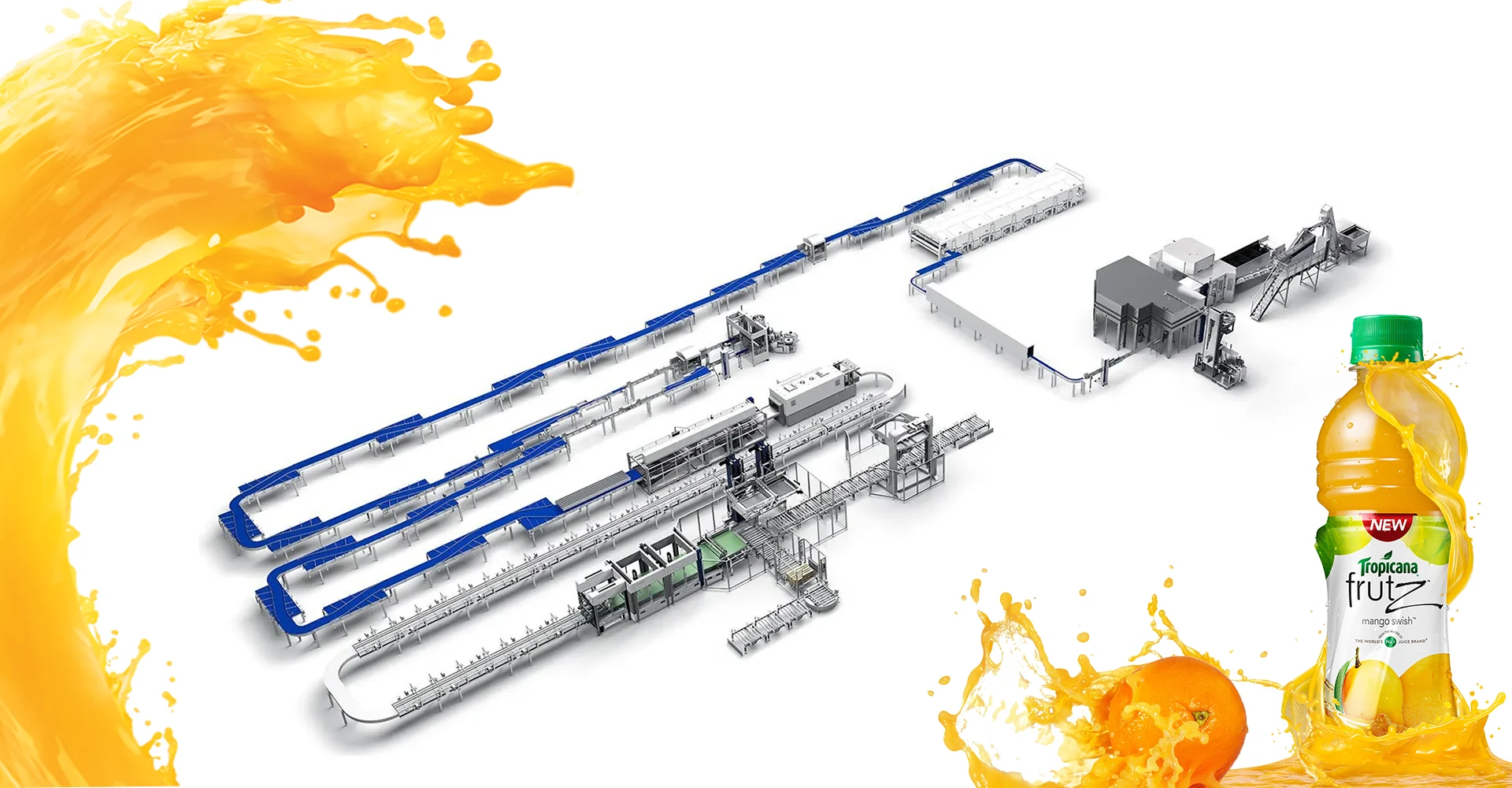
Equipment
Beverage Filling Machine & Turnkey Filling Line for Juice, Soft Drinks and Cans
This Beverage Filling Machine & Turnkey Filling Line for Juice is configured for juice, tea, carbonated soft drinks, energy drinks, water and beer at…
Learn more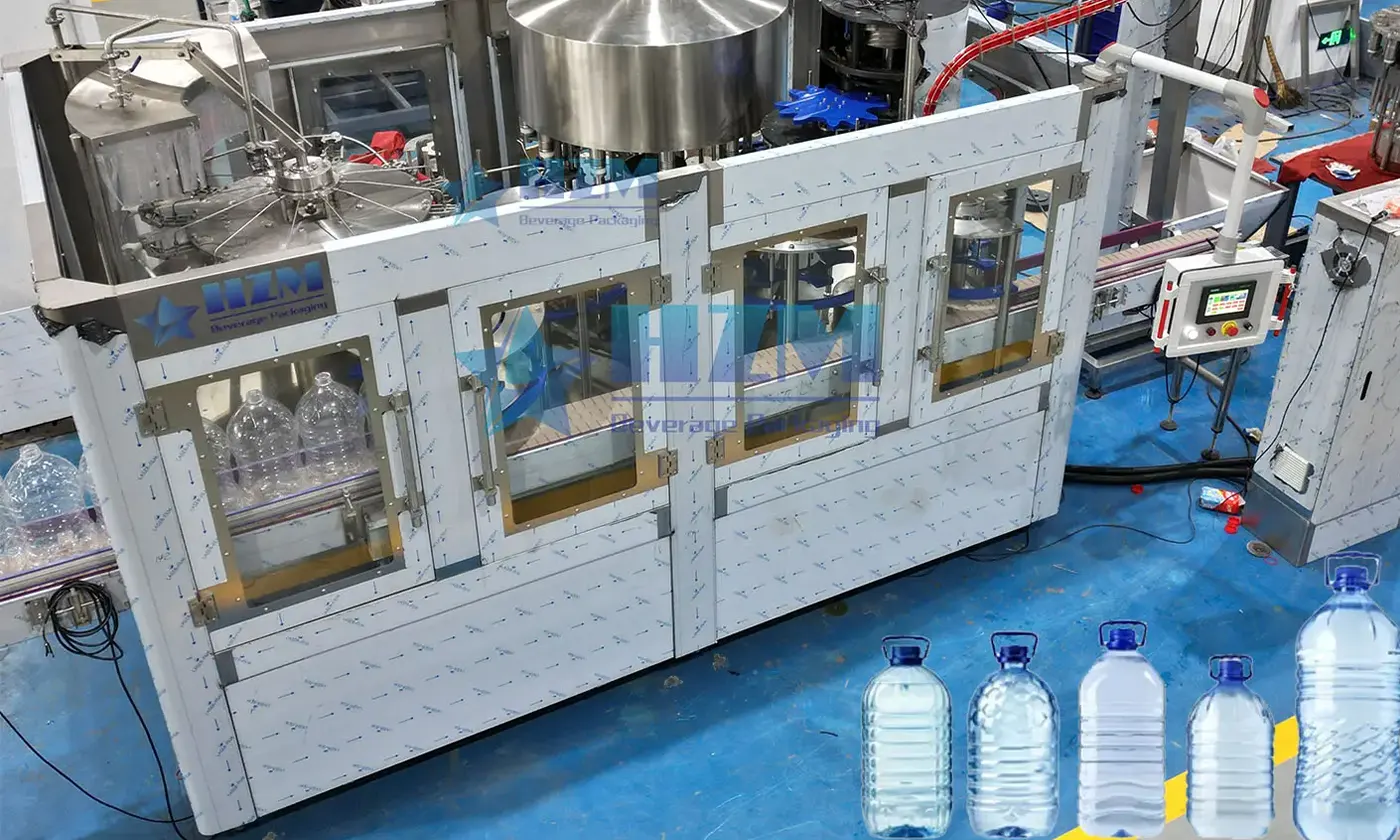
Equipment
Bottled Water Filling Machine & Turnkey Water Bottling Line
This Bottled Water Filling Machine & Turnkey Bottling Line is configured for purified water, mineral water and still drinking water at 5,000–42,000 bottles/hour; final…
Learn more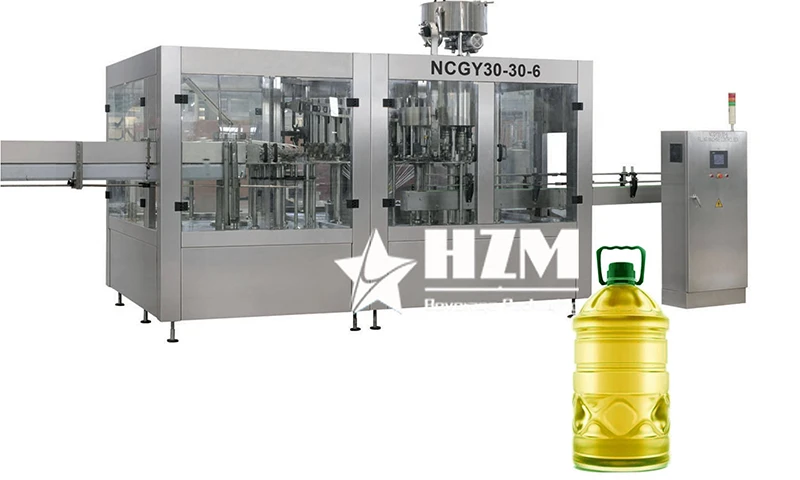
Equipment
2-in-1 Monoblock Edible Cooking Oil Filling and Capping Machine
This 2-in-1 Monoblock Edible Cooking Oil Filling and Capping is configured for edible oil or lubricant specified for the filling project at 960–2880 BPH;…
Learn more
2026-09-02
Custom Plastic and Hardware Components Used in Beverage Packaging Machinery
Learn how plastic injection molded parts and custom hardware components are selected, manufactured and inspected for beverage filling and packaging machinery.
Learn more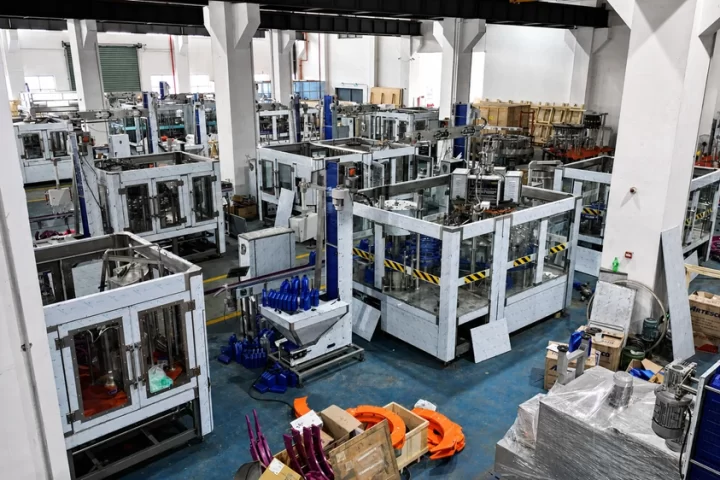
2026-09-02
How to Plan Safe Access for Beverage Production Line Installation and Maintenance
Practical guidance on planning operating platforms, walkways and temporary access for beverage production line installation, inspection, cleaning and maintenance.
Learn more2026-09-02
Why Do Filling Valves Drip After the Bottle Leaves?
Dripping usually comes from contamination on the valve seat, worn or swollen seals, trapped pressure, incorrect closing timing or product viscosity outside the setup window. Identify whether the leak follows one valve or the entire filler. Follow this practical fault-isolation, repair and prevention guide for bottling-line operators and maintenance teams.
Learn more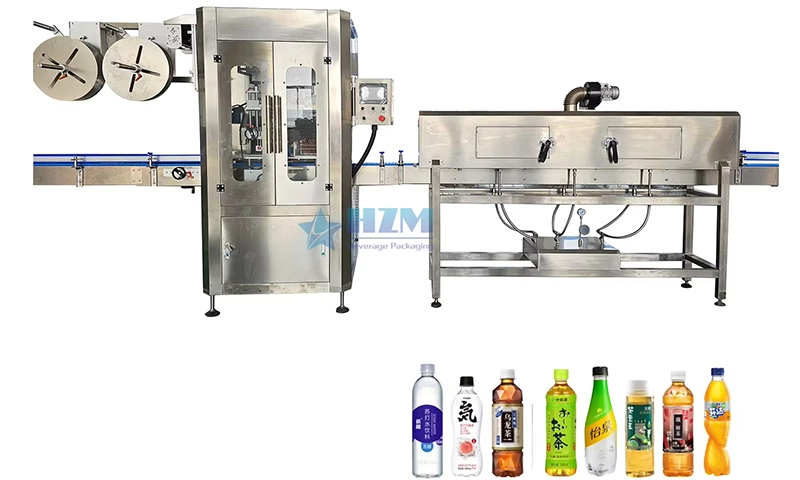
2026-08-28
Sleeve Labels Wrinkle After the Shrink Tunnel
Determine whether the sleeve was straight before entering the tunnel. Then check film shrink curve, tunnel-zone temperature, airflow or steam distribution, bottle moisture, conveyor speed and container geometry. Follow this practical fault-isolation, repair and prevention guide for bottling-line operators and maintenance teams.
Learn more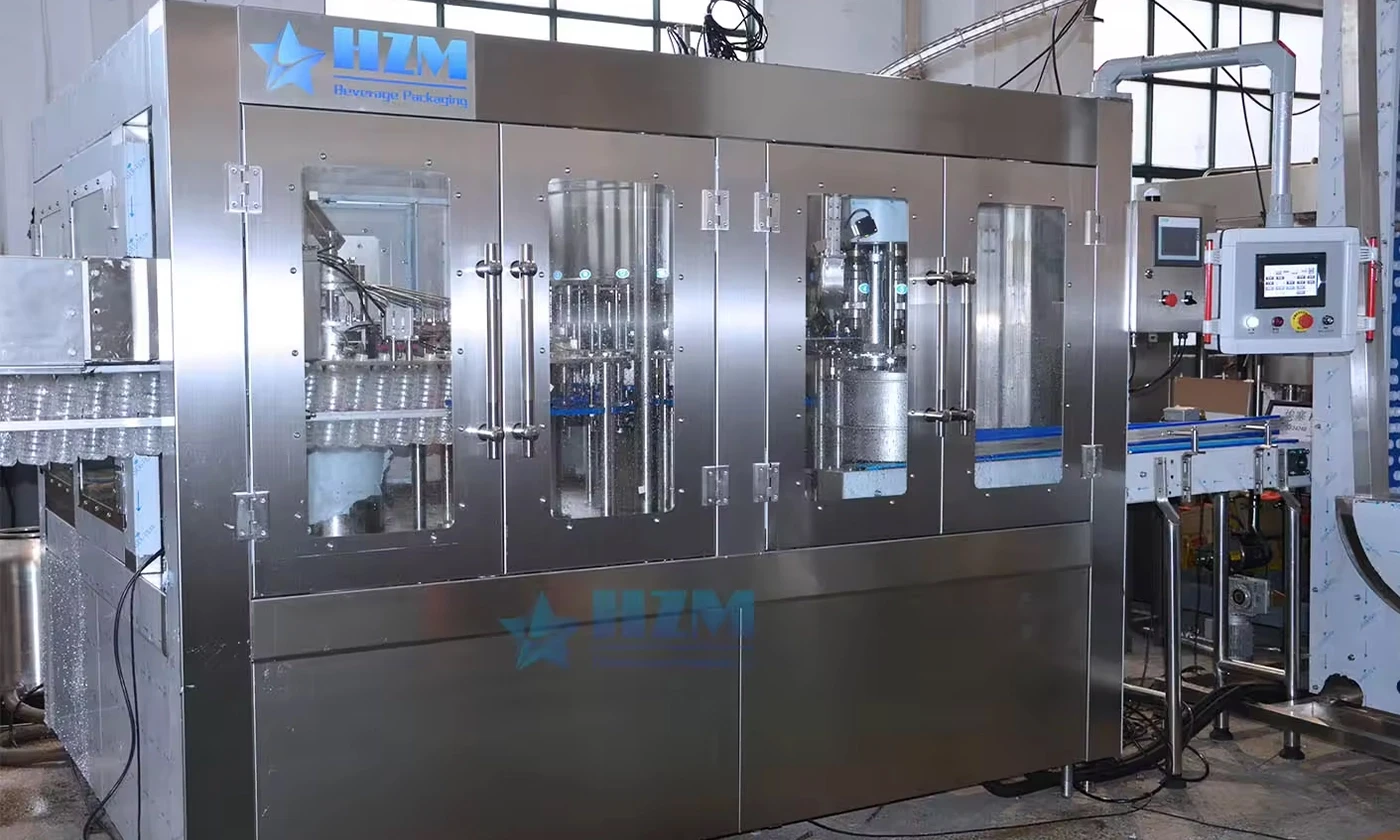
2026-08-23
Bottle Rinser Has Low Spray Pressure: Causes and Repair Steps
Check whether the loss affects the entire rinser or only several nozzles. System-wide loss points to supply, pump, filter or valve problems; a local pattern points to blocked nozzles, damaged tubing or a misaligned bottle. Follow this practical fault-isolation, repair and prevention guide for bottling-line operators and maintenance teams.
Learn more
2026-08-20
Bottle Conveyor Jams at the Same Location Every Shift
Mark the first contact point and inspect guide transitions, chain condition, dead plates, speed change, bottle dimensions, lubrication and upstream accumulation. The pile-up often occurs downstream of the actual interference. Follow this practical fault-isolation, repair and prevention guide for bottling-line operators and maintenance teams.
Learn more