
Blog

Provides production line solutions for bottled water, beverages, beer and edible oils, including water treatment systems, bottle blowing machines, filling machines, packaging machines, labeling machines and other necessary equipment.

Label Position Drifts as Machine Speed Changes

Check the speed reference chain: encoder, bottle pitch, product sensor, registration sensor, web drive and application delay. Mechanical slip or filtering can create a position error that grows with speed. Follow this practical fault-isolation, repair and prevention guide for bottling-line operators and maintenance teams.

Learn more
Cross-Threaded and Tilted Caps: Capper Troubleshooting Guide

A tilted cap usually begins before torque is applied. Check cap orientation and transfer, chute alignment, bottle centering, head-to-neck concentricity and the speed match between capper and bottle handling. Follow this practical fault-isolation, repair and prevention guide for bottling-line operators and maintenance teams.

Learn more
Pneumatic Cylinders Move Slowly or Erratically on Filling Machines

Check point-of-use pressure during motion, air quality, flow controls, exhaust silencers, solenoid response, tubing leaks, cylinder seals and mechanical binding. Static pressure alone does not prove adequate flow. Follow this practical fault-isolation, repair and prevention guide for bottling-line operators and maintenance teams.

Learn more
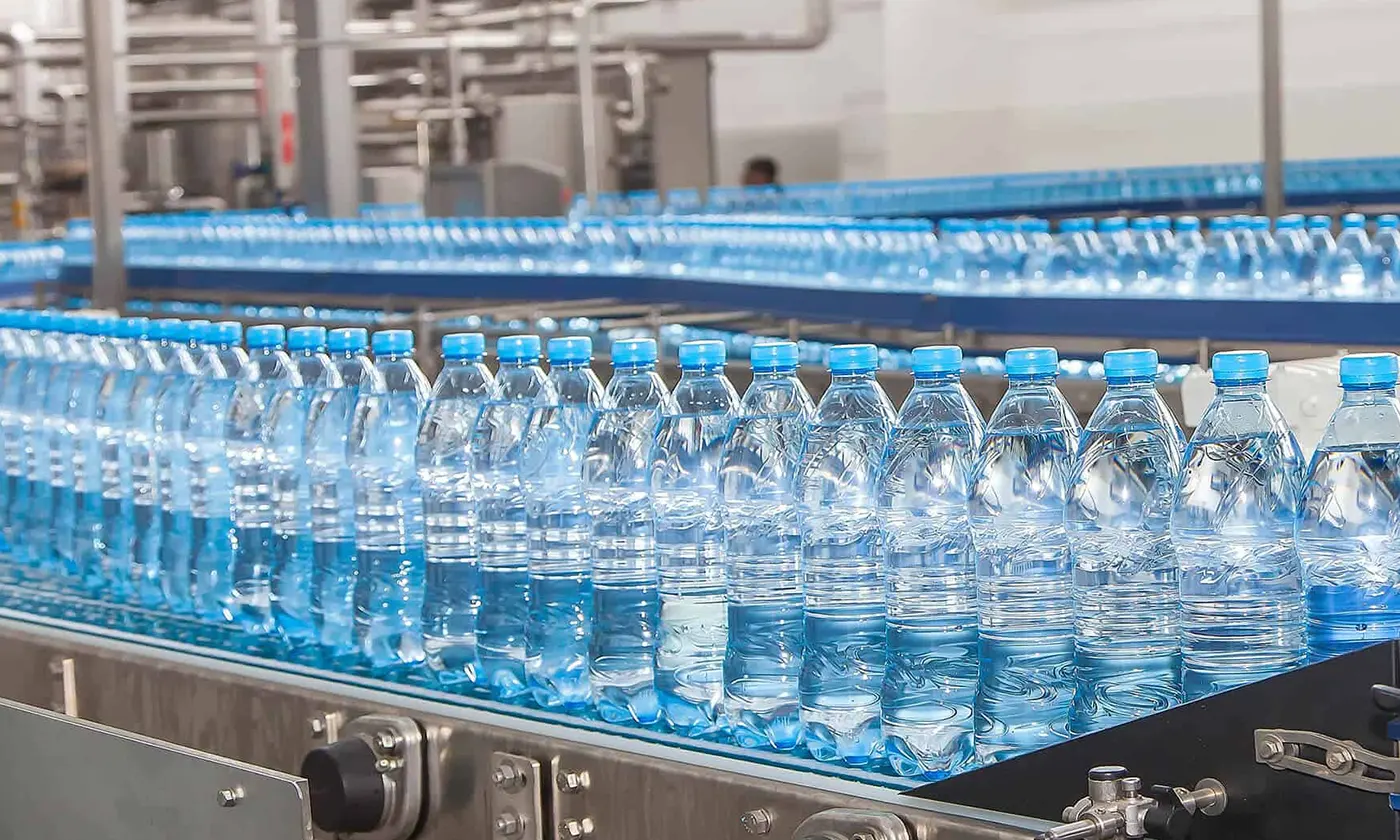
Plate Heat Exchanger Pressure Drop Is Rising

Trend pressure drop at comparable flow and viscosity, then distinguish product fouling, mineral scale, blocked ports, gasket intrusion and flow imbalance. Confirm loss of thermal performance before opening the plate pack. Follow this practical fault-isolation, repair and prevention guide for bottling-line operators and maintenance teams.

Learn more
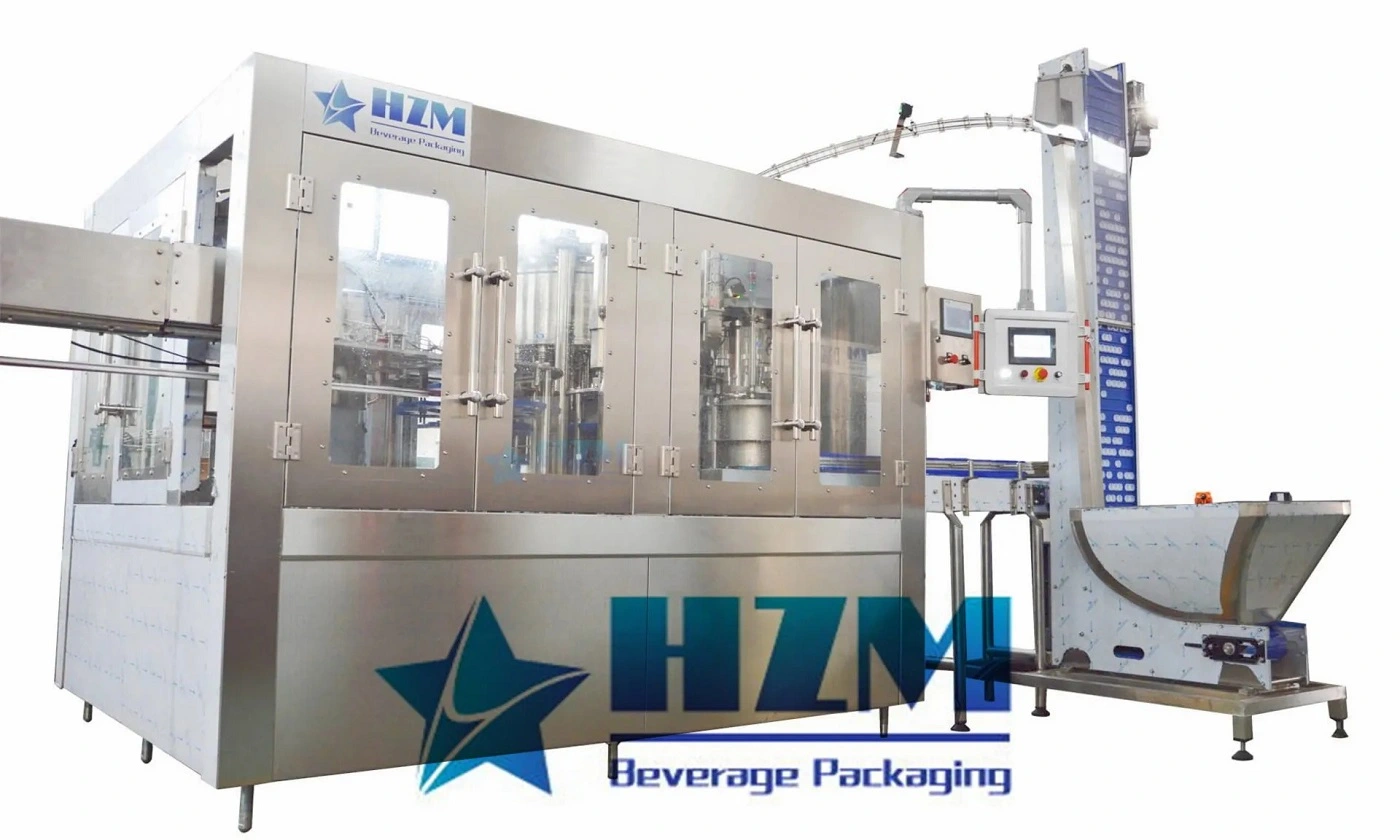
Bottle Air Conveyor Scuffs Necks or Jams Lightweight Bottles

Check neck-guide spacing and cleanliness, air pressure distribution, rail alignment, bottle-neck finish, transfer timing and blower condition. Excess air can destabilize bottles just as easily as insufficient air. Follow this practical fault-isolation, repair and prevention guide for bottling-line operators and maintenance teams.

Learn more
Automatic Carton Packer Keeps Jamming

Find the first carton or product that loses control. Check blank quality, magazine setup, vacuum pickup, erection timing, product grouping, guide clearances, adhesive or tape and compression timing. Follow this practical fault-isolation, repair and prevention guide for bottling-line operators and maintenance teams.

Learn more
BOPP Hot-Melt Labeler Has Glue Stringing or Label Lift

Verify the approved adhesive and actual application temperature, then check contamination, viscosity, glue-roll condition, pickup and overlap pattern, label tension and bottle surface. Follow this practical fault-isolation, repair and prevention guide for bottling-line operators and maintenance teams.

Learn more
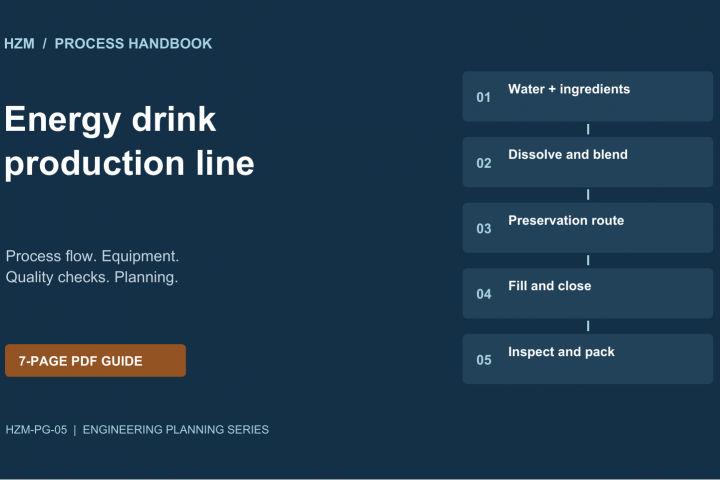
PET Bottle Base Is Deformed or Rocks on the Conveyor

Separate blow-process base defects from post-blow heat or handling damage. Check base heating, stretch-rod endpoint, mould-base position, cooling-water flow, ejection temperature and downstream guide pressure. Follow this practical fault-isolation, repair and prevention guide for bottling-line operators and maintenance teams.

Learn more
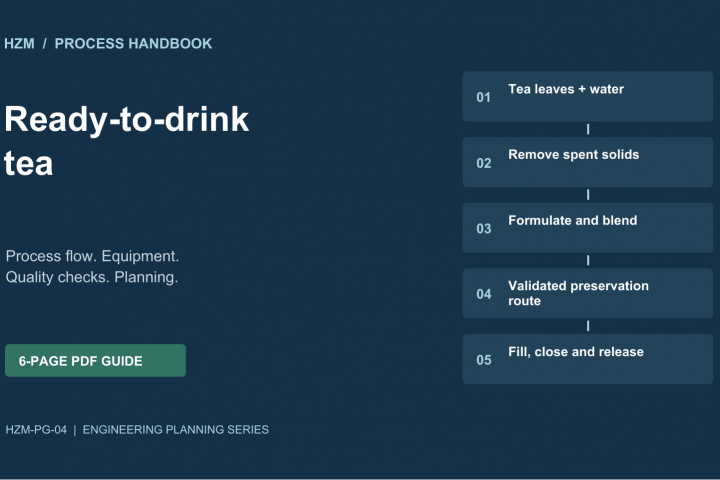
Juice Filler Splashing and Foaming: How to Stabilize the Fill

Stabilize product temperature, dissolved air, tank level and nozzle position, then verify the fast/slow fill profile. Splashing often begins when the stream hits the bottle shoulder or when entrained air reaches the valve. Follow this practical fault-isolation, repair and prevention guide for bottling-line operators and maintenance teams.

Learn more
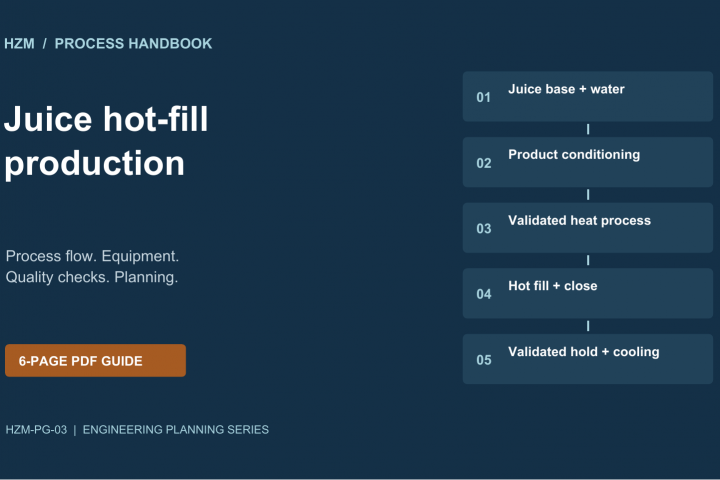
RO Membrane Scaling: How to Confirm It Before Cleaning

Do not identify scale from low flow alone. Use feed analysis, recovery, pH, concentrate chemistry, stage location and deposit analysis to distinguish carbonate, sulfate, silica or other scale before choosing a cleaner. Follow this practical fault-isolation, repair and prevention guide for bottling-line operators and maintenance teams.

Learn more
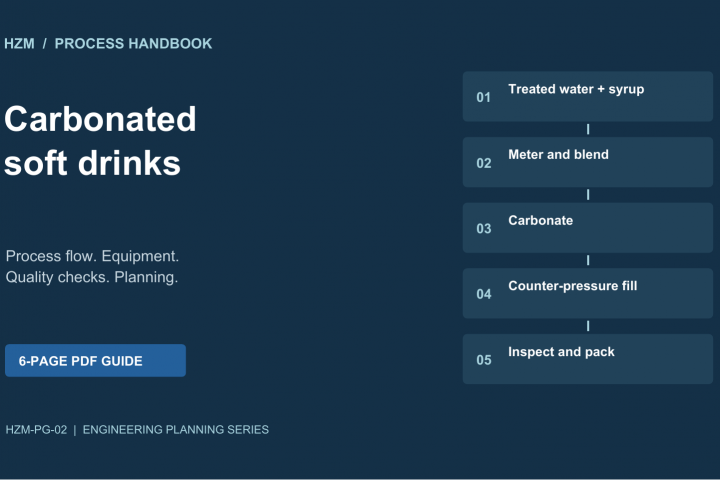
Microbial Counts Rise in a Bottled-Water Production Line

Place product on hold and map samples from treatment through storage, filler, caps and package. Review sanitation coverage, stagnation, tank vents, carbon media, ozone or UV control, filler hygiene and environmental practices. Follow this practical fault-isolation, repair and prevention guide for bottling-line operators and maintenance teams.

Learn more
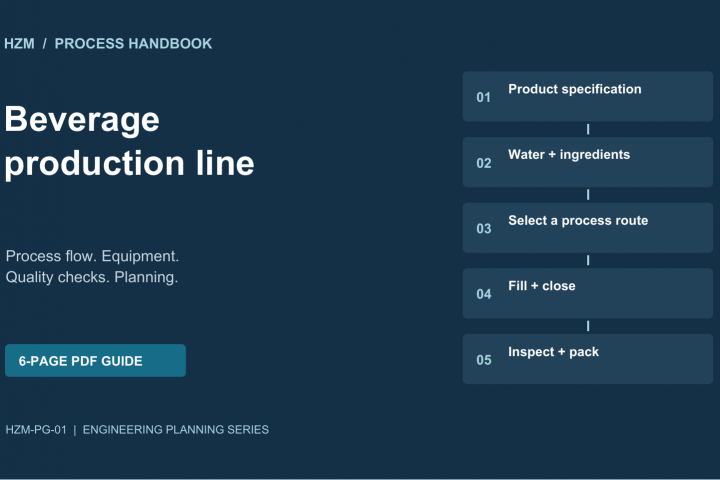
Loose Bottle Caps After Filling: How to Diagnose a Capper

Confirm the cap and neck finish first, then separate a single capping-head problem from a cap-feed or recipe problem. Inspect chuck wear, head height, clutch or magnetic torque setting, bottle control and cap presentation. Follow this practical fault-isolation, repair and prevention guide for bottling-line operators and maintenance teams.

Learn more
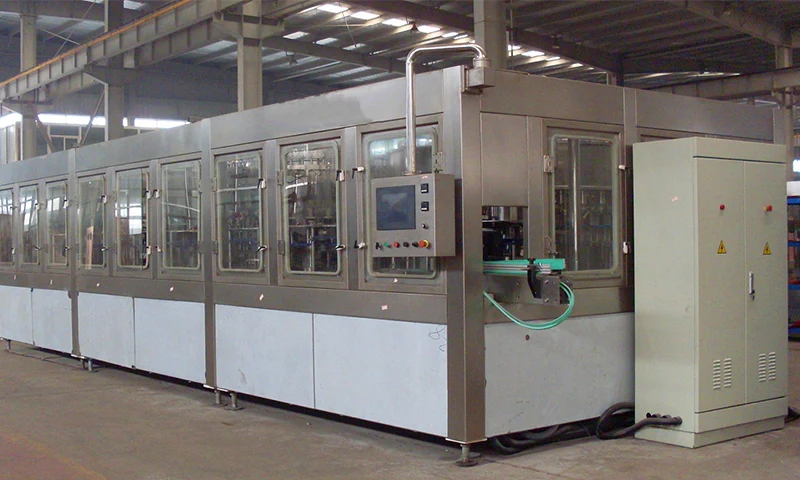
Conveyor VFD Trips on Overcurrent: Electrical or Mechanical?

Record the exact fault and operating state before reset. With qualified electrical personnel, separate mechanical binding and acceleration load from motor, cable, parameter, supply and drive faults. Follow this practical fault-isolation, repair and prevention guide for bottling-line operators and maintenance teams.

Learn more
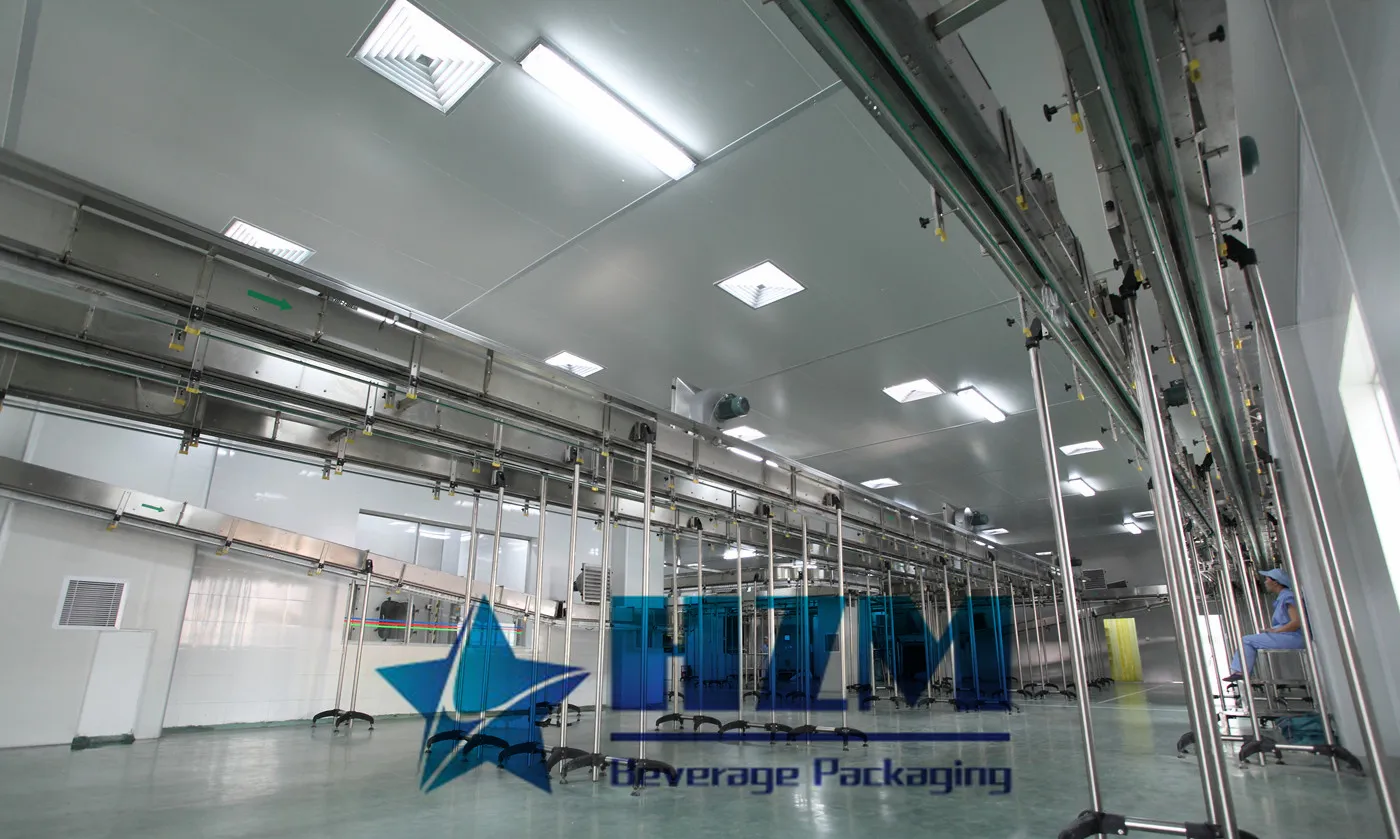
CIP Temperature Will Not Reach or Hold the Setpoint

Check temperature measurement and circulation first, then verify heating-utility pressure, control valve, steam trap, heat exchanger, condensate removal, tank losses and route flow. Follow this practical fault-isolation, repair and prevention guide for bottling-line operators and maintenance teams.

Learn more
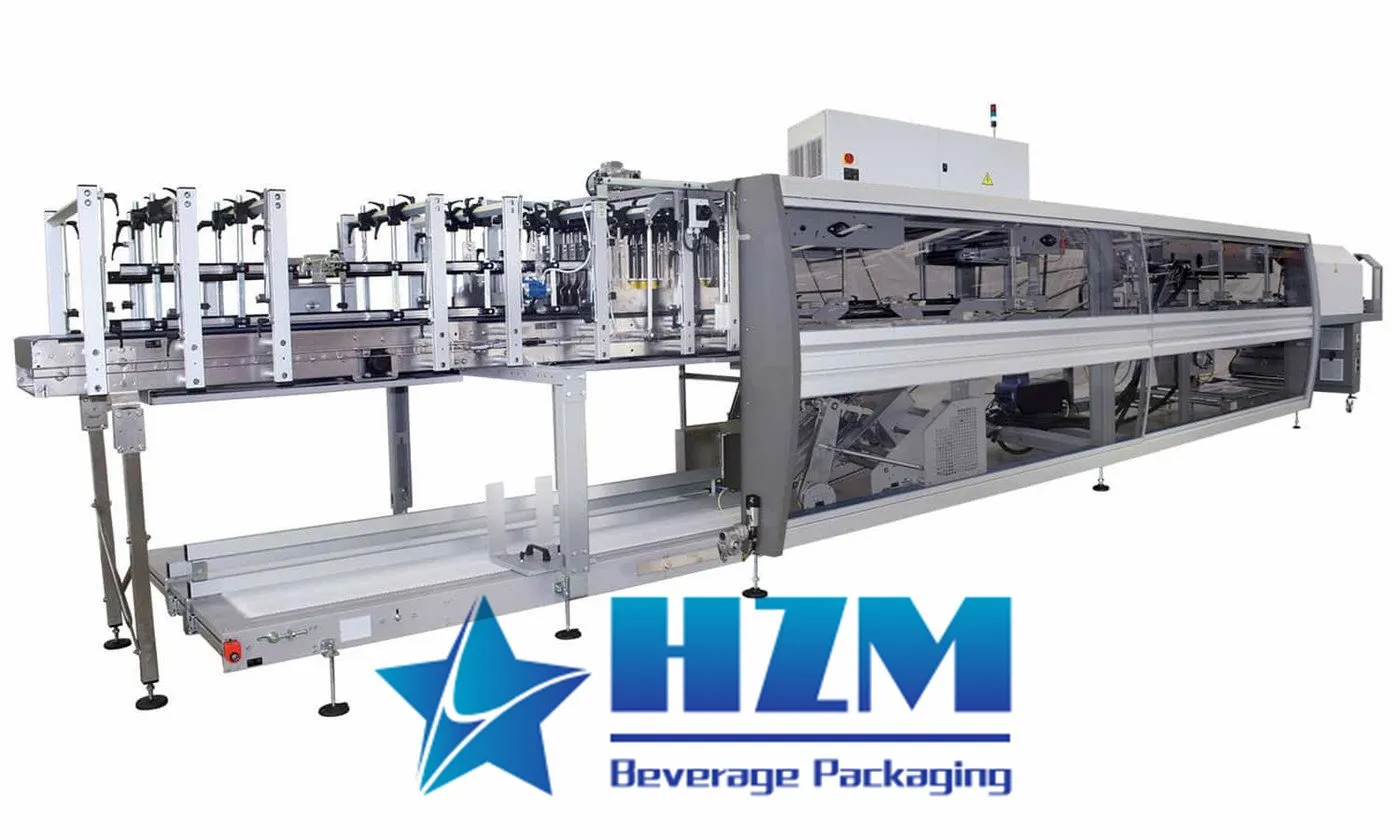
Conveyor Chain Is Noisy, Surging or Wearing Too Fast

Inspect lubrication, chain tension and elongation, sprocket alignment, return path, wear strips, contamination and load. Do not tighten a worn chain until the root cause is known. Follow this practical fault-isolation, repair and prevention guide for bottling-line operators and maintenance teams.

Learn more
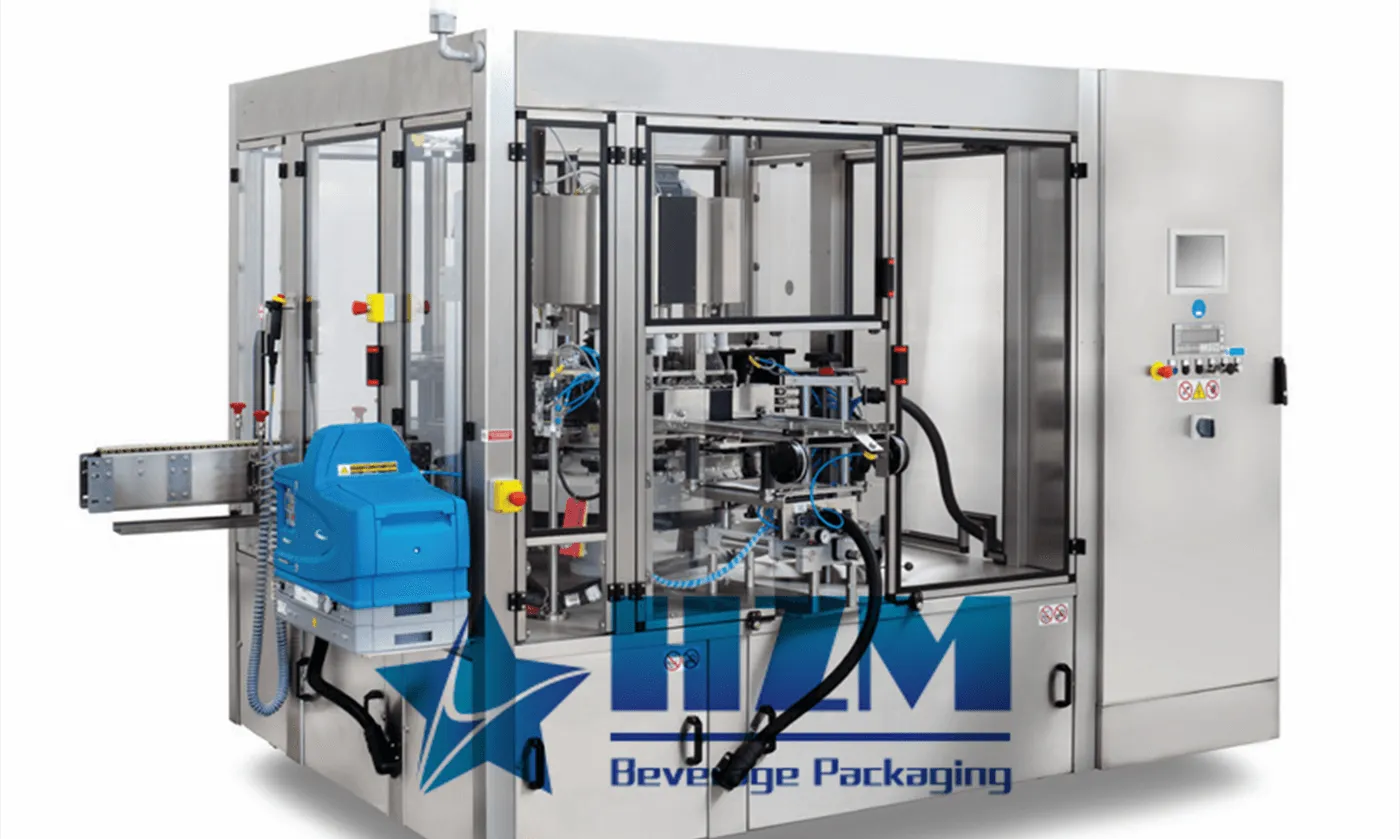
Shrink Film Wrinkles, Folds or Tracks Sideways

Trace the film path from roll to sealing point. Check roll centering, brake tension, dancer travel, roller parallelism, static, damaged edges and unequal pack presentation. Follow this practical fault-isolation, repair and prevention guide for bottling-line operators and maintenance teams.

Learn more
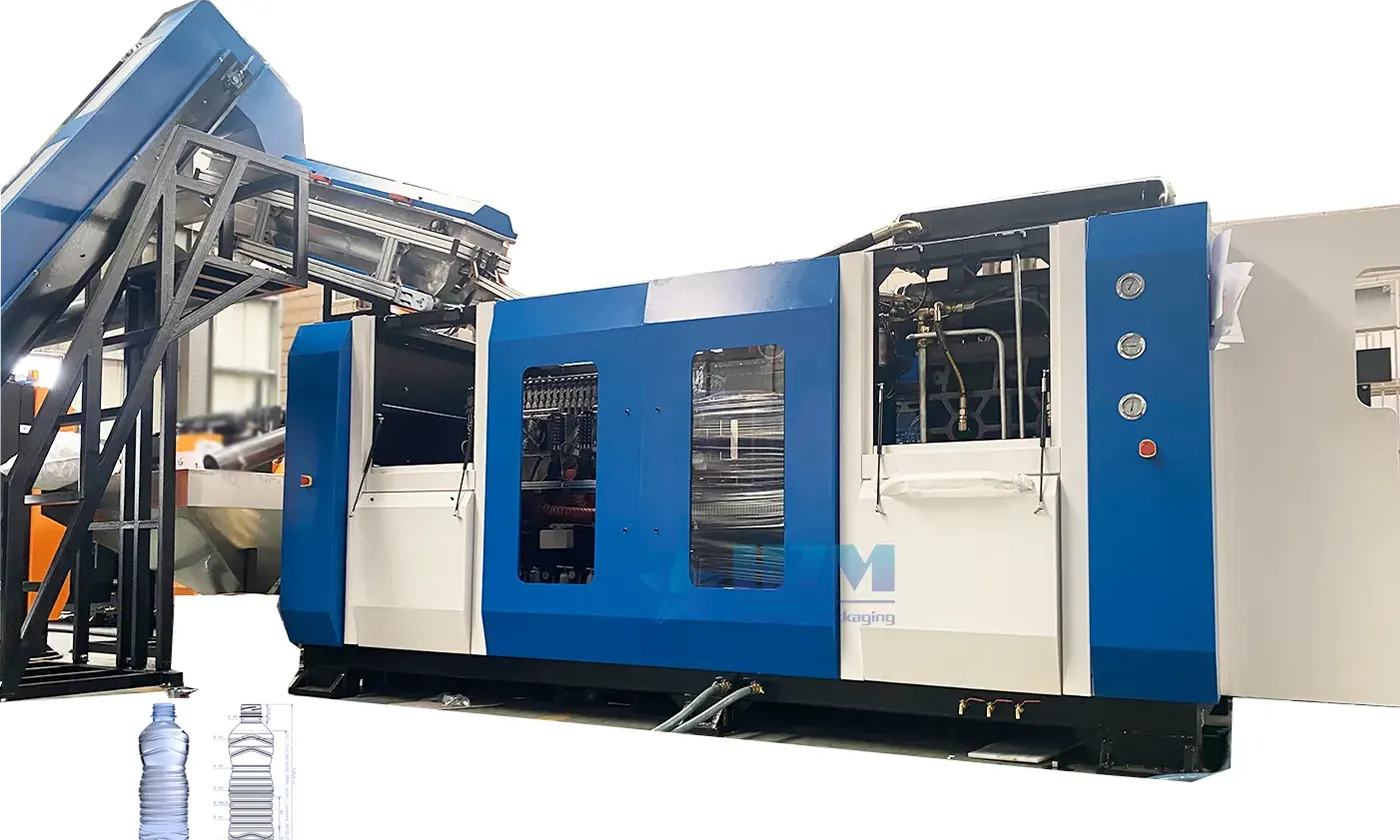
Self-Adhesive Labels Bubble, Lift or Fall Off Bottles

Check the bottle surface and label material before increasing wipe pressure. Condensation, oil, dust, low surface energy, label age, web tension, peel-plate geometry and application temperature all affect adhesion. Follow this practical fault-isolation, repair and prevention guide for bottling-line operators and maintenance teams.

Learn more
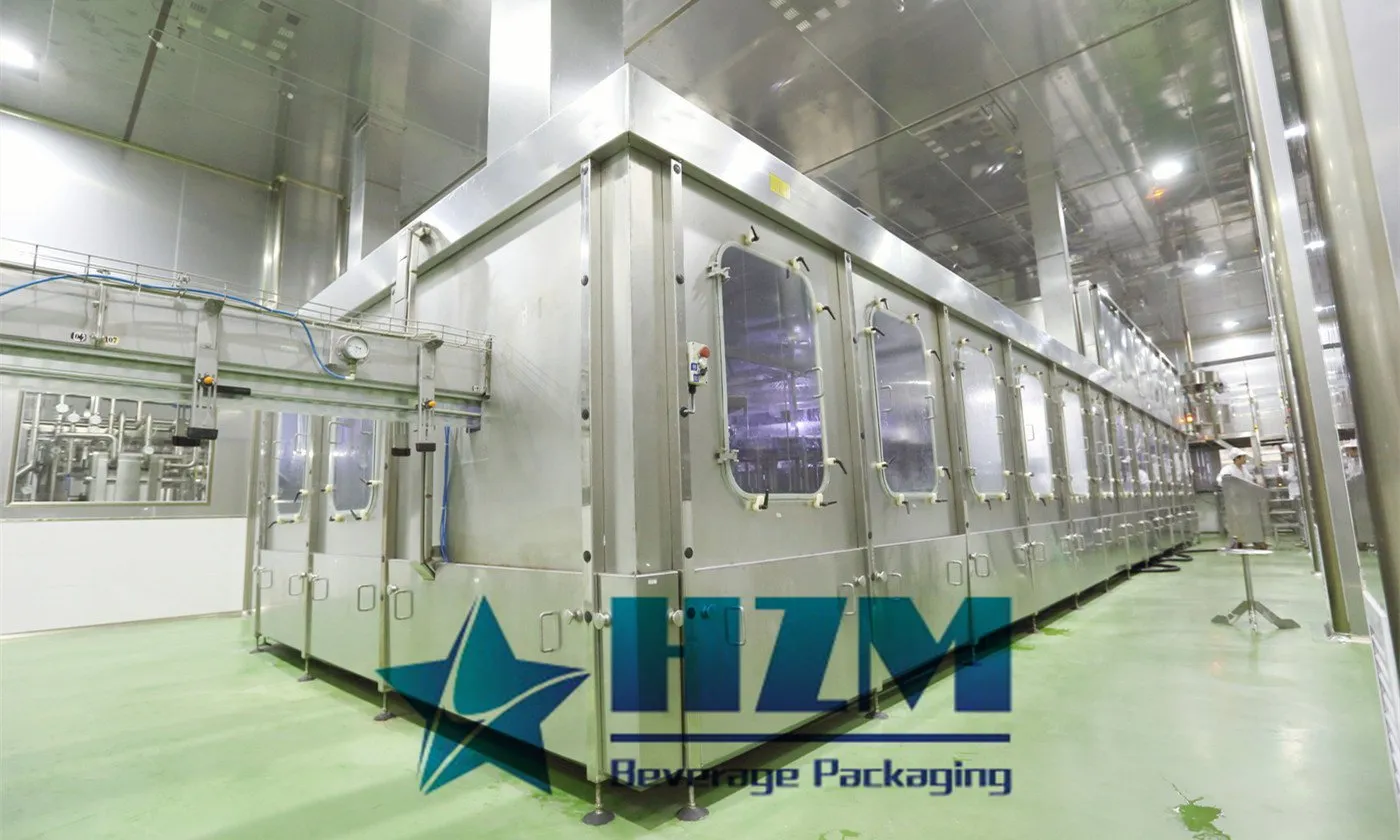
PET Bottles Burst During Blowing or Pressure Test

Stop and identify whether failure starts at a material-thin zone, a preform defect, a damaged mould surface, excessive pressure or incomplete cooling. Preserve cavity-coded fragments and pressure data. Follow this practical fault-isolation, repair and prevention guide for bottling-line operators and maintenance teams.

Learn more
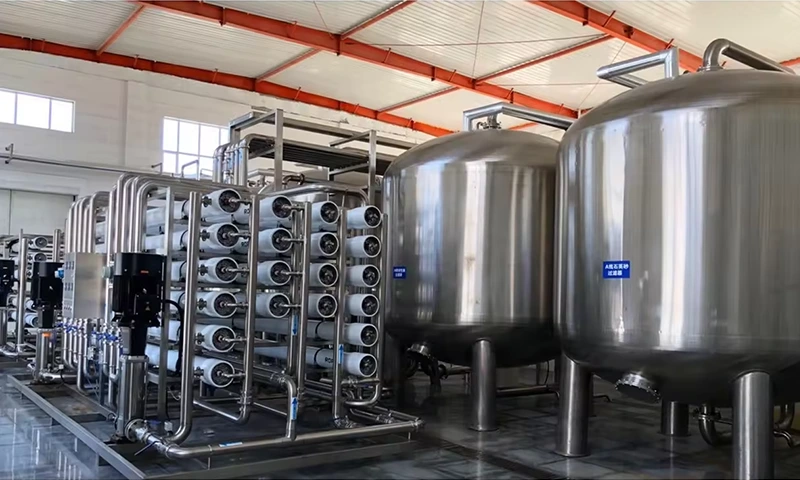
Pulp Juice Filling Valves Keep Blocking: Causes and Safe Cleaning

Check whether particle size, fibre loading, product settling, valve passage, agitation and cleaning method match the process design. Repeated manual clearing is a symptom; it is not a sustainable repair. Follow this practical fault-isolation, repair and prevention guide for bottling-line operators and maintenance teams.

Learn more
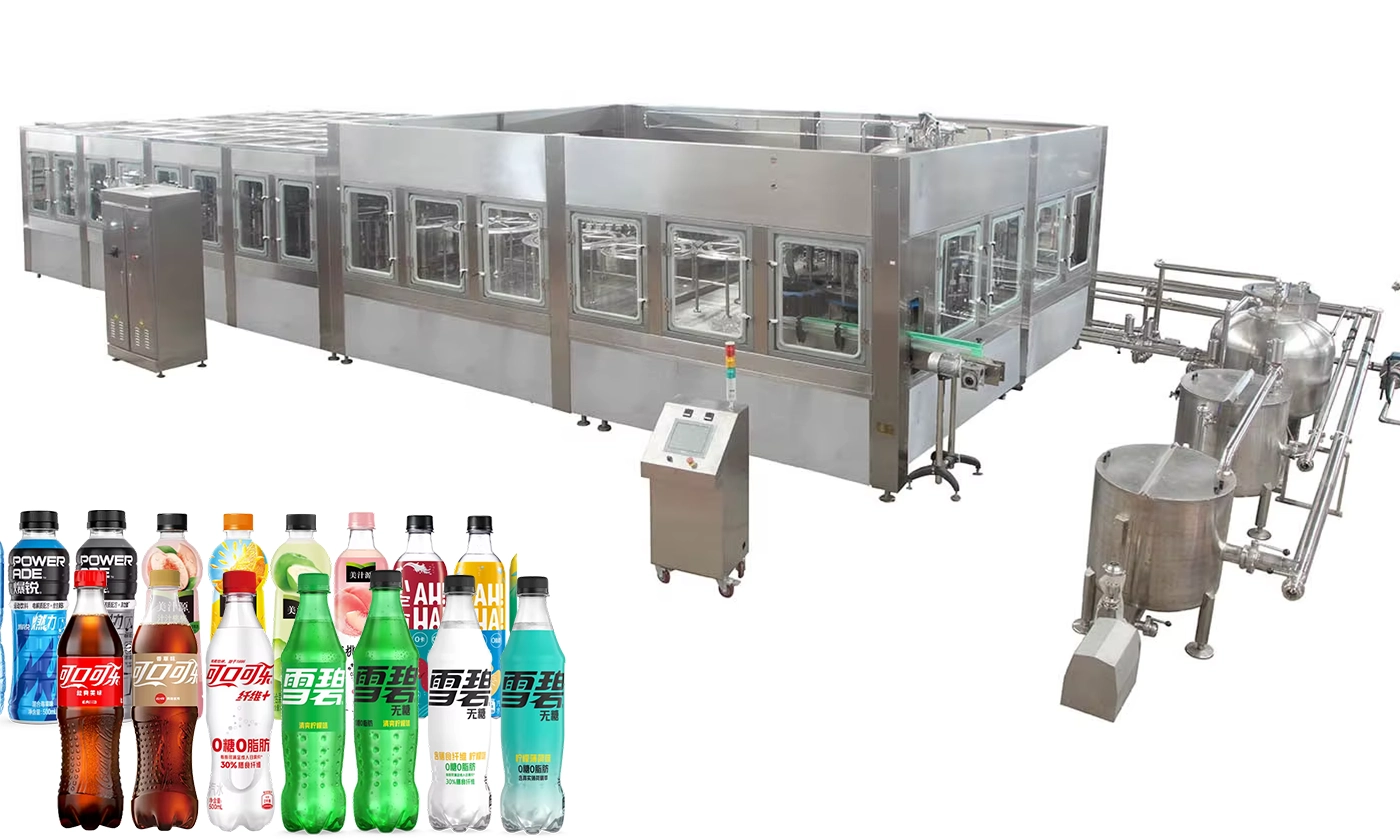
RO Differential Pressure Keeps Rising: Fouling Location Matters

Locate the stage where pressure loss is increasing and relate it to normalized flow and salt passage. A first-stage rise often points to particulate or biological fouling; a later-stage rise can indicate scale, but feed analysis is required. Follow this practical fault-isolation, repair and prevention guide for bottling-line operators and maintenance teams.

Learn more
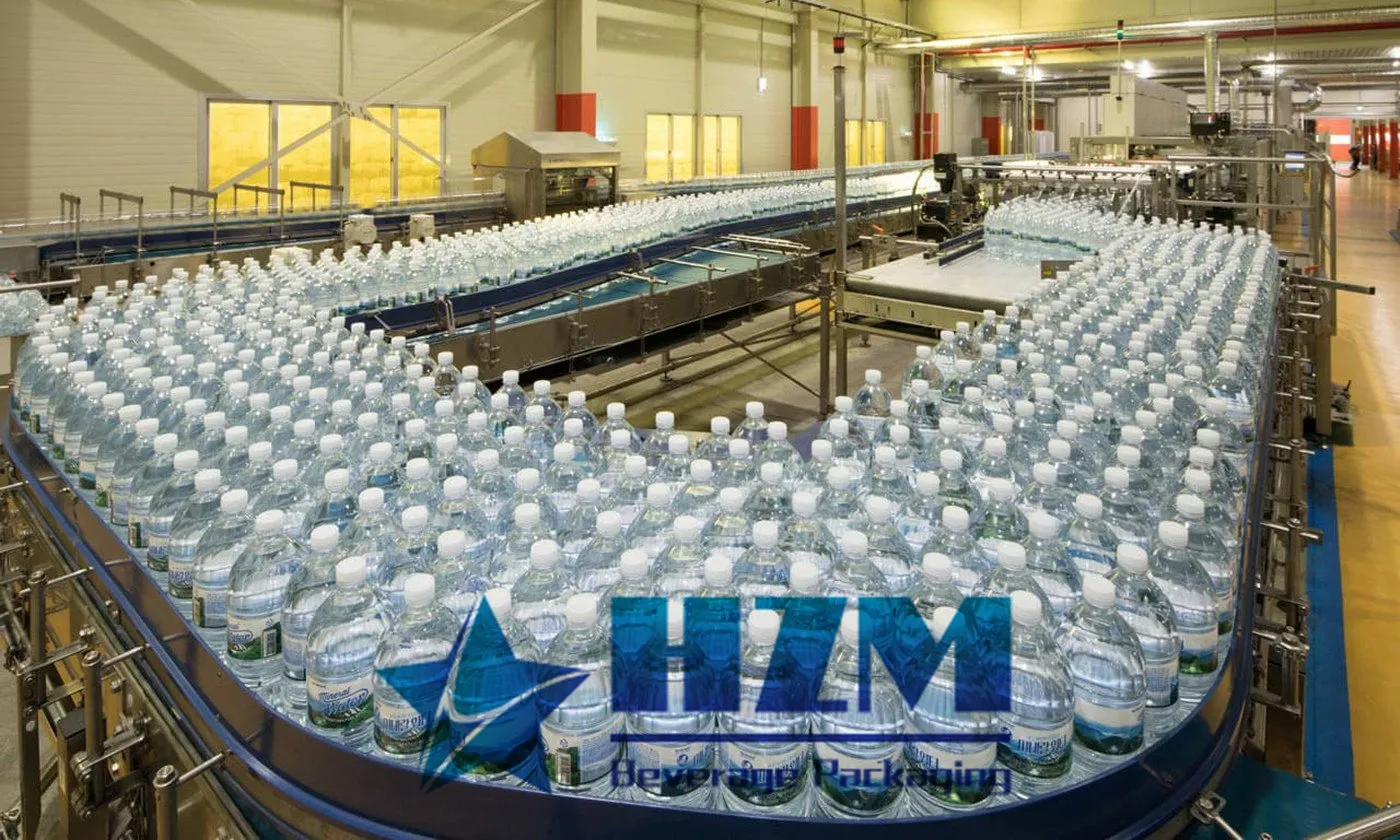
Water Line Changeovers Take Too Long and Create Startup Scrap

Measure changeover from last good pack to first sustained good pack. Separate mechanical format work, recipe selection, material staging, sanitation, quality approval and repeated adjustment; then create verified centerlines. Follow this practical fault-isolation, repair and prevention guide for bottling-line operators and maintenance teams.

Learn more
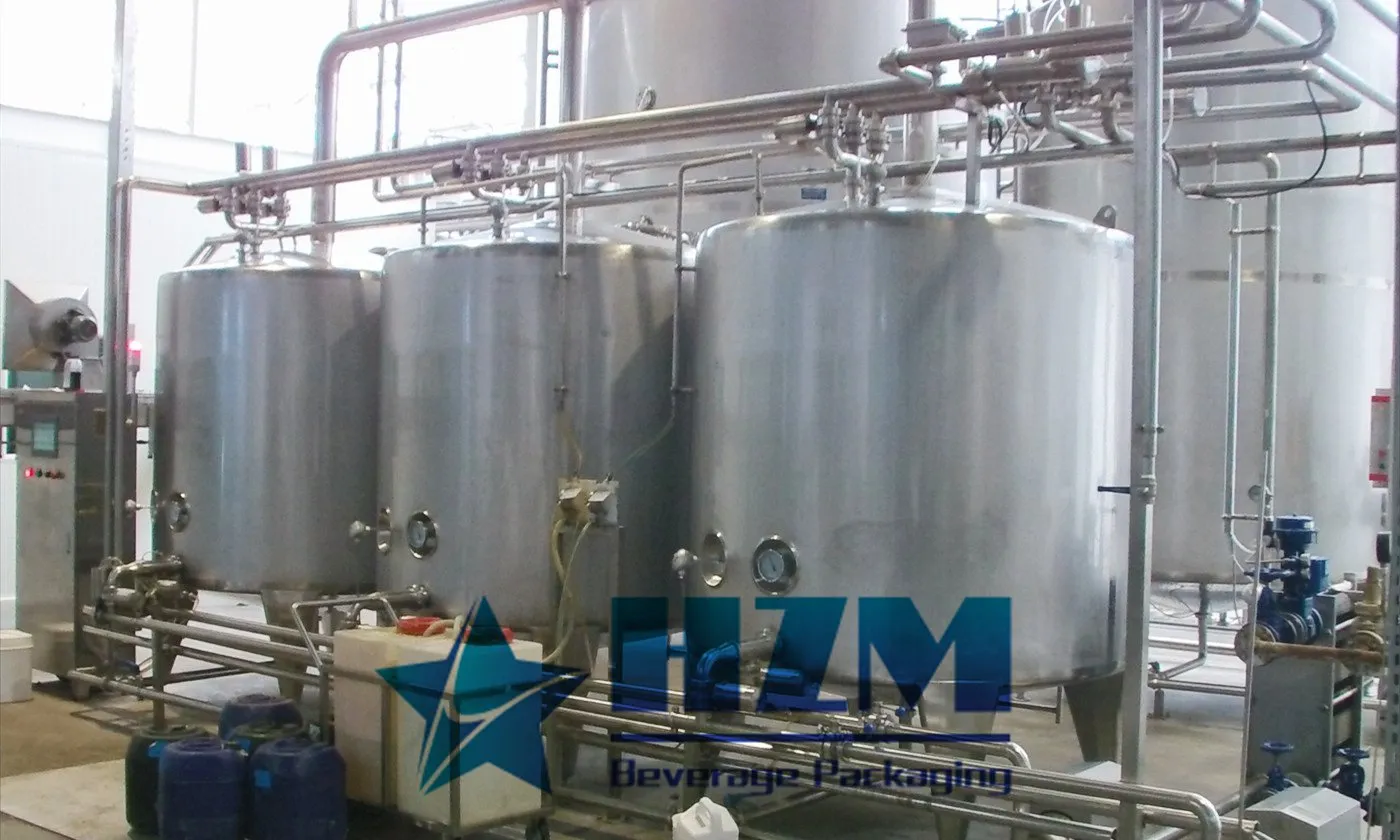
Why Do Filling Valves Drip After the Bottle Leaves?

Dripping usually comes from contamination on the valve seat, worn or swollen seals, trapped pressure, incorrect closing timing or product viscosity outside the setup window. Identify whether the leak follows one valve or the entire filler. Follow this practical fault-isolation, repair and prevention guide for bottling-line operators and maintenance teams.

Learn more
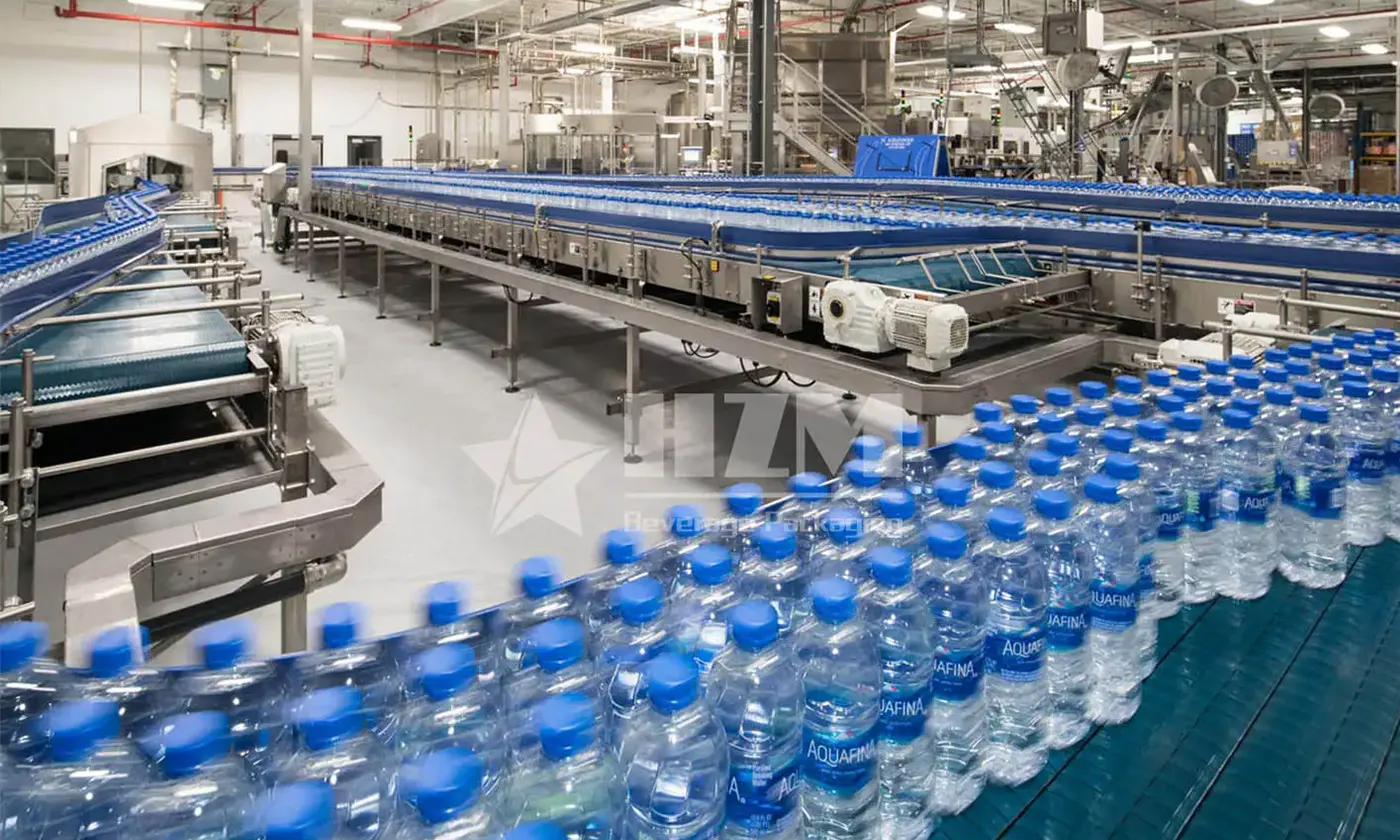
Water and Oil Appear in the Bottling Line Air System

Verify pressure dew point and contamination at the point of use, then check aftercooling, separators, drains, dryer loading, filters, ambient conditions and compressor condition. A particulate filter cannot remove water vapour. Follow this practical fault-isolation, repair and prevention guide for bottling-line operators and maintenance teams.

Learn more
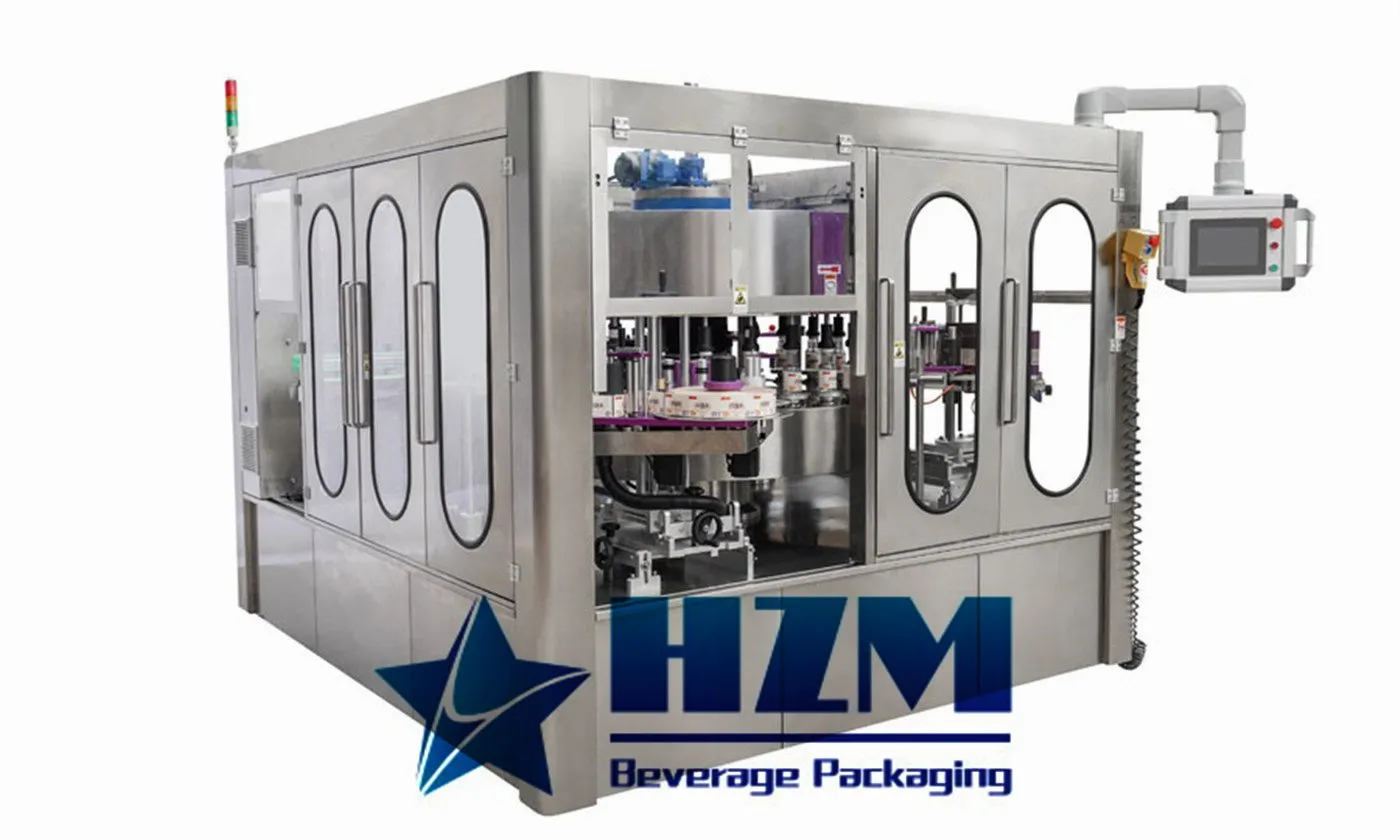
CIP Chemical Concentration Drifts During Cleaning

Confirm concentration with the approved laboratory method, then check conductivity compensation, chemical make-up, water carryover, valve leakage, soil load, tank mixing and dosing-pump calibration. Follow this practical fault-isolation, repair and prevention guide for bottling-line operators and maintenance teams.

Learn more
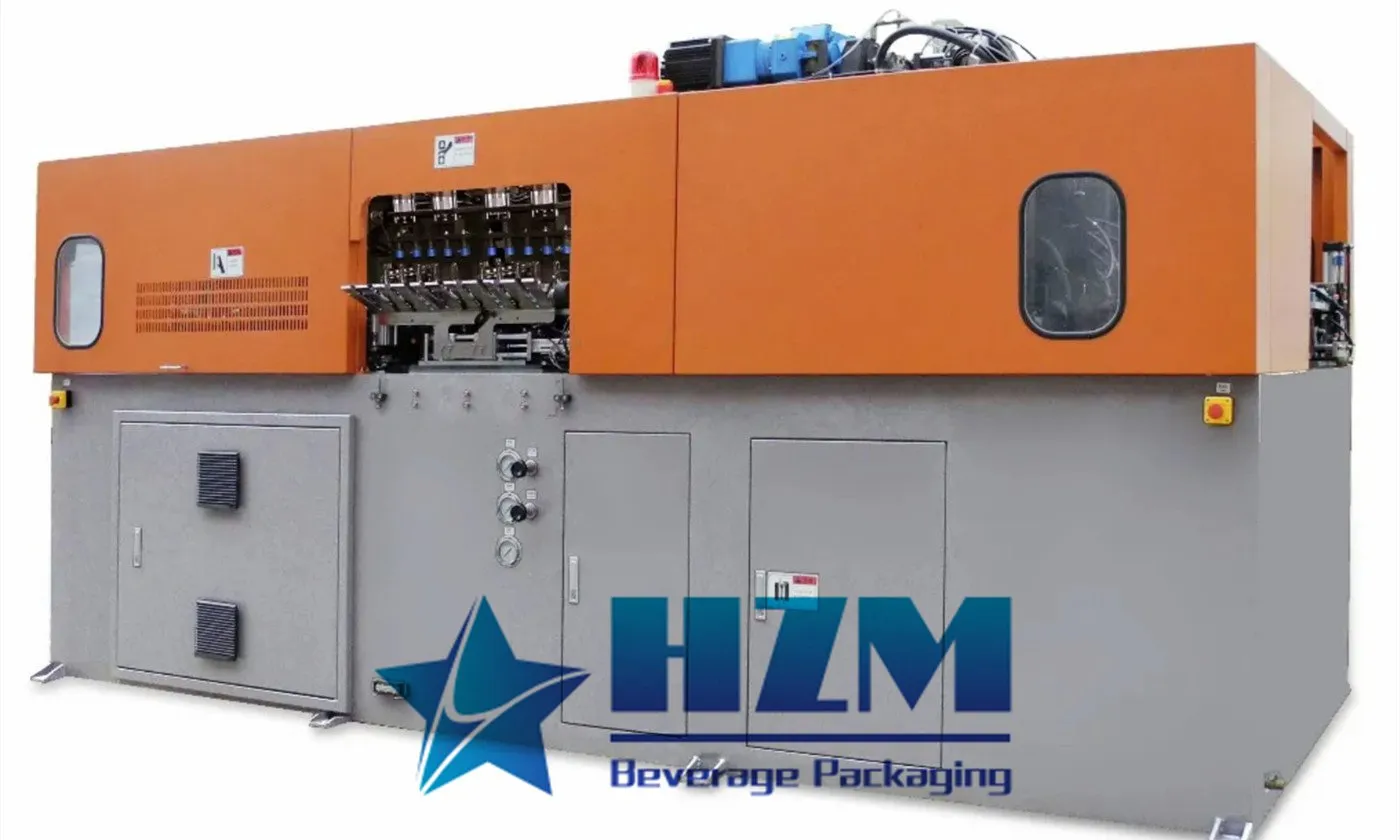
PET Bottles Fall Over on the Conveyor

Evaluate bottle stability, fill level, base shape, guide height and clearance, conveyor speed transitions, air movement and accumulation. Lightweight bottles need controlled support without being squeezed. Follow this practical fault-isolation, repair and prevention guide for bottling-line operators and maintenance teams.

Learn more
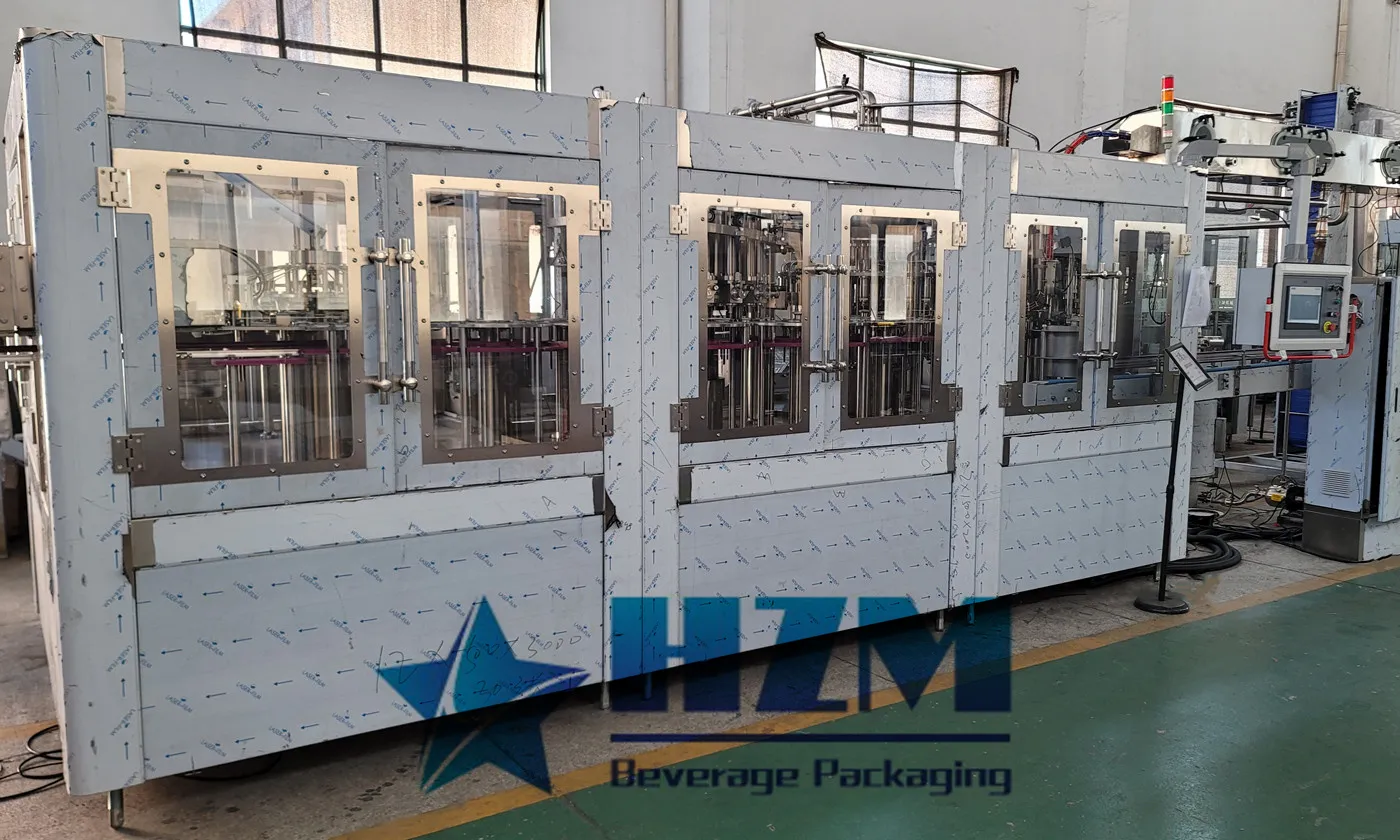
Shrink-Film Seals Split or Open After Packing

Inspect seal appearance and failure mode, then check film compatibility, sealing-bar temperature, pressure, dwell, cleanliness, alignment and cooling. More temperature can burn or thin the seal rather than strengthen it. Follow this practical fault-isolation, repair and prevention guide for bottling-line operators and maintenance teams.

Learn more
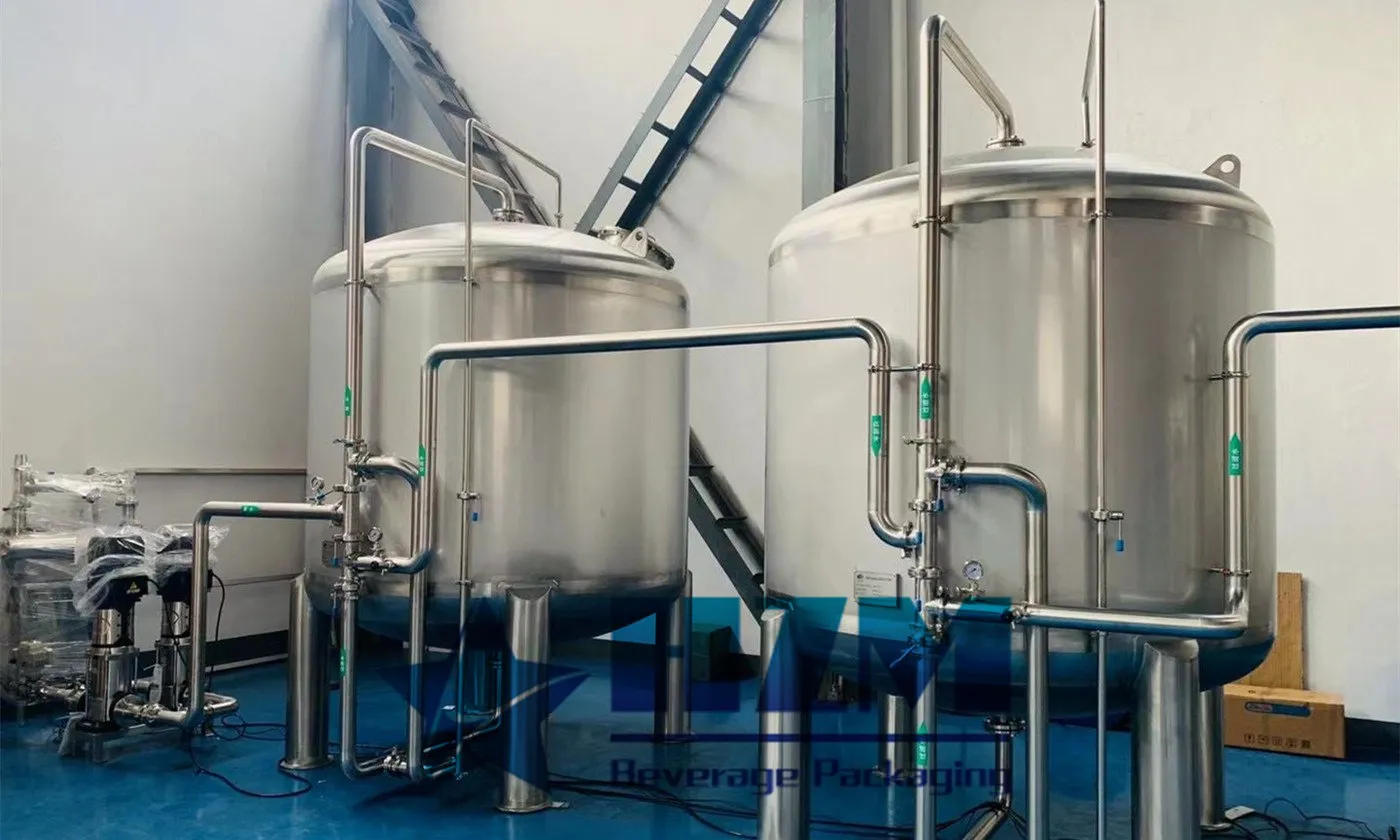
Sleeve Labels Wrinkle After the Shrink Tunnel

Determine whether the sleeve was straight before entering the tunnel. Then check film shrink curve, tunnel-zone temperature, airflow or steam distribution, bottle moisture, conveyor speed and container geometry. Follow this practical fault-isolation, repair and prevention guide for bottling-line operators and maintenance teams.

Learn more
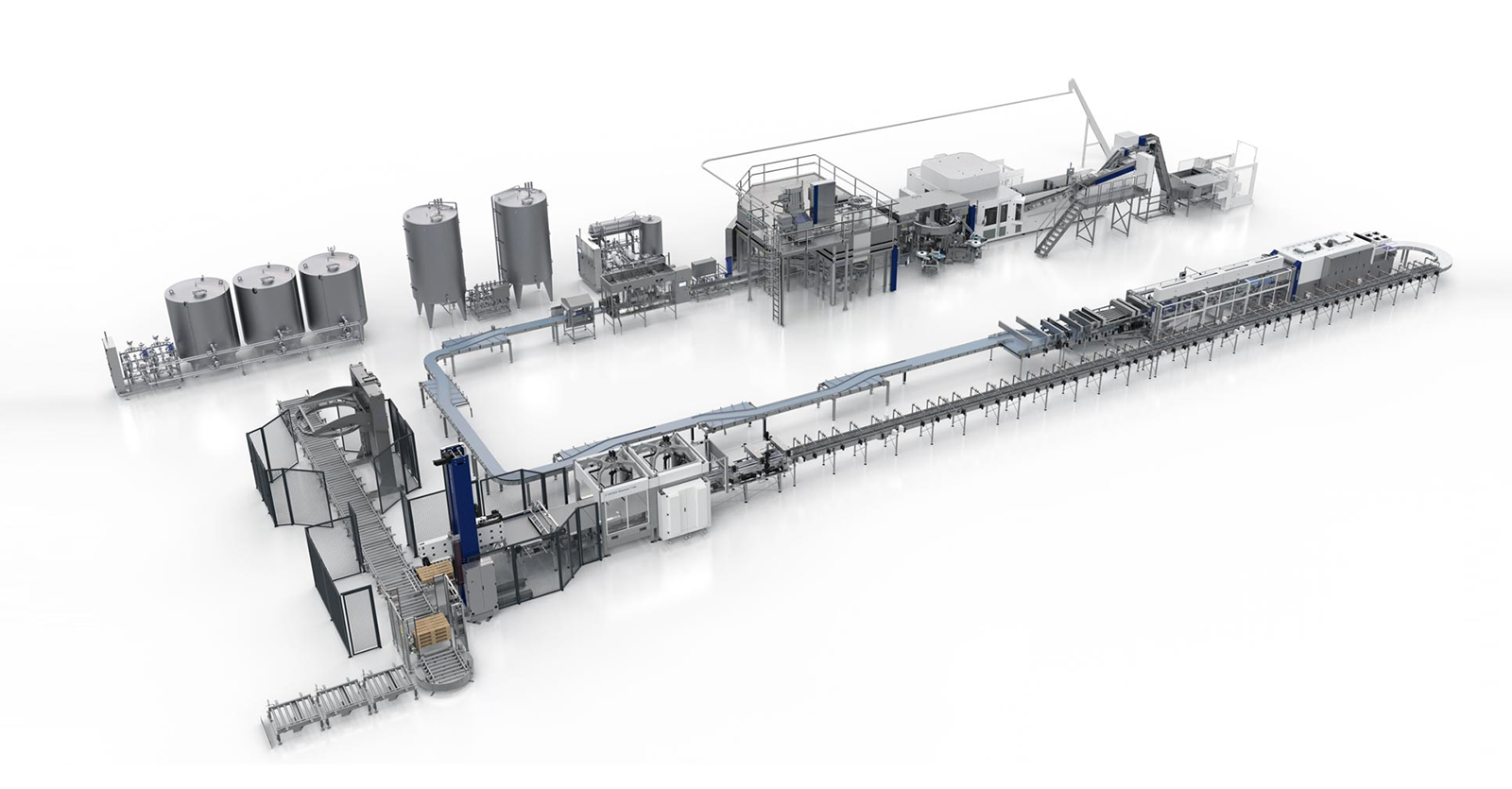
Pearlescence in PET Bottles: Too Cold, Too Fast or Both?

Pearlescence usually indicates excessive local stretching before the PET is warm enough to deform uniformly. Map the white area, verify preform temperature and stretch ratio, then adjust heating and stretch/pre-blow timing within the qualified process. Follow this practical fault-isolation, repair and prevention guide for bottling-line operators and maintenance teams.

Learn more
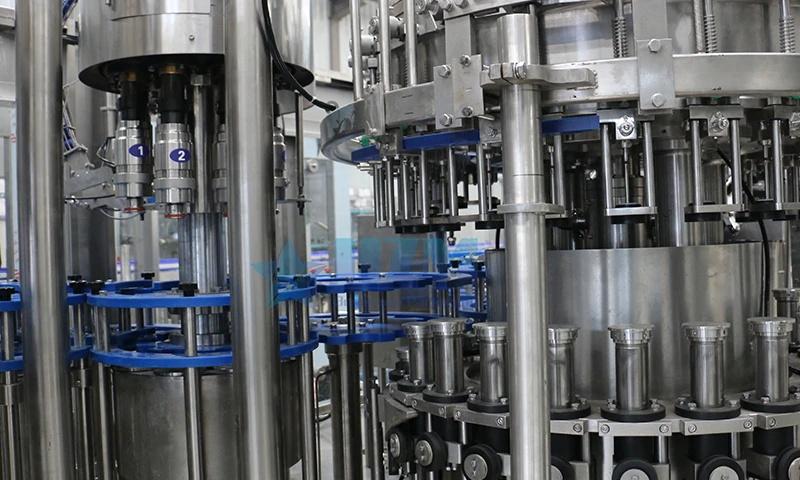
Hot-Fill Temperature Is Unstable at the Filler: Troubleshooting Steps

Treat hot-fill temperature as a process deviation. Hold affected product, verify the calibrated measurement point, then check heater capacity, recirculation, flow, bypass valves, stop-time logic and heat loss to the filler. Follow this practical fault-isolation, repair and prevention guide for bottling-line operators and maintenance teams.

Learn more
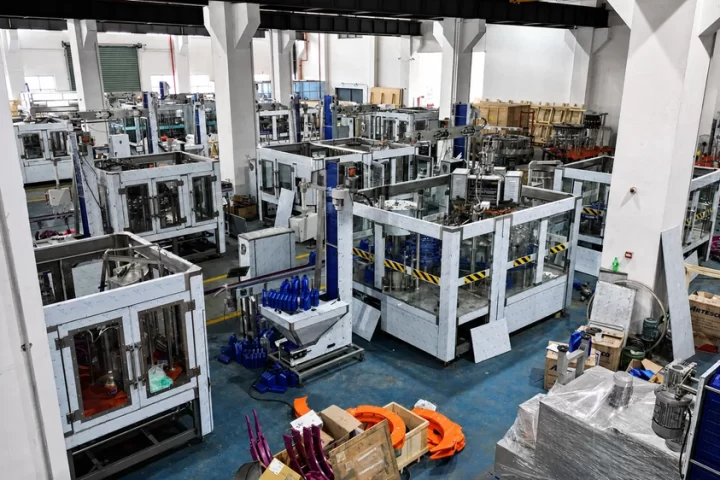
RO Permeate Conductivity Is High: Membrane, O-Ring or Process?

Confirm the conductivity instrument and temperature compensation, then determine whether the change affects one vessel, one stage or the whole train. Check recovery, oxidation, membrane damage, interconnector O-rings and permeate backpressure. Follow this practical fault-isolation, repair and prevention guide for bottling-line operators and maintenance teams.

Learn more
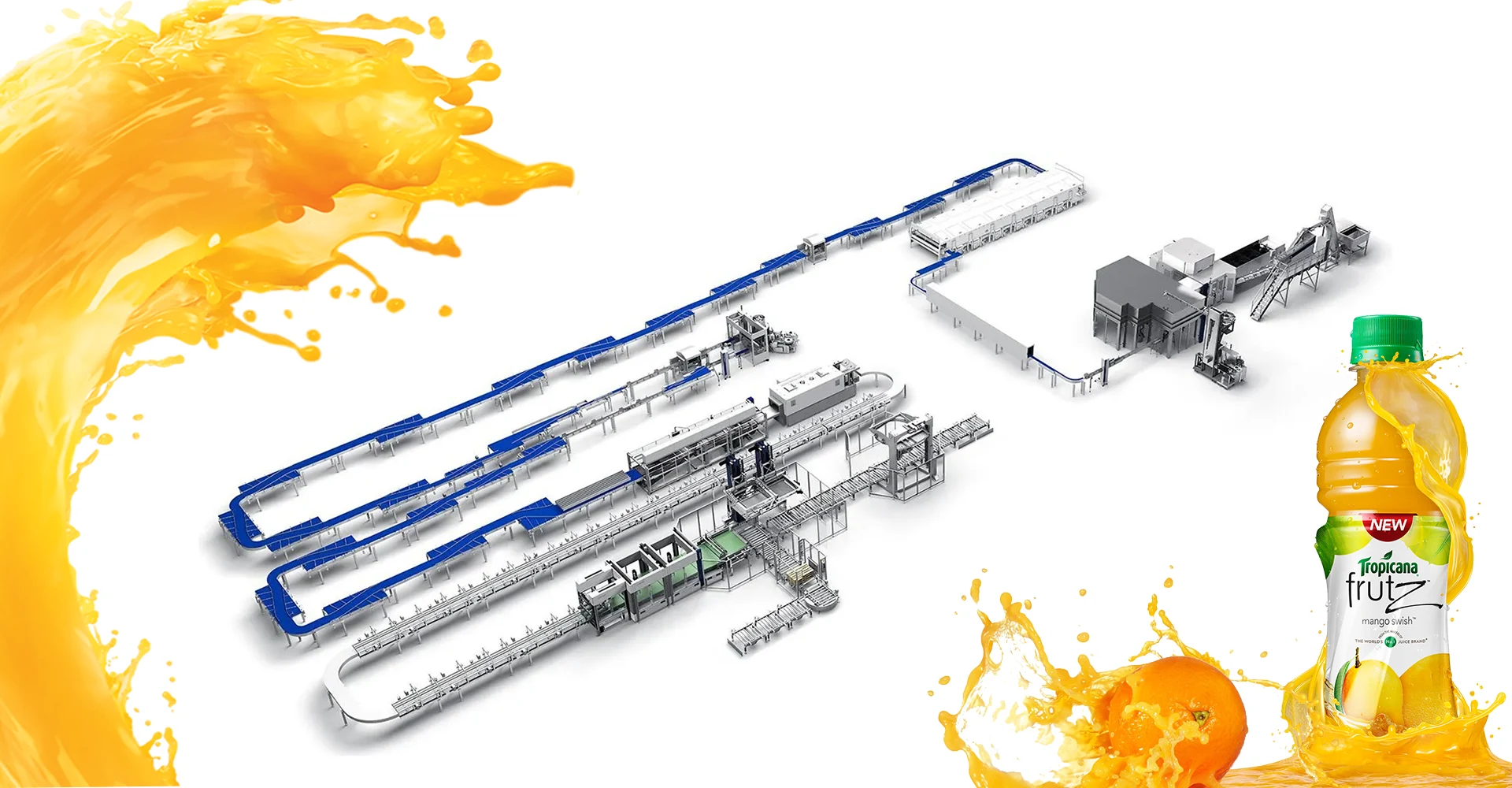
Water Bottling Line Has Too Many Microstops

Capture first-out alarms and state transitions with synchronized time. Rank stops by lost minutes and frequency, then verify sensors, container stability, cap and label feed, conveyor transfers and restart logic at the first affected machine. Follow this practical fault-isolation, repair and prevention guide for bottling-line operators and maintenance teams.

Learn more
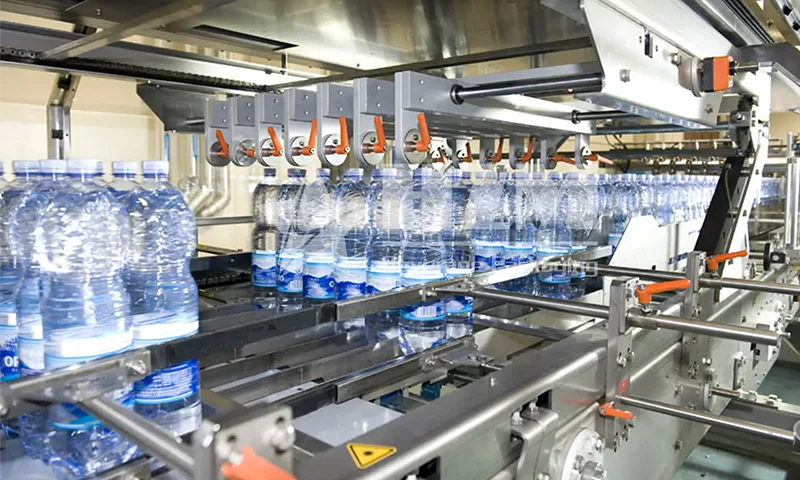
Bottle Rinser Has Low Spray Pressure: Causes and Repair Steps

Check whether the loss affects the entire rinser or only several nozzles. System-wide loss points to supply, pump, filter or valve problems; a local pattern points to blocked nozzles, damaged tubing or a misaligned bottle. Follow this practical fault-isolation, repair and prevention guide for bottling-line operators and maintenance teams.

Learn more
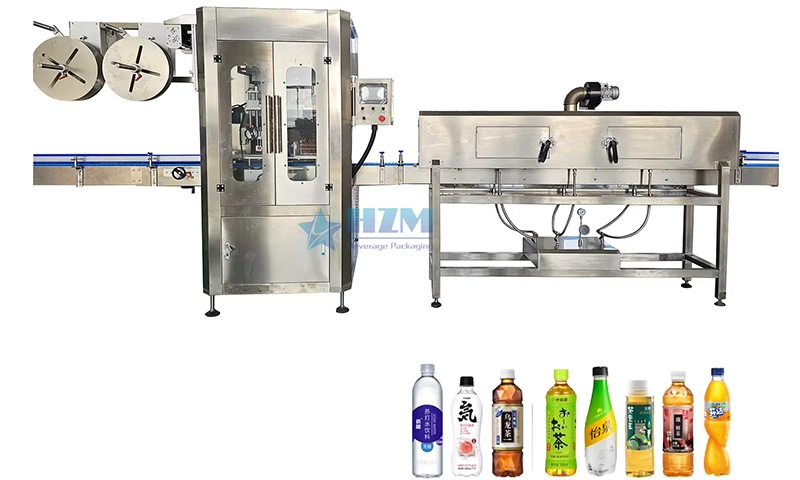
Compressed-Air Pressure Drops When the Bottling Line Speeds Up

Measure pressure at the machine while recording flow and compressor state. Check leaks, receiver capacity, filters and dryers, pipe restriction, compressor control and simultaneous high-demand events before raising the pressure setpoint. Follow this practical fault-isolation, repair and prevention guide for bottling-line operators and maintenance teams.

Learn more
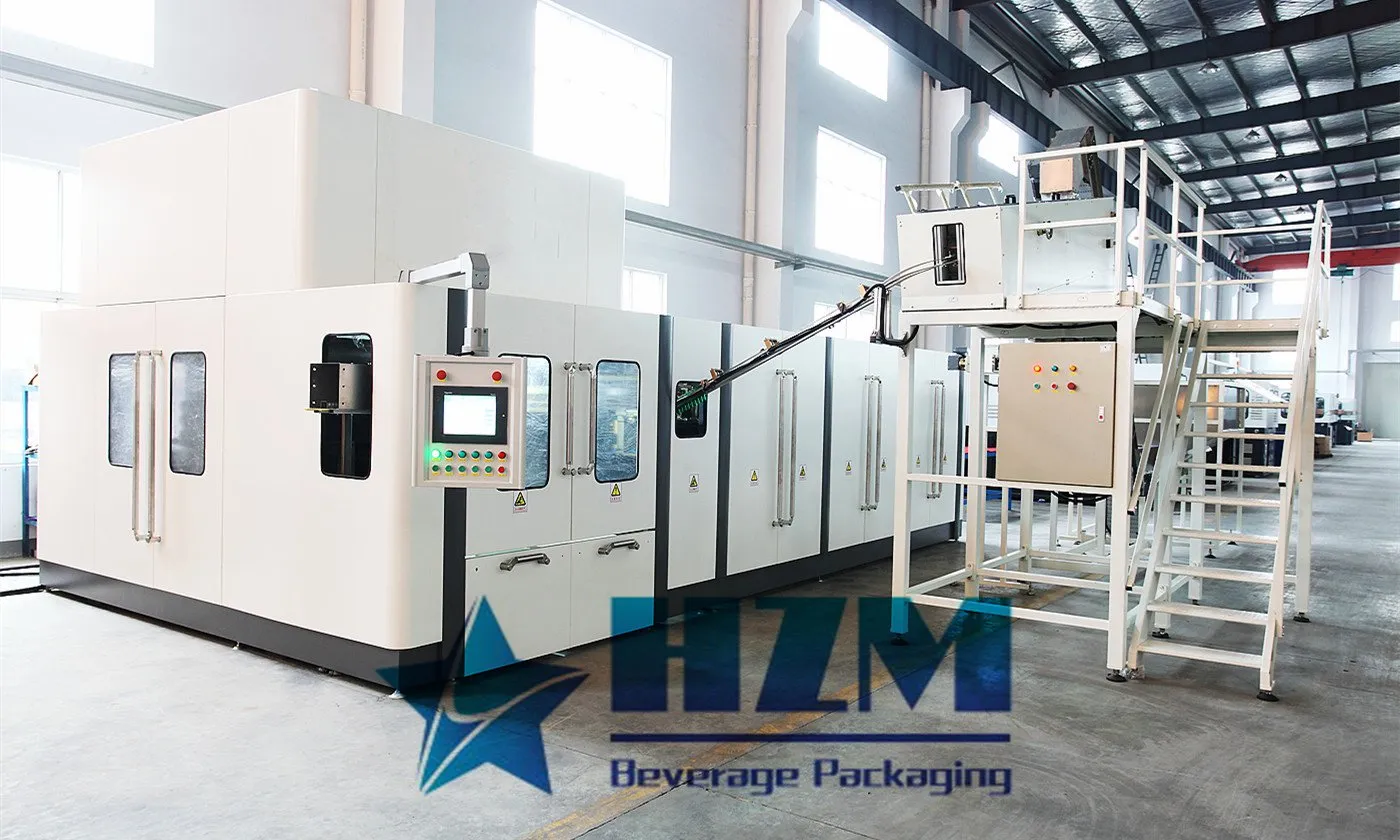
CIP Flow Is Too Low to Clean the Beverage Circuit

Verify the flow instrument, then check tank level, pump suction, strainers, valve routing, simultaneous circuits, return restriction and pump performance. Cleaning time cannot compensate for inadequate hydraulic action in a validated circuit. Follow this practical fault-isolation, repair and prevention guide for bottling-line operators and maintenance teams.

Learn more
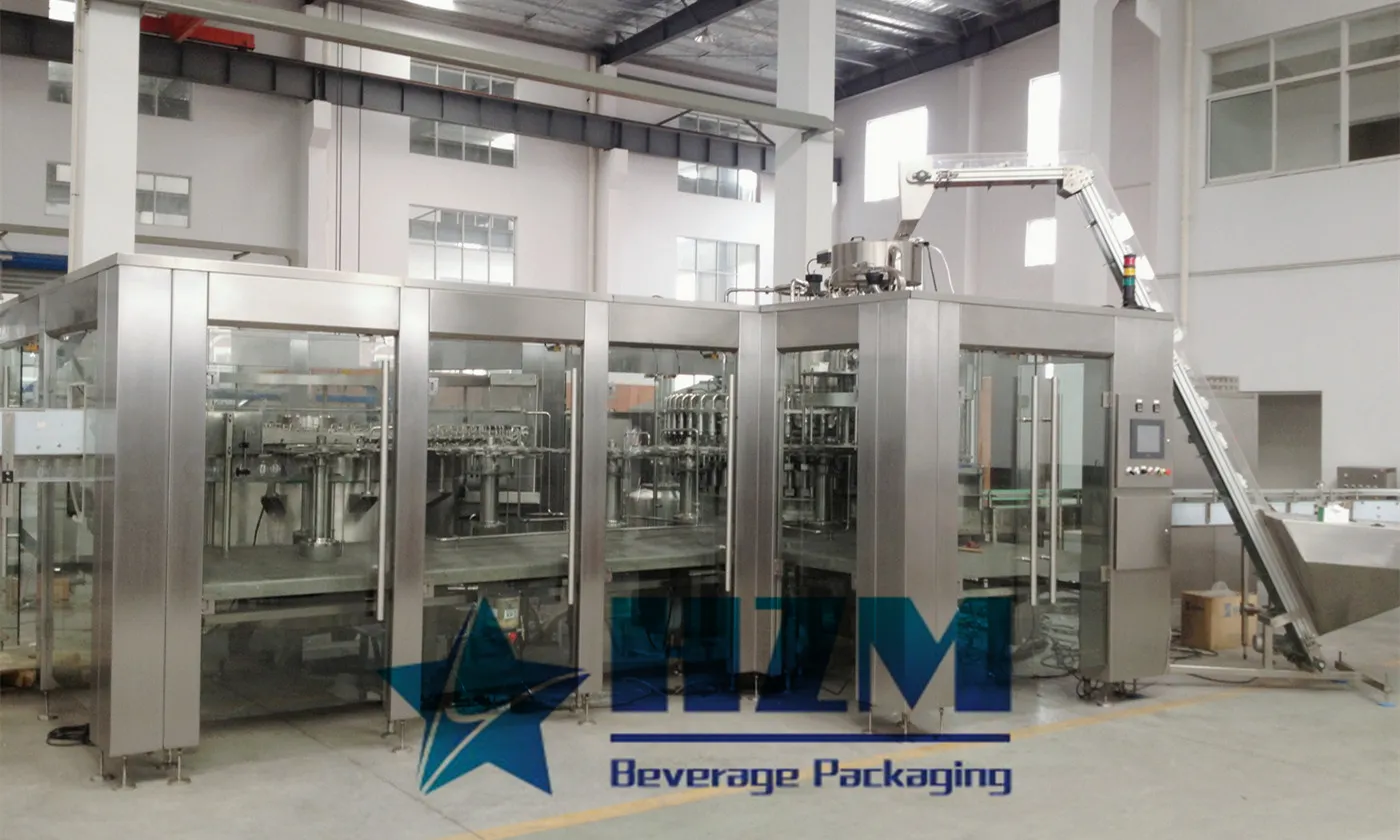
Bottle Conveyor Jams at the Same Location Every Shift

Mark the first contact point and inspect guide transitions, chain condition, dead plates, speed change, bottle dimensions, lubrication and upstream accumulation. The pile-up often occurs downstream of the actual interference. Follow this practical fault-isolation, repair and prevention guide for bottling-line operators and maintenance teams.

Learn more
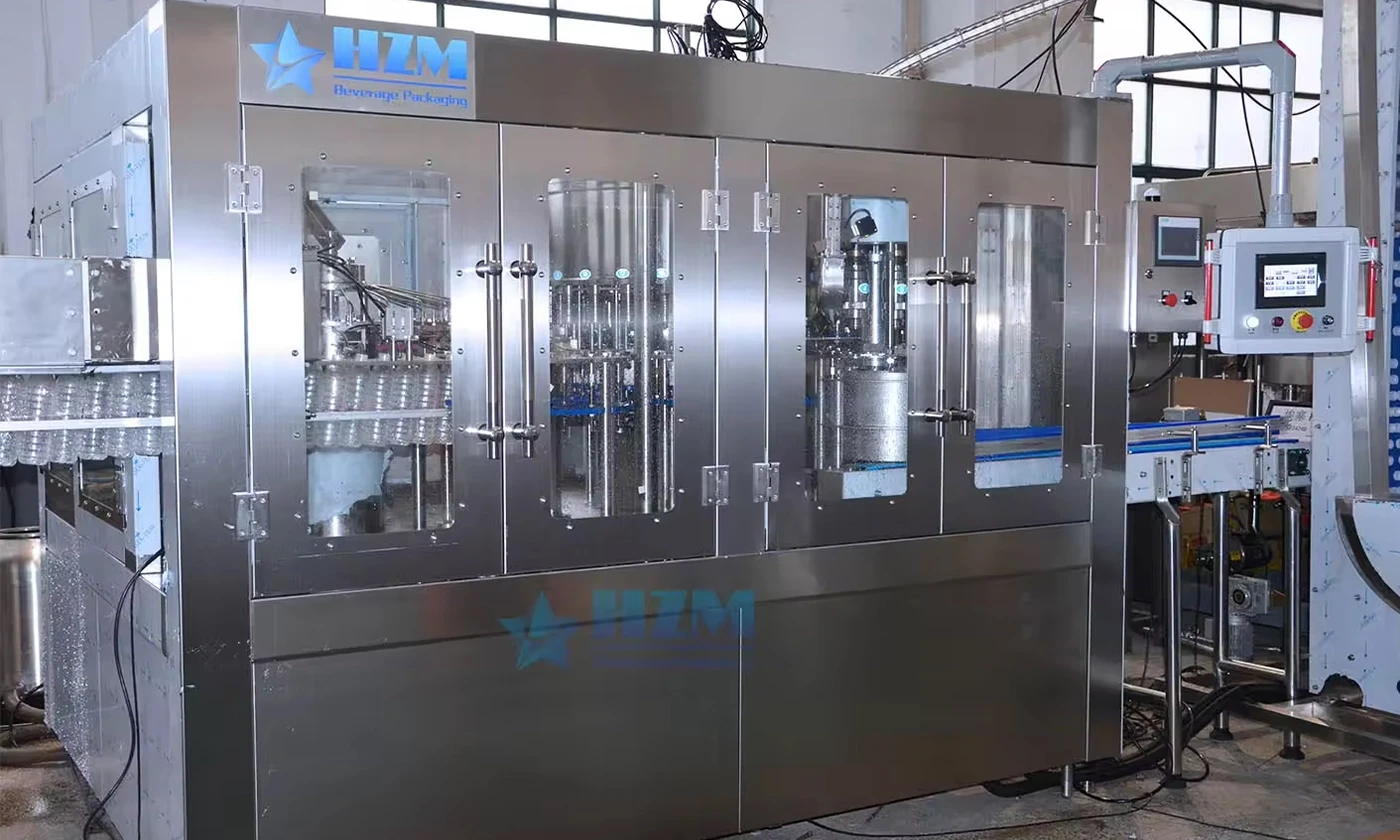
Shrink Packs Leave the Tunnel Loose: Heat, Film or Grouping?

Check the pack before the tunnel, then verify film specification and orientation, cut length, overlap, tunnel-zone temperatures, airflow and residence time. Missing or mis-pitched bottles can make a correct film setup look wrong. Follow this practical fault-isolation, repair and prevention guide for bottling-line operators and maintenance teams.

Learn more
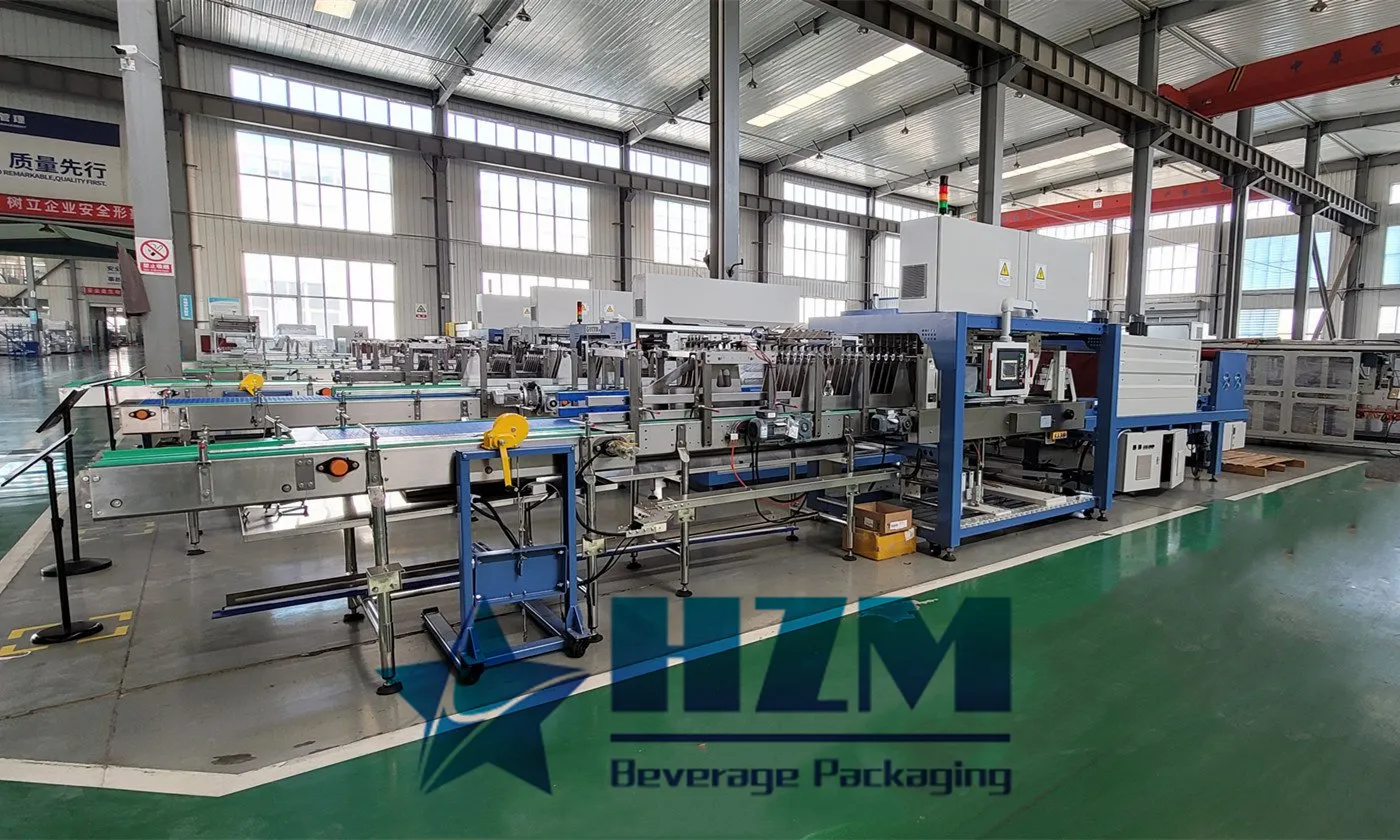
Shrink Sleeve Labels Are Skewed: Sensor, Cutter or Bottle?

Inspect the sleeve before heat is applied. Check bottle centering, film web tracking and tension, registration-mark detection, cutter condition, mandrel alignment and sleeve drop timing. Follow this practical fault-isolation, repair and prevention guide for bottling-line operators and maintenance teams.

Learn more
About Blog

Read practical HZM Machinery guides for planning and operating water and beverage production lines. Topics cover water treatment, beverage processing, PET bottle blowing, filling, labeling, secondary packaging, capacity selection, factory layout, maintenance and purchasing decisions for bottled water, juice and carbonated drink projects.

Talk with an HZM beverage packaging specialist

Tell us your beverage, container, capacity and target market. Our engineering team will prepare a practical line proposal.

WhatsApp Email Facebook