
Insights & Updates
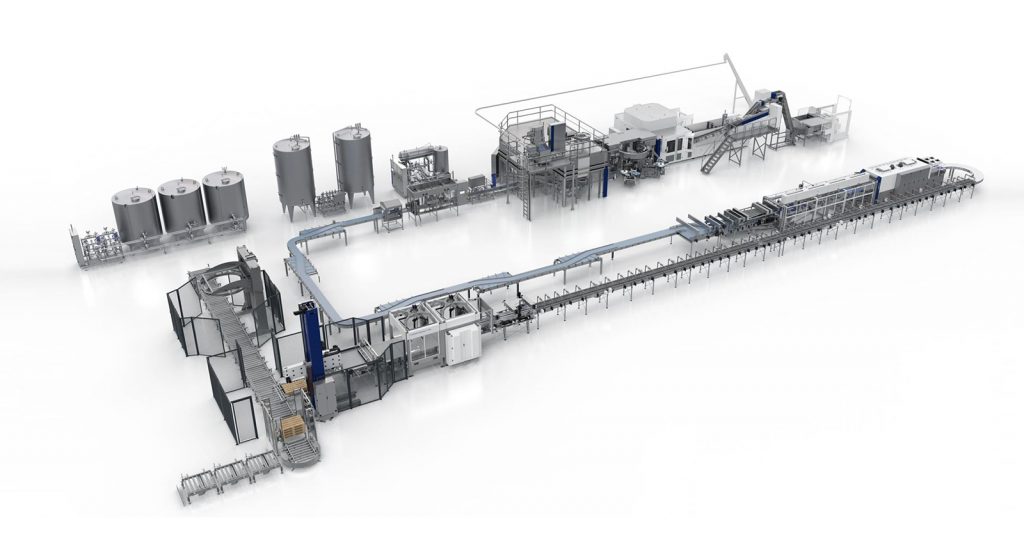
Comprehensive Equipment Plan for Mineral Water Production
1. Introduction
A well-designed mineral water production line ensures high efficiency, product quality, and eco-friendliness. Proper equipment selection and workflow planning are essential for smooth operations and consistent output.
2. Essential Equipment
- Water Treatment Systems – Filters, UV sterilizers, and reverse osmosis units for water purification.
- Filling & Capping Machines – Automated systems for precise bottling, capping, and labeling.
- Packaging Equipment – Case packers and robotic systems for secure packaging.
- Quality Control Tools – Automated inspection systems for accuracy in filling and packaging.
- Energy-Efficient Solutions – Equipment designed to minimize power consumption and environmental impact.
3. Equipment Selection & Procurement
- Supplier Evaluation – Choose reputable suppliers based on cost, reliability, and after-sales support.
- Budgeting – Allocate funds for equipment, installation, and logistics.
- Procurement Timeline – Plan timely delivery and installation to avoid project delays.
4. Installation & Commissioning
- Professional Setup – Engage skilled technicians for proper equipment installation.
- Operator Training – Train staff on equipment operation and maintenance.
- Testing & Quality Check – Conduct thorough tests to ensure compliance with industry standards.
5. Production Workflow
- Water Treatment – Purify water to meet safety and regulatory standards.
- Filling & Packaging – Automate bottling and packaging with real-time quality monitoring.
- Quality Assurance – Implement regular testing for consistent product quality.
6. Environmental Sustainability
- Wastewater Treatment – Install systems to reduce environmental impact.
- Energy Efficiency – Utilize energy-saving equipment and production practices.
- Eco-Friendly Packaging – Use recyclable or biodegradable materials.
7. Financial Planning
- Cost Estimation – Cover equipment, labor, and material expenses.
- Revenue Projections – Forecast sales and profitability.
- ROI Analysis – Assess financial viability and expected returns.
8. Risk Management
- Market Risks – Monitor demand fluctuations and competition.
- Quality Risks – Address equipment failures and product deviations.
- Regulatory Compliance – Stay updated on legal and industry standards.
9. Timeline & Milestones
Develop a structured project timeline with key milestones to track progress and ensure timely execution.
10. Conclusion
This plan provides a structured approach to establishing a high-quality, efficient, and sustainable mineral water production line, ensuring compliance with industry standards while maximizing profitability.
Talk to our engineering team
Need help planning your packaging line?
Share your product, bottle and capacity requirements for a practical equipment recommendation.
Equipment
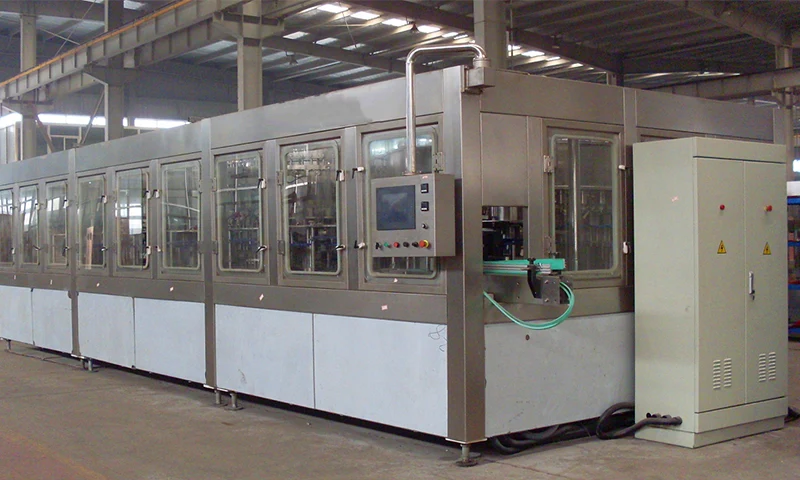
Mono-block Filling Machine 3 in 1
This Mono-block Filling Machine 3 in 1 is configured for mineral Water, Beverage, juice, beer; final scope follows the approved process, package and plant…
Learn more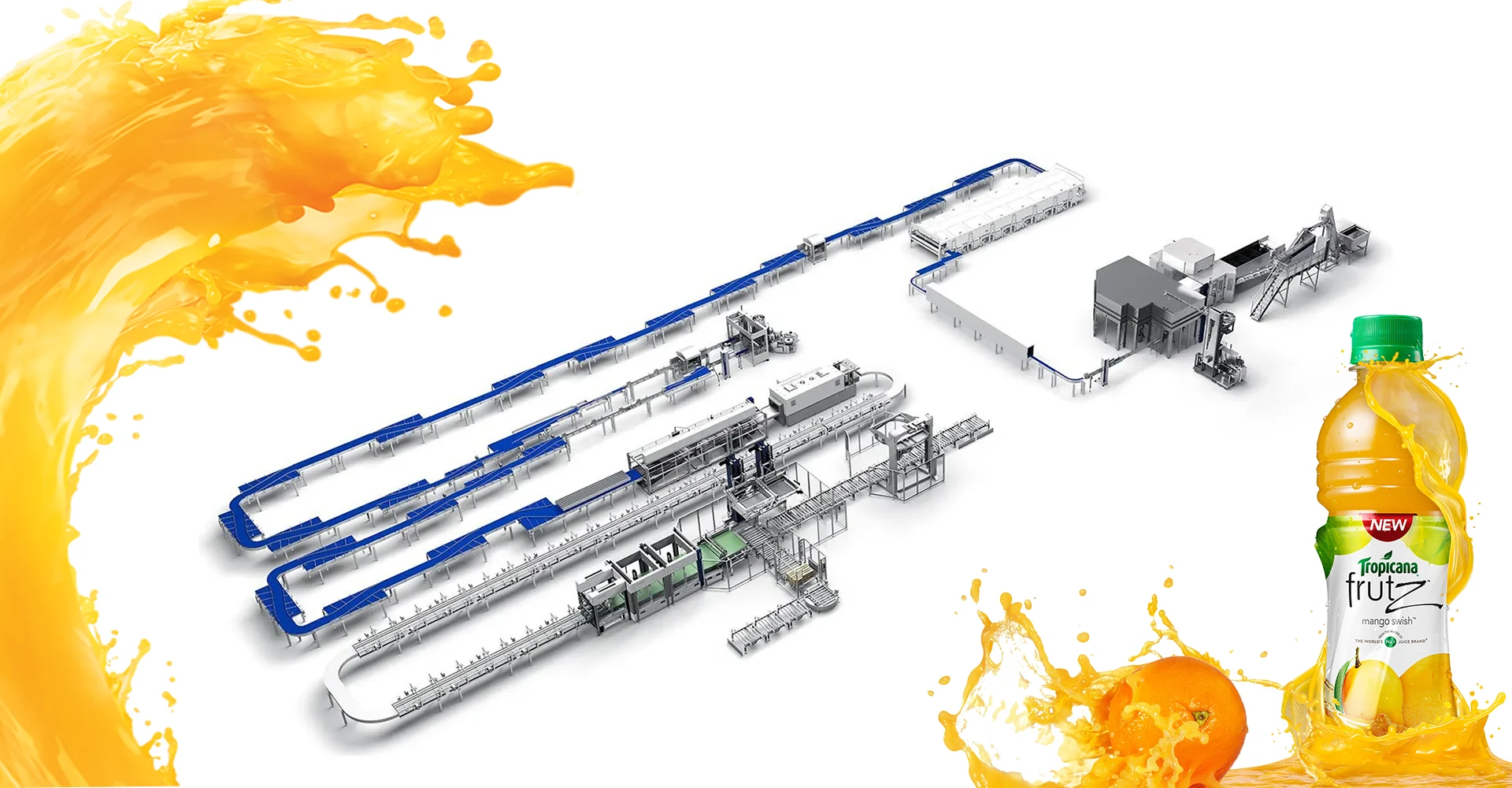
Equipment
Beverage Filling Machine & Turnkey Filling Line for Juice, Soft Drinks and Cans
This Beverage Filling Machine & Turnkey Filling Line for Juice is configured for juice, tea, carbonated soft drinks, energy drinks, water and beer at…
Learn more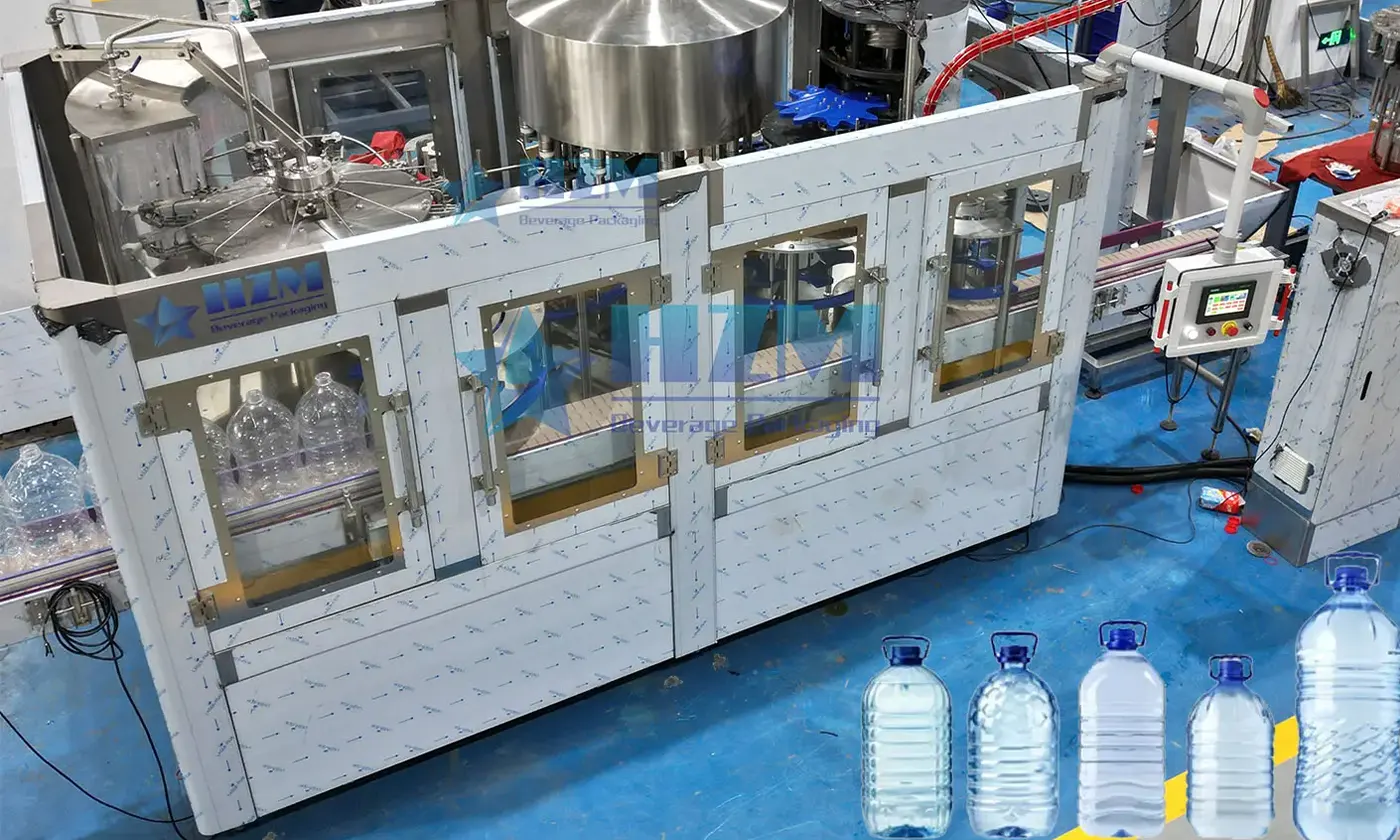
Equipment
Bottled Water Filling Machine & Turnkey Water Bottling Line
This Bottled Water Filling Machine & Turnkey Bottling Line is configured for purified water, mineral water and still drinking water at 5,000–42,000 bottles/hour; final…
Learn more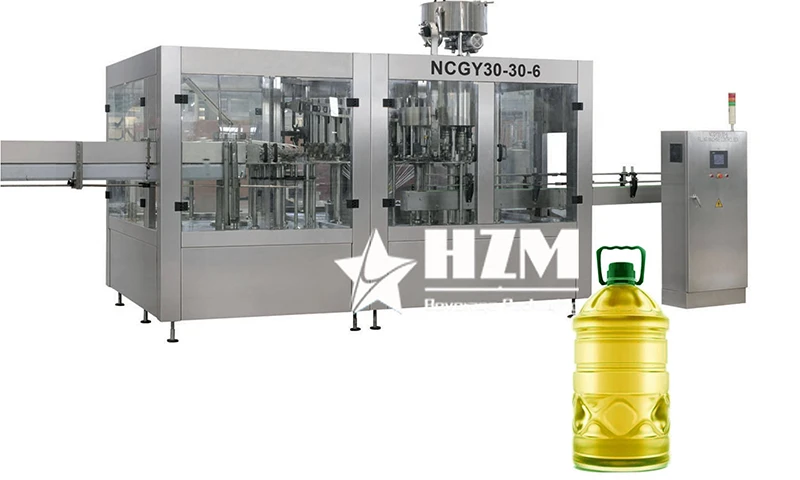
Equipment
2-in-1 Monoblock Edible Cooking Oil Filling and Capping Machine
This 2-in-1 Monoblock Edible Cooking Oil Filling and Capping is configured for edible oil or lubricant specified for the filling project at 960–2880 BPH;…
Learn more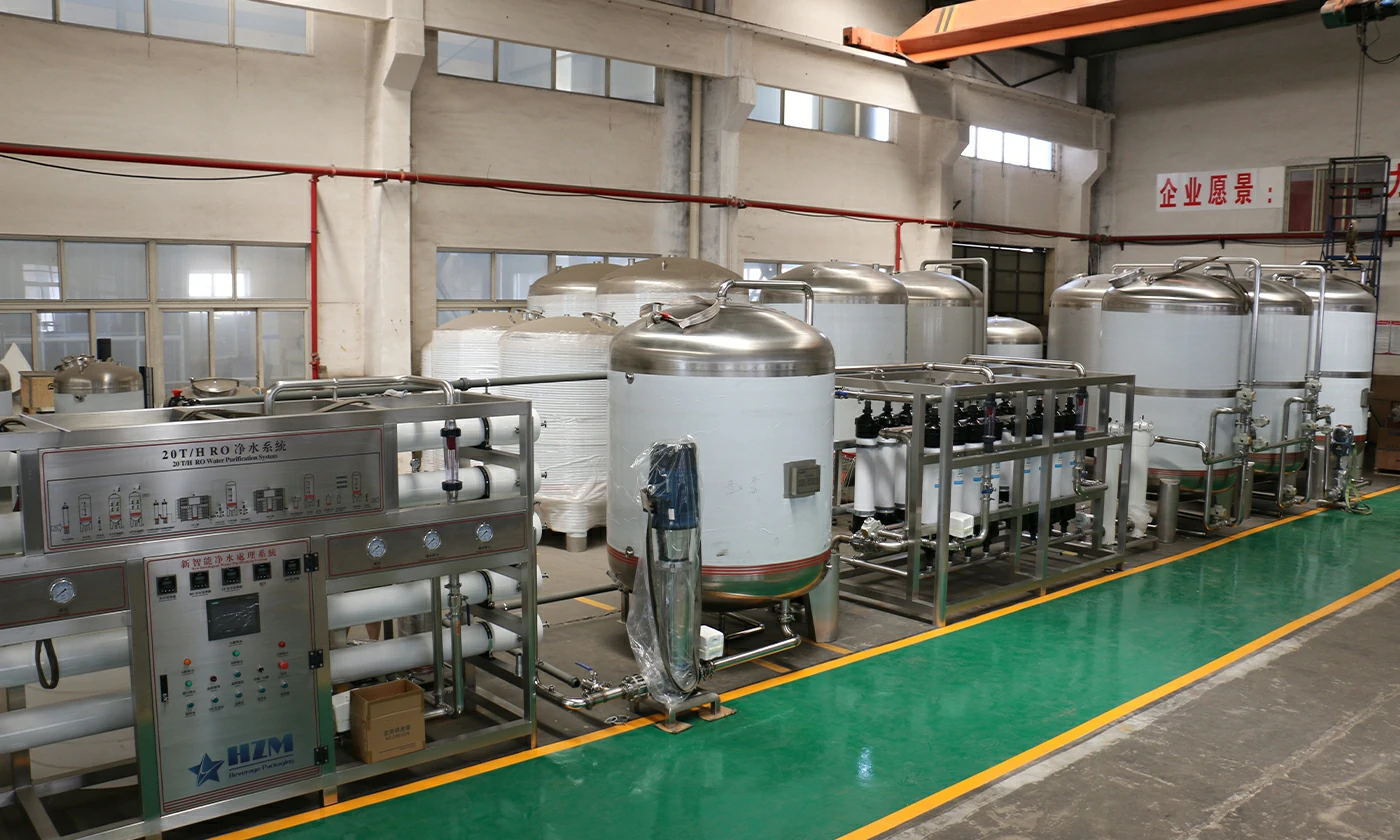
2026-08-12
FAT and SAT Checklist for a Turnkey Beverage Filling Line
Define factory and site acceptance tests for speed, quality, changeover, utilities, documents, safety, training and final line performance.
Learn more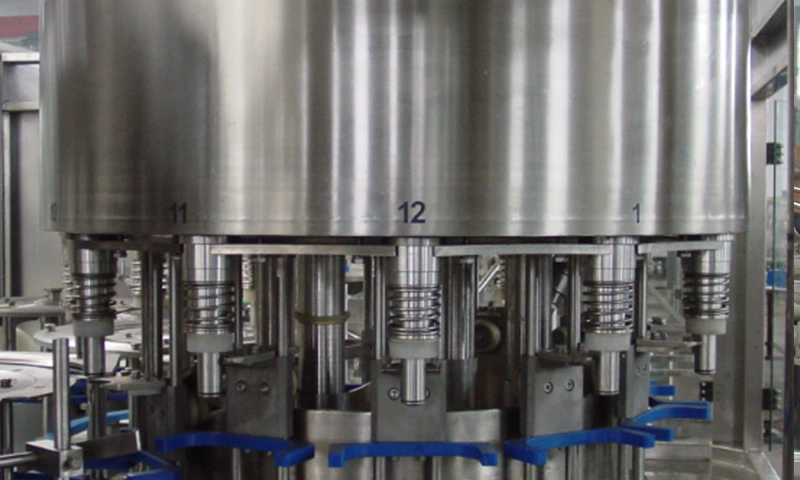
2026-08-11
Filling Machine Spare Parts: Build a Risk-Based Inventory and PM Plan
Classify critical filling-line spares by failure impact, lead time and wear rate, then connect inventory with preventive maintenance and usage records.
Learn more2026-08-10
Beverage Plant Utilities Checklist Before Equipment Installation
Prepare electricity, compressed air, water, steam, cooling, drains, floor loads, ventilation and access before a beverage line arrives.
Learn more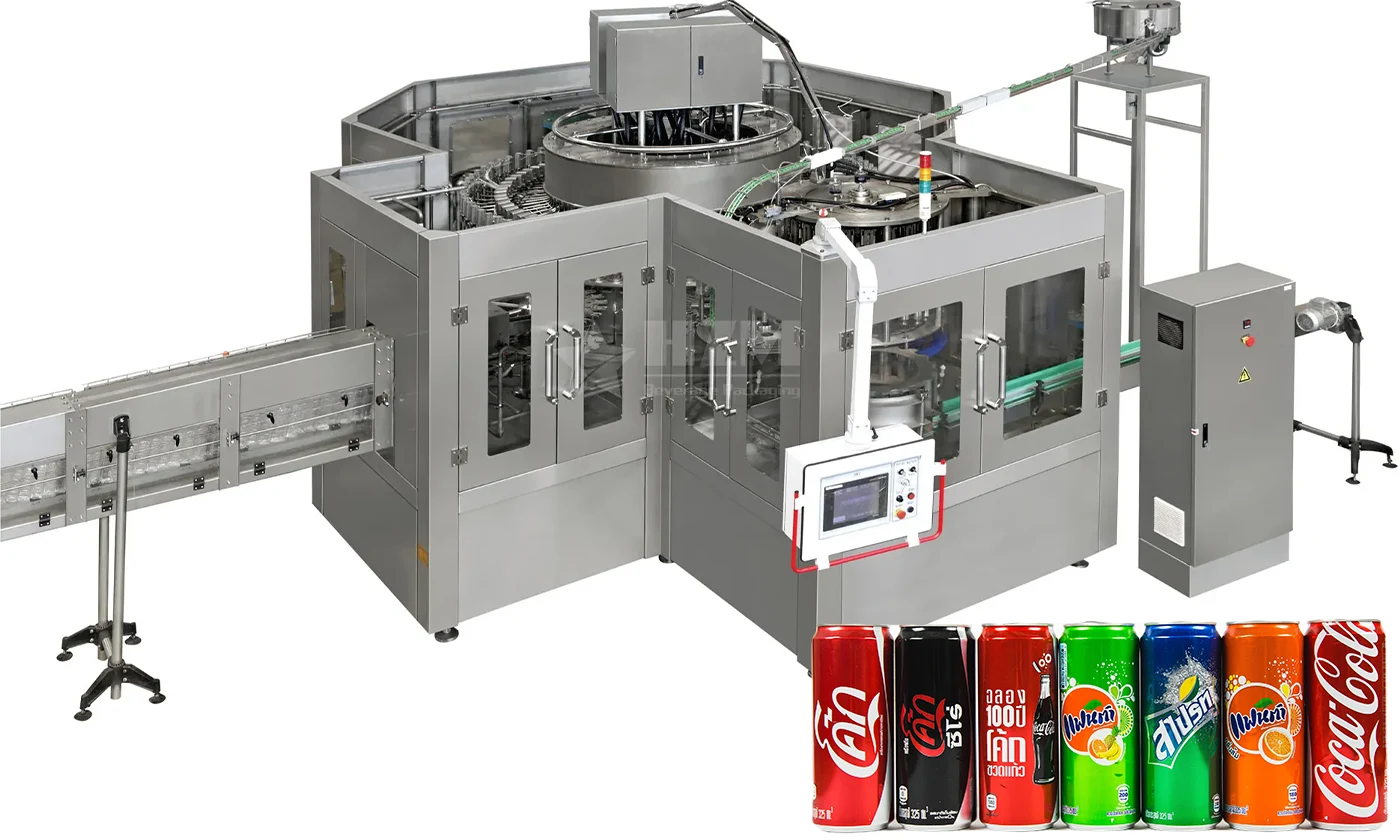
2026-08-09
Can Double-Seam Quality: A Buyer and Operator Inspection Checklist
Protect canned beverage quality with correct end handling, seamer setup, teardown measurements, defect trending and maintenance controls.
Learn more
2026-08-08
Servo Piston Filling for Sauces: Nozzle, Particle Size and Accuracy Checklist
Specify a servo piston filler for ketchup, mayonnaise, soy sauce and particulate products by viscosity, particle size, nozzle, hopper, cleaning and accuracy.
Learn more2026-08-07
Edible Oil Filling Problems: How to Control Drips, Foam and Viscosity
Improve edible-oil filling accuracy and cleanliness by controlling product temperature, viscosity, flow profile, nozzle cutoff, bottle handling and calibration.
Learn more