
Insights & Updates
Cost and Procurement of Beverage Packaging Equipment
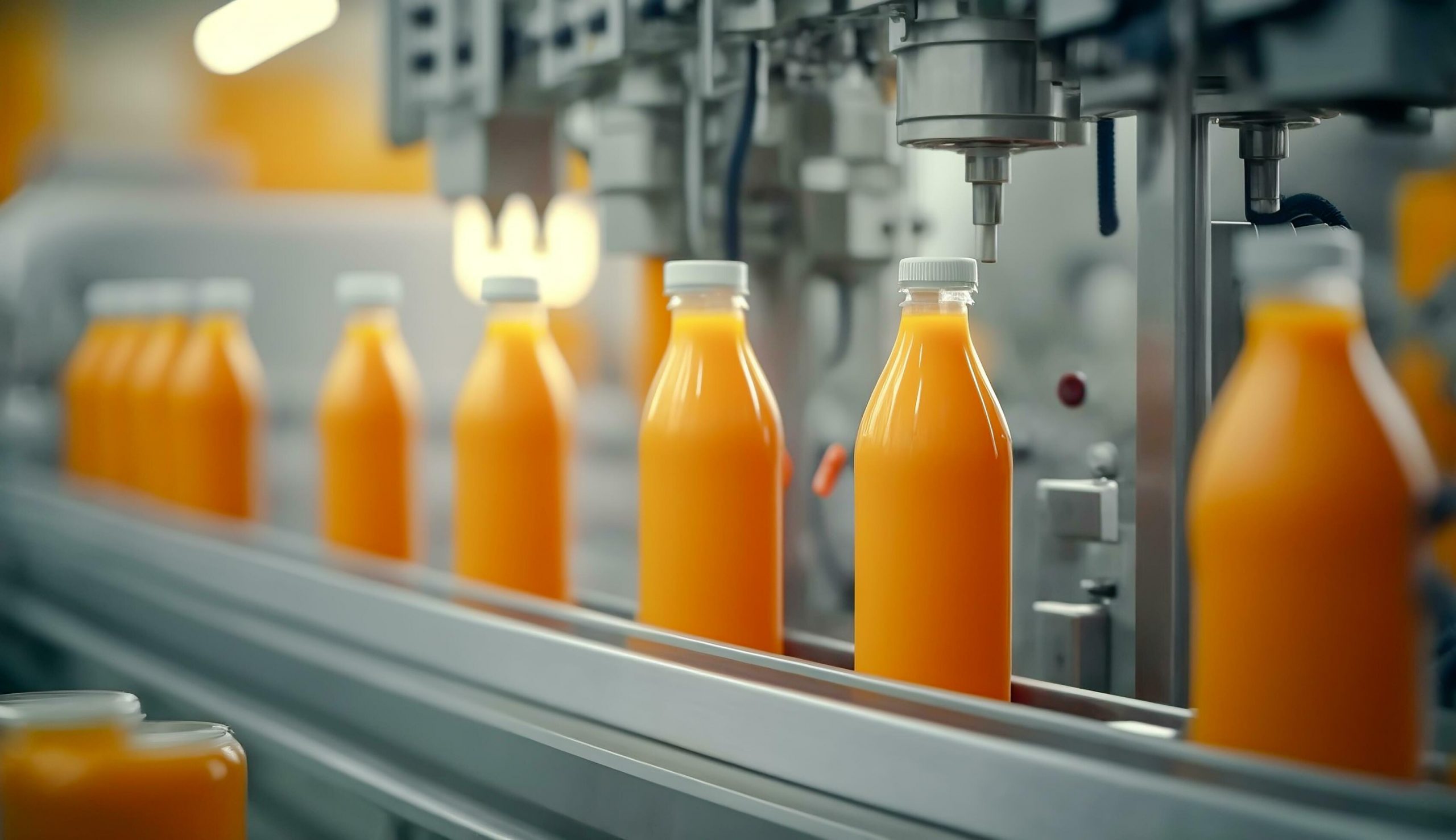
In the beverage industry, packaging is a crucial factor for a product’s successful market entry and consumer appeal. Choosing the right beverage packaging equipment is an essential step to ensure efficient production and quality assurance. Below, we’ll explore the cost and considerations for procuring beverage packaging equipment.
1. Components of Equipment Costs: The cost of beverage packaging equipment includes the purchase cost of the equipment itself, as well as other associated expenses such as installation, training, maintenance, and operational costs. Different types of packaging equipment (e.g., bottle, can, carton) and varying scales of production can impact the costs.
2. Equipment Type and Scale: The type and scale of beverage packaging equipment depend on the product type and production volume. High-speed automated production lines typically require larger investments but can enhance production efficiency. Meanwhile, medium to small-scale lines might be more suitable for startups or smaller production operations.
3. New vs. Used Equipment: Purchasing new equipment may involve higher initial investments, but it often comes with a longer lifespan and lower maintenance costs. Opting for used equipment might reduce initial costs, but factors such as equipment condition, maintenance history, and potential repair costs need to be considered.
4. Supplier Selection: Choosing reliable suppliers is crucial. They should offer high-quality equipment, after-sales services, and technical support. Investigating supplier reputation, customer feedback, and industry standing ensures the selection of suitable partners.
5. Operating Costs: Apart from purchase costs, operational expenses must be considered. These include energy consumption, maintenance, component replacements, and labor costs. Maintaining equipment to ensure efficient operation is critical to reducing operating costs.
6. Technological Innovation: With continuous technological innovation, newer packaging equipment models might offer higher efficiency and additional features. Despite potentially higher initial investments, they could yield returns over the long term by improving production efficiency and reducing waste.
7. Regulations and Safety Requirements: When purchasing packaging equipment, compliance with local regulations and safety requirements is essential. This can influence equipment design and configuration, thus impacting costs.
In conclusion, the cost of beverage packaging equipment involves multiple factors. During the procurement process, it’s crucial to consider equipment type, scale, supplier reliability, operating costs, and technological innovations. This ensures the selection of equipment that best suits the company’s needs and contributes to successful and efficient production in a competitive market.
Talk to our engineering team
Need help planning your packaging line?
Share your product, bottle and capacity requirements for a practical equipment recommendation.
Equipment
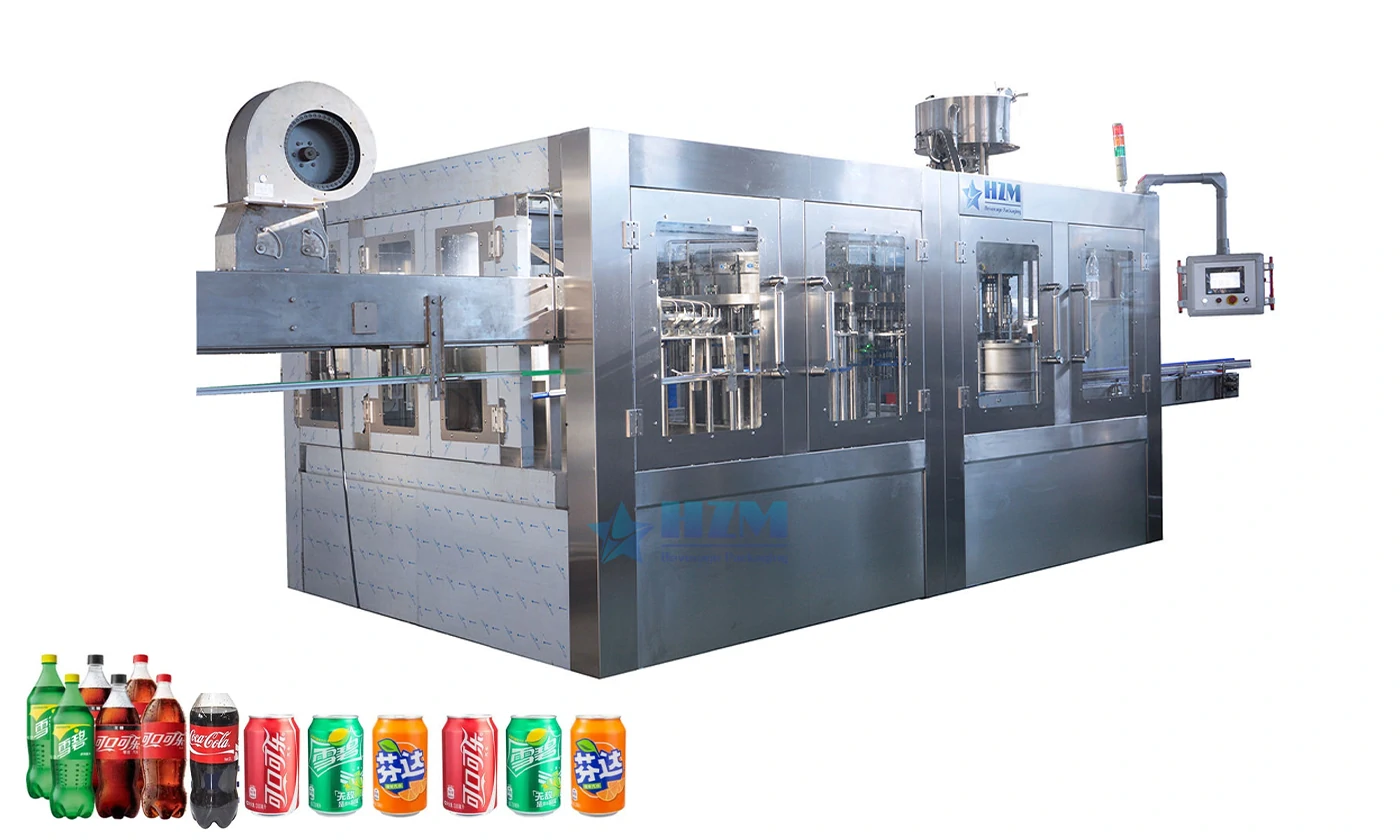
Beverage Packaging Machine for Juice, Soft Drinks, Carbonated Drinks, and Energy Drink
This Beverage Packaging Machine for Juice, Soft Drinks, Carbonated is configured for carbonated soft drinks, soda water and other sparkling beverages; final scope follows…
Learn more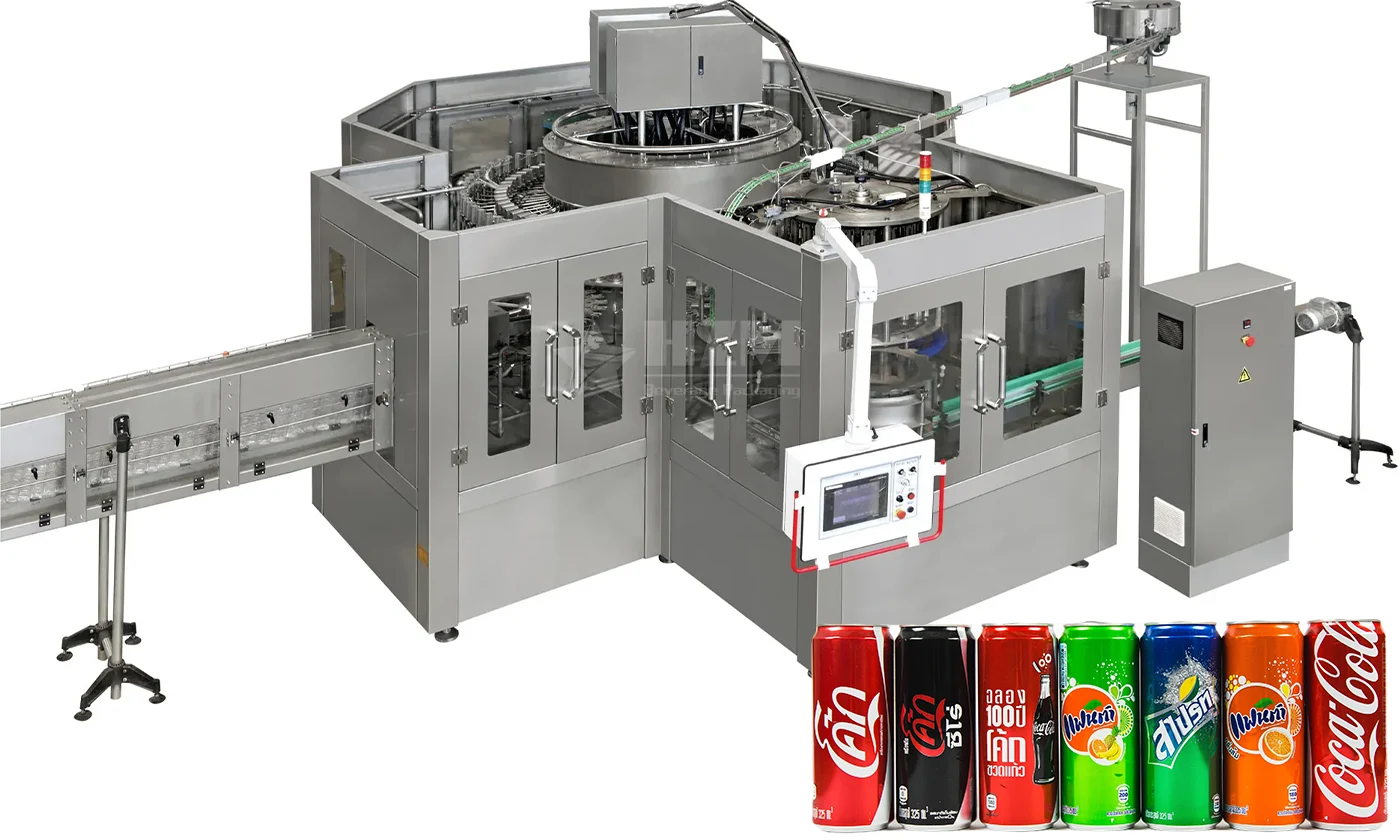
Equipment
Beverage Can Packaging machine
This Beverage Can Packaging machine is configured for carbonated drinks, Beer, Energy drink, Canned Beef, Chili sauce etc at 5000BPH–36000BPH; final scope follows the…
Learn more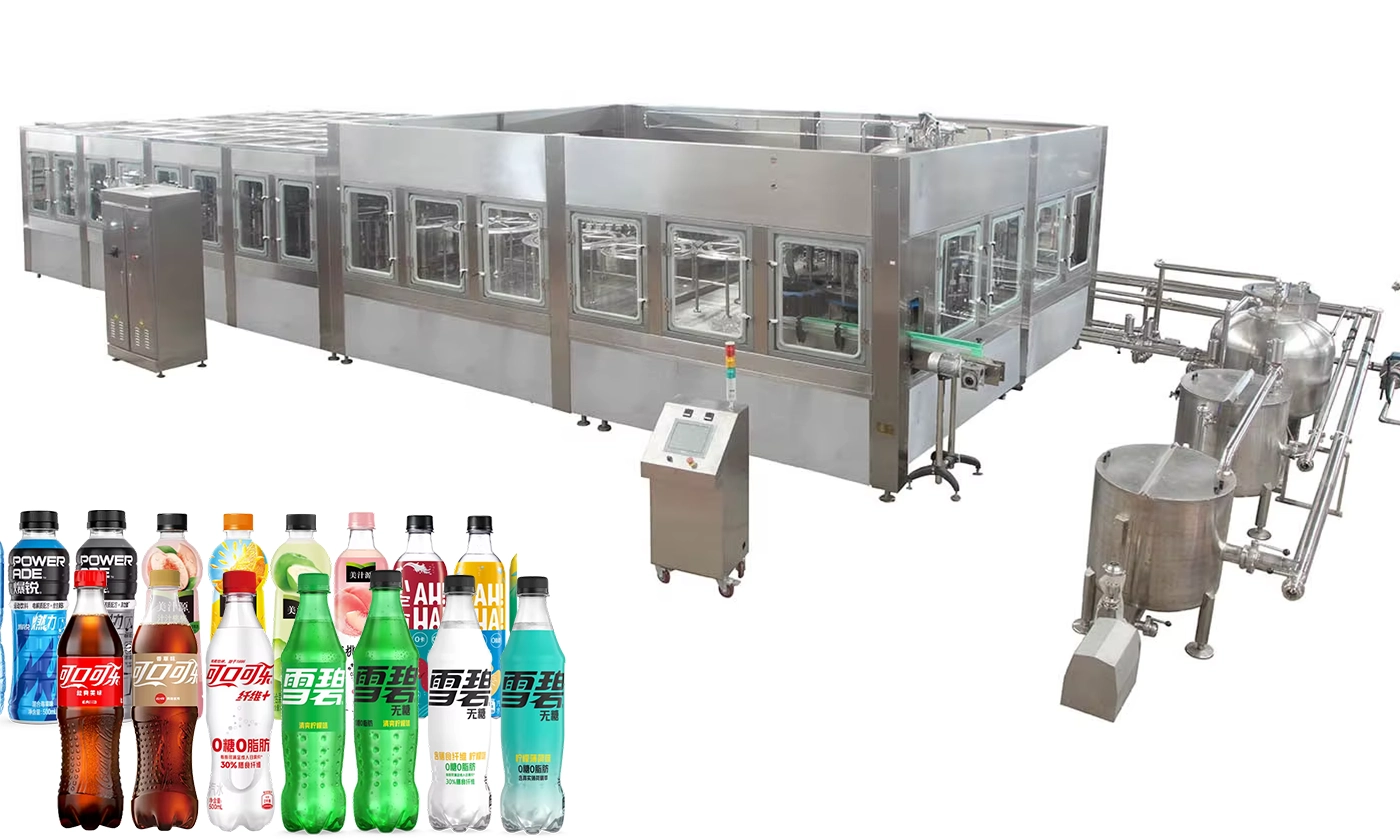
Equipment
Cold Drink Bottle Packing Machine
This Cold Drink Bottle Packing Machine is configured for carbonated drinks, Mineral water, soda water, Juice drinks, Beer, etc at 2000–48000 BPH; final scope…
Learn more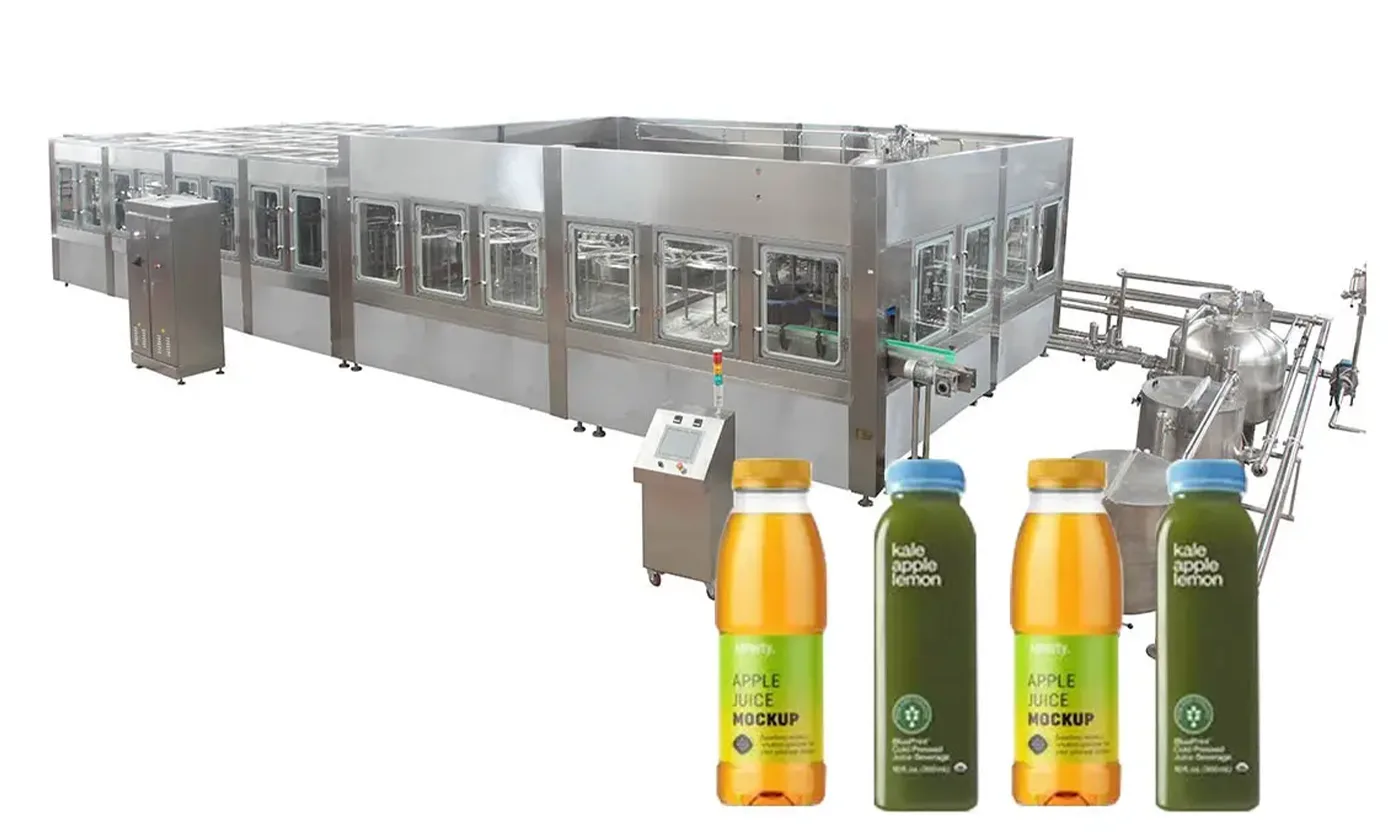
Equipment
Bottled Juice Packaging Machine
This Bottled Juice Packaging Machine is configured for juice, Milk, Still Drinks at 6,000BPH–18,000BPH; final scope follows the approved process, package and plant layout.
Learn more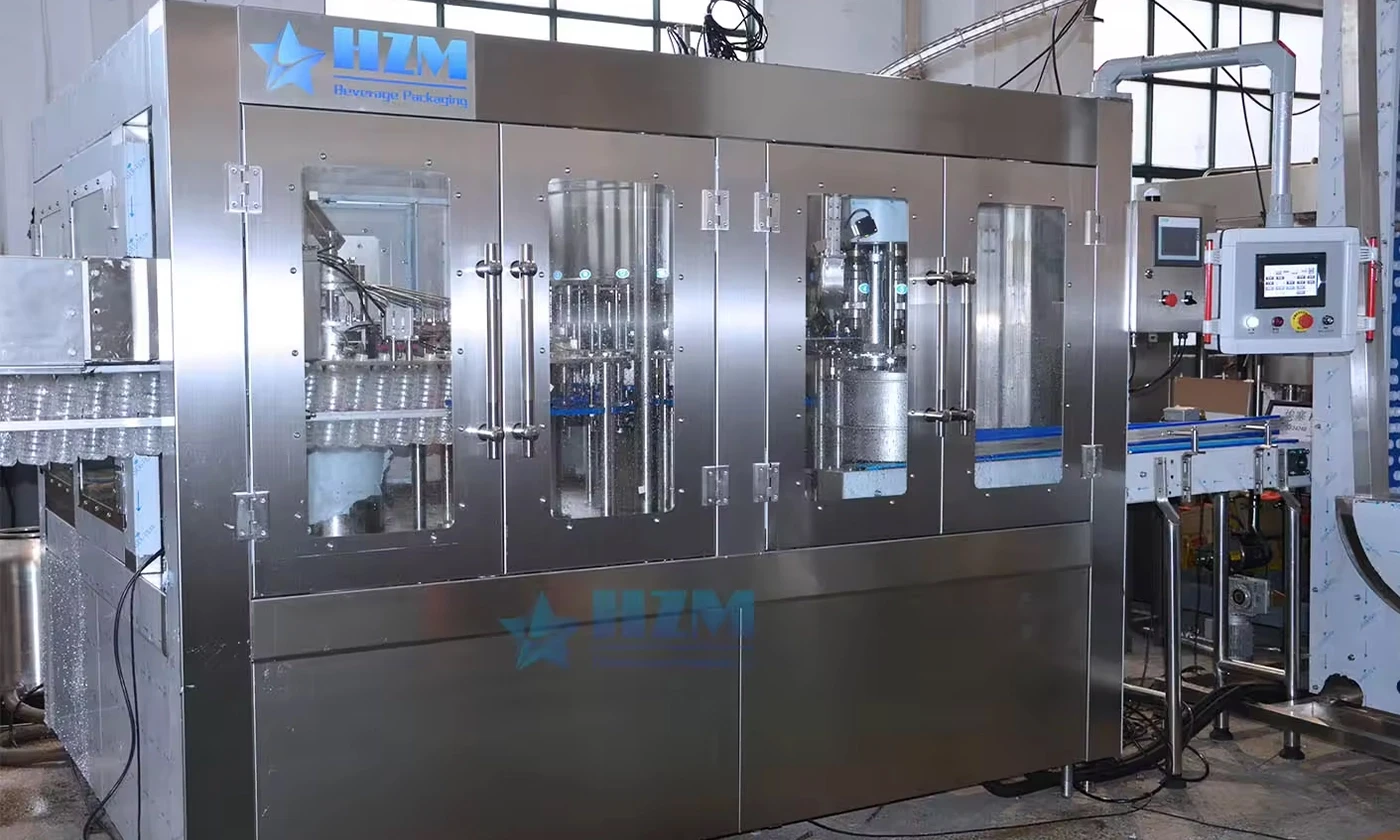
2026-08-23
Bottle Rinser Has Low Spray Pressure: Causes and Repair Steps
Check whether the loss affects the entire rinser or only several nozzles. System-wide loss points to supply, pump, filter or valve problems; a local pattern points to blocked nozzles, damaged tubing or a misaligned bottle. Follow this practical fault-isolation, repair and prevention guide for bottling-line operators and maintenance teams.
Learn more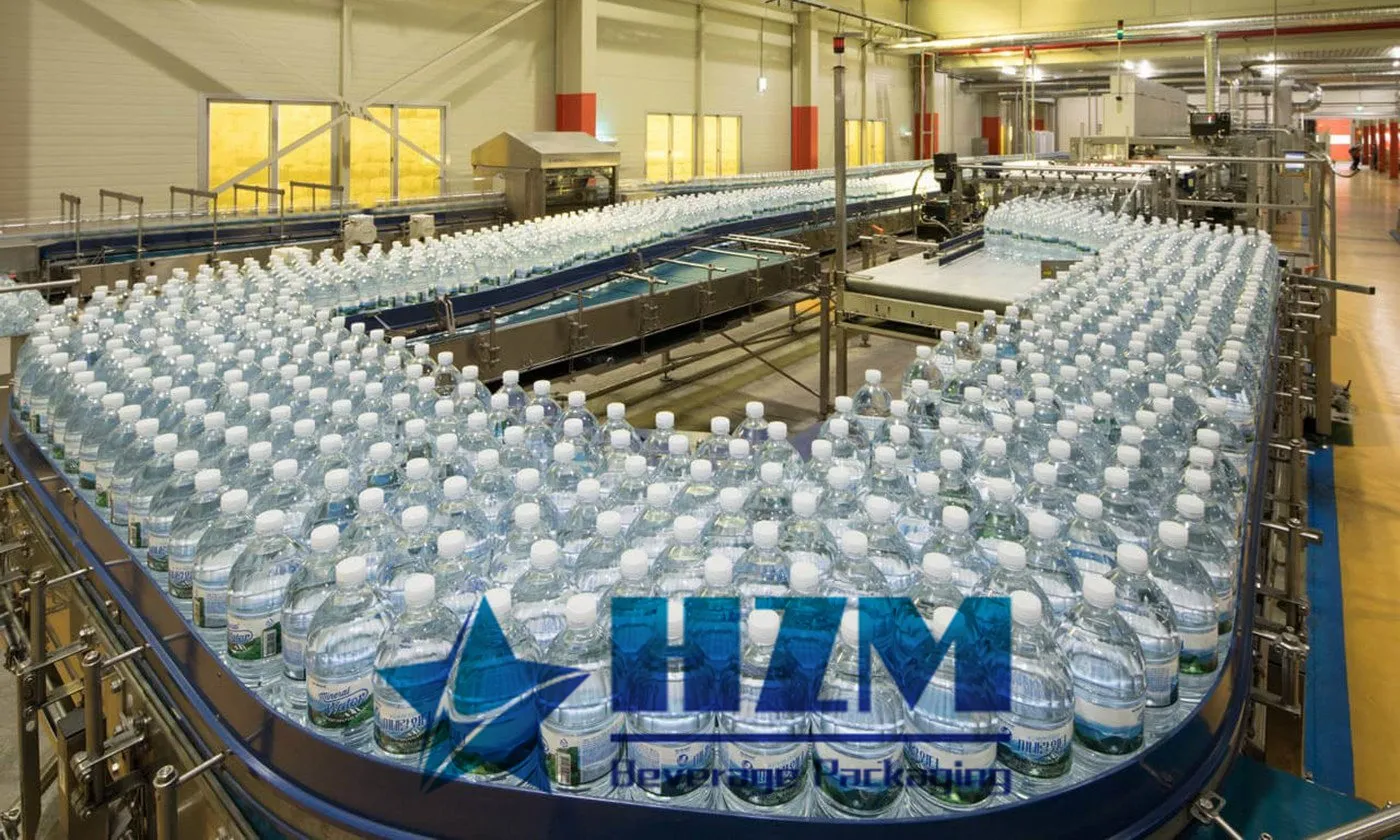
2026-08-20
Bottle Conveyor Jams at the Same Location Every Shift
Mark the first contact point and inspect guide transitions, chain condition, dead plates, speed change, bottle dimensions, lubrication and upstream accumulation. The pile-up often occurs downstream of the actual interference. Follow this practical fault-isolation, repair and prevention guide for bottling-line operators and maintenance teams.
Learn more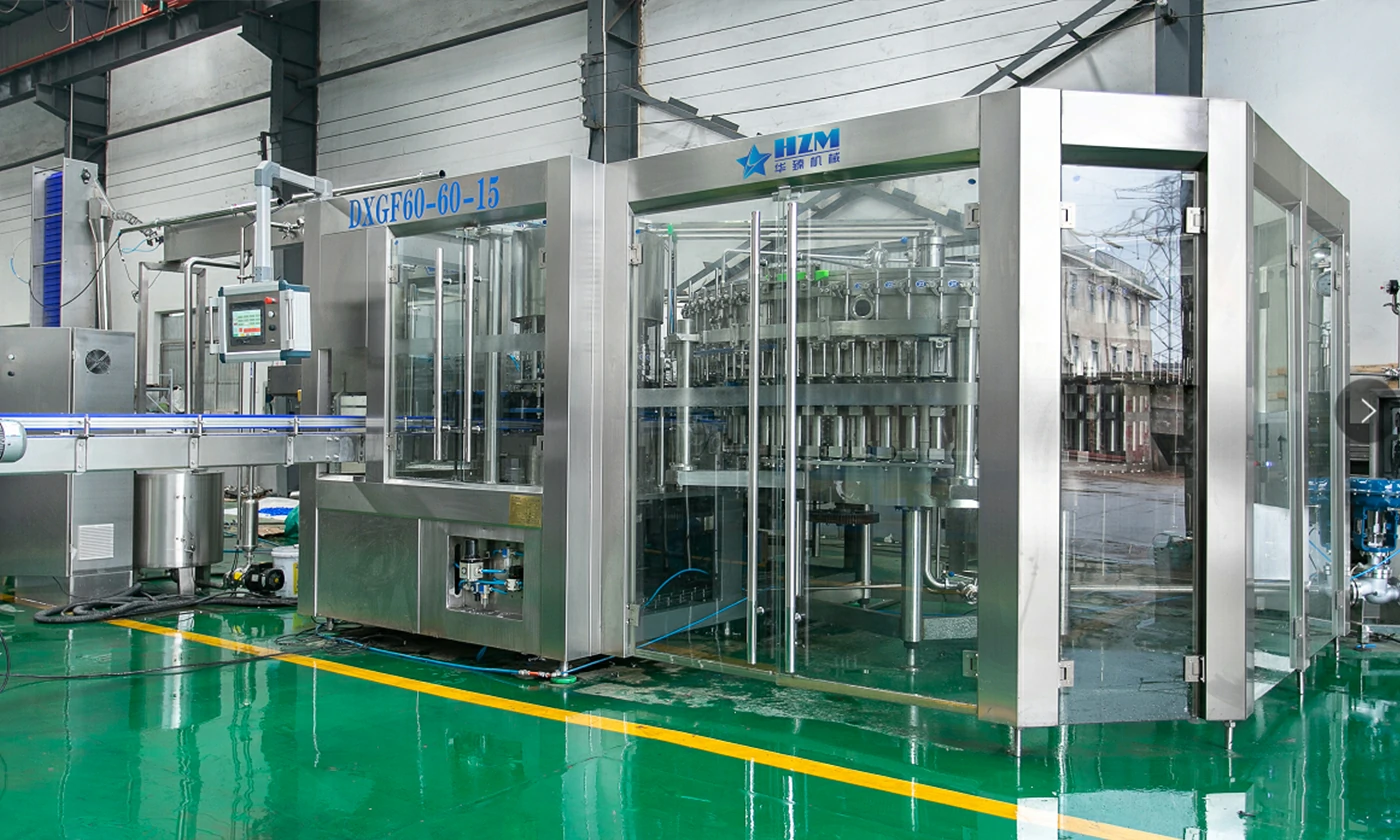
2026-08-16
Glass Bottle Fill Levels Vary by Valve: How to Isolate the Fault
Map the defect by filling valve and bottle lot. Verify bottle internal-volume variation, lift and seal condition, vent-tube depth, valve cleanliness, tank level and product pressure before altering the global fill-height setting. Follow this practical fault-isolation, repair and prevention guide for bottling-line operators and maintenance teams.
Learn more
2026-08-12
FAT and SAT Checklist for a Turnkey Beverage Filling Line
Define factory and site acceptance tests for speed, quality, changeover, utilities, documents, safety, training and final line performance.
Learn more
2026-08-11
Filling Machine Spare Parts: Build a Risk-Based Inventory and PM Plan
Classify critical filling-line spares by failure impact, lead time and wear rate, then connect inventory with preventive maintenance and usage records.
Learn more
2026-08-10
Beverage Plant Utilities Checklist Before Equipment Installation
Prepare electricity, compressed air, water, steam, cooling, drains, floor loads, ventilation and access before a beverage line arrives.
Learn more