
Insights & Updates
Canning Machine for Beverage Cans: A Marvel of Efficiency
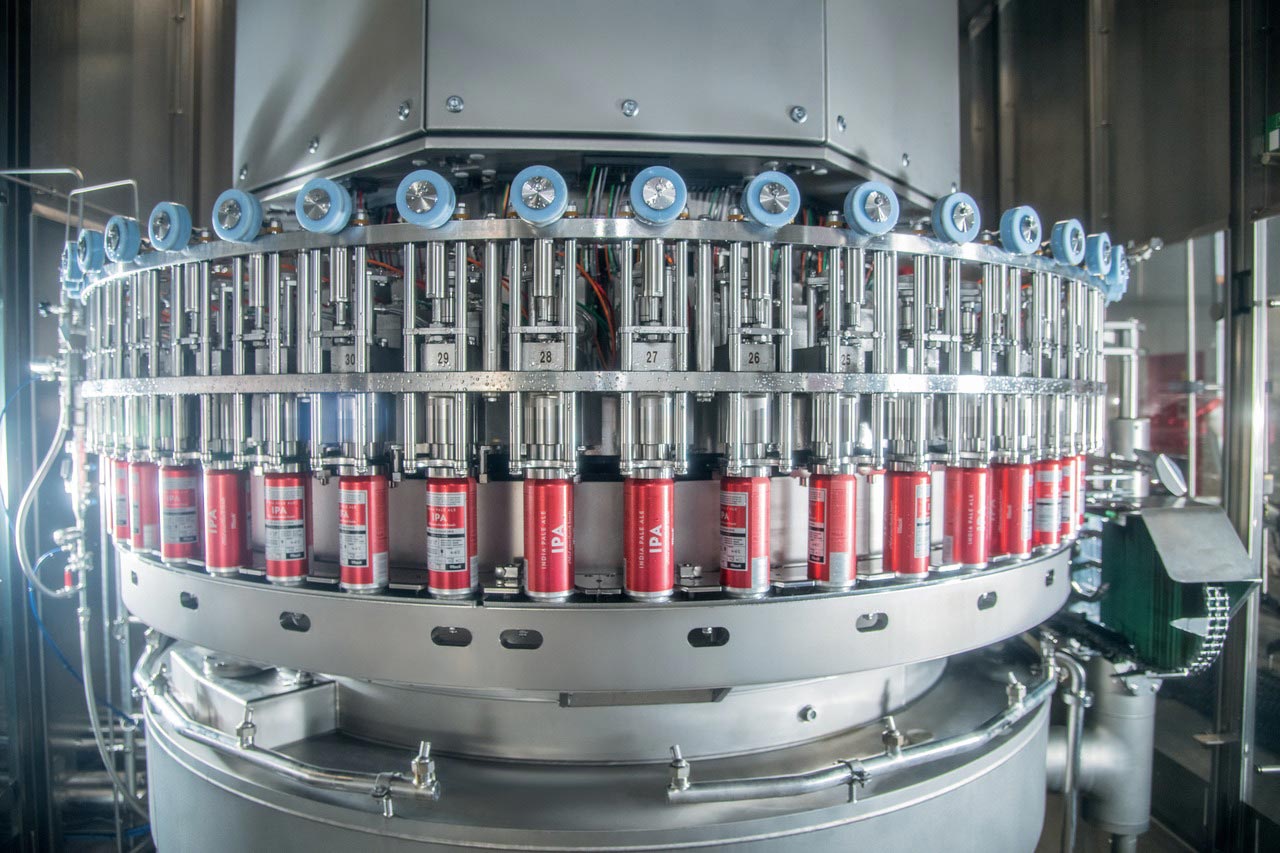
Canning machines for beverage cans have become the go-to choice for efficient beverage production. In this article, we will introduce beverage cans and their canning machines, and provide a table showcasing the bottle capacities and hourly output of these canning machines.
Beverage cans, as the name suggests, are convenient, easily openable, and closable metal containers. Typically made of aluminum or steel, they offer advantages such as lightweight, durability, ease of transport, and storage. Their tightly sealed design ensures freshness and hygiene of the beverages inside. Whether it’s carbonated drinks, fruit juices, energy drinks, or beer, beverage cans provide a convenient packaging and consumption solution.
To meet market demands, modern beverage manufacturers widely employ canning machines for beverage cans. These machines automate the process of filling the beverage from storage tanks into the cans, followed by sealing and packaging. Can filling machines greatly enhance production efficiency and product consistency, reducing human errors and unhygienic factors associated with manual operations. Moreover, these machines offer adjustable speed and precise control over filling volumes to accommodate various specifications and requirements of beverage production.
Below is a table presenting the bottle capacities and hourly output of canning machines for beverage cans:
| Bottle Capacity (milliliters) | Hourly Output (units) |
|---|---|
| 250 | 6000 |
| 330 | 5000 |
| 500 | 4000 |
| 750 | 3000 |
From the table above, we can observe that canning machines for beverage cans are capable of accommodating different bottle capacities, while meeting the required hourly production rates. Whether it’s a small 250-milliliter can or a large 750-milliliter one, these machines reliably complete the filling tasks.
The widespread adoption of canning machines for beverage cans not only improves production efficiency but also significantly shortens production cycles, enabling beverage companies to meet market demands more swiftly. Furthermore, these canning machines ensure hygiene and consistent quality of beverages through automated operations and stringent quality control measures, thus earning consumer trust and accolades.
In conclusion, canning machines for beverage cans play an indispensable role in modern beverage production, providing tremendous benefits to beverage companies. Their ability to handle different bottle capacities and achieve high hourly output makes production lines more efficient and flexible, offering consumers a superior product experience. With continued technological advancements and innovations in canning machine technology, these machines will continue to play a vital role in the beverage industry, fostering further innovation and development opportunities.
Talk to our engineering team
Need help planning your packaging line?
Share your product, bottle and capacity requirements for a practical equipment recommendation.
Equipment
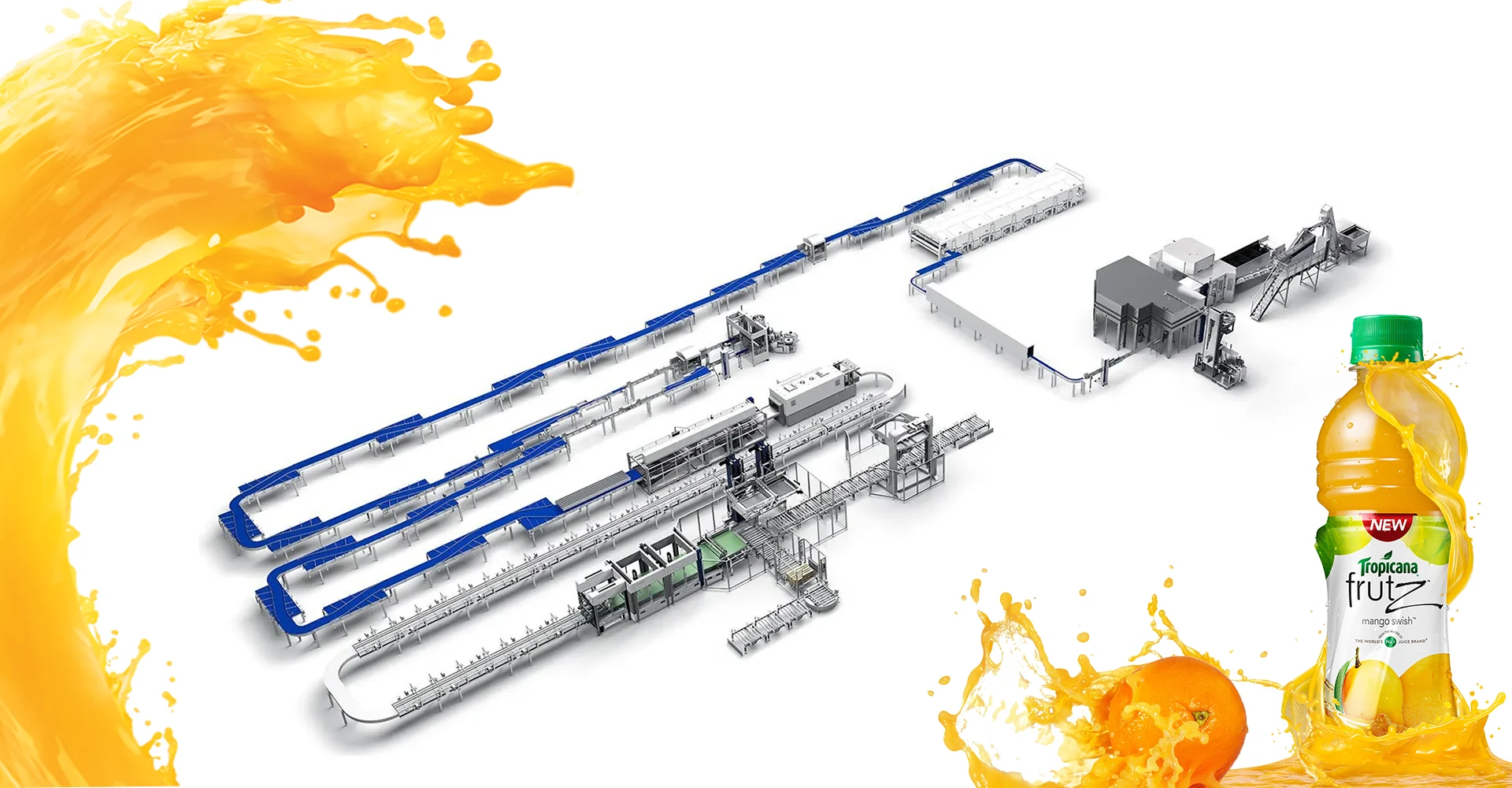
Beverage Filling Machine & Turnkey Filling Line for Juice, Soft Drinks and Cans
This Beverage Filling Machine & Turnkey Filling Line for Juice is configured for juice, tea, carbonated soft drinks, energy drinks, water and beer at…
Learn more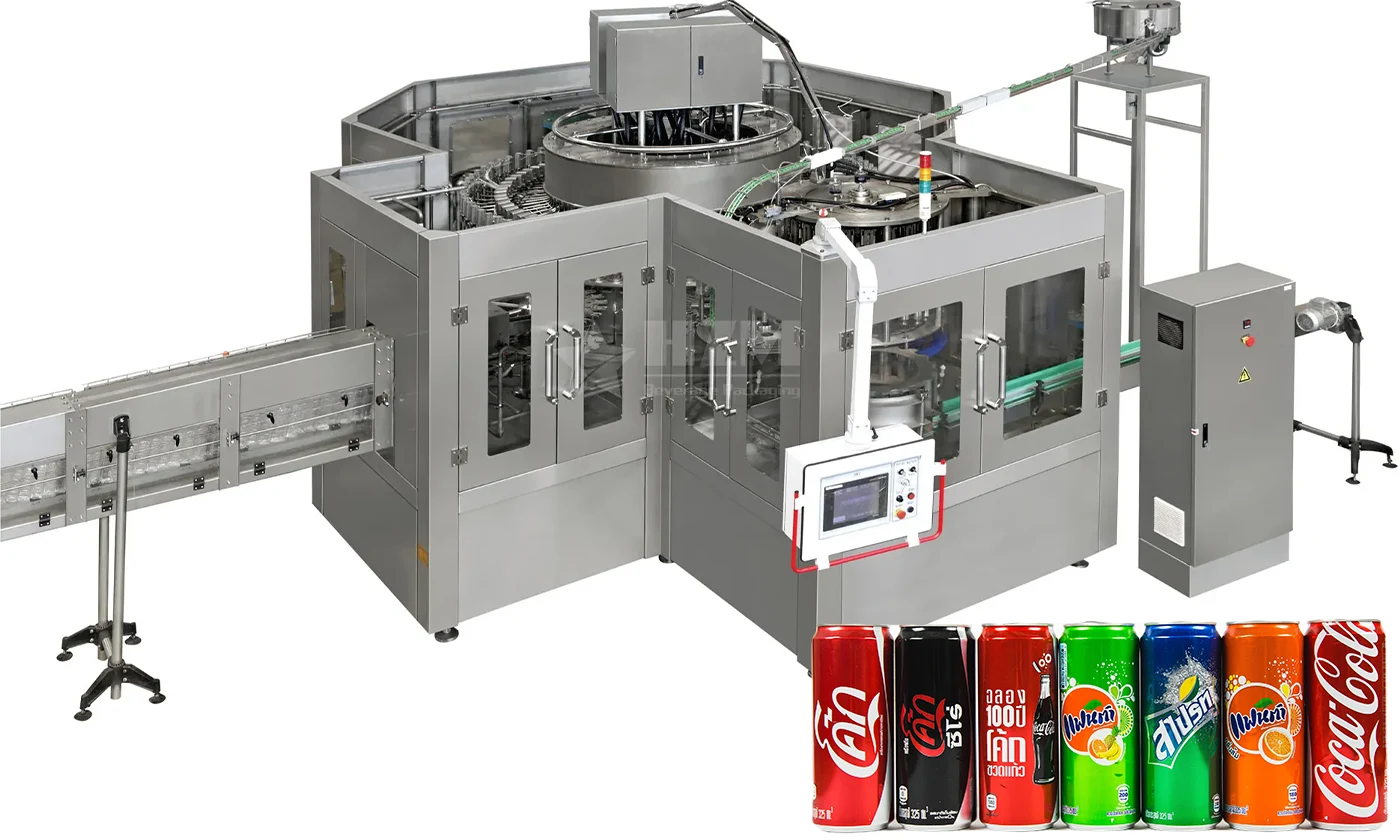
Equipment
Beverage Can Packaging machine
This Beverage Can Packaging machine is configured for carbonated drinks, Beer, Energy drink, Canned Beef, Chili sauce etc at 5000BPH–36000BPH; final scope follows the…
Learn more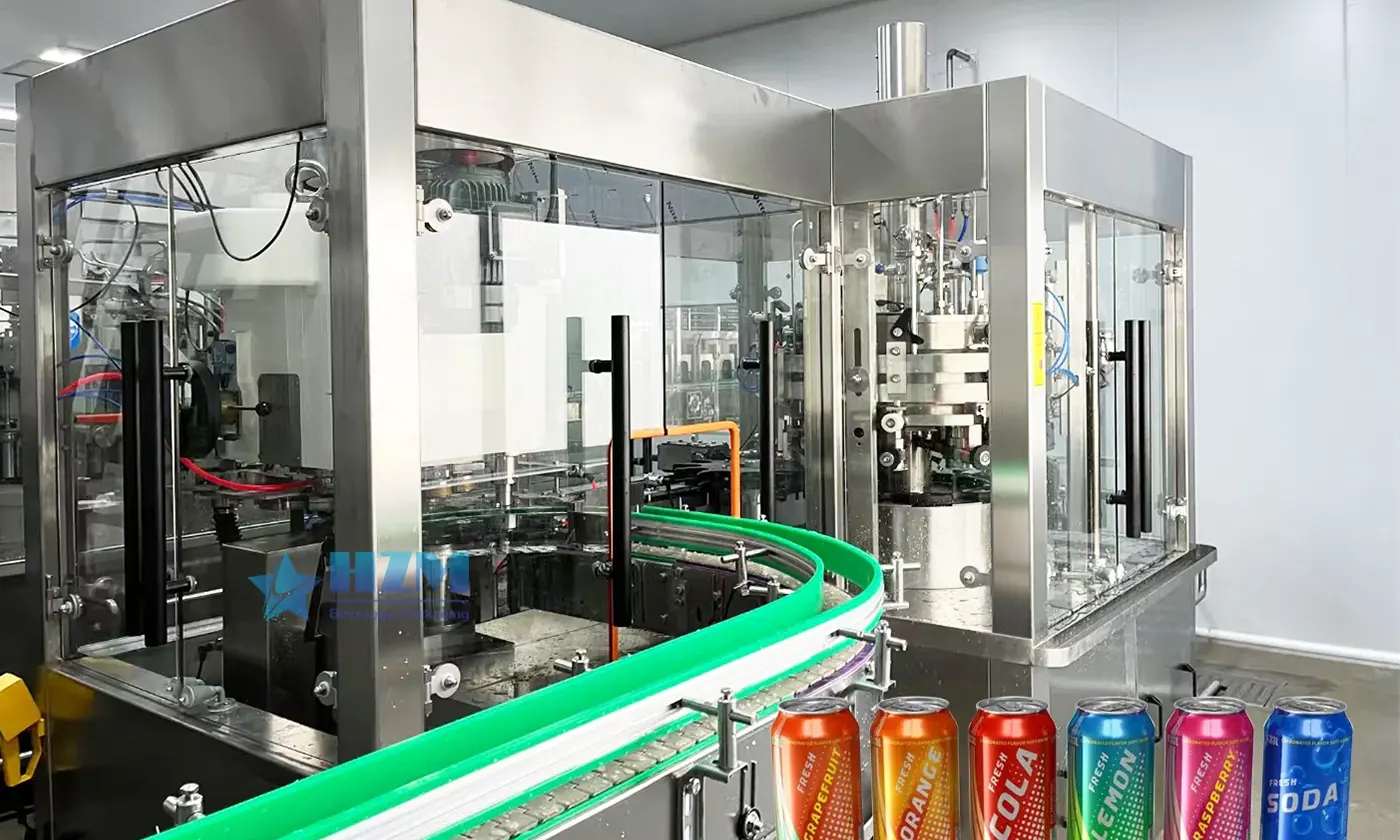
Equipment
Aluminum Can Filling Machine
This Aluminum Can Filling Machine is configured for carbonated Beverage, Beer, COLA, Gas Water at 4000–36000 Bottles Per Hour; final scope follows the approved…
Learn moreEquipment
Carbonated Beverage Can Filling Machine
This Carbonated Beverage Can Filling Machine is configured for carbonated Beverage, Beer, Soft Drink; final scope follows the approved process, package and plant layout.
Learn more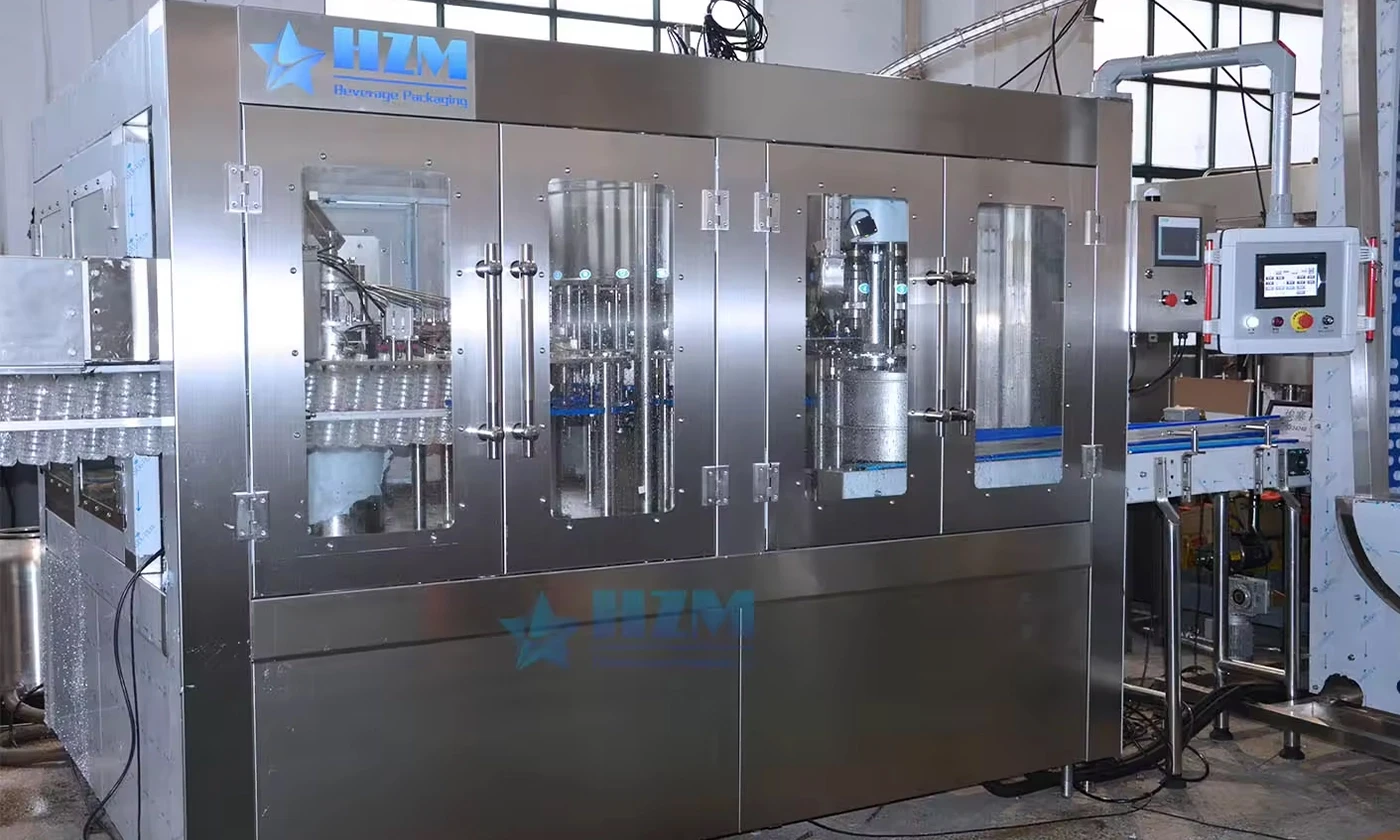
2026-08-23
Bottle Rinser Has Low Spray Pressure: Causes and Repair Steps
Check whether the loss affects the entire rinser or only several nozzles. System-wide loss points to supply, pump, filter or valve problems; a local pattern points to blocked nozzles, damaged tubing or a misaligned bottle. Follow this practical fault-isolation, repair and prevention guide for bottling-line operators and maintenance teams.
Learn more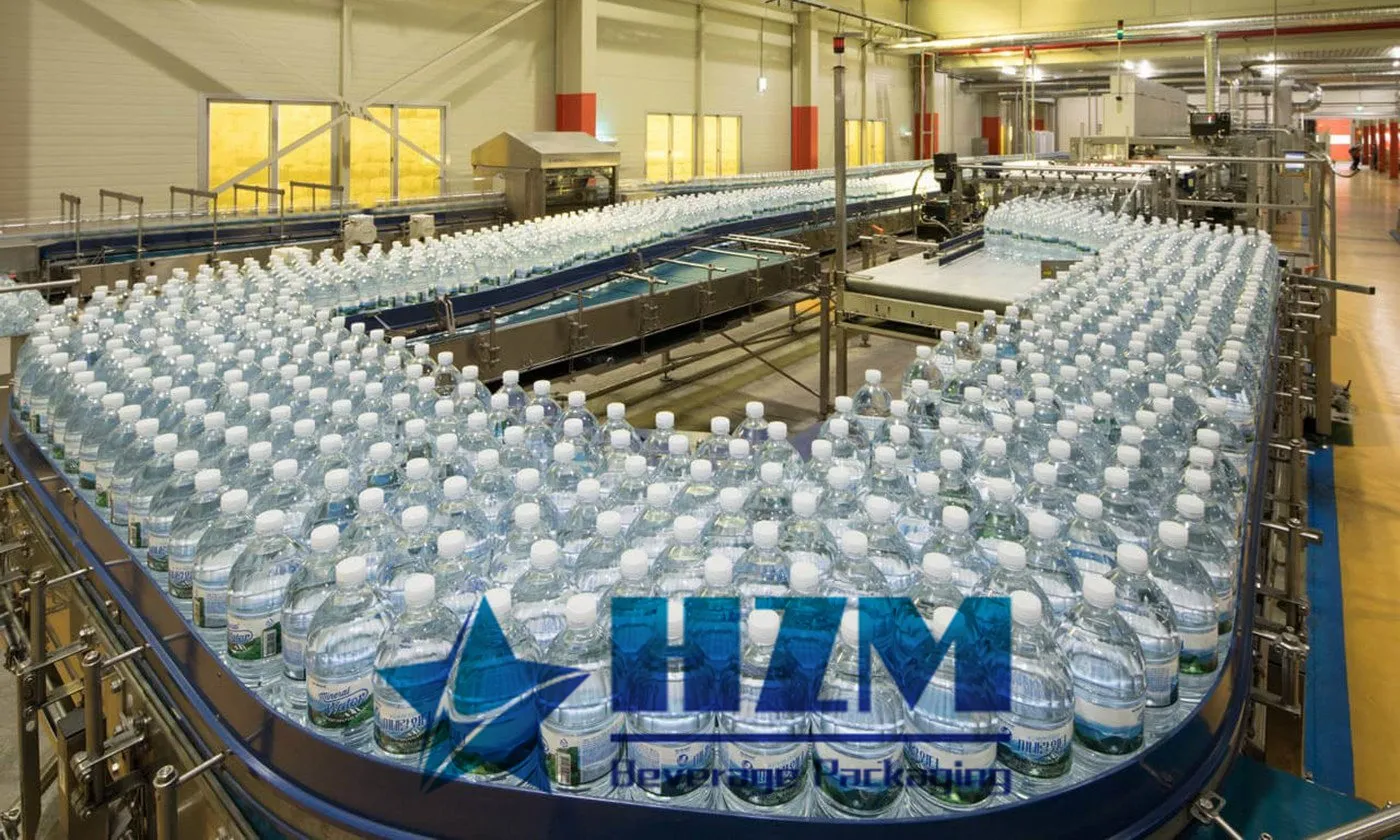
2026-08-20
Bottle Conveyor Jams at the Same Location Every Shift
Mark the first contact point and inspect guide transitions, chain condition, dead plates, speed change, bottle dimensions, lubrication and upstream accumulation. The pile-up often occurs downstream of the actual interference. Follow this practical fault-isolation, repair and prevention guide for bottling-line operators and maintenance teams.
Learn more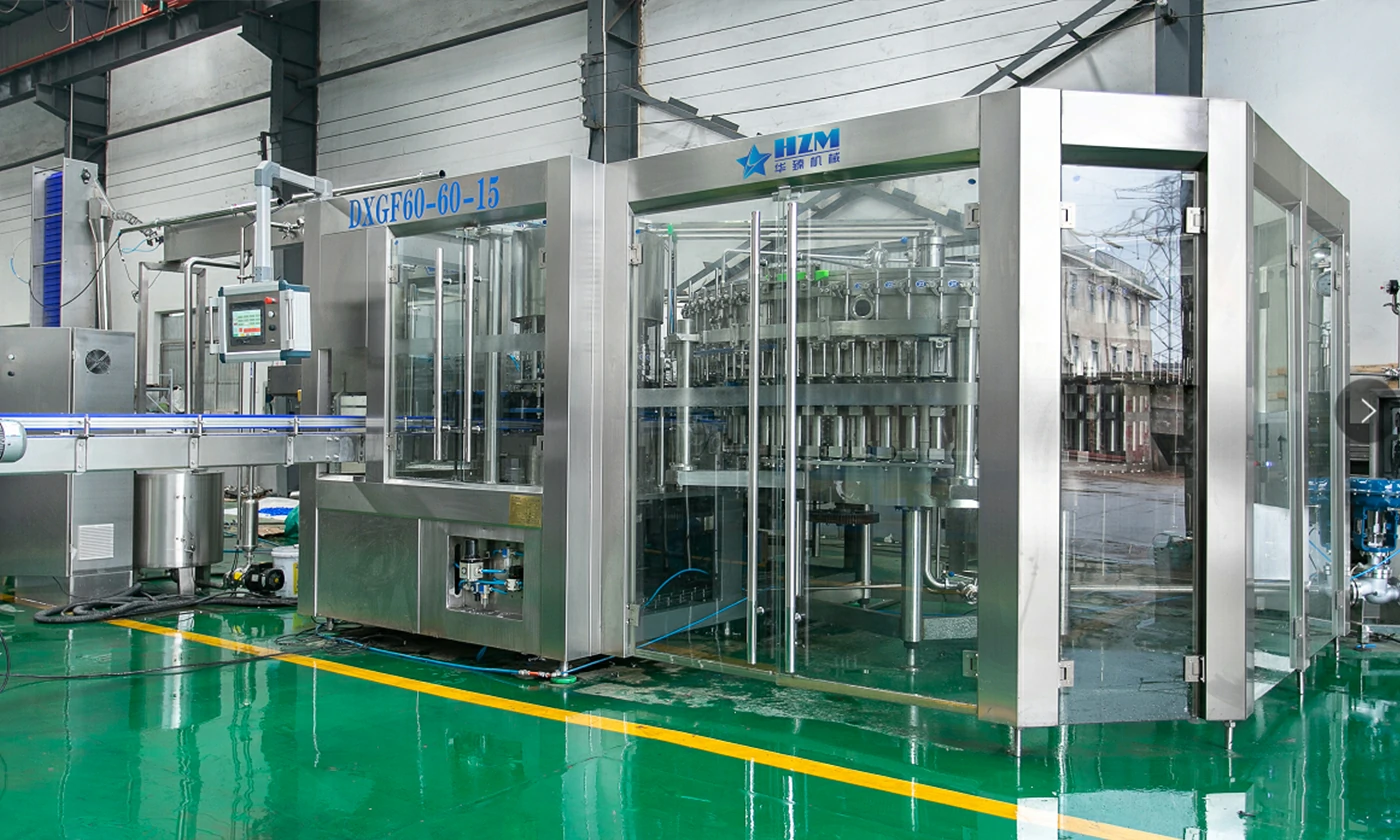
2026-08-16
Glass Bottle Fill Levels Vary by Valve: How to Isolate the Fault
Map the defect by filling valve and bottle lot. Verify bottle internal-volume variation, lift and seal condition, vent-tube depth, valve cleanliness, tank level and product pressure before altering the global fill-height setting. Follow this practical fault-isolation, repair and prevention guide for bottling-line operators and maintenance teams.
Learn more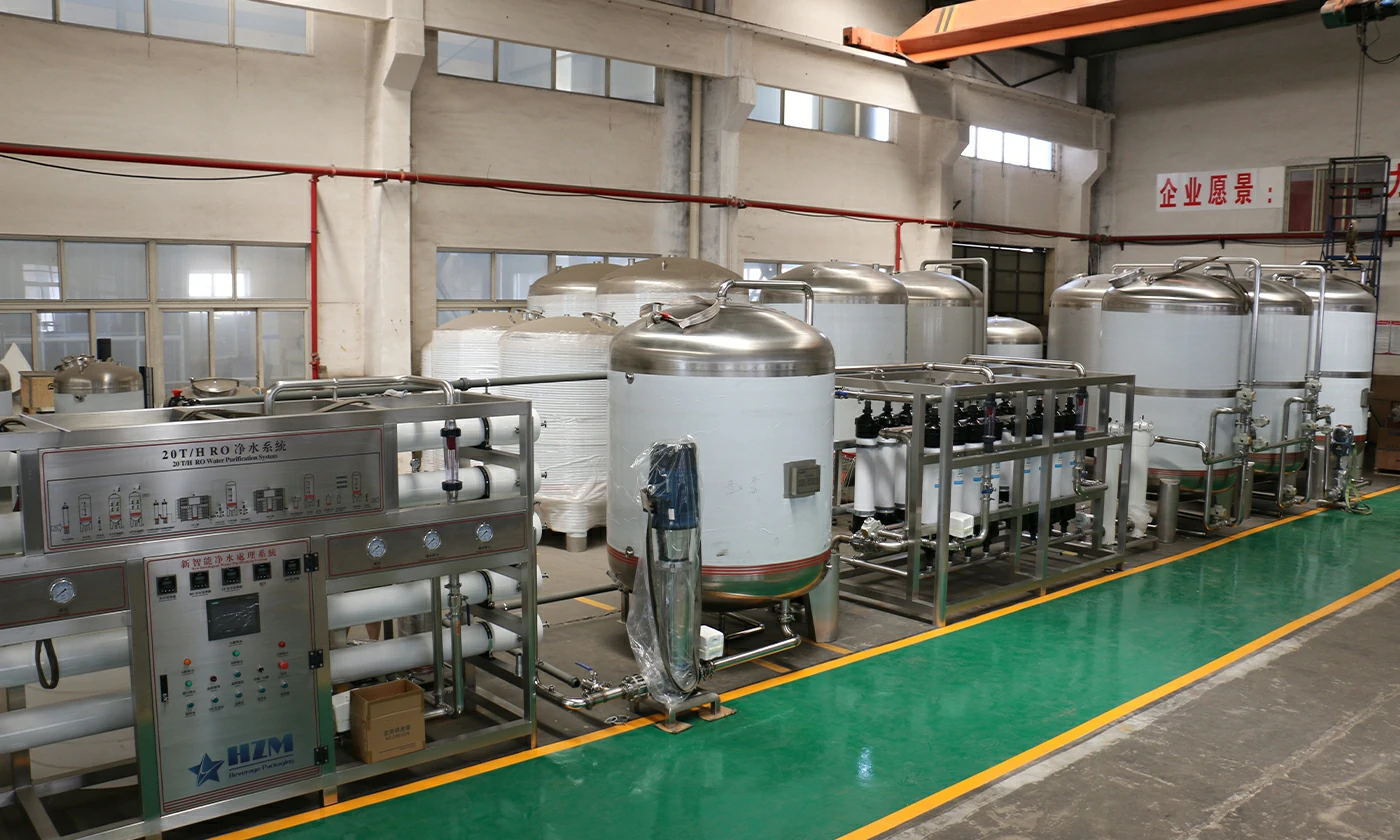
2026-08-12
FAT and SAT Checklist for a Turnkey Beverage Filling Line
Define factory and site acceptance tests for speed, quality, changeover, utilities, documents, safety, training and final line performance.
Learn more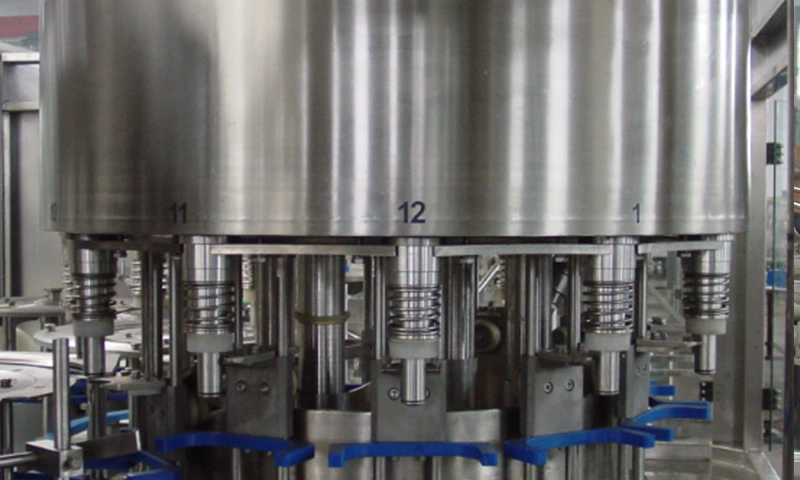
2026-08-11
Filling Machine Spare Parts: Build a Risk-Based Inventory and PM Plan
Classify critical filling-line spares by failure impact, lead time and wear rate, then connect inventory with preventive maintenance and usage records.
Learn more2026-08-10
Beverage Plant Utilities Checklist Before Equipment Installation
Prepare electricity, compressed air, water, steam, cooling, drains, floor loads, ventilation and access before a beverage line arrives.
Learn more