
Insights & Updates
Basic Principles of Beer Packaging
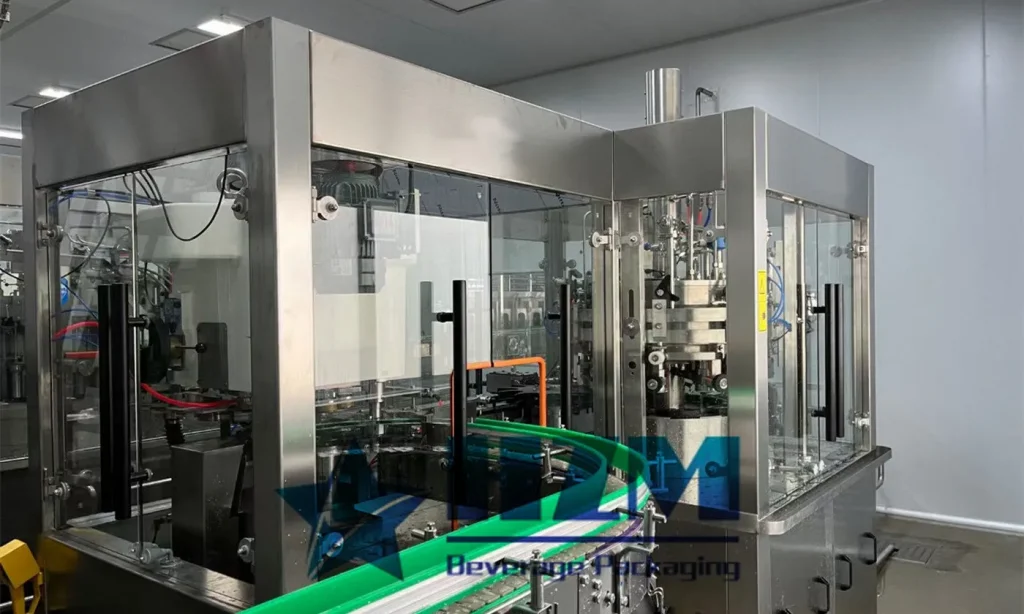
The beer packaging process is a complex step in the beer production, serving as the final stage that significantly impacts the quality of the end product and its sales. Filtered beer is transferred into bottles, cans, or kegs, and undergoes processes such as capping, biostabilization treatment, labeling, and boxing to become the finished beer product or is directly sold as such. Generally, beer that has undergone pasteurization is referred to as “mature beer,” while beer that hasn’t undergone pasteurization but has been subjected to sterile filtration and aseptic filling is known as “draft beer” or “craft beer.”
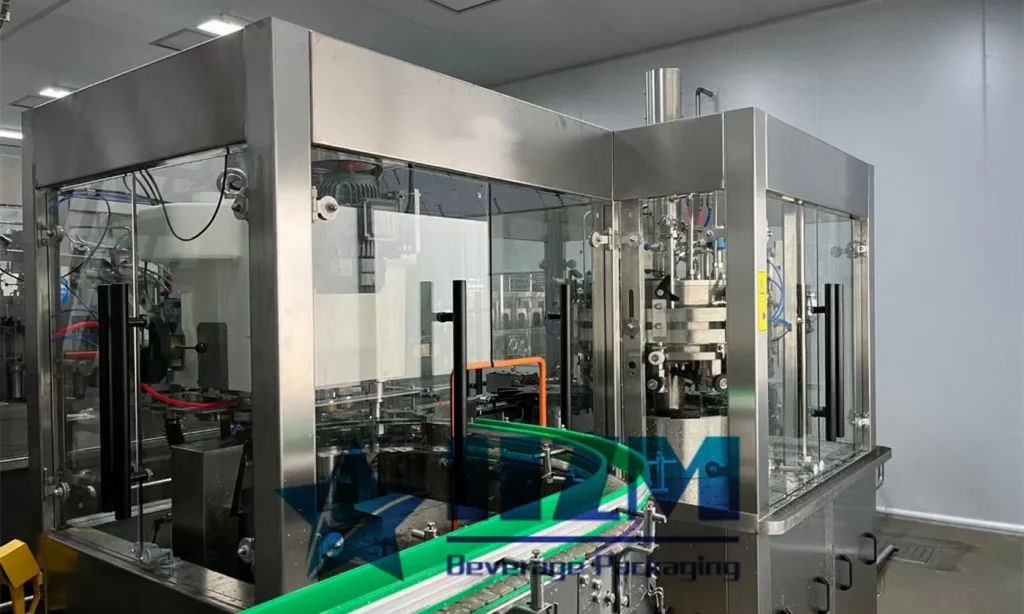
The beer packaging process must adhere to the following basic principles
(1) Minimize oxygen exposure as much as possible, as even small amounts of oxygen can have a significant impact on beer quality. The allowable oxygen uptake during packaging should not exceed 0.02 to 0.04 mg/L.
(2) Reduce carbon dioxide loss to the minimum to ensure good taste and foam characteristics of the beer.
(3) Implement strict aseptic procedures to prevent beer contamination and ensure compliance with hygiene requirements.
Quality requirements for packaging containers
(1) Capable of withstanding a certain pressure. Containers for packaging mature beer should withstand pressures of 1.76 MPa or more, while containers for packaging draft beer should withstand pressures of 0.294 MPa or more.
(2) Easy to seal.
(3) Resistant to a certain level of acidity and free from alkaline substances that might react with the beer.
(4) Generally, containers should have good light-shielding properties to prevent light from affecting beer quality. Typically, green or brown glass bottles, plastic containers, or metal containers are chosen. Clear glass bottles can also be used when substituting tetrahydroisomerized hop extract for whole hops or pellet hops.
Talk to our engineering team
Need help planning your packaging line?
Share your product, bottle and capacity requirements for a practical equipment recommendation.
Equipment
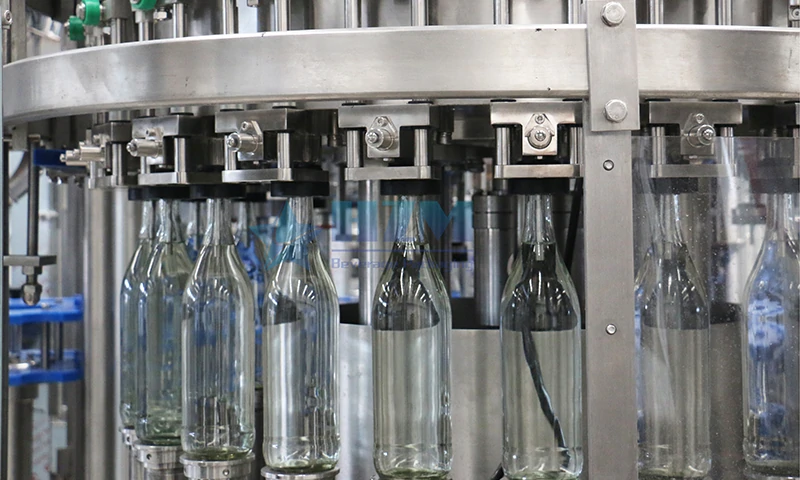
Glass Bottle CSD & Water Drinks Filling Machine
This Glass Bottle CSD & Water Drinks Filling Machine is configured for carbonated soft drinks, soda water and other sparkling beverages at 4000BPH–6000 BPH;…
Learn more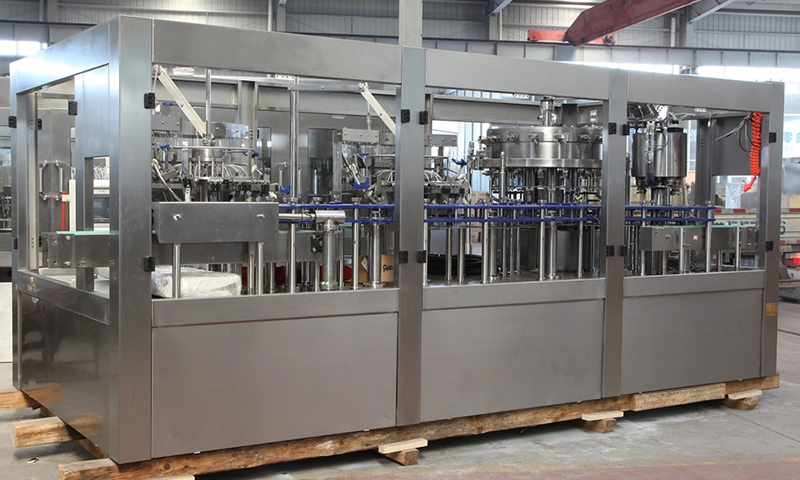
Equipment
Glass Bottle Filling Machine – DXGF14-12-5
This Glass Bottle Filling Machine is configured for the approved liquid product and package range at 2000–3000 BPH; final scope follows the approved process,…
Learn more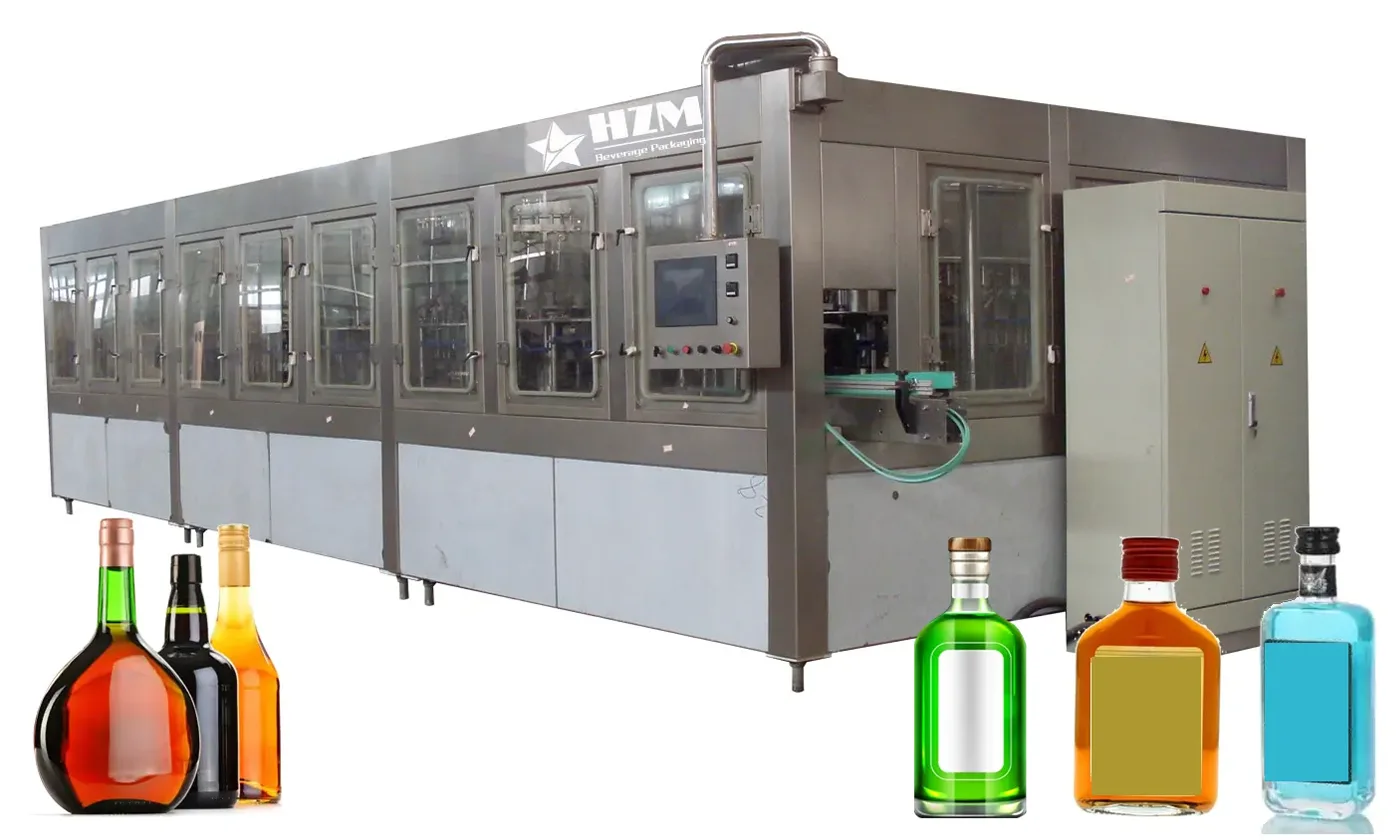
Equipment
Automatic Glass Wine Bottle Filling Machine
This Automatic Glass Wine Bottle Filling Machine is configured for beer, Grape Wine, Vodka Wine, Cocktail, Juice, Beverage at 8000–21000 Bottles/Hour; final scope follows…
Learn more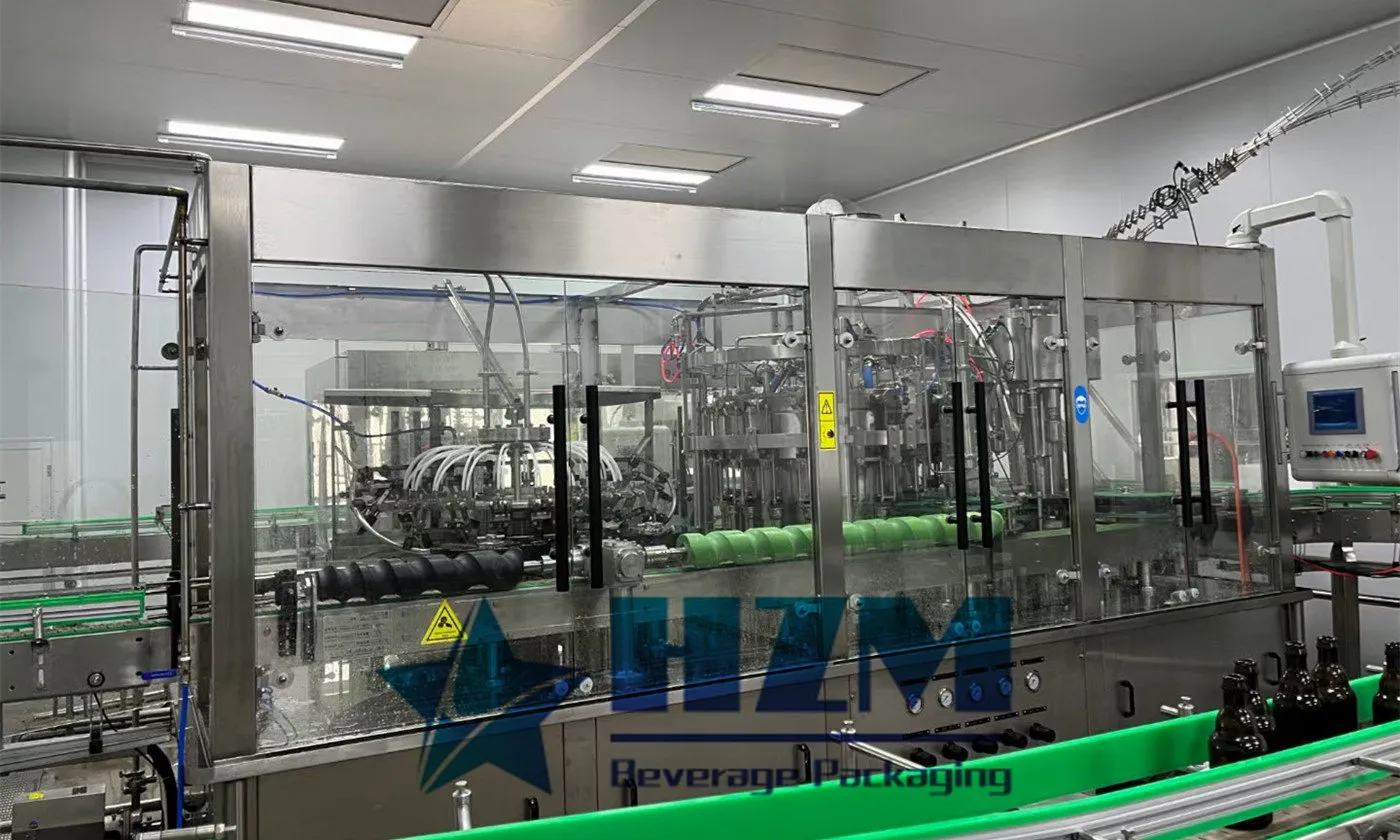
Equipment
Craft Beer Can Filling Machine
This Craft Beer Can Filling Machine is configured for beer and compatible carbonated beverages at 5000BPH; final scope follows the approved process, package and…
Learn more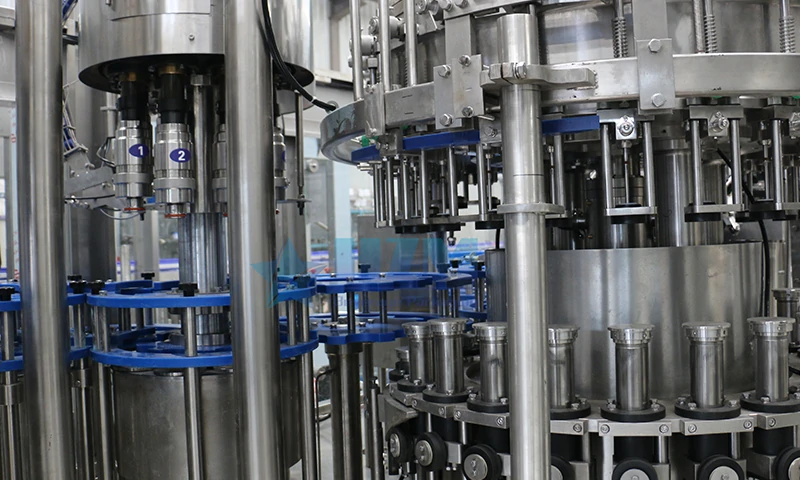
2026-09-02
Custom Plastic and Hardware Components Used in Beverage Packaging Machinery
Learn how plastic injection molded parts and custom hardware components are selected, manufactured and inspected for beverage filling and packaging machinery.
Learn more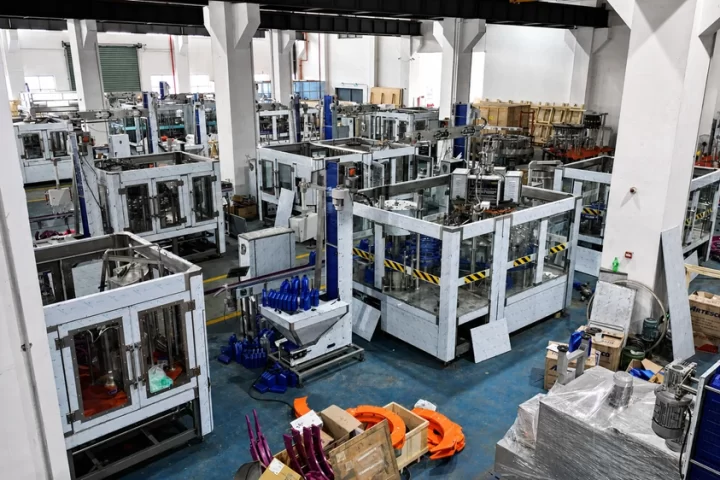
2026-09-02
How to Plan Safe Access for Beverage Production Line Installation and Maintenance
Practical guidance on planning operating platforms, walkways and temporary access for beverage production line installation, inspection, cleaning and maintenance.
Learn more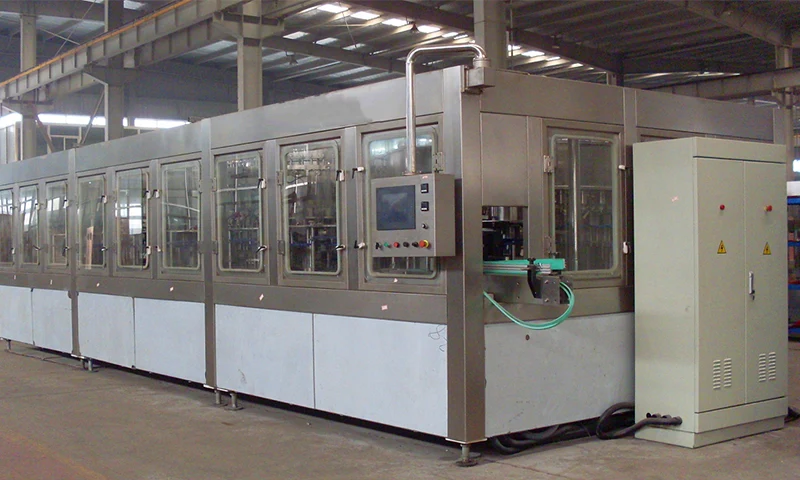
2026-09-02
Why Do Filling Valves Drip After the Bottle Leaves?
Dripping usually comes from contamination on the valve seat, worn or swollen seals, trapped pressure, incorrect closing timing or product viscosity outside the setup window. Identify whether the leak follows one valve or the entire filler. Follow this practical fault-isolation, repair and prevention guide for bottling-line operators and maintenance teams.
Learn more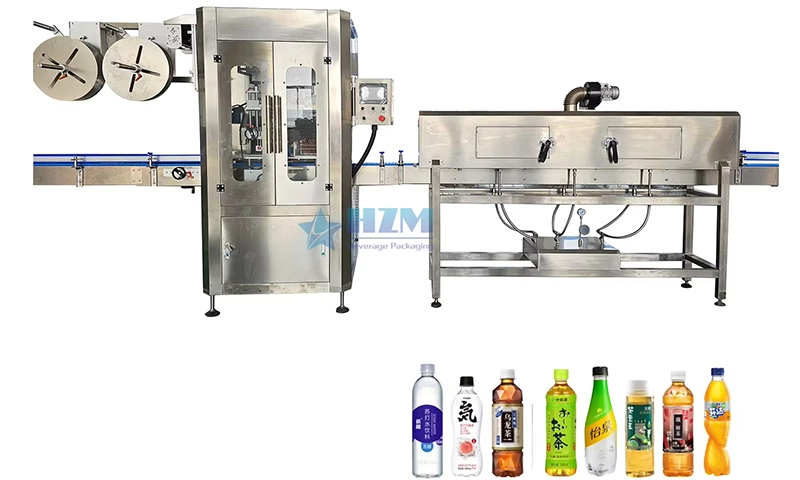
2026-08-28
Sleeve Labels Wrinkle After the Shrink Tunnel
Determine whether the sleeve was straight before entering the tunnel. Then check film shrink curve, tunnel-zone temperature, airflow or steam distribution, bottle moisture, conveyor speed and container geometry. Follow this practical fault-isolation, repair and prevention guide for bottling-line operators and maintenance teams.
Learn more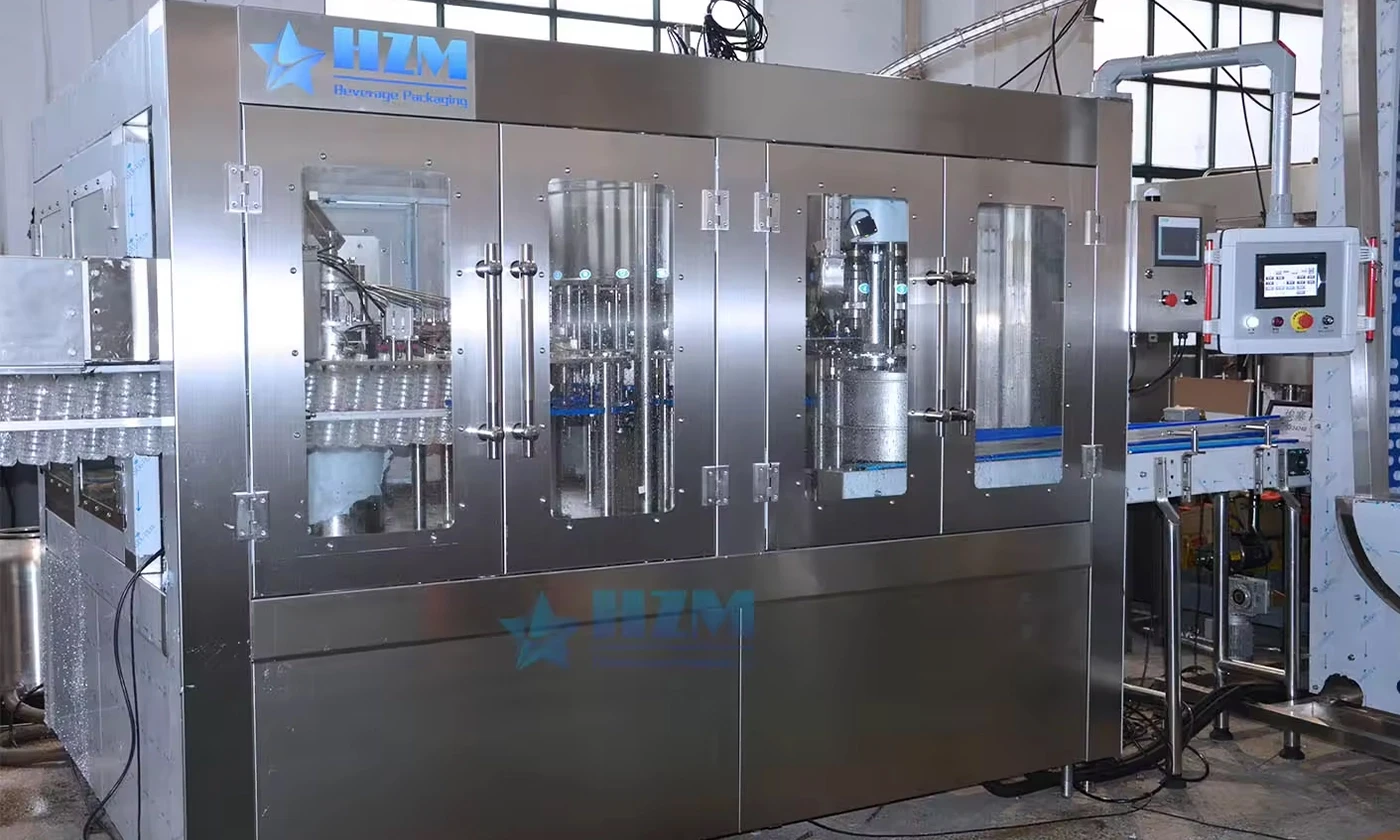
2026-08-23
Bottle Rinser Has Low Spray Pressure: Causes and Repair Steps
Check whether the loss affects the entire rinser or only several nozzles. System-wide loss points to supply, pump, filter or valve problems; a local pattern points to blocked nozzles, damaged tubing or a misaligned bottle. Follow this practical fault-isolation, repair and prevention guide for bottling-line operators and maintenance teams.
Learn more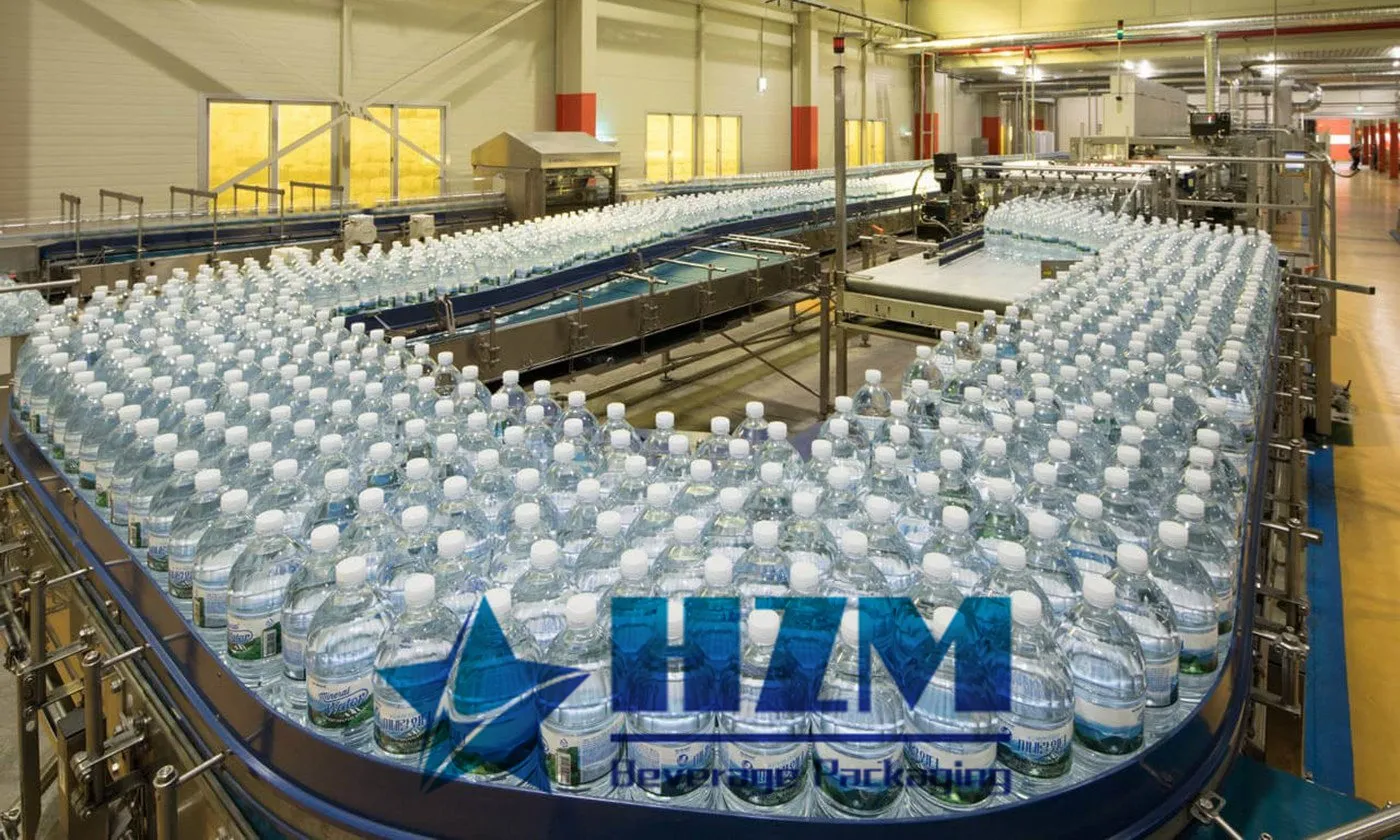
2026-08-20
Bottle Conveyor Jams at the Same Location Every Shift
Mark the first contact point and inspect guide transitions, chain condition, dead plates, speed change, bottle dimensions, lubrication and upstream accumulation. The pile-up often occurs downstream of the actual interference. Follow this practical fault-isolation, repair and prevention guide for bottling-line operators and maintenance teams.
Learn more