
Insights & Updates
Automated Production Line for Carbonated Beverages: 36,000 Bottles Per Hour
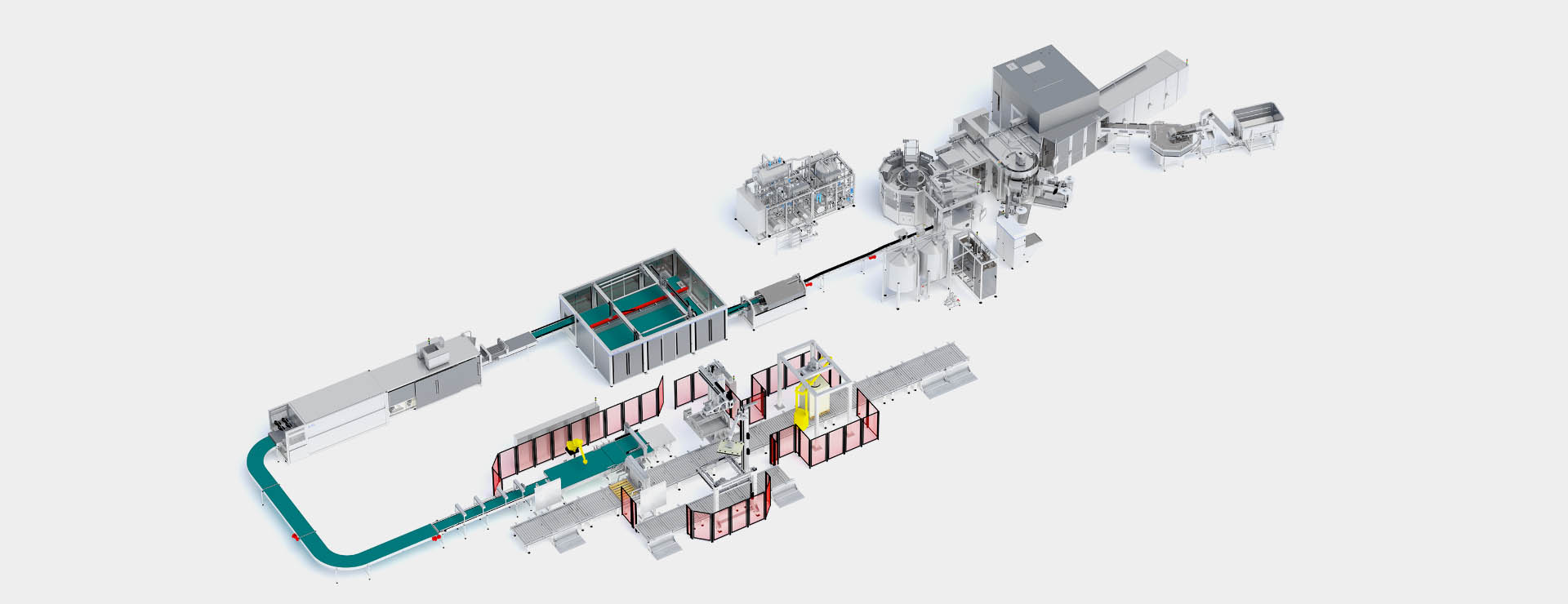
In the rapidly evolving food industry, automated production lines have become a crucial factor in enhancing production efficiency and quality. Especially in the domain of carbonated beverage production, automated lines play an irreplaceable role. Today, we will delve into an automated production line capable of producing 36,000 bottles of carbonated beverages per hour.
I. Overview of the Production Line
The design and manufacturing of this carbonated beverage automated production line take into account multiple aspects such as production efficiency, product quality, and production costs. Through highly automated equipment and systems, the entire process from raw material input to product packaging is automated.
II. Key Equipment and Processes
- Raw Material Feeding System: This system can automatically introduce raw materials into the production equipment in predetermined proportions and sequences, significantly improving the accuracy and efficiency of raw material input.
- Syrup Blending System: This system precisely blends syrup and other additives according to preset recipes to ensure consistent taste and product quality.
- Carbonation System: In this system, syrup and carbon dioxide are mixed in specified ratios to create the distinctive flavor of carbonated beverages.
- Bottling and Sealing System: The carbonated beverage, after mixing, is filled into pre-cleaned bottles and sealed using a sealing machine to ensure product sealing and hygiene.
- Quality Inspection System: At the end of the production line, there is a quality inspection stage that rigorously examines each bottle of beverage to ensure product quality meets the standards.
III. Production Efficiency and Costs
The ability to produce 36,000 bottles of carbonated beverages per hour significantly boosts production efficiency while maintaining product quality. Furthermore, through automated production, labor costs and error rates can be reduced, further enhancing production efficiency.
IV. Future Development Trends
With advancements in technology and evolving consumer demands, future automated production lines for carbonated beverages will become more intelligent and efficient. For example, by incorporating more advanced sensors and data analytics technology, real-time monitoring and optimization of the production process can be achieved. By adopting advanced packaging materials and techniques, product freshness and eco-friendliness can be improved. The integration of the Internet of Things (IoT) and artificial intelligence technology can enable remote control and smart management of the production line.
Moreover, as consumer awareness of healthy eating continues to grow, future automated production lines for carbonated beverages will focus more on the nutritional value and natural ingredients of products. For instance, using natural sweeteners instead of artificial ones and substituting synthetic dyes with natural pigments rich in antioxidants.
In summary, the automated production line capable of producing 36,000 bottles of carbonated beverages per hour represents a significant direction in the food industry’s development. By continually improving production efficiency, product quality, reducing production costs, and increasing product value, such production lines will have a greater advantage in future market competition. As consumers, we can look forward to more high-quality, healthy, and delicious carbonated beverages in our lives.
Talk to our engineering team
Need help planning your packaging line?
Share your product, bottle and capacity requirements for a practical equipment recommendation.
Equipment
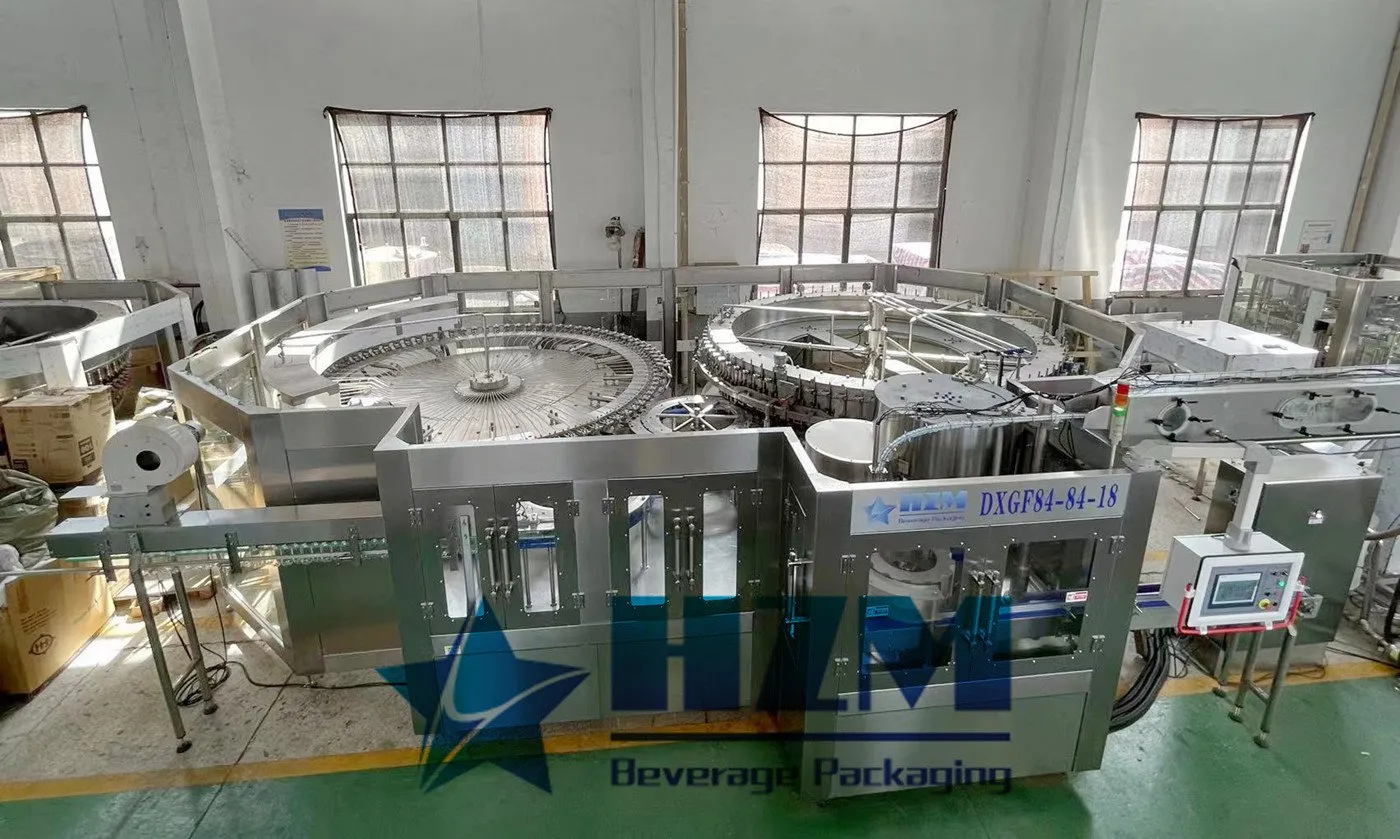
Carbonated Drinks Filling Machine
This Carbonated Drinks Filling Machine is configured for carbonated soft drinks, soda water and other sparkling beverages at 4,000BPH–36,000BPH; final scope follows the approved…
Learn more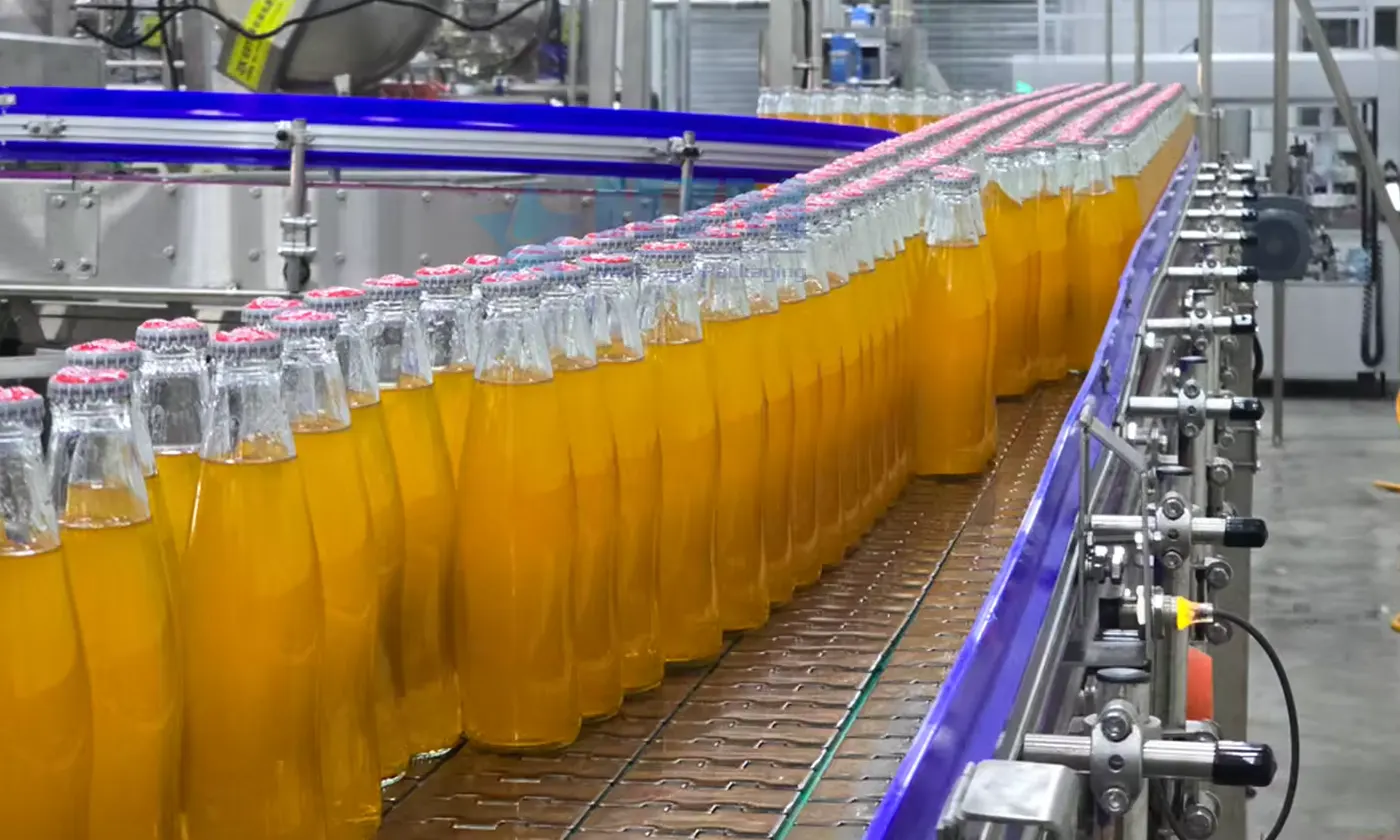
Equipment
Glass Bottle Carbonated Beverage Filling Bottling Line
This Glass Bottle Carbonated Beverage Filling Bottling Line is configured for carbonated soft drinks, soda water and other sparkling beverages; final scope follows the…
Learn more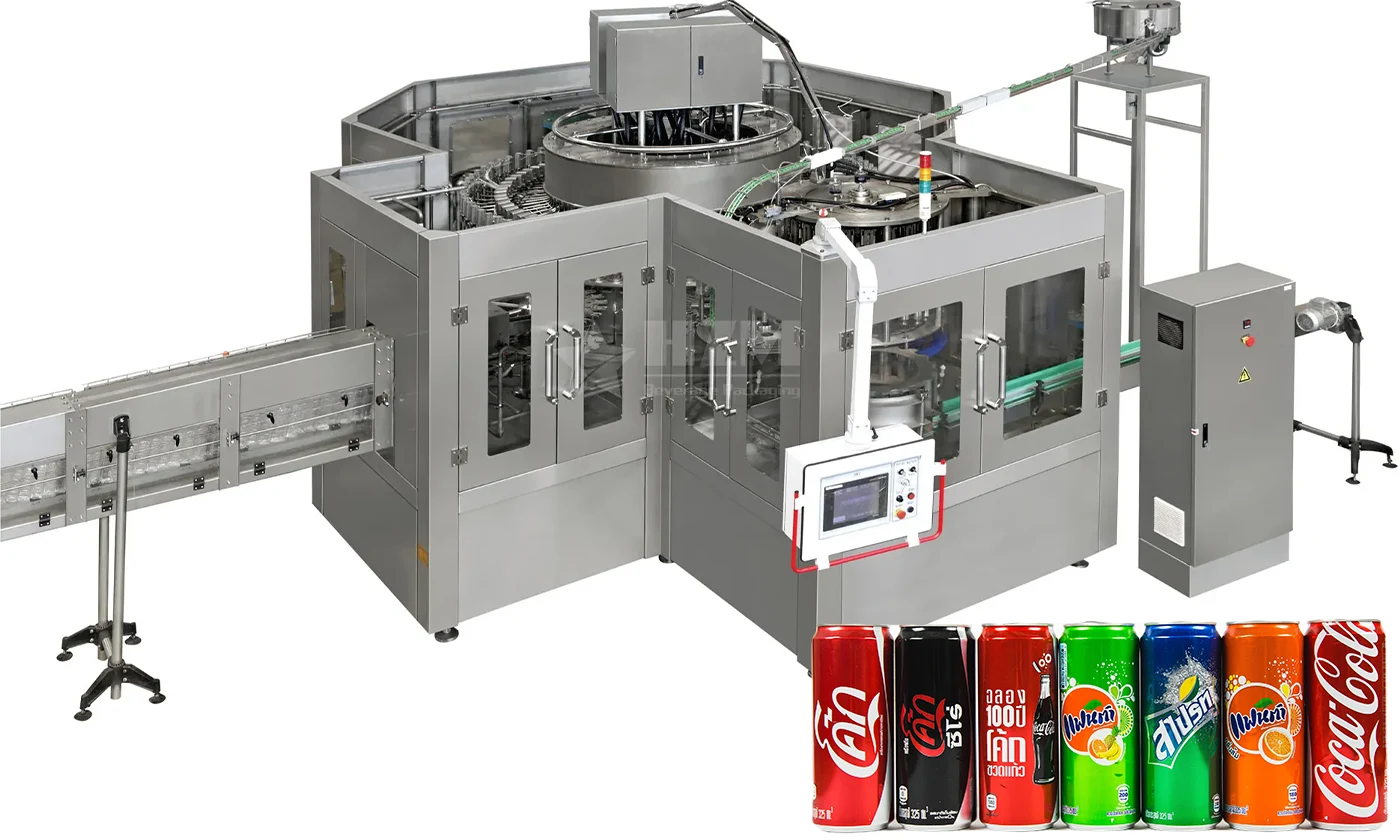
Equipment
Carbonated Beverage Can Filling Machine
This Carbonated Beverage Can Filling Machine is configured for carbonated Beverage, Beer, Soft Drink; final scope follows the approved process, package and plant layout.
Learn more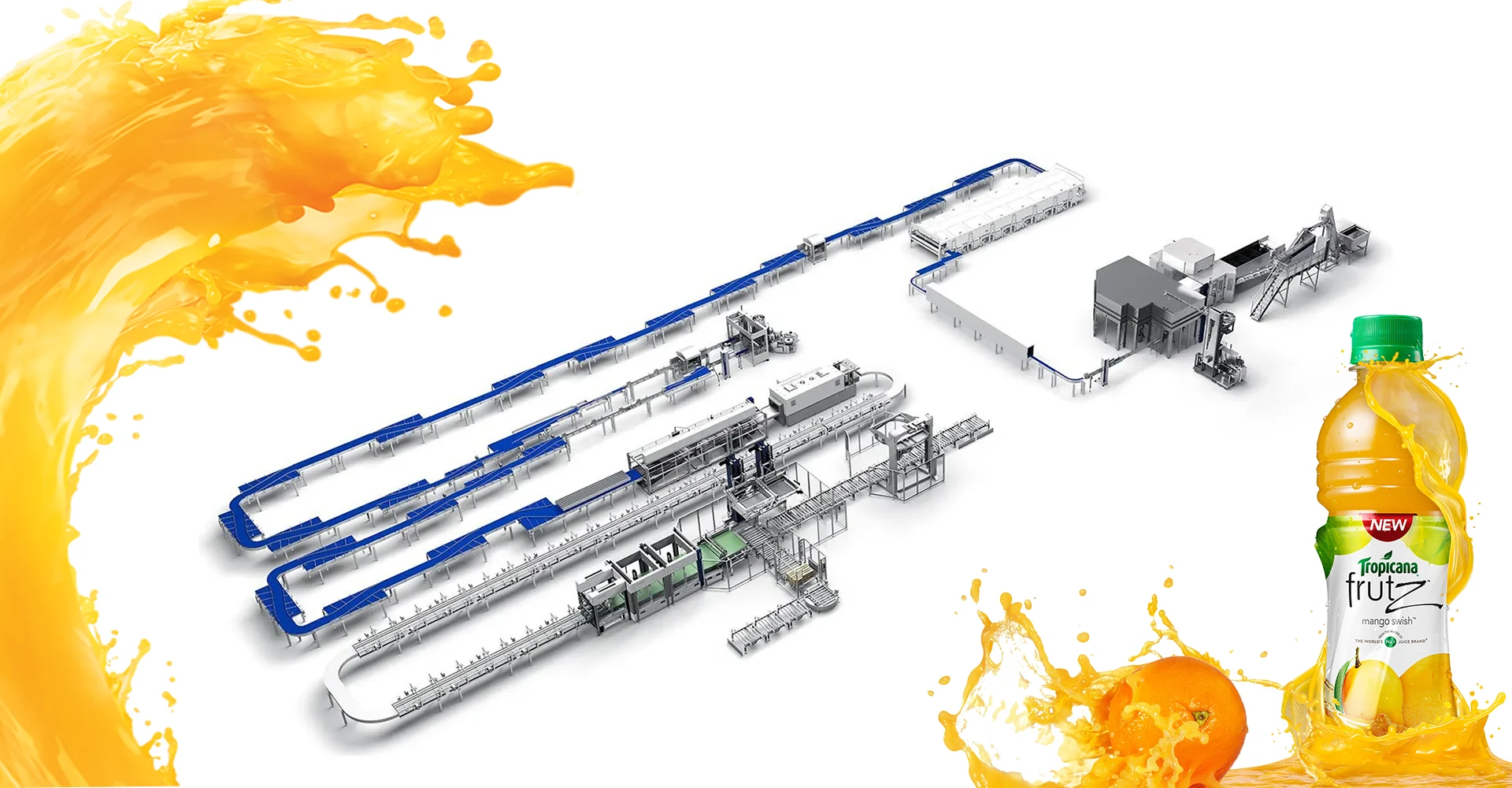
Equipment
Beverage Filling Machine & Turnkey Filling Line for Juice, Soft Drinks and Cans
This Beverage Filling Machine & Turnkey Filling Line for Juice is configured for juice, tea, carbonated soft drinks, energy drinks, water and beer at…
Learn more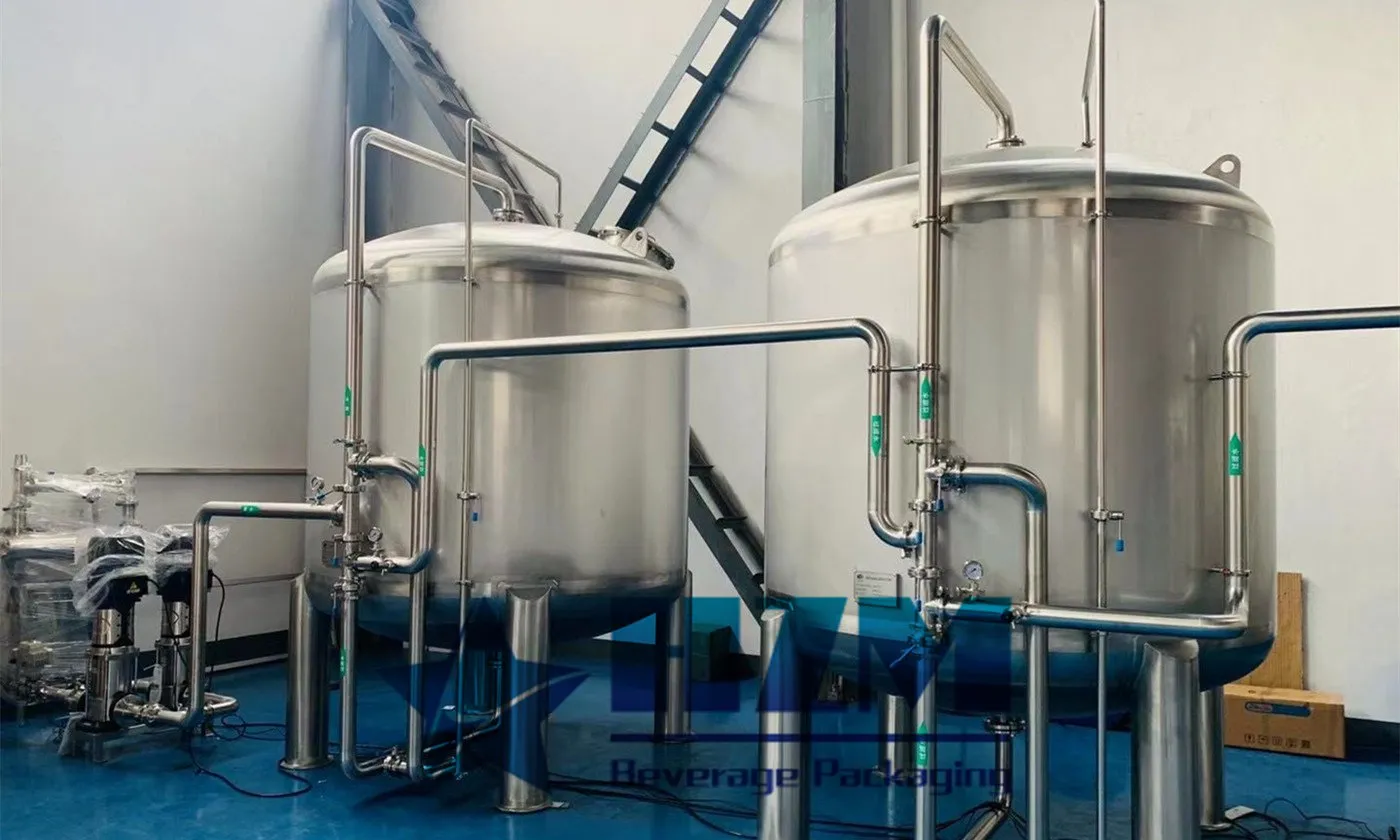
2026-09-04
RO Differential Pressure Keeps Rising: Fouling Location Matters
Locate the stage where pressure loss is increasing and relate it to normalized flow and salt passage. A first-stage rise often points to particulate or biological fouling; a later-stage rise can indicate scale, but feed analysis is required. Follow this practical fault-isolation, repair and prevention guide for bottling-line operators and maintenance teams.
Learn more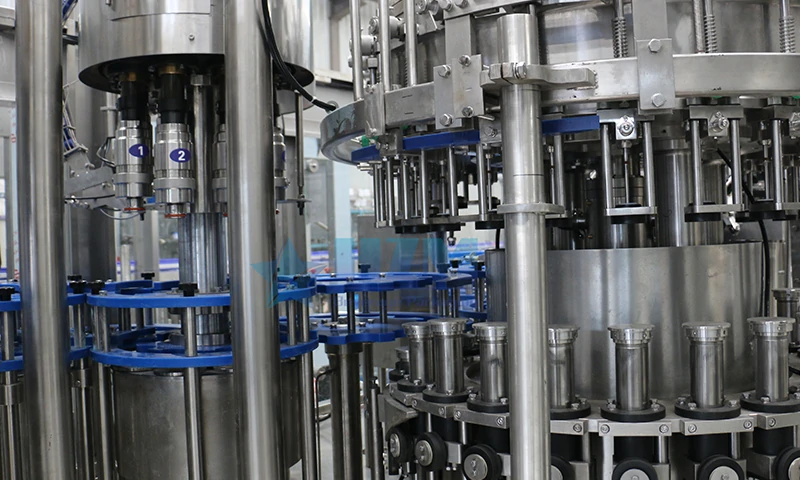
2026-09-02
Custom Plastic and Hardware Components Used in Beverage Packaging Machinery
Learn how plastic injection molded parts and custom hardware components are selected, manufactured and inspected for beverage filling and packaging machinery.
Learn more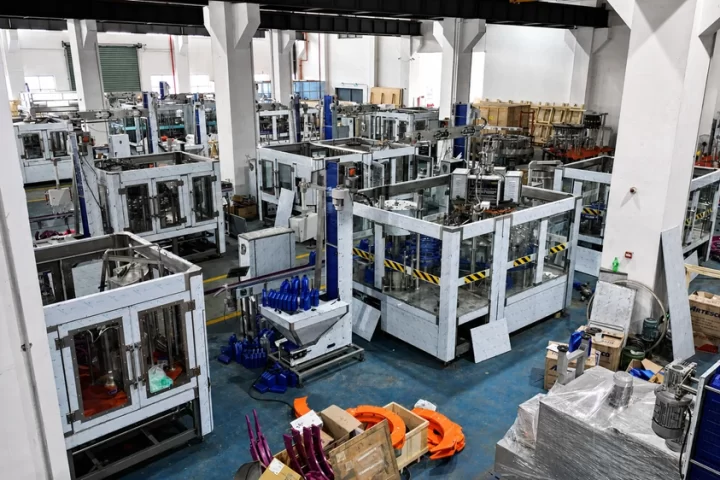
2026-09-02
How to Plan Safe Access for Beverage Production Line Installation and Maintenance
Practical guidance on planning operating platforms, walkways and temporary access for beverage production line installation, inspection, cleaning and maintenance.
Learn more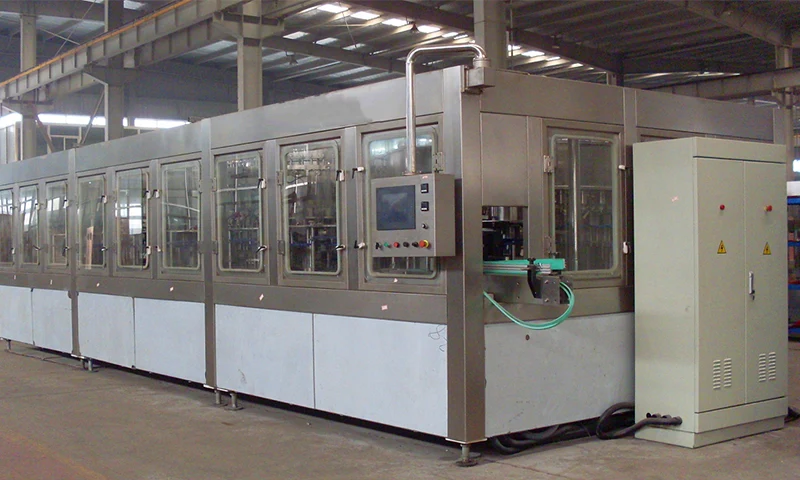
2026-09-02
Why Do Filling Valves Drip After the Bottle Leaves?
Dripping usually comes from contamination on the valve seat, worn or swollen seals, trapped pressure, incorrect closing timing or product viscosity outside the setup window. Identify whether the leak follows one valve or the entire filler. Follow this practical fault-isolation, repair and prevention guide for bottling-line operators and maintenance teams.
Learn more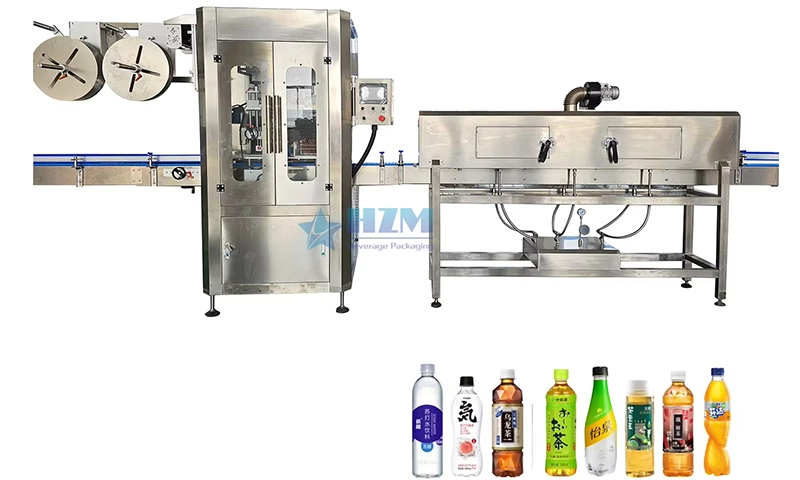
2026-08-28
Sleeve Labels Wrinkle After the Shrink Tunnel
Determine whether the sleeve was straight before entering the tunnel. Then check film shrink curve, tunnel-zone temperature, airflow or steam distribution, bottle moisture, conveyor speed and container geometry. Follow this practical fault-isolation, repair and prevention guide for bottling-line operators and maintenance teams.
Learn more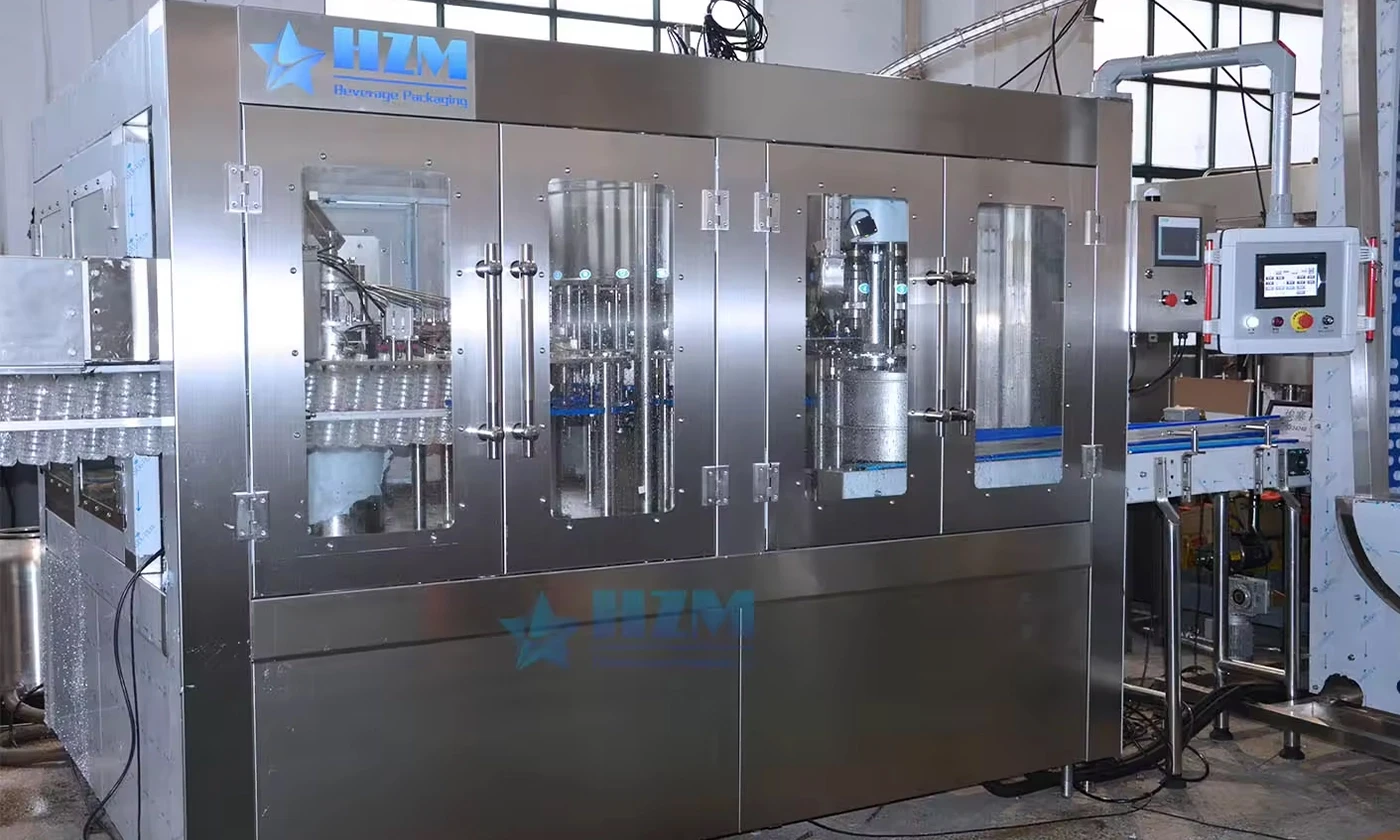
2026-08-23
Bottle Rinser Has Low Spray Pressure: Causes and Repair Steps
Check whether the loss affects the entire rinser or only several nozzles. System-wide loss points to supply, pump, filter or valve problems; a local pattern points to blocked nozzles, damaged tubing or a misaligned bottle. Follow this practical fault-isolation, repair and prevention guide for bottling-line operators and maintenance teams.
Learn more