
Insights & Updates
3 Filling methods and characteristics of beverage filling machine
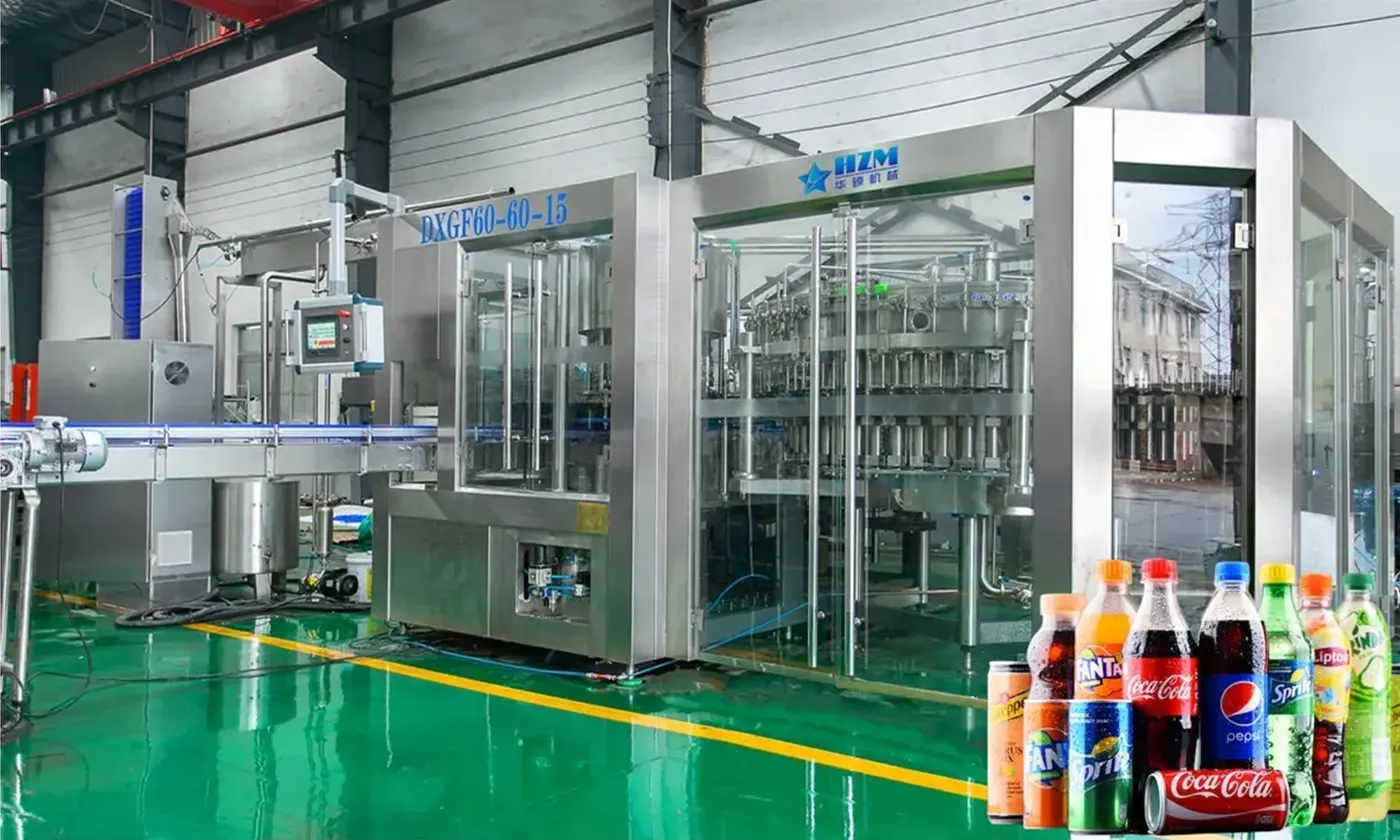
Beverage filling machine is a category of packaging machinery, used for producing bottled drinking water, mineral water, beverages and other products. It consists of cleaning, filling and capping. It is an ideal equipment for producing mineral water and beverages. Next, let’s take a look at the three commonly used filling methods!
1.Atmospheric pressure method
The atmospheric pressure method is also known as the pure gravity method, which is the liquid material flows into the packaging container under normal pressure by its own weight. Most free-flowing liquid materials without gas can be filled by this method, such as Baijiu, fruit wine, milk, soy sauce, vinegar, etc.
2.Equal pressure method
The equal pressure method is also known as the pressure gravity filling method. Under the condition of high atmospheric pressure, the packaging container is first inflated to make the air pressure equal to the air pressure in the liquid storage tank, and then the filling depends on the weight of the liquid flowing into the packaging container. This method is commonly used for filling carbonated drinks, such as beer. Using this method can reduce the loss of CO2 contained in such products and prevent excessive bubbles during filling from affecting product quality and quantitative accuracy.
3.Vacuum method
Vacuum filling is carried out under conditions below atmospheric pressure and can be performed in two ways:
3.1 Differential pressure vacuum
That is, the liquid storage tank is under normal pressure, and only the packaging container is evacuated to form a vacuum, relying on the pressure difference between the liquid storage tank and the container to be filled to complete the filling. This method is commonly used in China.
3.2 Gravity vacuum
The liquid storage tank is in the vacuum packaging container. First, vacuum is drawn to form a vacuum equal to the liquid storage tank, and then the liquid material flows into the packaging container by its own weight. Due to its complex structure, it is rarely used in China. Vacuum filling is widely used and suitable for filling liquid materials with slightly higher viscosity, such as oil, syrup, etc.
During the use of the beverage filling machine, it needs to be checked and added with oil mist continuously, and the oil level must be maintained at one-third position. After the wear of the discharge piston and the sealing ring cylinder at the lower end of the discharge, they need to be replaced in time. During cleaning, try to avoid being scratched by sharp and hard objects. If there is pollution, it can be wiped with alcohol, and the whole body must be kept clean.
Talk to our engineering team
Need help planning your packaging line?
Share your product, bottle and capacity requirements for a practical equipment recommendation.
Equipment
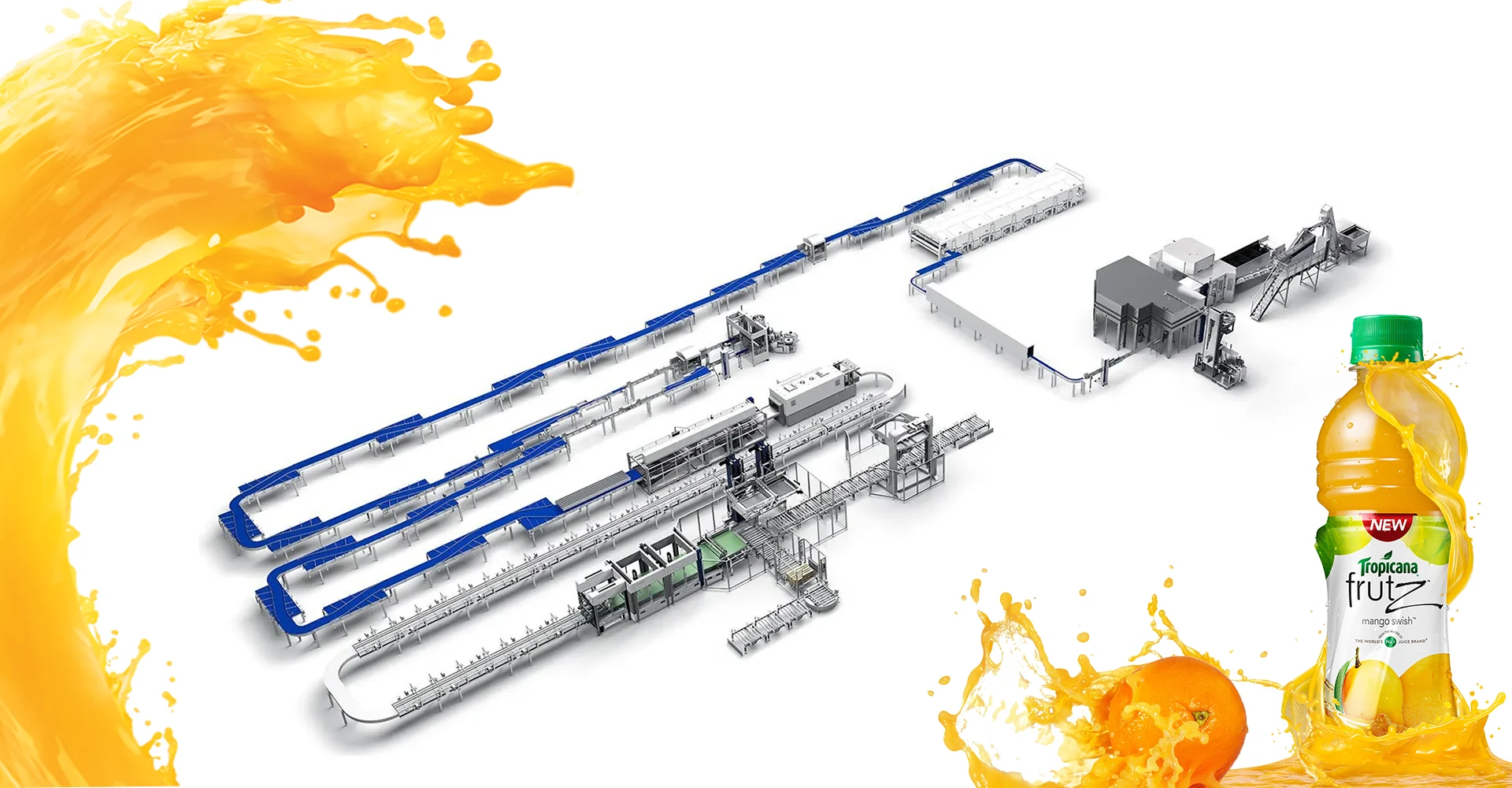
Beverage Filling Machine & Turnkey Filling Line for Juice, Soft Drinks and Cans
This Beverage Filling Machine & Turnkey Filling Line for Juice is configured for juice, tea, carbonated soft drinks, energy drinks, water and beer at…
Learn more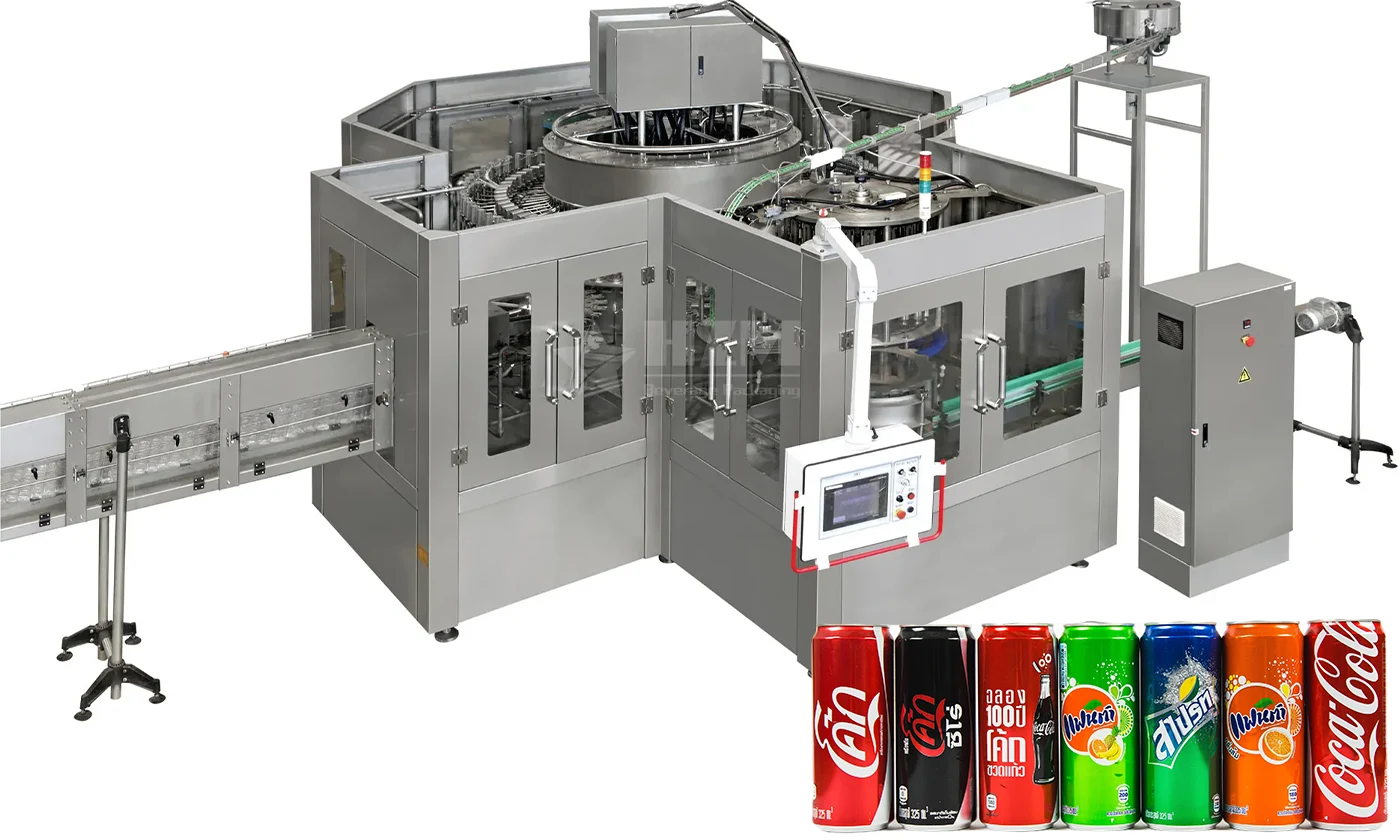
Equipment
Beverage Can Packaging machine
This Beverage Can Packaging machine is configured for carbonated drinks, Beer, Energy drink, Canned Beef, Chili sauce etc at 5000BPH–36000BPH; final scope follows the…
Learn more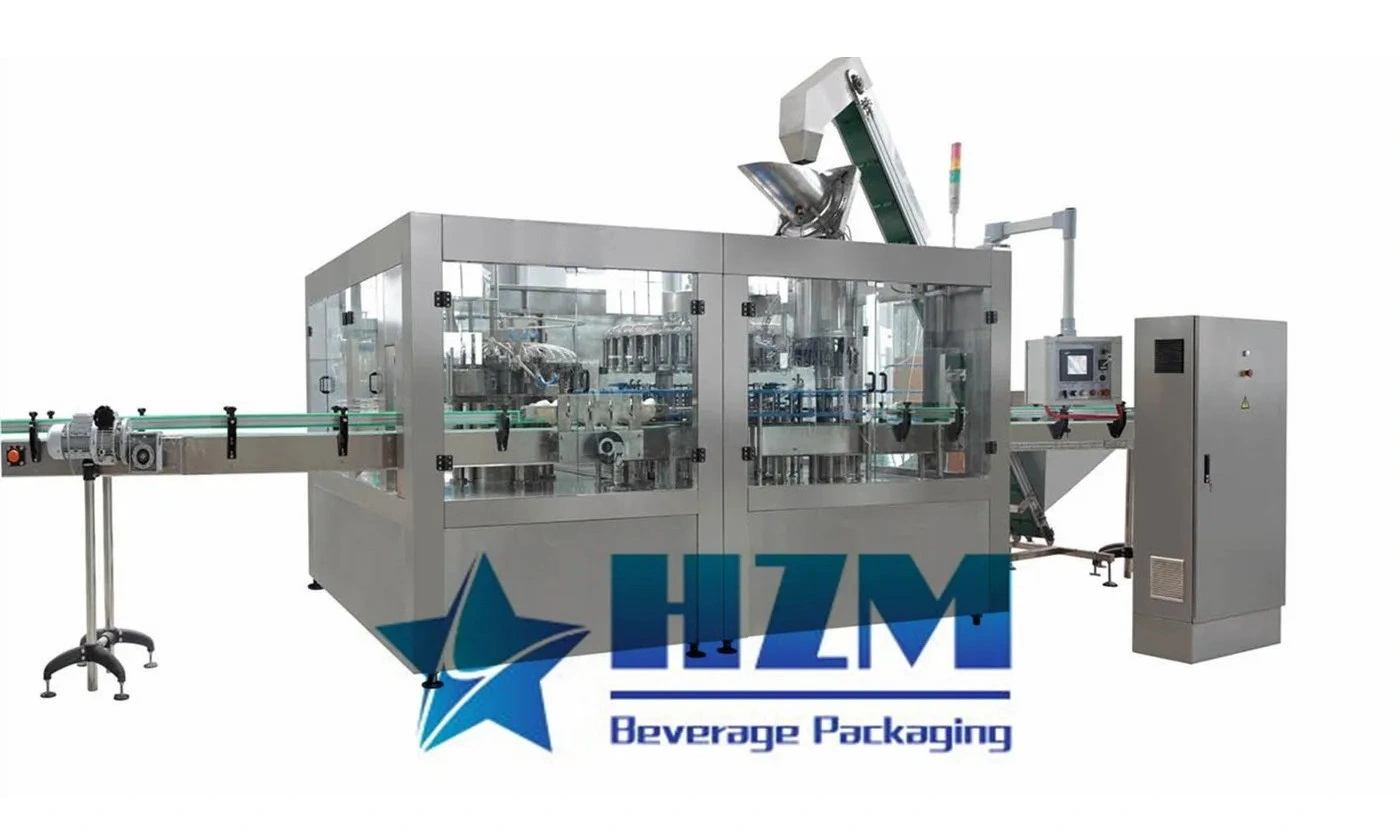
Equipment
Glass Bottle Juice Beverage Filling Machine
This Glass Bottle Juice Beverage Filling Machine is configured for juice, tea, energy drinks and other still beverage recipes at 3,000BPH–24,000BPH; final scope follows…
Learn more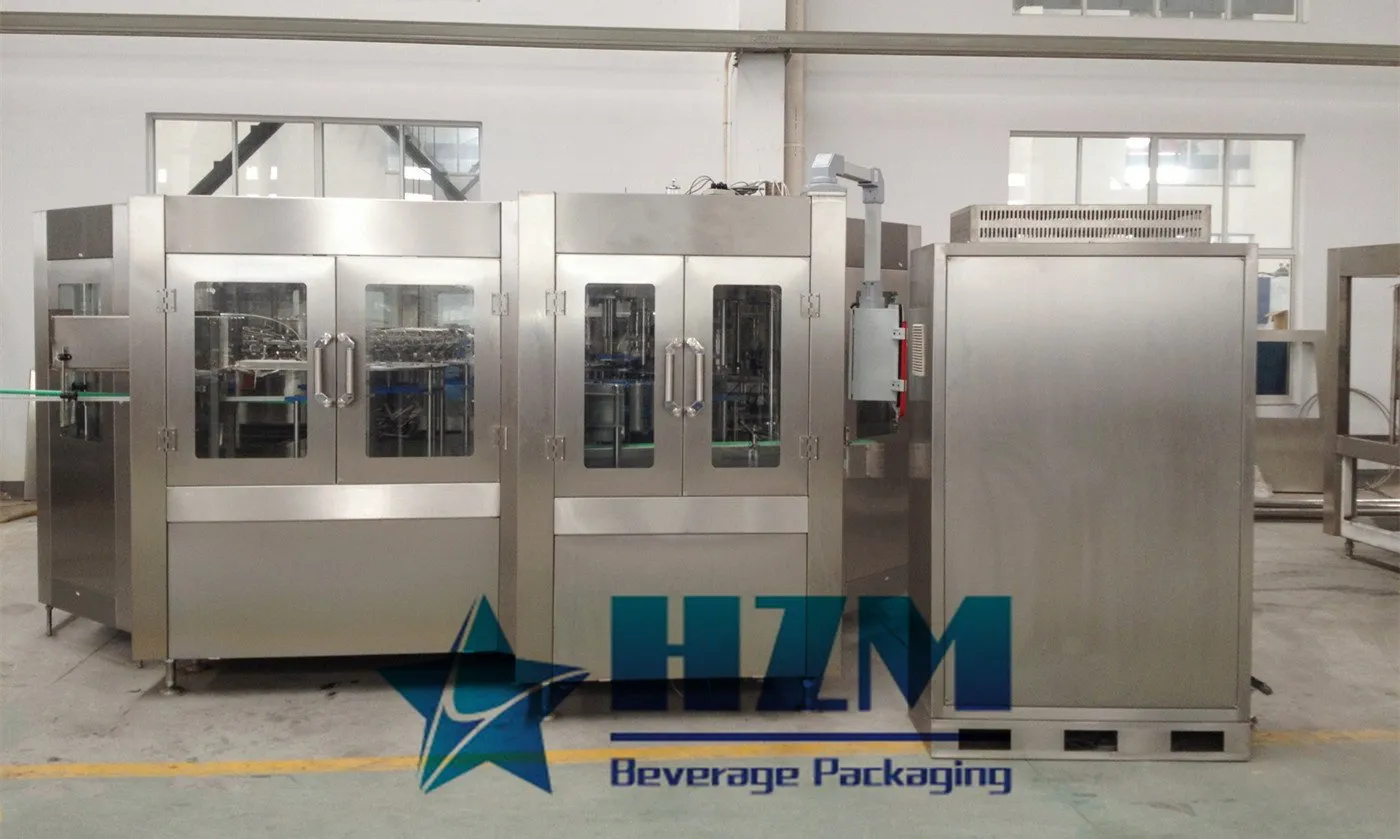
Equipment
PET Bottle CSD Beverage Filling Machine
This PET Bottle CSD Beverage Filling Machine is configured for carbonated soft drinks, soda water and other sparkling beverages at 4,000BPH–36,000BPH; final scope follows…
Learn more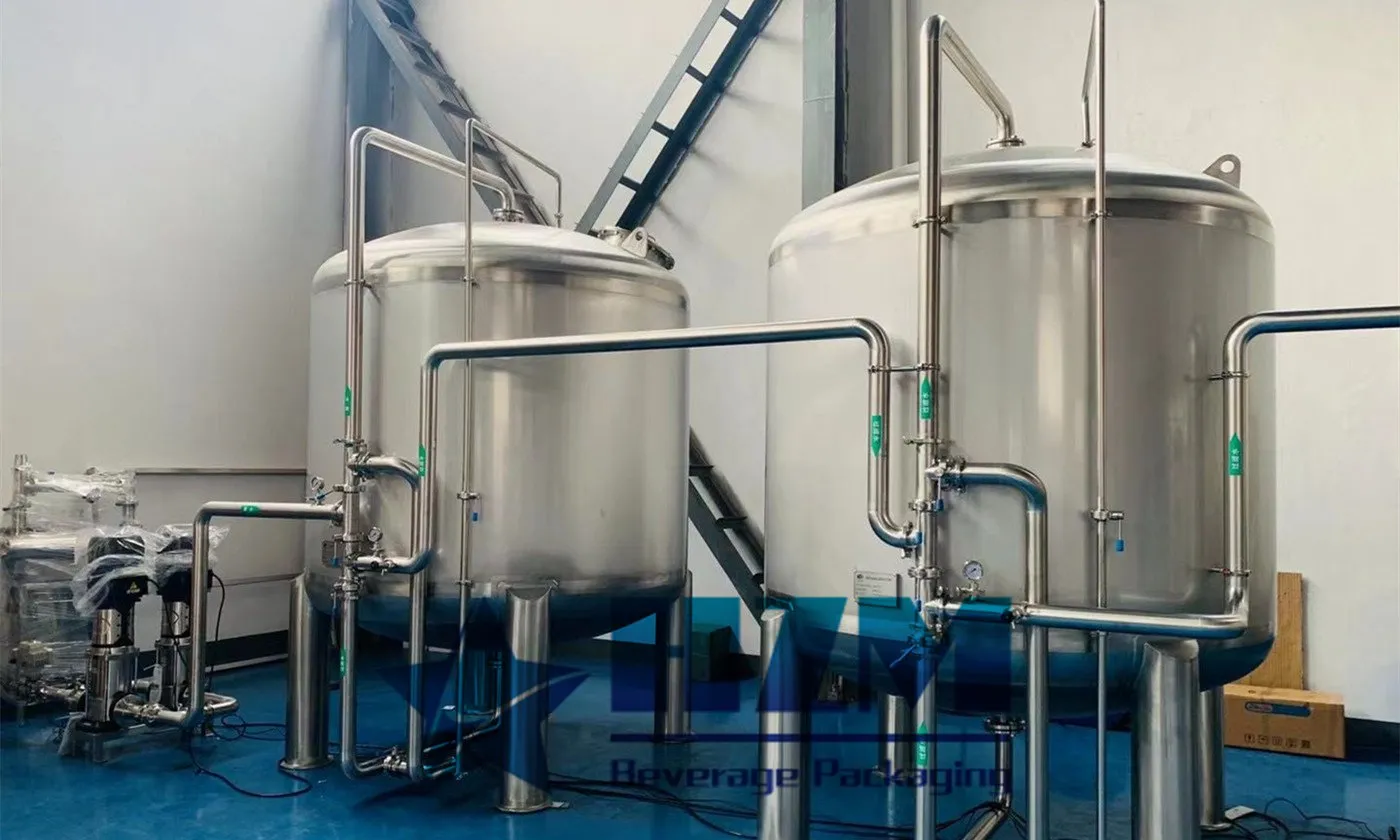
2026-09-04
RO Differential Pressure Keeps Rising: Fouling Location Matters
Locate the stage where pressure loss is increasing and relate it to normalized flow and salt passage. A first-stage rise often points to particulate or biological fouling; a later-stage rise can indicate scale, but feed analysis is required. Follow this practical fault-isolation, repair and prevention guide for bottling-line operators and maintenance teams.
Learn more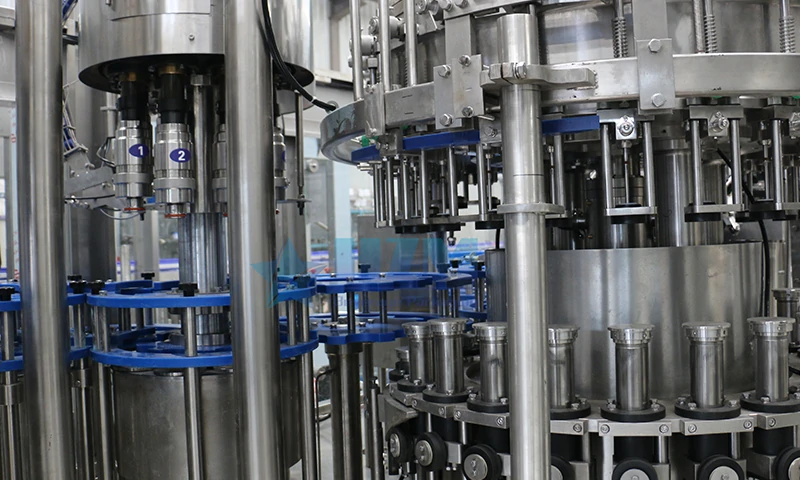
2026-09-02
Custom Plastic and Hardware Components Used in Beverage Packaging Machinery
Learn how plastic injection molded parts and custom hardware components are selected, manufactured and inspected for beverage filling and packaging machinery.
Learn more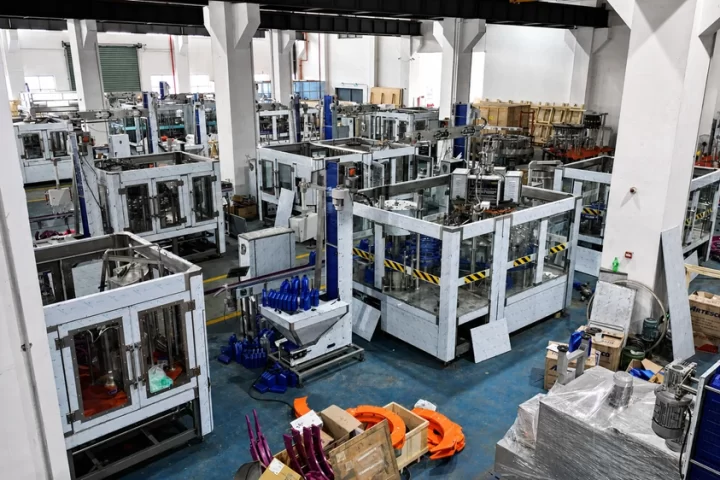
2026-09-02
How to Plan Safe Access for Beverage Production Line Installation and Maintenance
Practical guidance on planning operating platforms, walkways and temporary access for beverage production line installation, inspection, cleaning and maintenance.
Learn more
2026-09-02
Why Do Filling Valves Drip After the Bottle Leaves?
Dripping usually comes from contamination on the valve seat, worn or swollen seals, trapped pressure, incorrect closing timing or product viscosity outside the setup window. Identify whether the leak follows one valve or the entire filler. Follow this practical fault-isolation, repair and prevention guide for bottling-line operators and maintenance teams.
Learn more
2026-08-28
Sleeve Labels Wrinkle After the Shrink Tunnel
Determine whether the sleeve was straight before entering the tunnel. Then check film shrink curve, tunnel-zone temperature, airflow or steam distribution, bottle moisture, conveyor speed and container geometry. Follow this practical fault-isolation, repair and prevention guide for bottling-line operators and maintenance teams.
Learn more
2026-08-23
Bottle Rinser Has Low Spray Pressure: Causes and Repair Steps
Check whether the loss affects the entire rinser or only several nozzles. System-wide loss points to supply, pump, filter or valve problems; a local pattern points to blocked nozzles, damaged tubing or a misaligned bottle. Follow this practical fault-isolation, repair and prevention guide for bottling-line operators and maintenance teams.
Learn more