
Specifying Bottle and Pack Conveyors at Machine Interfaces
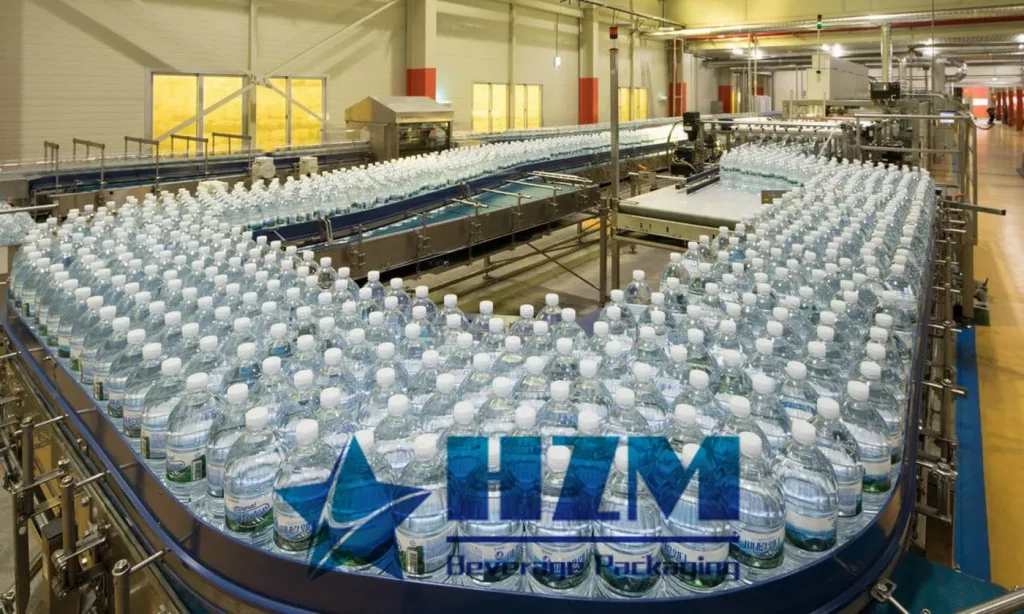
A conveyor quotation should show how each container moves between machines, where it can accumulate and what happens when the next machine stops. Belt width and motor power do not answer these questions.
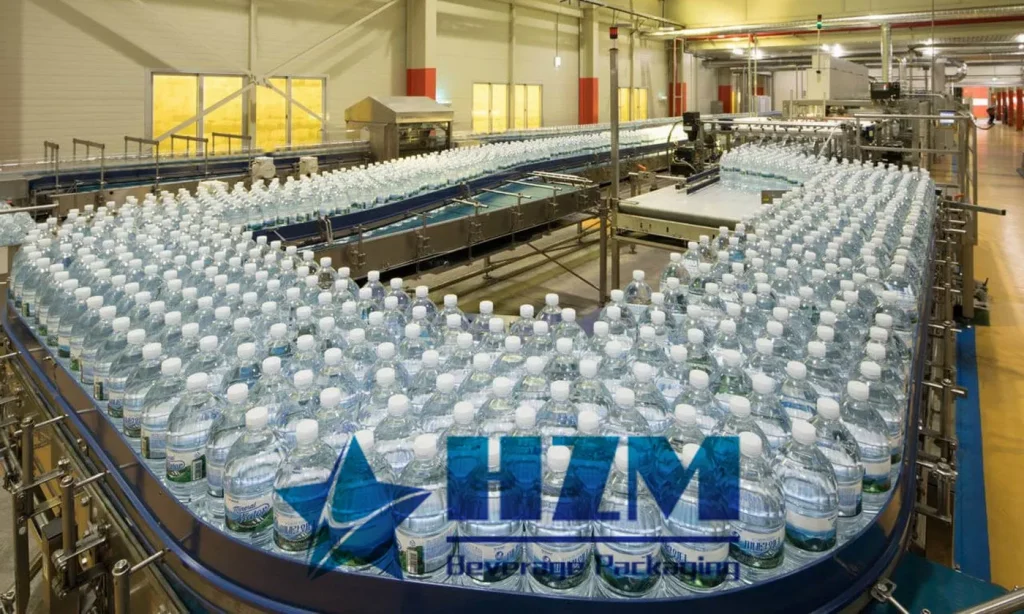
Separate the handling duties
Empty PET bottles, filled bottles and shrink packs impose different support and transfer requirements. Record dimensions, weight, center of gravity and the condition of the package surface. Identify neck-supported sections separately from base-supported conveyors and show each transition on the layout.
Inspect the transfer points
Use production containers at the filler discharge, labeler infeed, merges and packer entrance. Observe base support, guide contact, gaps and acceleration. A transfer that works with a rigid trial bottle may scuff or tip a lightweight commercial bottle. Include the least stable approved format in the trial.
Size useful accumulation
Translate the downstream interruption to be absorbed into a quantity of containers at the actual production rate. Check whether the proposed buffer stores that quantity without unacceptable back pressure. Define the full-buffer response and restart sequence; extra conveyor length alone does not provide controlled accumulation.
Specify cleaning and wear parts
State the cleaning chemicals, temperature and exposure for the installed area. Match chain, belt, guide and frame materials to those conditions. Request access for debris removal, drainage and replacement of wear strips. Conveyor washdown should have its own procedure rather than be assumed covered by the product-circuit CIP system.
Test as part of the line
Run the commercial packages at the agreed rate, then demonstrate upstream starvation, downstream blockage and controlled recovery. Record jams, package damage and good output. The handover should include layout revisions, drive settings, wear-part references and the permitted package range.
Need help planning your packaging line?
Share your product, bottle and capacity requirements for a practical equipment recommendation.
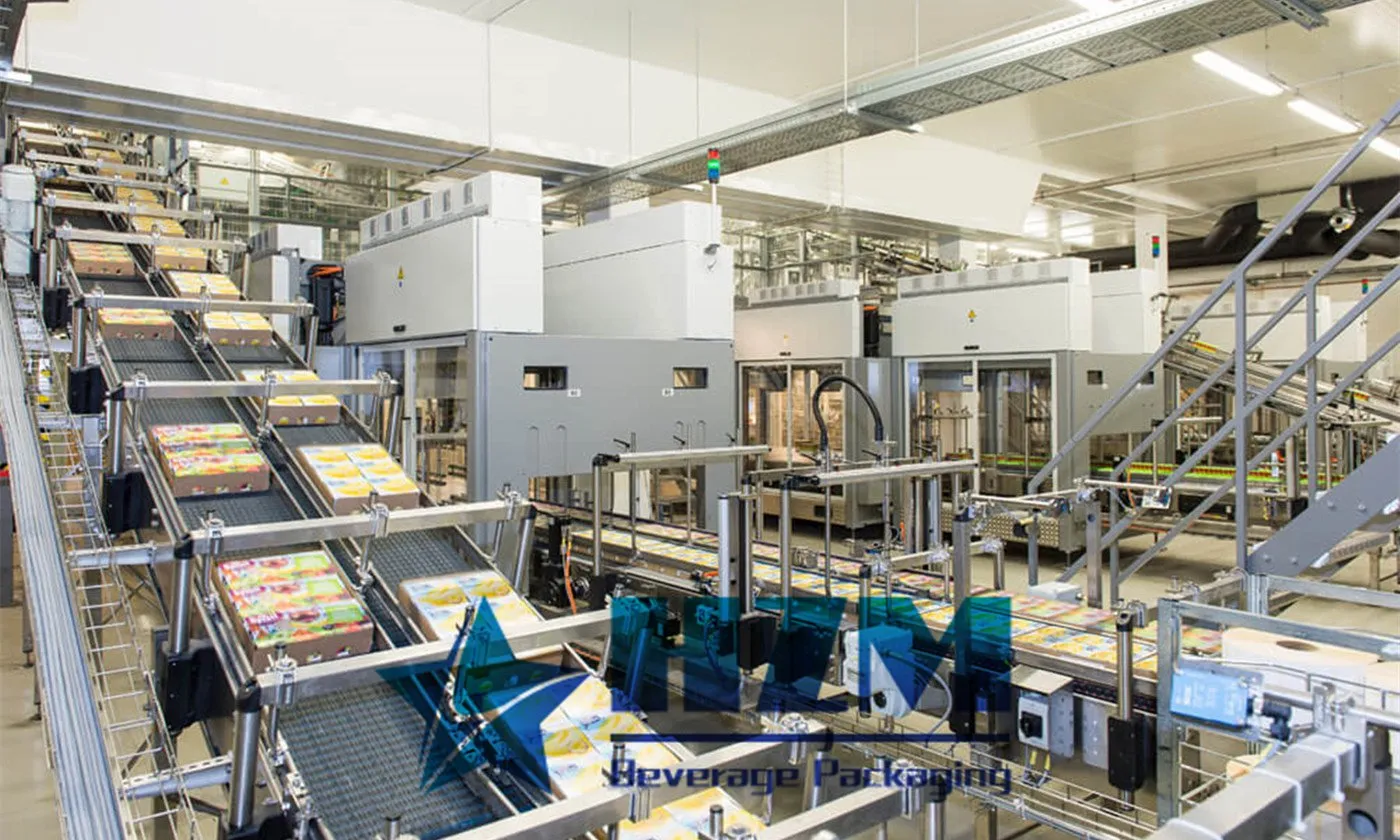
Packs Conveyor
The packs conveyor moves finished packs, cartons and other packaged products between packing and handling stations.
Learn more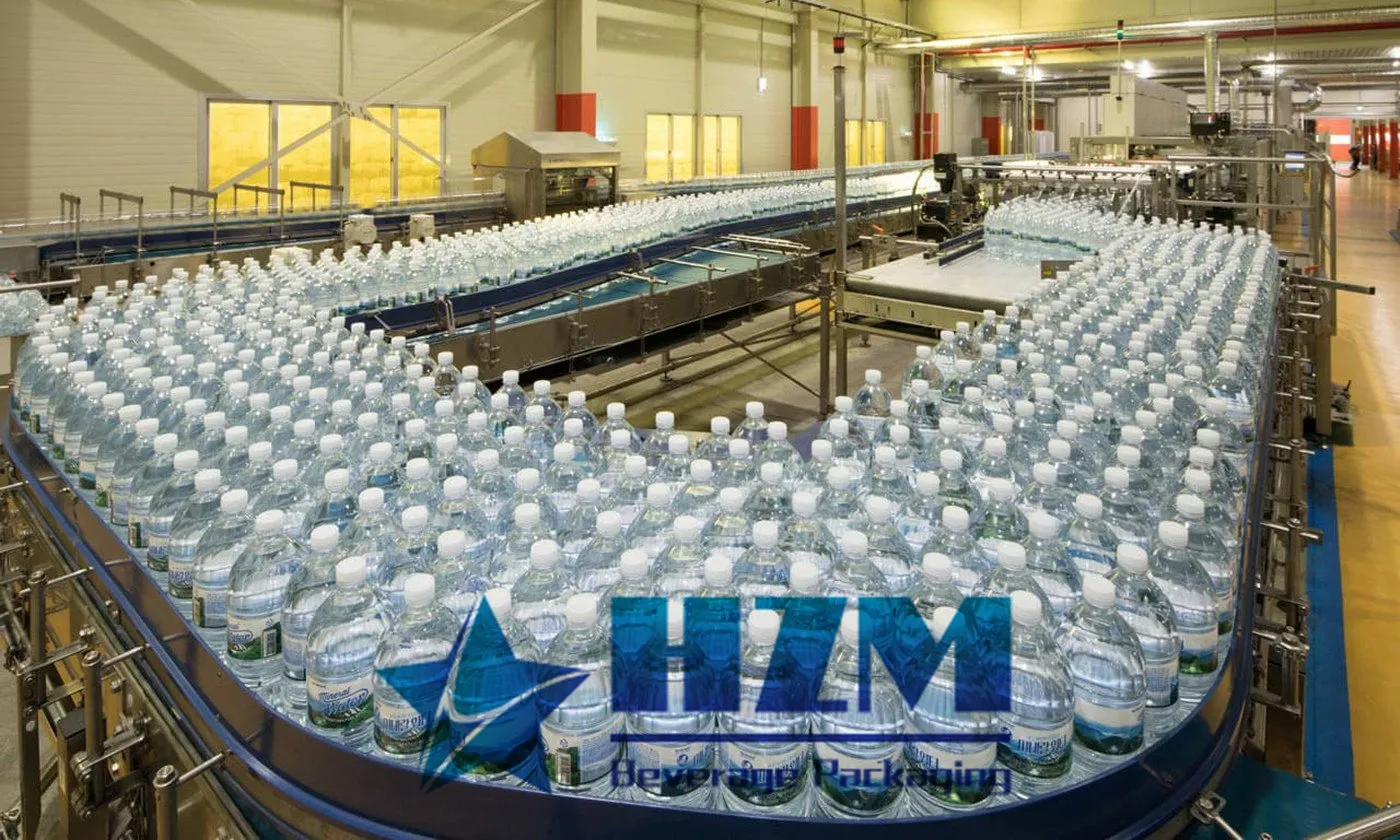
Bottle Conveyor
The bottle conveyor transfers containers between filling, labelling and packing machines.
Learn more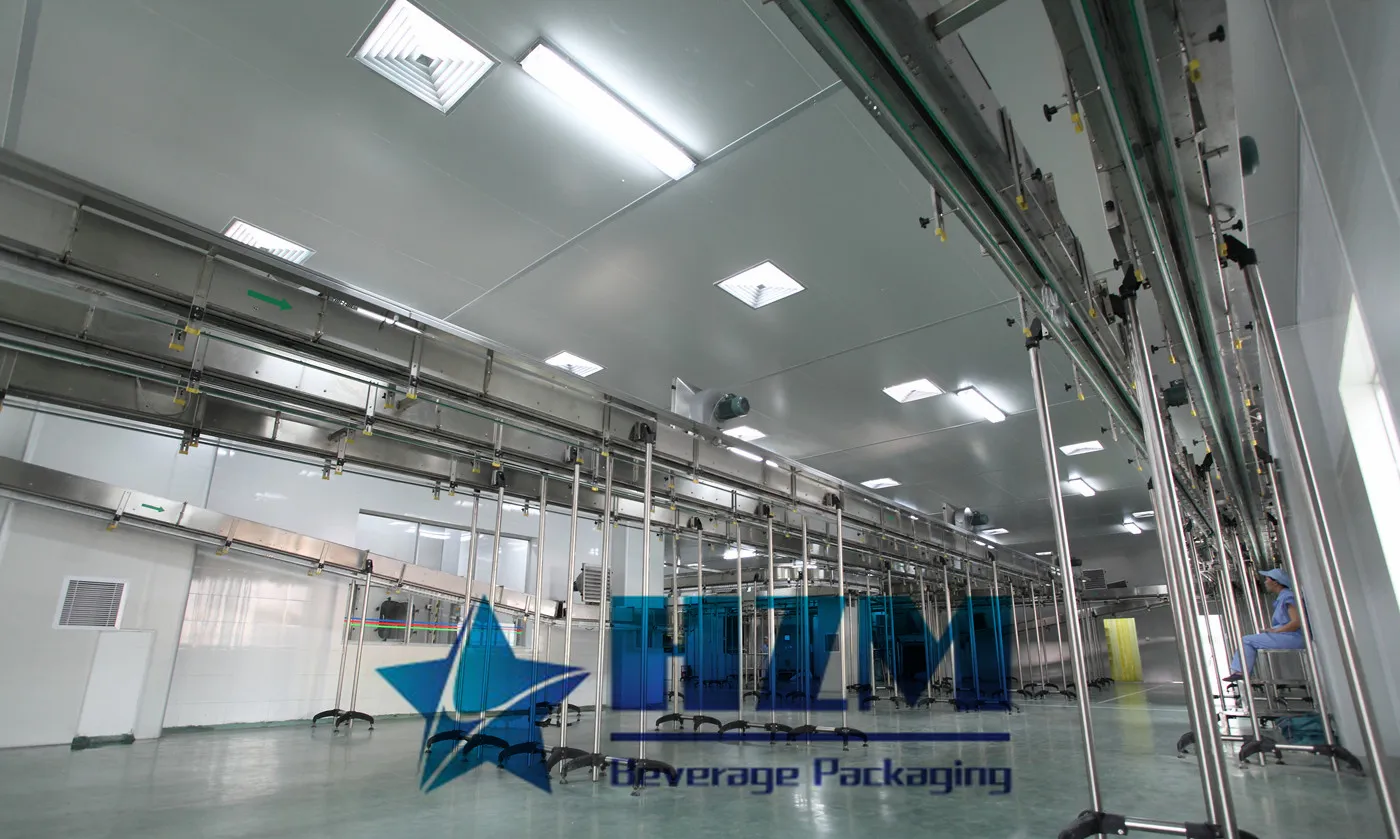
Bottle Air Conveyor
The bottle air conveyor transfers empty PET bottles from the blowing machine to the filler.
Learn more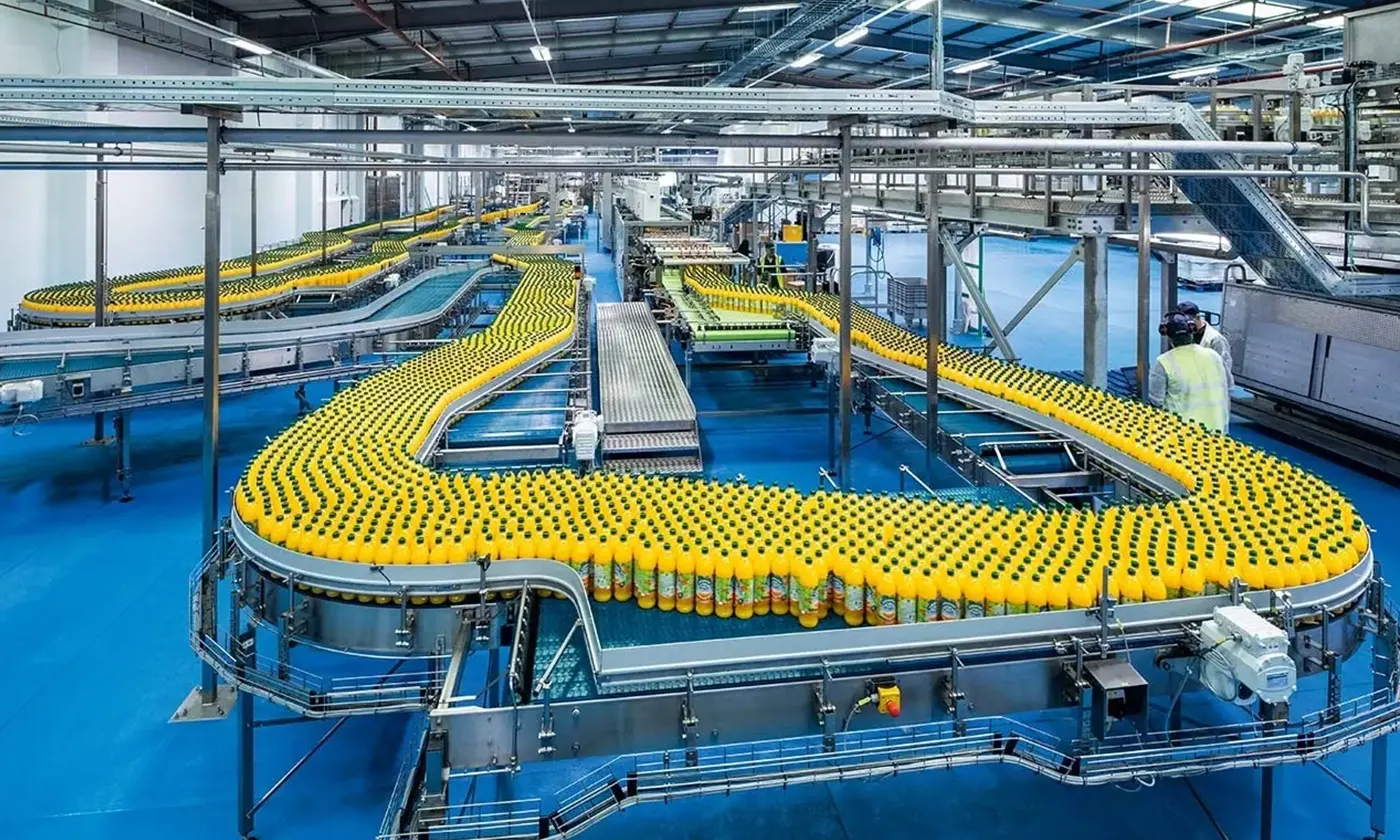
Bottle Water & Beverage Conveyor System
The bottled-water and beverage conveyor system connects container supply, filling and packaging.
Learn more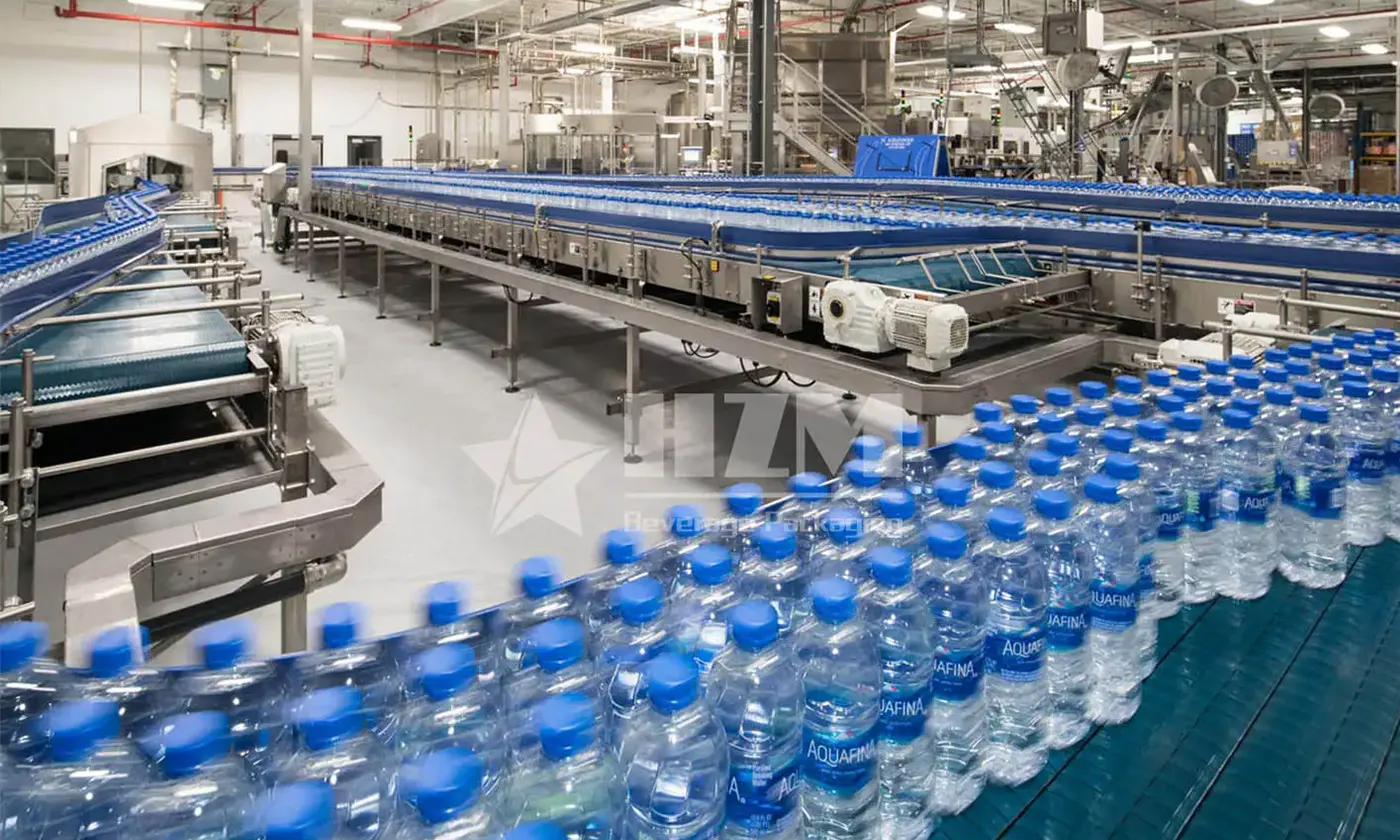
Conveyor Belt For Bottle Water Production Line
This conveyor belt system moves bottles through a bottled-water production line, from empty-bottle feeding to filled-bottle labelling and packing.
Learn more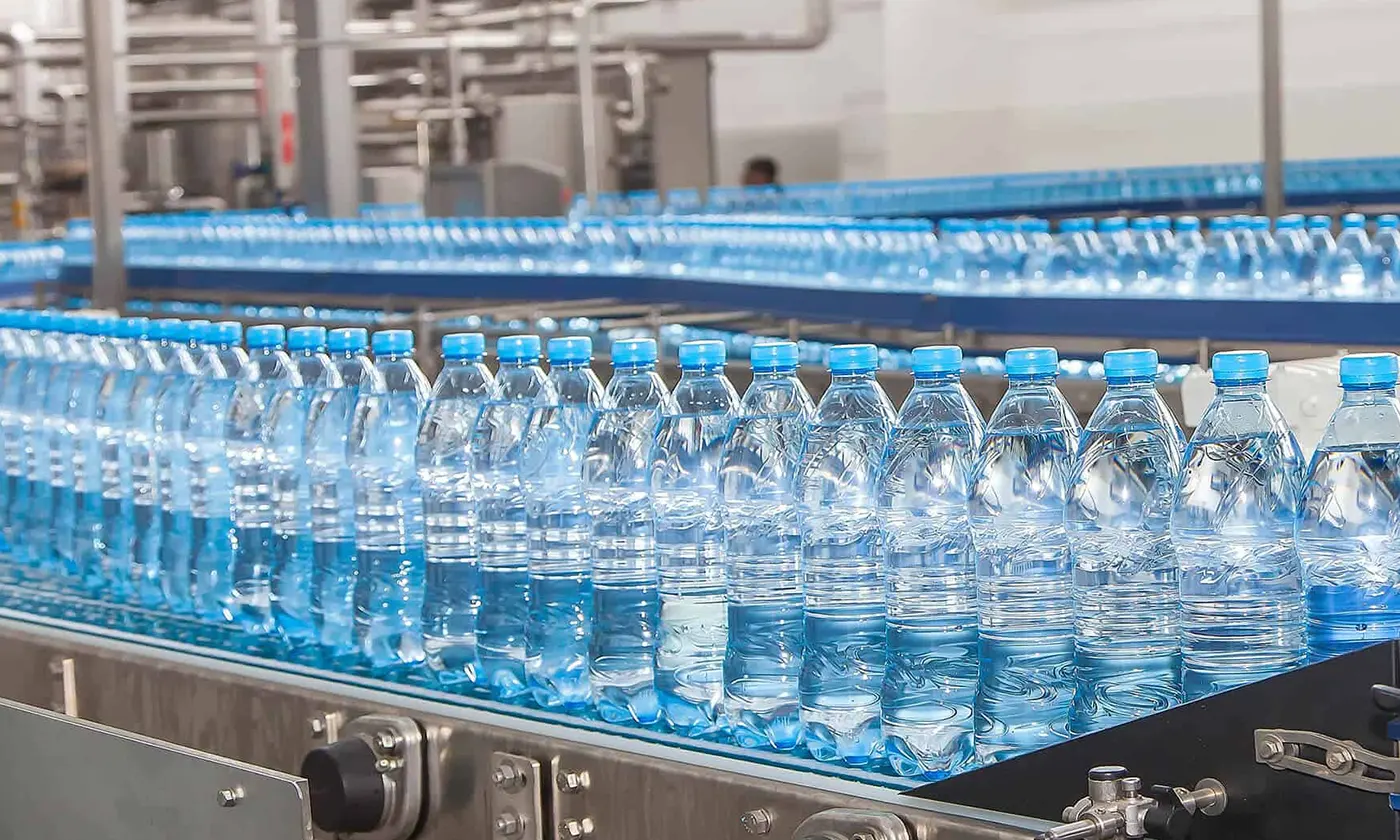
Conveyor Belt System For PET Bottle And GLASS Bottle
The conveyor system transfers PET and glass bottles between production machines.
Learn moreYour Reliable Conveyor Machine Manufacturer
In modern industrial production, Conveyor Machines are indispensable for efficient material transportation and automated production. When seeking a trusted manufacturer, HZM Machinery stands out as a reliable partner.
Learn more
Top 10 Conveyor Machine Brands in the Industry, Including HZM Conveyor Machine
Conveyor machines play a vital role in modern industrial production, widely used in logistics, manufacturing, packaging, and other fields. Among the numerous conveyor machine brands
Learn moreAir conveyor systems
The air conveyor, also known as a pneumatic conveyor, serves the purpose of efficiently transporting empty bottles between machines within a filling line. It also acts as a buffer, allowing for automatic operation of the entire line. Primarily, it is employed to transfer empty PET bottles from the blowing machine to the filling machine, also known as the filler.
Learn more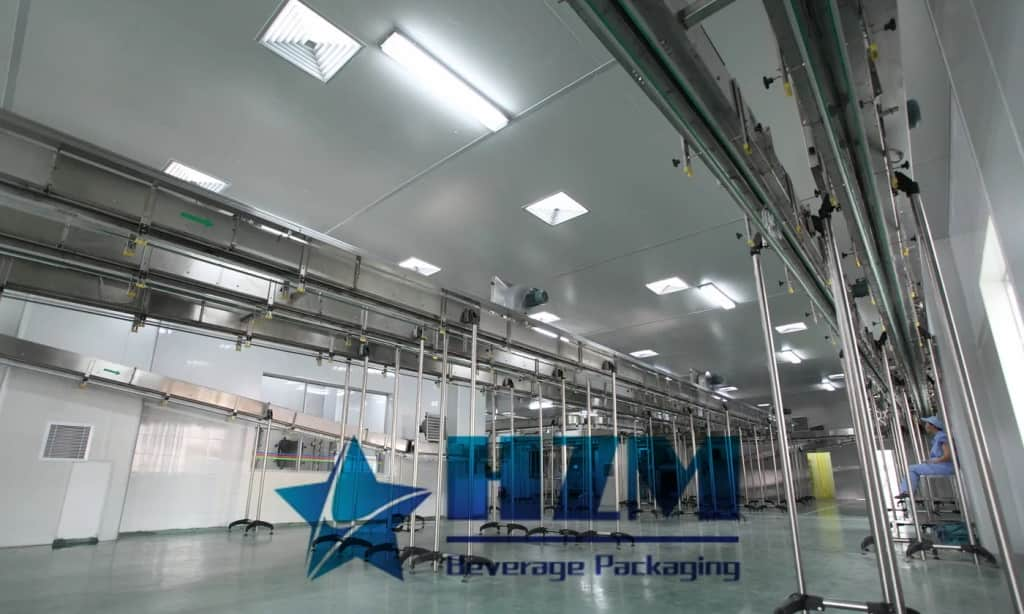
Why Conveyor Layout Affects the Whole Bottling Line
Size conveyor buffers in usable bottle positions and minutes, then check transfers, contact pressure and controlled restart with the actual container.
Learn more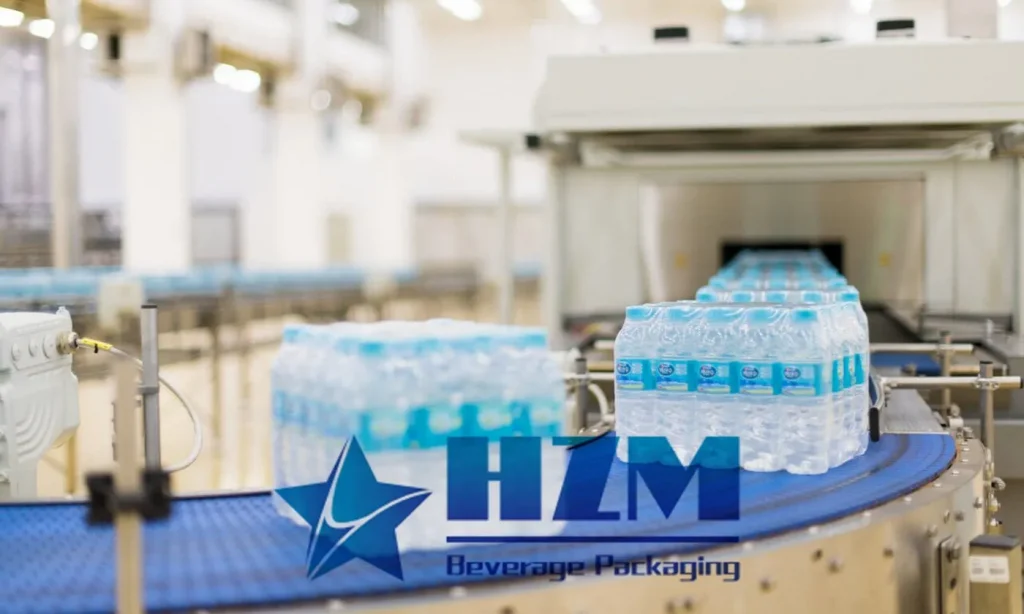
Finding the First Unstable Point on a Bottle Conveyor
A pile-up is often the result of an earlier catch, failed transfer or missed sensor signal.
Learn more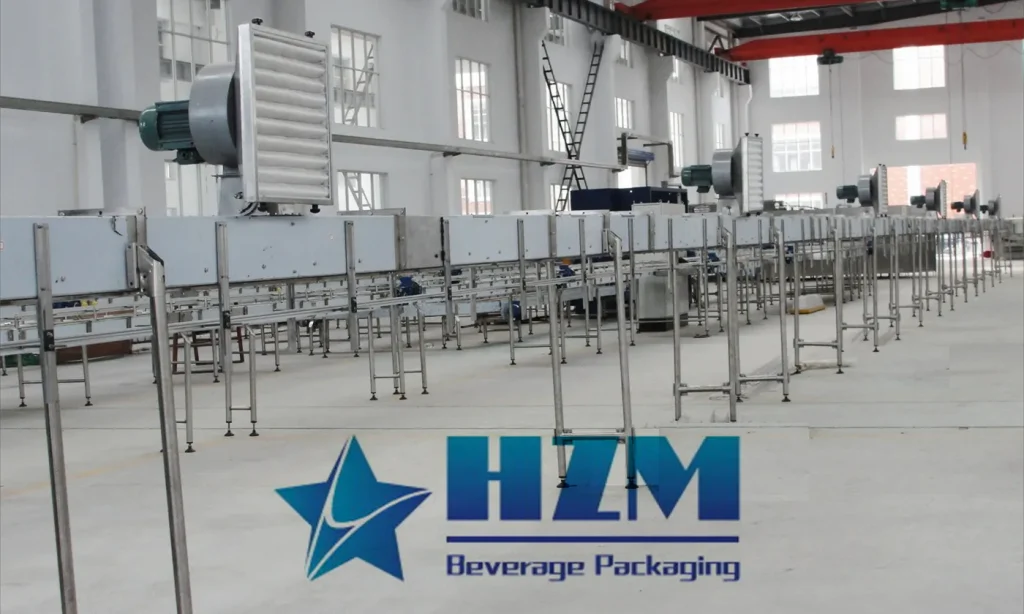
What Changes the Price of a Bottle Air Conveyor?
An air-conveyor quotation depends on route geometry, neck-handling requirements, supports, switches and machine connections.
Learn more